Close Menu
FSNN NewsFSNN News
  • Home
  • News
    • Politics
    • Legal & Courts
    • Tech & Big Tech
    • Campus & Education
    • Media & Culture
    • Global Free Speech
  • AI & Crypto
    • AI & Censorship
    • Cryptocurrency & Free Speech Finance
    • Blockchain & Decentralized Media
  • Opinions
    • Debates
  • Video/Live
  • Community
  • Freedom Index
  • About
    • Mission
    • Contact
    • Support
Trending

Breakout or Bull Trap? DOGE Jumps Above Resistance on Ethereum Strength

19 minutes ago

Make crypto games great again? ‘Trump Billionaires Club’ launches this month

23 minutes ago

Rep. Keith Self Moves to ‘Fix the Bill’ With CBDC Ban Before Key Hearing

28 minutes ago
Facebook X (Twitter) Instagram
Facebook X (Twitter) Discord Telegram
FSNN NewsFSNN News
Market Data Newsletter
Wednesday, December 10
  • Home
  • News
    • Politics
    • Legal & Courts
    • Tech & Big Tech
    • Campus & Education
    • Media & Culture
    • Global Free Speech
  • AI & Crypto
    • AI & Censorship
    • Cryptocurrency & Free Speech Finance
    • Blockchain & Decentralized Media
  • Opinions
    • Debates
  • Video/Live
  • Community
  • Freedom Index
  • About
    • Mission
    • Contact
    • Support
FSNN NewsFSNN News
Home » The Perils of Viewing Psilocybin Strictly As a Psychiatric Medication
Media & Culture

The Perils of Viewing Psilocybin Strictly As a Psychiatric Medication

News RoomBy News Room4 weeks agoNo Comments4 Mins Read1,876 Views
Share Facebook Twitter Pinterest Copy Link LinkedIn Tumblr Email VKontakte Telegram
The Perils of Viewing Psilocybin Strictly As a Psychiatric Medication
Share
Facebook Twitter Pinterest Email Copy Link

Listen to the article

0:00
0:00

Key Takeaways

Playback Speed

Select a Voice

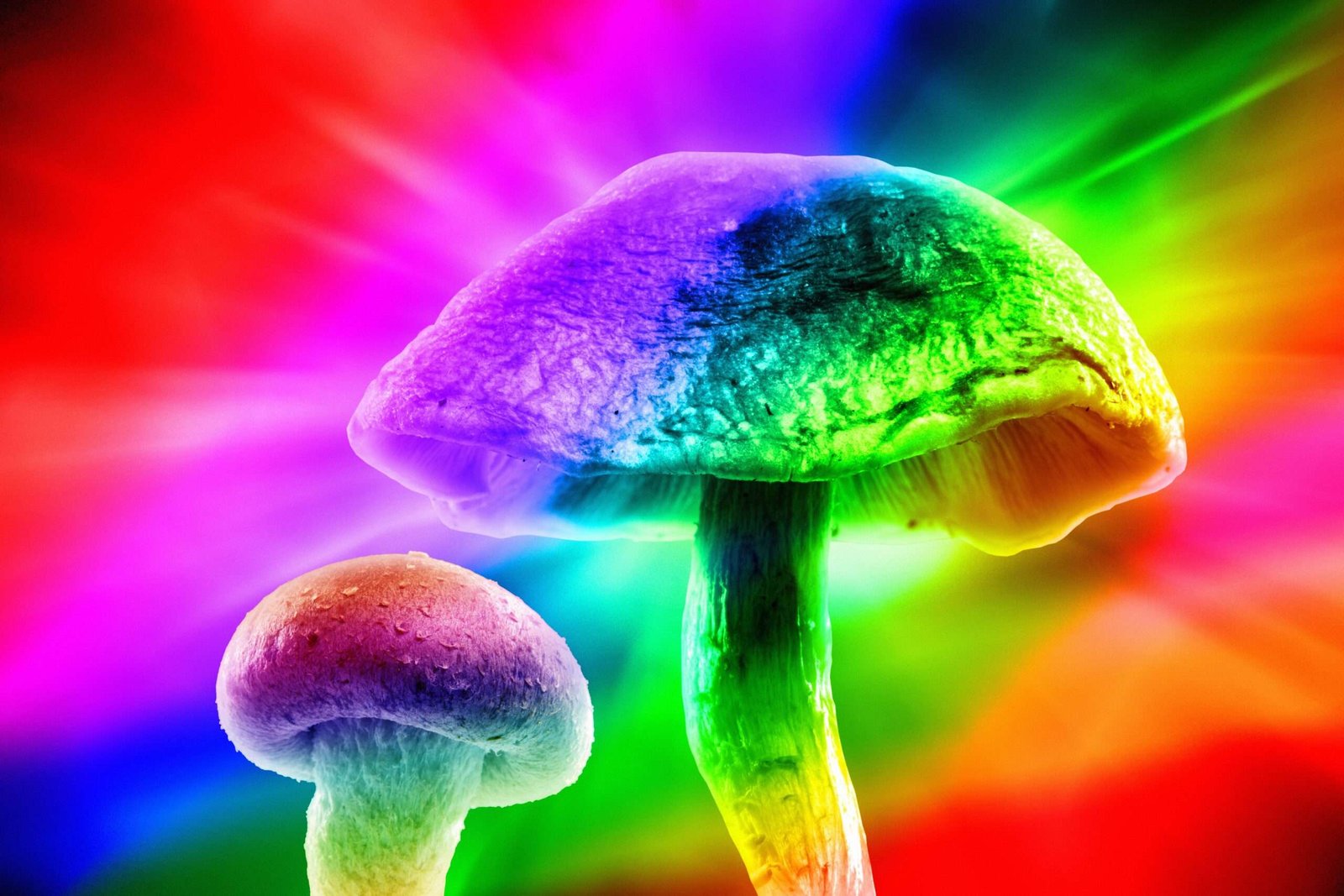
The Scottsdale Research Institute (SRI) grows psilocybin mushrooms in Arizona with permission from the Drug Enforcement Administration. Late last month, the organization announced that it will use those mushrooms in a state-funded study testing their effectiveness in treating post-traumatic stress disorder (PTSD).

That project, which the Food and Drug Administration (FDA) has greenlit, exemplifies a renaissance of research investigating the psychotherapeutic potential of a drug that has been federally prohibited since 1968. But this route to pharmacological redemption, which focuses on turning psilocybin into an officially approved medicine, does not address the injustice of criminalizing people who use psychedelics for reasons the government refuses to recognize as legitimate.

The SRI study, which will include 24 veterans, firefighters, and police officers diagnosed with PTSD, is the first to use whole mushrooms rather than synthetic psilocybin. SRI President Sue Sisley says she aims to explore the possibility that other components of psilocybin mushrooms contribute to their effects.

In 2018, the FDA recognized psilocybin as a “breakthrough therapy” for “treatment-resistant depression,” a designation that was supposed to facilitate regulatory approval. Subsequent studies have reinforced the case for psilocybin-assisted psychotherapy as a treatment for depression and cancer-related anxiety, and it also looks promising as a PTSD treatment.

The process for obtaining FDA approval is expensive and time-consuming, and it has not yet resulted in any new options for people with psychological problems that might be relieved by psilocybin sessions. Five years ago, Oregon voters took a different approach, approving a ballot initiative that authorized state-licensed “psilocybin service centers” where adults 21 or older can use the drug under the supervision of a “facilitator” after completing a “preparation session.”

Notably, that initiative did not require any particular medical or psychiatric diagnosis. Colorado voters went further two years later, passing an initiative that not only authorized “healing centers” but decriminalized the noncommercial production, possession, and transfer of psilocybin and four other naturally occurring psychedelics.

While the campaigns for both of those initiatives emphasized psychotherapeutic applications, the resulting legislation left room for other uses. The same is true of various local measures, beginning with a Denver ballot initiative in 2019, that discouraged the arrest and prosecution of psychedelic users.

Those measures often described psilocybin and other natural psychedelics as “entheogens,” which refers to substances that generate “the god within.” That term suggests the inadequacy of viewing these drugs strictly as psychiatric medications.

In a 2023 RAND Corporation survey of people who had used psilocybin in the last year, 49 percent described their goal as “improved mental health,” a category that includes but extends beyond individuals who would qualify for a psychiatric diagnosis. Other common responses included “personal development” (45 percent), “curiosity” (43 percent), “spiritual growth” (41 percent), and “cognitive development” (41 percent).

Needless to say, these goals do not easily fit within any application that the FDA is likely to bless. Nor does the most frequently reported motivation: Fifty-nine percent of respondents said they used psilocybin for “fun,” e.g., “for a sense of joy, pleasure, or play, including at a party or other social gathering.”

Except for Colorado, no state is willing to tolerate these wide-ranging uses of psilocybin, notwithstanding scientific assessments that suggest the drug has far less potential for harm than alcohol. In Texas, where I live, possessing less than a gram of the wrong fungus is punishable by up to two years in jail, while one to four grams can get you up to 20 years.

Under federal law, simple possession of psilocybin is punishable by up to a year in jail and a minimum fine of $1,000. Possession with intent to distribute carries a penalty of up to 20 years in prison.

These laws raise questions that go far beyond the real or purported benefits of psilocybin. While the most common uses of “magic mushrooms” might strike politicians or regulators as frivolous, that judgment is not enough to justify treating those personal choices as crimes.

© Copyright 2025 by Creators Syndicate Inc.

Read the full article here

Fact Checker

Verify the accuracy of this article using AI-powered analysis and real-time sources.

Get Your Fact Check Report

Enter your email to receive detailed fact-checking analysis

5 free reports remaining

Continue with Full Access

You've used your 5 free reports. Sign up for unlimited access!

Already have an account? Sign in here

Share. Facebook Twitter Pinterest LinkedIn Tumblr Email Telegram Copy Link
News Room
  • Website
  • Facebook
  • X (Twitter)
  • Instagram
  • LinkedIn

The FSNN News Room is the voice of our in-house journalists, editors, and researchers. We deliver timely, unbiased reporting at the crossroads of finance, cryptocurrency, and global politics, providing clear, fact-driven analysis free from agendas.

Related Articles

Cryptocurrency & Free Speech Finance

Rep. Keith Self Moves to ‘Fix the Bill’ With CBDC Ban Before Key Hearing

28 minutes ago
Media & Culture

Today in Supreme Court History: December 9, 2015

58 minutes ago
Cryptocurrency & Free Speech Finance

Stripe’s Tempo Payments Blockchain Opens to Public With Mastercard, UBS Onboard

1 hour ago
Media & Culture

Public AI, Built On Open Source, Is The Way Forward In The EU

2 hours ago
Media & Culture

If FIFA Doesn’t Want People To Think It’s Corrupt, It Should Stop Doing Things That Look Corrupt

2 hours ago
Cryptocurrency & Free Speech Finance

Teachers Union Urges Senate to Scrap Crypto Market Structure Bill

2 hours ago
Add A Comment
Leave A Reply Cancel Reply

Editors Picks

Make crypto games great again? ‘Trump Billionaires Club’ launches this month

23 minutes ago

Rep. Keith Self Moves to ‘Fix the Bill’ With CBDC Ban Before Key Hearing

28 minutes ago

Today in Supreme Court History: December 9, 2015

58 minutes ago

U.S. Judge Presses Do Kwon Case Before Sentencing, Cites ‘Assurance’ Gap

1 hour ago
Latest Posts

Bitcoin FOMO trickles back at $94K, but Fed could spoil the party

1 hour ago

Stripe’s Tempo Payments Blockchain Opens to Public With Mastercard, UBS Onboard

1 hour ago

Public AI, Built On Open Source, Is The Way Forward In The EU

2 hours ago

Subscribe to News

Get the latest news and updates directly to your inbox.

At FSNN – Free Speech News Network, we deliver unfiltered reporting and in-depth analysis on the stories that matter most. From breaking headlines to global perspectives, our mission is to keep you informed, empowered, and connected.

FSNN.net is owned and operated by GlobalBoost Media
, an independent media organization dedicated to advancing transparency, free expression, and factual journalism across the digital landscape.

Facebook X (Twitter) Discord Telegram
Latest News

Breakout or Bull Trap? DOGE Jumps Above Resistance on Ethereum Strength

19 minutes ago

Make crypto games great again? ‘Trump Billionaires Club’ launches this month

23 minutes ago

Rep. Keith Self Moves to ‘Fix the Bill’ With CBDC Ban Before Key Hearing

28 minutes ago

Subscribe to Updates

Get the latest news and updates directly to your inbox.

© 2025 GlobalBoost Media. All Rights Reserved.
  • Privacy Policy
  • Terms of Service
  • Our Authors
  • Contact

Type above and press Enter to search. Press Esc to cancel.

🍪

Cookies

We and our selected partners wish to use cookies to collect information about you for functional purposes and statistical marketing. You may not give us your consent for certain purposes by selecting an option and you can withdraw your consent at any time via the cookie icon.

Cookie Preferences

Manage Cookies

Cookies are small text that can be used by websites to make the user experience more efficient. The law states that we may store cookies on your device if they are strictly necessary for the operation of this site. For all other types of cookies, we need your permission. This site uses various types of cookies. Some cookies are placed by third party services that appear on our pages.

Your permission applies to the following domains:

  • https://fsnn.net
Necessary
Necessary cookies help make a website usable by enabling basic functions like page navigation and access to secure areas of the website. The website cannot function properly without these cookies.
Statistic
Statistic cookies help website owners to understand how visitors interact with websites by collecting and reporting information anonymously.
Preferences
Preference cookies enable a website to remember information that changes the way the website behaves or looks, like your preferred language or the region that you are in.
Marketing
Marketing cookies are used to track visitors across websites. The intention is to display ads that are relevant and engaging for the individual user and thereby more valuable for publishers and third party advertisers.