Close Menu
FSNN NewsFSNN News
  • Home
  • News
    • Politics
    • Legal & Courts
    • Tech & Big Tech
    • Campus & Education
    • Media & Culture
    • Global Free Speech
  • AI & Crypto
    • AI & Censorship
    • Cryptocurrency & Free Speech Finance
    • Blockchain & Decentralized Media
  • Opinions
    • Debates
  • Video/Live
  • Community
  • Freedom Index
  • About
    • Mission
    • Contact
    • Support
Trending

No Injunction Against Prosecution for Taking Photo of Transgender Politician Washing Hands in Women’s Restroom

28 minutes ago

Honduran journalist hospitalized after reported home invasion by local mayor, accomplice

38 minutes ago

Dogecoin Surges 6% as Ether Jump Creates Memecoin Run

49 minutes ago
Facebook X (Twitter) Instagram
Facebook X (Twitter) Discord Telegram
FSNN NewsFSNN News
Market Data Newsletter
Tuesday, December 9
  • Home
  • News
    • Politics
    • Legal & Courts
    • Tech & Big Tech
    • Campus & Education
    • Media & Culture
    • Global Free Speech
  • AI & Crypto
    • AI & Censorship
    • Cryptocurrency & Free Speech Finance
    • Blockchain & Decentralized Media
  • Opinions
    • Debates
  • Video/Live
  • Community
  • Freedom Index
  • About
    • Mission
    • Contact
    • Support
FSNN NewsFSNN News
Home » The NO FAKES Act is a real threat to free expression
Campus & Education

The NO FAKES Act is a real threat to free expression

News RoomBy News Room4 weeks agoNo Comments4 Mins Read531 Views
Share Facebook Twitter Pinterest Copy Link LinkedIn Tumblr Email VKontakte Telegram
The NO FAKES Act is a real threat to free expression
Share
Facebook Twitter Pinterest Email Copy Link

Listen to the article

0:00
0:00

Key Takeaways

Playback Speed

Select a Voice

Imagine a fourth-grade classroom in which the teacher uses AI to generate a video of Ronald Reagan explaining his Cold War strategy. It’s history in living color, and the students lean in, captivated. Now imagine that same teacher facing thousands of dollars in damages under the proposed NO FAKES Act because the video looks too real.

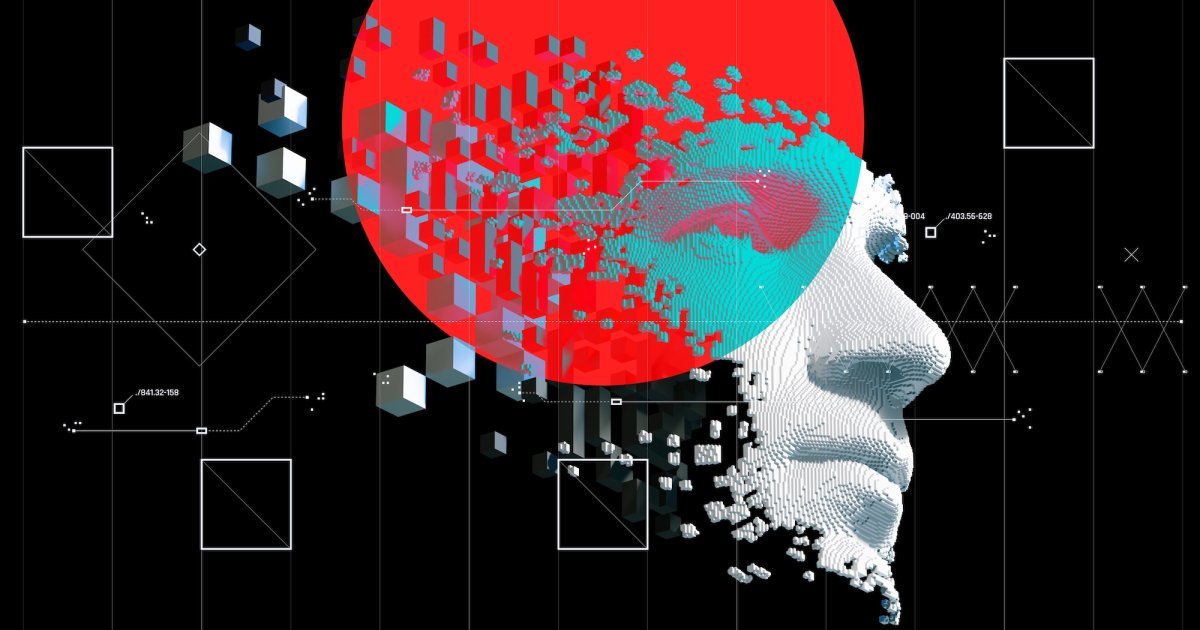
That’s not sci-fi. It’s a risk baked into this bill. The NO FAKES Act, introduced this year in both the House and Senate, would create a new federal “digital replication right” letting people control the use of AI-generated versions of their voice or likeness. That means people can block others from sharing realistic, digitally created images of them. The right can extend for up to 70 years after the person’s death and is transferred to heirs. It also lets people sue those who share unauthorized “digital replicas,” as well as the companies that make such works possible.

A “digital replica” is defined as a newly created, highly realistic representation “readily identifiable” as a person’s voice or likeness. That includes fully virtual recreations and real images or recordings that are materially altered. 

The bill bans unauthorized public use or distribution of “digital replicas.” But almost all of the covered “replicas” are fully protected by the First Amendment, meaning Congress cannot legislate their suppression.

Can someone own a voice? Breaking down the right of publicity.

What to do if a company makes a copy of your voice and profits from it without your permission.


Read More

The bill does list exceptions for “bona fide” news, documentaries, historical works, biographical works, commentary, scholarship, satire, or parody. But there’s a catch. News is exempt only if the replica is the subject of, or materially relevant to, the story. At best, this means any story relating to, say, political deepfakes must be reviewed by an attorney to decide if the story is “bona fide” news and the deepfake is sufficiently relevant to include in the story itself. At worst, this means politicians and other public figures will start suing journalists and others who talk about newsworthy replicas of them, if they don’t like what the person had to say. 

Even worse, the documentary, historical, and biographical exceptions vanish if the work creates a false impression that it’s “an authentic [work] in which the person actually participated.” That swallows the exception and makes any realistic recreations, like the fourth-grade example above, legally radioactive.

The reach goes well beyond classrooms, too. Academics using recreated voices for research, documentarians patching gaps in archival footage, artists experimenting with digital media, or writers reenacting leaked authentic conversations could all face litigation. The exceptions are so narrowly drawn that they offer no real protection. And the risk doesn’t end with creators. Merely sharing a disputed clip can also invite a lawsuit.

That’s a digital heckler’s veto whereby one complaint can erase lawful speech.

The law also targets AI technology itself. Section 2(c)(2)(B) imposes liability on anyone who distributes a tool “primarily designed” to make digital replicas. That vague standard can easily ensnare open-source developers and small startups whose generative AI models sometimes output a voice or face that resembles a real person. 

Then there’s the “notice-and-takedown” regime, modeled after the Digital Millennium Copyright Act. The bill requires online platforms to promptly remove or disable access to any alleged unauthorized “digital replica” once they receive a complaint, or risk losing legal immunity and facing penalties. In other words, platforms that don’t yank flagged content fast enough can be on the hook, which means they’ll likely delete first and ask questions never. That’s a digital heckler’s veto whereby one complaint can erase lawful speech.

On paper, the NO FAKES Act just looks like a safeguard against misleading and nonconsensual deepfakes. In practice, it would give politicians, celebrities, and other public figures new leverage over how they’re portrayed in today’s media, and grant their families enduring control over how they can be portrayed in history.

And let’s not forget that existing law already applies to digital replicas. Most states already recognize a right of publicity to police commercial uses of a person’s name, image, or likeness. Traditionally, that protection has been limited to overtly commercial contexts, such as advertising or merchandising. The NO FAKES Act breaks that guardrail, turning a narrow protection into a broad property right that threatens the First Amendment.

Creativity cannot thrive under constant permission. New mediums shouldn’t mean new muzzles. 

AI-generated expression, like all expression, can also be punished when it crosses into unprotected categories such as fraud or defamation. Beyond those limits, government restrictions on creative tools risks strangling the diversity of ideas and free speech makes possible. 

Creativity cannot thrive under a constant need for permission. New mediums shouldn’t mean new muzzles. 

Read the full article here

Fact Checker

Verify the accuracy of this article using AI-powered analysis and real-time sources.

Get Your Fact Check Report

Enter your email to receive detailed fact-checking analysis

5 free reports remaining

Continue with Full Access

You've used your 5 free reports. Sign up for unlimited access!

Already have an account? Sign in here

Share. Facebook Twitter Pinterest LinkedIn Tumblr Email Telegram Copy Link
News Room
  • Website
  • Facebook
  • X (Twitter)
  • Instagram
  • LinkedIn

The FSNN News Room is the voice of our in-house journalists, editors, and researchers. We deliver timely, unbiased reporting at the crossroads of finance, cryptocurrency, and global politics, providing clear, fact-driven analysis free from agendas.

Related Articles

Campus & Education

Trinity College bans political activism over chalkboard messages

1 day ago
Legal & Courts

Unsealed autopsy reveals details about mysterious death of prosecutor Jonathan Luna

4 days ago
Legal & Courts

RCFP statement on New York Times lawsuit challenging Pentagon press access policy

5 days ago
Legal & Courts

Lehigh County judge orders unsealing of criminal dockets tied to interstate drug ring prosecutions

6 days ago
Campus & Education

Join FIRE’s Free Speech Forum this summer in Washington, D.C.

1 week ago
Legal & Courts

Newly released bodycam footage shows prior arrest of man charged in Charlotte light rail stabbing

1 week ago
Add A Comment
Leave A Reply Cancel Reply

Editors Picks

Honduran journalist hospitalized after reported home invasion by local mayor, accomplice

38 minutes ago

Dogecoin Surges 6% as Ether Jump Creates Memecoin Run

49 minutes ago

Blockchain trial on Canton Network tests collateral reuse with tokenized US Treasurys

52 minutes ago

Bitcoin ‘After Dark’ ETF Would Bet on BTC as Wall Street Sleeps

56 minutes ago
Latest Posts

Get Ready To Enter A New Decade With The Next Public Domain Game Jam: Gaming Like It’s 1930!

1 hour ago

Trump Is Still Claiming He Saves ‘25,000 American Lives’ When He Blows Up a Suspected Drug Boat

1 hour ago

Olivia Nuzzi’s Career Collapse: A Journalist’s Downfall

2 hours ago

Subscribe to News

Get the latest news and updates directly to your inbox.

At FSNN – Free Speech News Network, we deliver unfiltered reporting and in-depth analysis on the stories that matter most. From breaking headlines to global perspectives, our mission is to keep you informed, empowered, and connected.

FSNN.net is owned and operated by GlobalBoost Media
, an independent media organization dedicated to advancing transparency, free expression, and factual journalism across the digital landscape.

Facebook X (Twitter) Discord Telegram
Latest News

No Injunction Against Prosecution for Taking Photo of Transgender Politician Washing Hands in Women’s Restroom

28 minutes ago

Honduran journalist hospitalized after reported home invasion by local mayor, accomplice

38 minutes ago

Dogecoin Surges 6% as Ether Jump Creates Memecoin Run

49 minutes ago

Subscribe to Updates

Get the latest news and updates directly to your inbox.

© 2025 GlobalBoost Media. All Rights Reserved.
  • Privacy Policy
  • Terms of Service
  • Our Authors
  • Contact

Type above and press Enter to search. Press Esc to cancel.

🍪

Cookies

We and our selected partners wish to use cookies to collect information about you for functional purposes and statistical marketing. You may not give us your consent for certain purposes by selecting an option and you can withdraw your consent at any time via the cookie icon.

Cookie Preferences

Manage Cookies

Cookies are small text that can be used by websites to make the user experience more efficient. The law states that we may store cookies on your device if they are strictly necessary for the operation of this site. For all other types of cookies, we need your permission. This site uses various types of cookies. Some cookies are placed by third party services that appear on our pages.

Your permission applies to the following domains:

  • https://fsnn.net
Necessary
Necessary cookies help make a website usable by enabling basic functions like page navigation and access to secure areas of the website. The website cannot function properly without these cookies.
Statistic
Statistic cookies help website owners to understand how visitors interact with websites by collecting and reporting information anonymously.
Preferences
Preference cookies enable a website to remember information that changes the way the website behaves or looks, like your preferred language or the region that you are in.
Marketing
Marketing cookies are used to track visitors across websites. The intention is to display ads that are relevant and engaging for the individual user and thereby more valuable for publishers and third party advertisers.