

 Freedom Index
Listen to the article
A selection of essays and interviews in Quillette examining how and why Iran and the West are at war, and what is likely to happen next.
The Iranian Regime in Context
Roya Hakakian describes the historic trial in Sweden of Hamid Noury, an Iranian prison official involved in a 1988 massacre of political prisoners. This important case represented a rare moment of temporary accountability for Iran’s regime (Noury has since been freed in a prisoner exchange) and highlights survivors’ efforts to pursue justice and expose the truth behind the mass executions.
Justice in Stockholm
Thirty-four years after the massacre of political prisoners in Iran, the conviction of Hamid Noury in Sweden has been a victory for accountability and for the truth.
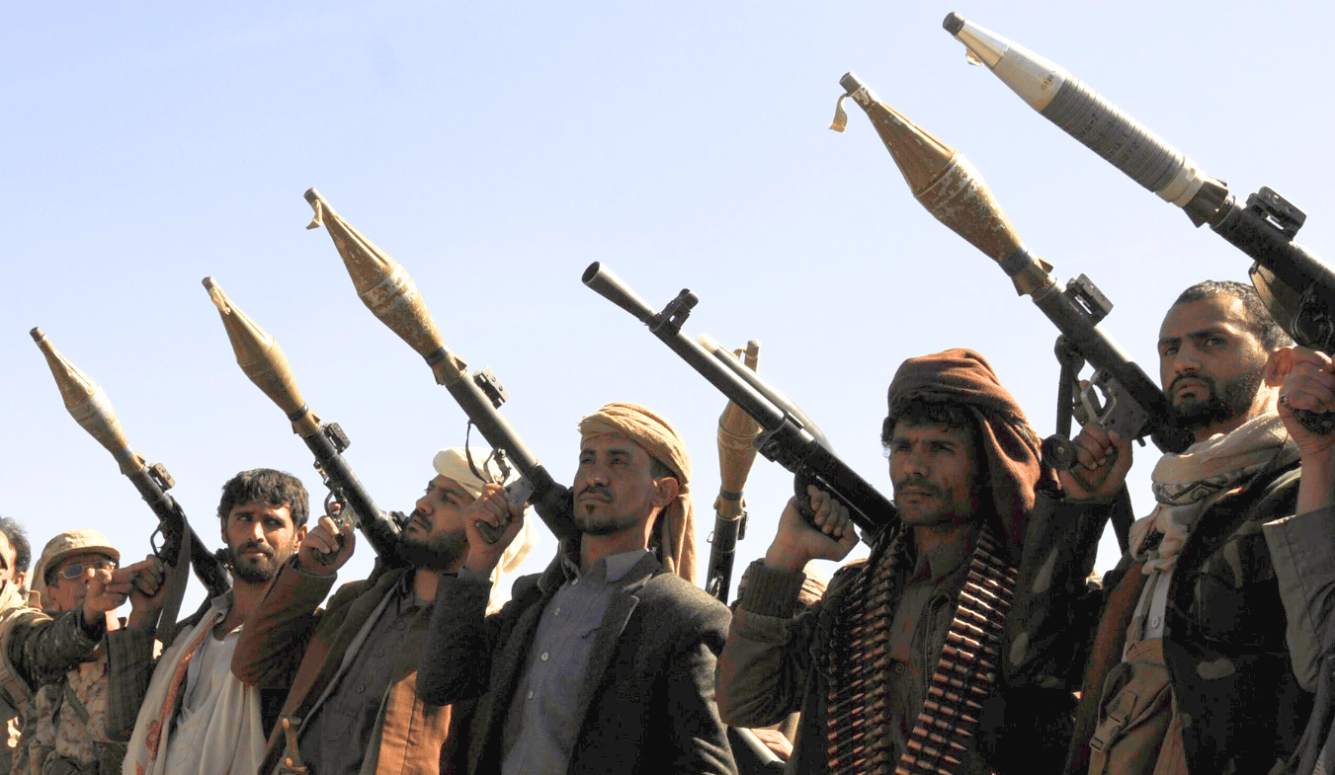
Pierre James and Suha Hassen looks at how Iran plays a central role in supporting militant groups such as Hamas, Hezbollah, and the Houthis, and argues that the 7 October 2023 attacks on Israel should be understood within Iran’s broader regional strategy rather than solely as part of the Israeli–Palestinian conflict.
The Iranian Connection
Tracing Tehran’s ties to the Houthis, Hamas, and Hezbollah.
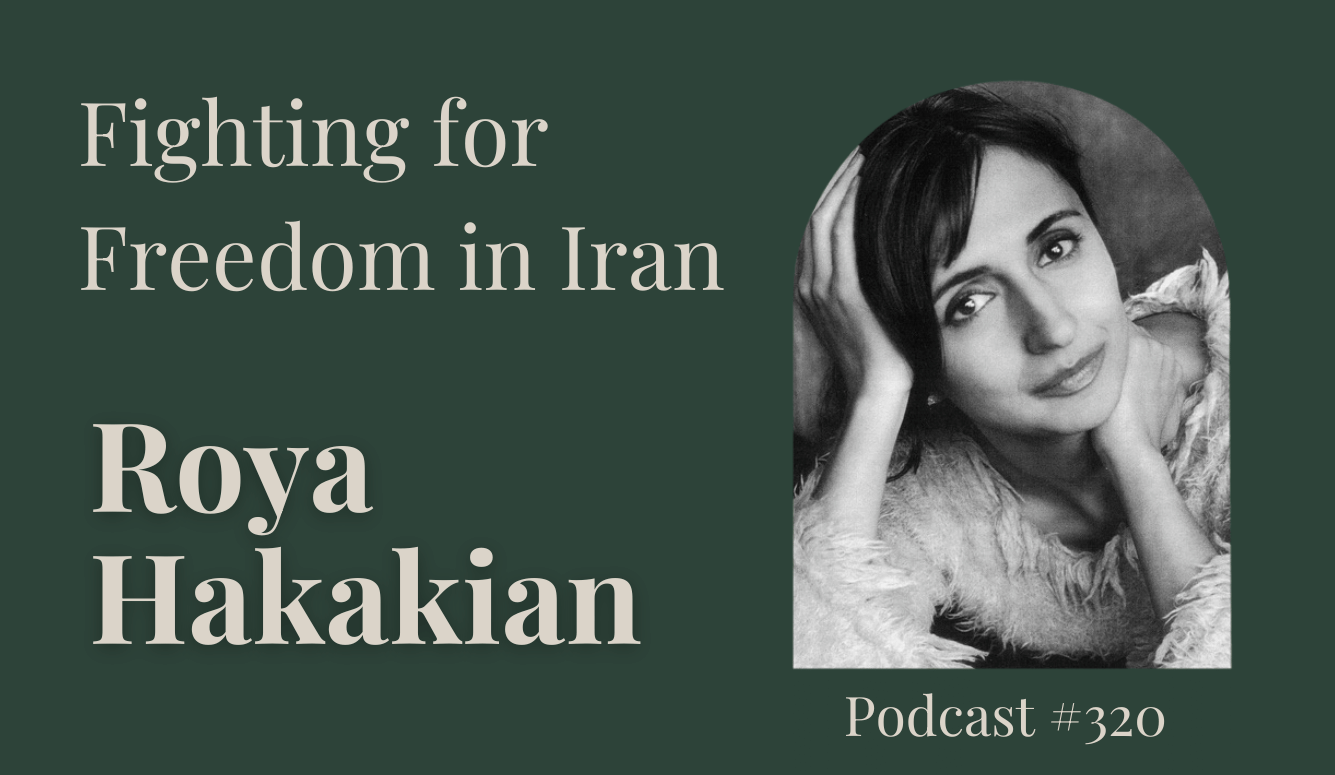
Iona Italia talks to Roya Hakakian about the uprising against Iran’s theocratic regime, the roots of the protests, and the courage of ordinary Iranians, and asks whether the decades-old rule of the ayatollahs can finally be challenged.
Understanding Iran’s Protests with Roya Hakakian
Managing Editor Iona Italia talks to Iranian writer and journalist Roya Hakakian about the protests in Iran and why and how they might succeed.
What Caused the First US and Israeli Strikes?
Iran’s regime has been battered by regional setbacks and domestic unrest. As tensions rose, Brian Stewart asked whether the United States would have the courage to confront Tehran’s theocracy—or was about to squander a historic chance through flawed leadership and strategic miscalculation.
Iran’s Hour of Reckoning: Trump Faces Critical Choice
Iran has never been weaker and America has never been more poorly led.
Allen Zeesman argues that the key question facing Trump isn’t whether to strike or negotiate, but whether the US and its partners can build a sustained strategic architecture to contain Tehran’s nuclear ambitions and regional influence, without which any military or diplomatic action risks providing only a temporary pause in the regime’s expansionist aggression.
After Trump’s Iran Decision
The real dilemma is not between war and negotiation. It is between episodic action and sustained architecture.
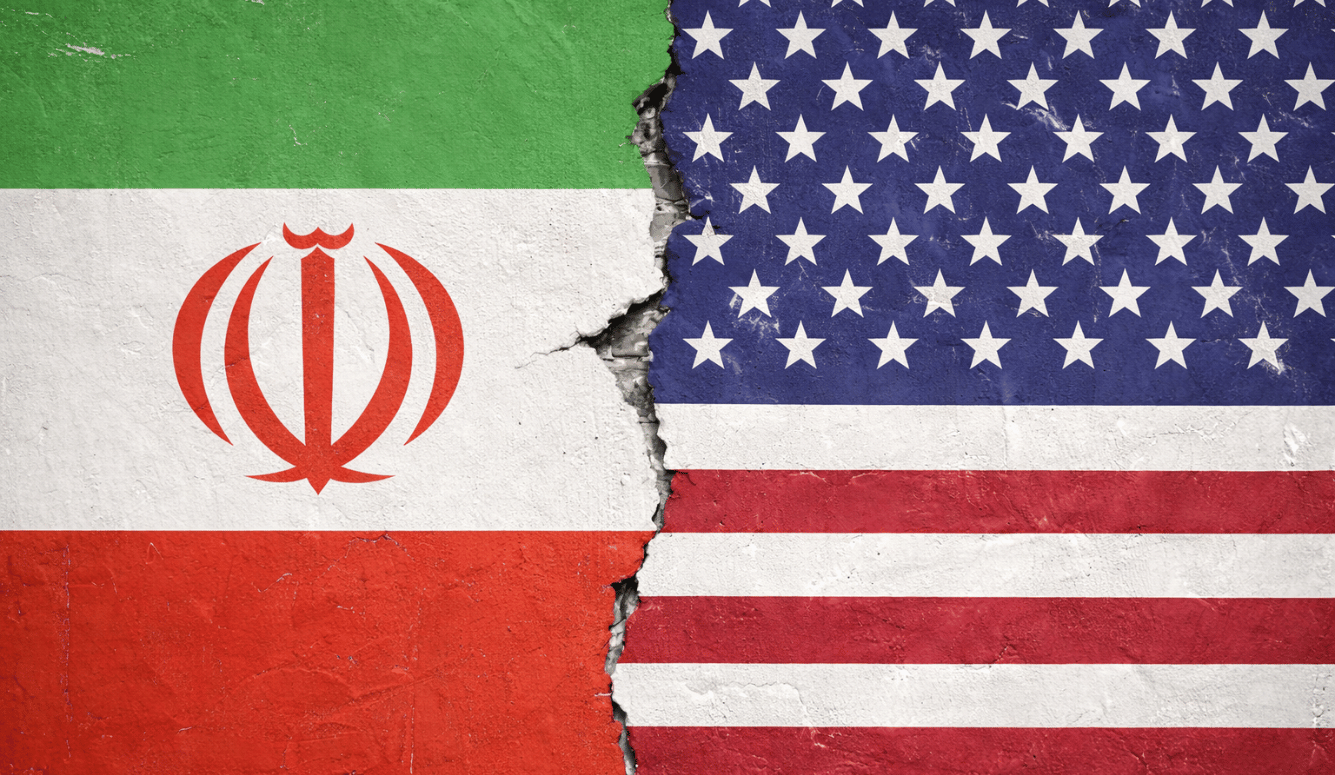
Benny Morris provides more detail on the dilemma faced by President Trump. Following the Iranian regime’s brutal and violent repression of mass protests and its mounting threats to Israel and global stability, the US had a choice between military action with unpredictable consequences and a frail deal that might leave Tehran’s dangerous regime intact.
Trump’s Iran Dilemma: War or a Hollow Deal
President Donald Trump must choose between a military strike on Iran, whose consequences no one can predict, and a deal that would leave the Islamic Republic still able to attack its own citizens, menace Israel, and export terrorism worldwide.
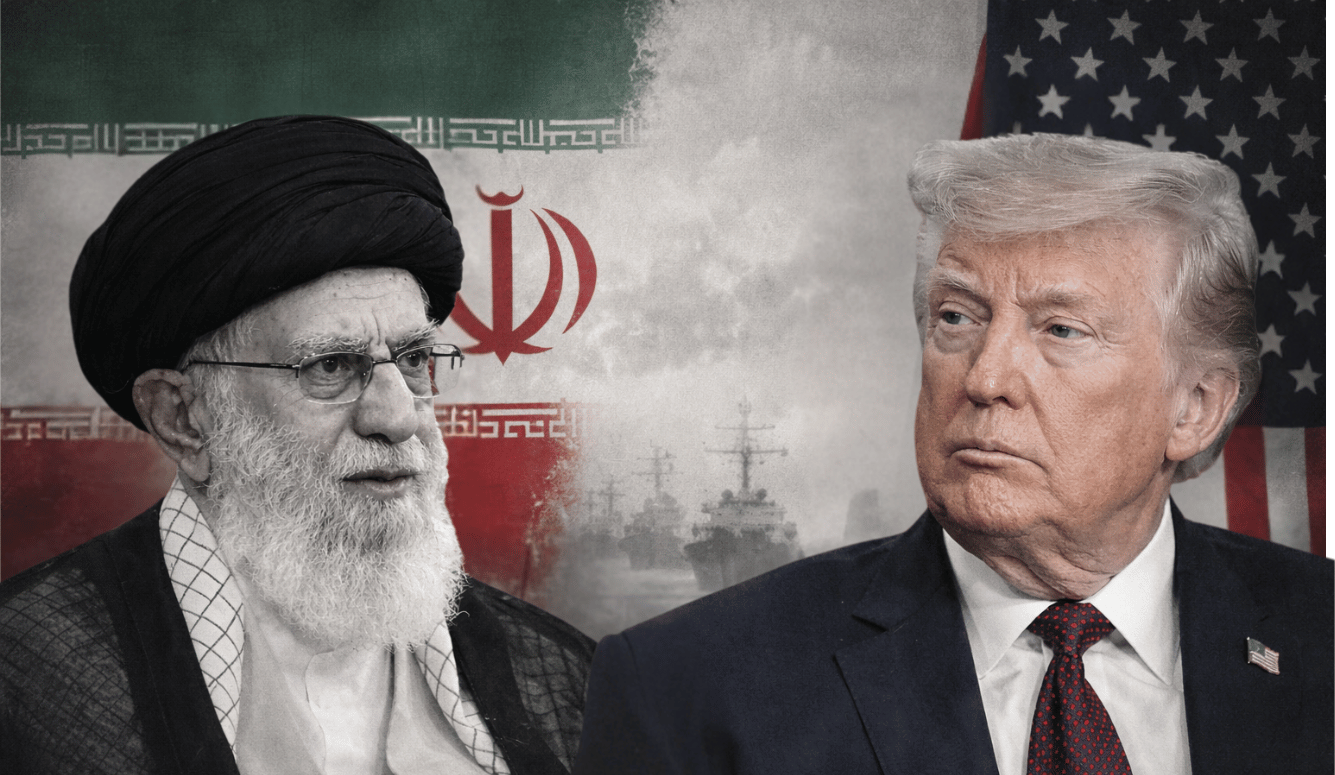
What’s Next for the Iranian Leadership?
Emily Schrader joins Pamela Paresky to explain how Iran’s regime works, why reform has failed, and what may come next.
Iran’s Hidden War Against the West: Emily Schrader
Emily Schrader joins Pamela Paresky to explain how Iran’s regime works, why reform has failed, and what may come next.
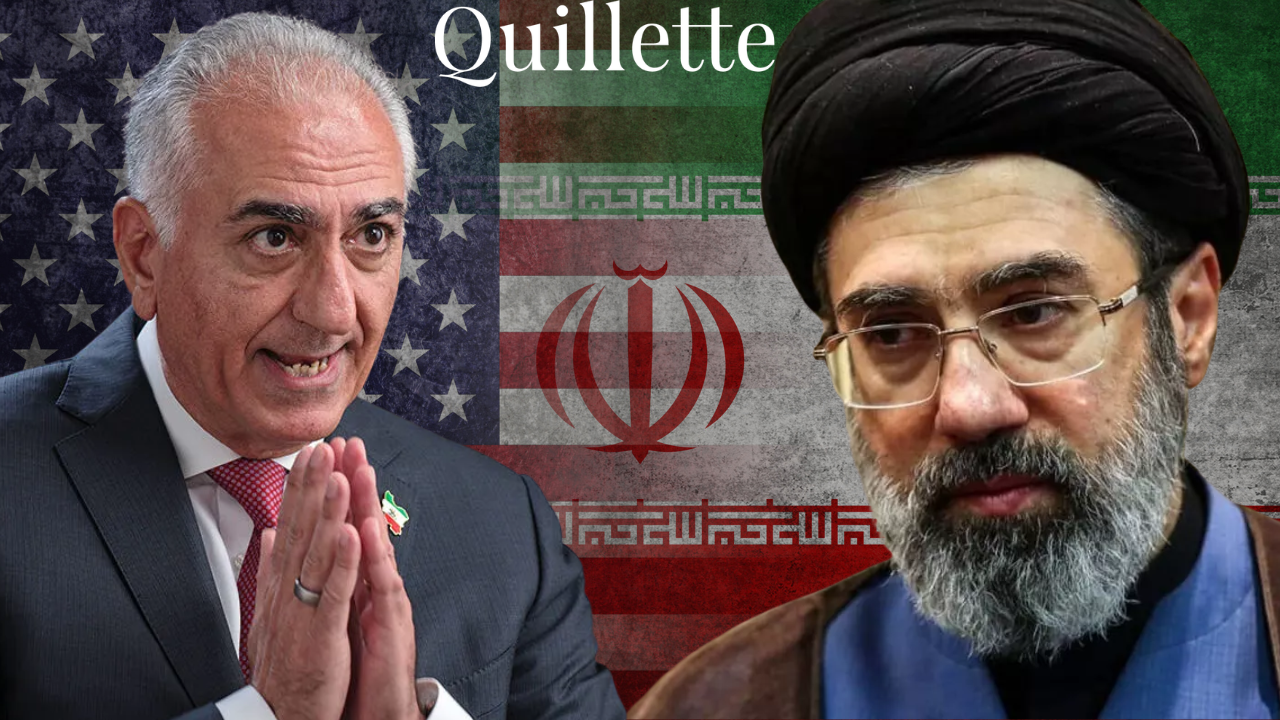
Jonathan Kay speaks to Iranian-Canadian human-rights activist Kaveh Shahrooz about whether Reza Pahlavi, the eldest son of the last Shah of Iran, might rise to power as a new Prince of Persia.
Will Post-Khamenei Iran Crown Reza Pahlavi as New Shah?
Quillette podcast host Jonathan Kay speaks with Iranian-Canadian human-rights activist Kaveh Shahrooz about whether Reza Pahlavi, the eldest son of the last Shah of Iran, might rise to power as a new Prince of Persia.
Act 2: The Battle for the Strait of Hormuz
Aurele Tobelem argues that Iran’s network of regional alliances is fracturing, as key proxies like Hezbollah and Hamas are placed under increasing military pressure. This has created an opportunity for new Middle Eastern partnerships, although Iran’s militant networks still pose a threat in the UK and elsewhere around the globe.
The Axis of Renewal
Israel and the United States have already done much to dismantle the Axis of Resistance, but the broader network supported by Iran remains most active in Western Europe.
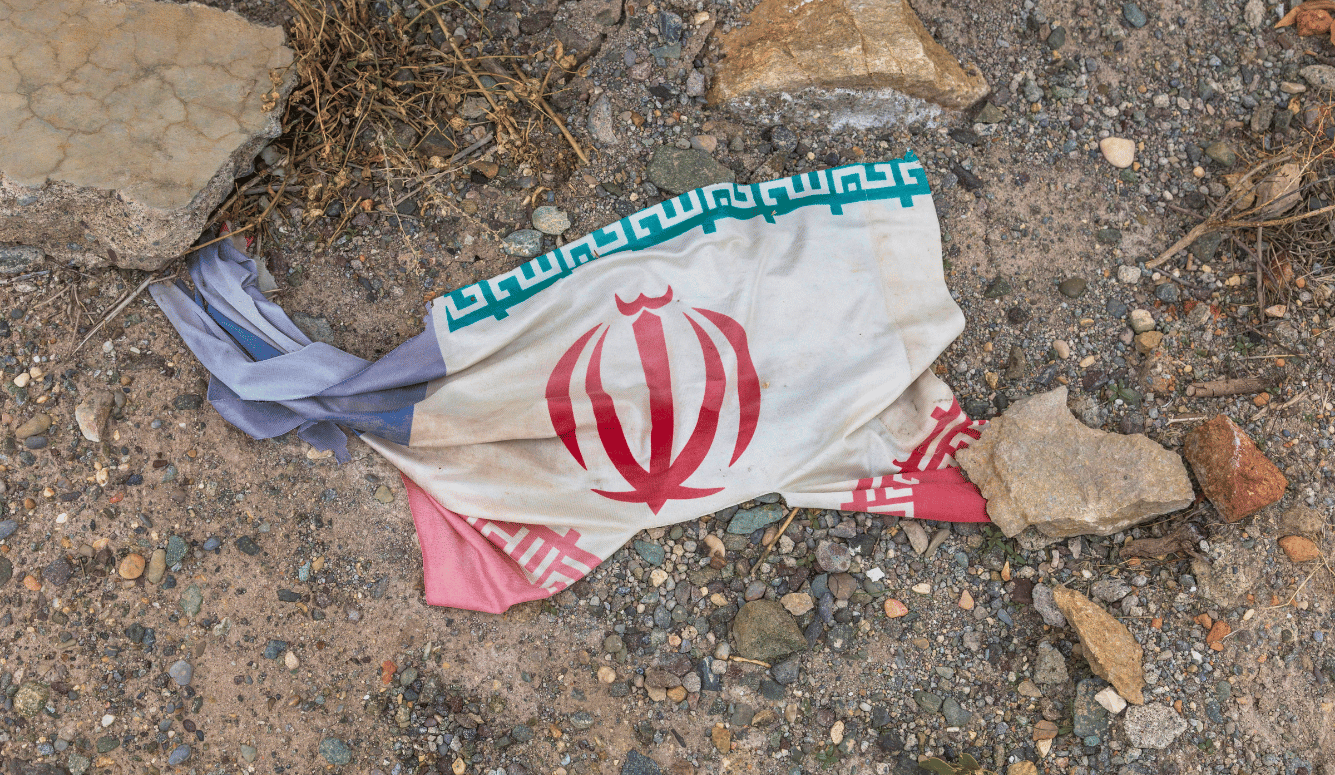
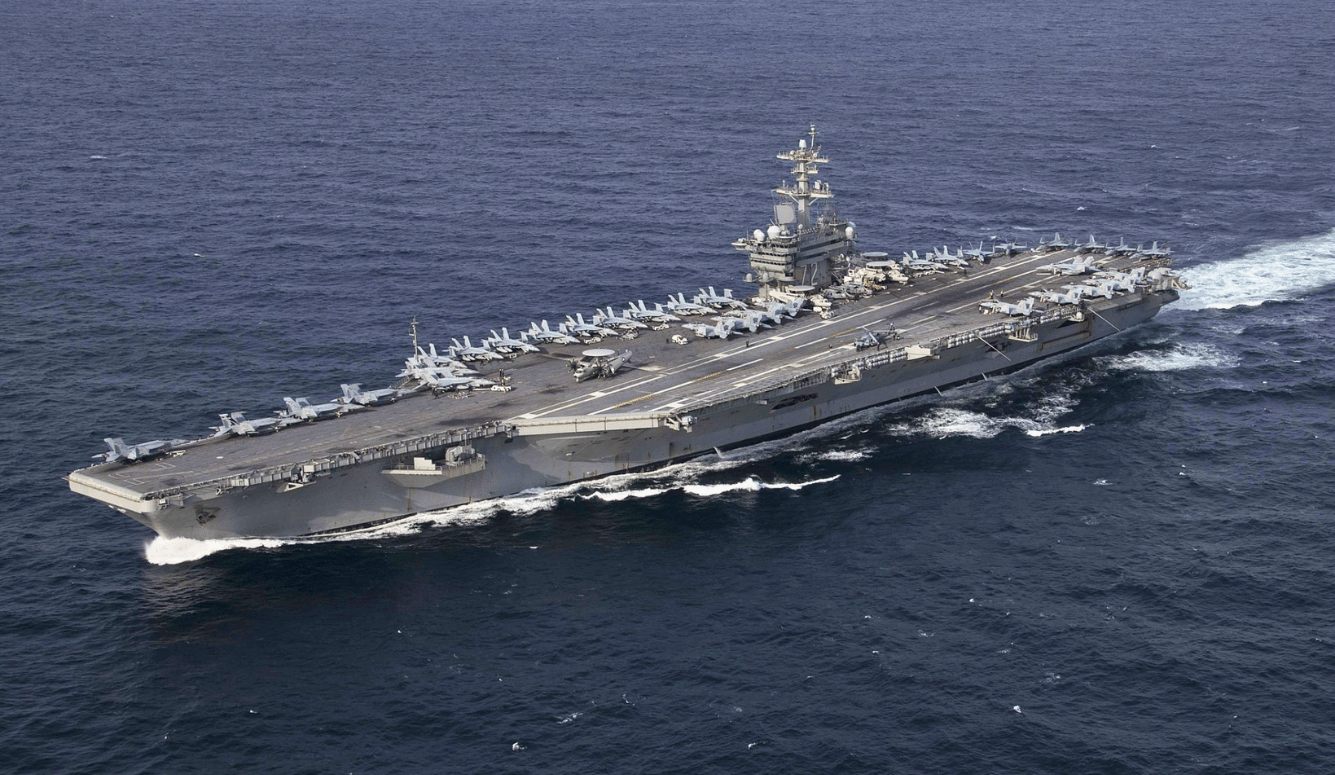
Benny Morris reports on the failure of the ceasefire talks in Islamabad. The United States remains at war with Iran and Trump’s priority is now to liberate the Strait of Hormuz for international shipping.
The Battle for the Strait
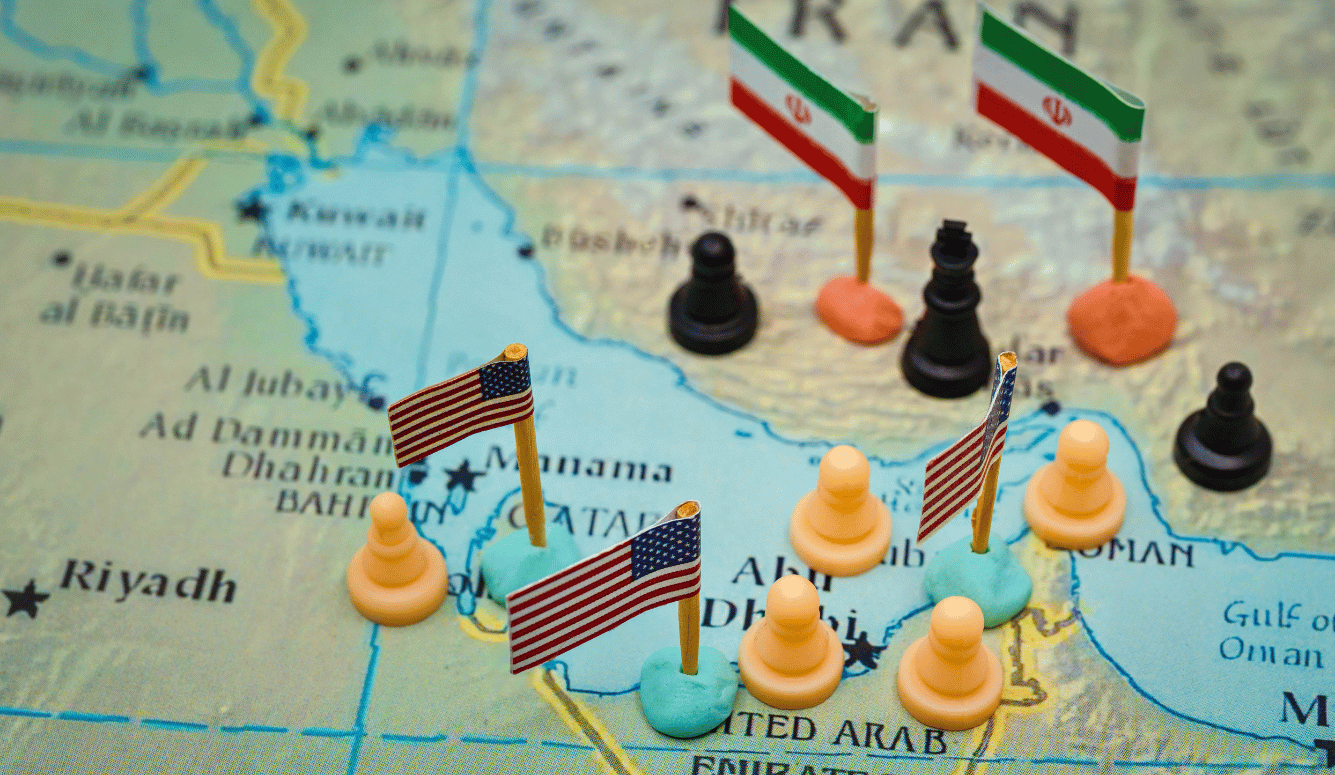
After the failure of ceasefire talks in Islamabad, the United States remains at war with Iran and Trump’s priority is to liberate the Strait of Hormuz for international shipping.
Read the full article here
Fact Checker
Verify the accuracy of this article using AI-powered analysis and real-time sources.