Close Menu
FSNN | Free Speech News NetworkFSNN | Free Speech News Network
  • Home
  • News
    • Politics
    • Legal & Courts
    • Tech & Big Tech
    • Campus & Education
    • Media & Culture
    • Global Free Speech
  • Opinions
    • Debates
  • Video/Live
  • Community
  • Freedom Index
  • About
    • Mission
    • Contact
    • Support
Trending

Trump Calls on Congress to Pass ‘Fair Version’ of Clarity Act at White House Crypto Meeting

3 minutes ago

Breakthrough Personalized mRNA Vaccines Are Highly Effective Against Melanoma Skin Cancers

35 minutes ago

AI could supercharge crypto but there’s a catch, Fidelity Digital Assets says

56 minutes ago
Facebook X (Twitter) Instagram
Facebook X (Twitter) Discord Telegram
FSNN | Free Speech News NetworkFSNN | Free Speech News Network
Market Data Newsletter
Wednesday, August 19
  • Home
  • News
    • Politics
    • Legal & Courts
    • Tech & Big Tech
    • Campus & Education
    • Media & Culture
    • Global Free Speech
  • Opinions
    • Debates
  • Video/Live
  • Community
  • Freedom Index
  • About
    • Mission
    • Contact
    • Support
FSNN | Free Speech News NetworkFSNN | Free Speech News Network
Home»News»Global Free Speech»Supreme Court of the United Kingdom. Photo: Jay Galvin/CC BY 2.0 It was game, set and match for Bahraini dissidents Saeed Shehabi and Moosa Mohammed in their case against the Kingdom of Bahrain this week. The UK’s Supreme Court ruled in their favour, rejecting an appeal from Bahrain, which was claiming sovereign immunity from allegations it used spyware to infiltrate the computers of the pair in the UK back in 2011. We’ve been following the case and it’s hard to downplay this victory both for the men and for the broader ecosystem. The Kingdom had argued that section 5 of the State Immunity Act 1978, which creates an exemption to the act in the event of personal injuries and damage to property, was being misinterpreted and unduly broadened in this case. It said that a proper reading of the Act would afford immunity to states in cases where the actors or some of the acts causing personal injury were located outside the UK. But section 5 was enacted long before sophisticated spyware existed. The Supreme Court judges therefore rejected these arguments, stating that: “Modern technology enables acts of surveillance to be carried out in the UK remotely. Even if carried out by foreign state actors located outside the UK, such acts involve an infringement of UK territorial sovereignty.” Leigh Day, the law firm representing Shehabi and Mohammed, said that “the Supreme Court judgment has now settled the scope of section 5 of the State Immunity Act 1978. A foreign state cannot rely on state immunity to escape accountability for personal injury caused by acts within the UK, even where other causative acts take place abroad and the state’s agents are not present in this country. The court has recognised that a rigid distinction between the location of an act and its effects is artificial and unprincipled.” Shehabi said afterwards that “this is not just a victory for us, but for everyone targeted by authoritarian states beyond their own borders.” He’s right. We’ve been bleating on about transnational repression for years now because it’s prolific and getting worse. And when a dissident is attacked abroad, spyware is often a feature. This ruling makes clear that states can now be held officially accountable. As Shehabi also said after: “The hardest part of being targeted by alleged state-sponsored hacking is the feeling that nowhere is safe”. The UK arguably becomes a touch safer now. Mohammed said that the “victory changes the balance of power”. He spoke about being tortured by the Bahraini regime since he was a teenager and pursued across borders. “Today, the tables have turned,” he continued. “I am no longer the one being chased. I am chasing justice. I am chasing accountability. The era of abusing victims while hiding behind state immunity is over.” The UK has earned itself a reputation as a hunting ground for authoritarian regimes, and that’s partly because our response to counter it has been woeful. In some instances, police have told victims to keep a lower profile and that their cases are too hard to tackle because the assailants are overseas. So, it’s good to now have legal clarity on the question of proximity. Being abroad doesn’t grant you a get-out-of-jail-free card. READ MORE
Global Free Speech

Supreme Court of the United Kingdom. Photo: Jay Galvin/CC BY 2.0 It was game, set and match for Bahraini dissidents Saeed Shehabi and Moosa Mohammed in their case against the Kingdom of Bahrain this week. The UK’s Supreme Court ruled in their favour, rejecting an appeal from Bahrain, which was claiming sovereign immunity from allegations it used spyware to infiltrate the computers of the pair in the UK back in 2011. We’ve been following the case and it’s hard to downplay this victory both for the men and for the broader ecosystem. The Kingdom had argued that section 5 of the State Immunity Act 1978, which creates an exemption to the act in the event of personal injuries and damage to property, was being misinterpreted and unduly broadened in this case. It said that a proper reading of the Act would afford immunity to states in cases where the actors or some of the acts causing personal injury were located outside the UK. But section 5 was enacted long before sophisticated spyware existed. The Supreme Court judges therefore rejected these arguments, stating that: “Modern technology enables acts of surveillance to be carried out in the UK remotely. Even if carried out by foreign state actors located outside the UK, such acts involve an infringement of UK territorial sovereignty.” Leigh Day, the law firm representing Shehabi and Mohammed, said that “the Supreme Court judgment has now settled the scope of section 5 of the State Immunity Act 1978. A foreign state cannot rely on state immunity to escape accountability for personal injury caused by acts within the UK, even where other causative acts take place abroad and the state’s agents are not present in this country. The court has recognised that a rigid distinction between the location of an act and its effects is artificial and unprincipled.” Shehabi said afterwards that “this is not just a victory for us, but for everyone targeted by authoritarian states beyond their own borders.” He’s right. We’ve been bleating on about transnational repression for years now because it’s prolific and getting worse. And when a dissident is attacked abroad, spyware is often a feature. This ruling makes clear that states can now be held officially accountable. As Shehabi also said after: “The hardest part of being targeted by alleged state-sponsored hacking is the feeling that nowhere is safe”. The UK arguably becomes a touch safer now. Mohammed said that the “victory changes the balance of power”. He spoke about being tortured by the Bahraini regime since he was a teenager and pursued across borders. “Today, the tables have turned,” he continued. “I am no longer the one being chased. I am chasing justice. I am chasing accountability. The era of abusing victims while hiding behind state immunity is over.” The UK has earned itself a reputation as a hunting ground for authoritarian regimes, and that’s partly because our response to counter it has been woeful. In some instances, police have told victims to keep a lower profile and that their cases are too hard to tackle because the assailants are overseas. So, it’s good to now have legal clarity on the question of proximity. Being abroad doesn’t grant you a get-out-of-jail-free card. READ MORE

News RoomBy News Room3 weeks agoNo Comments3 Mins Read2 Views
Share Facebook Twitter Pinterest Copy Link LinkedIn Tumblr Email VKontakte Telegram
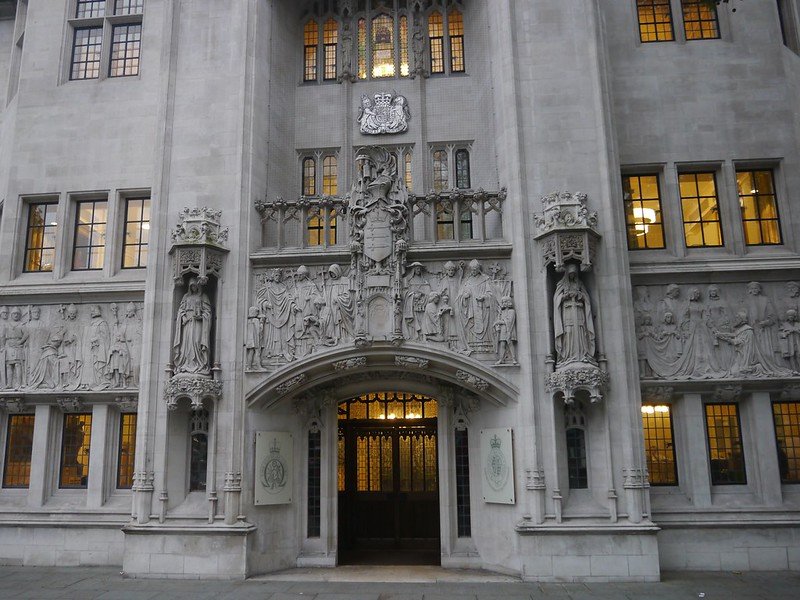
Supreme Court of the United Kingdom. Photo: Jay Galvin/CC BY 2.0


				It was game, set and match for Bahraini dissidents Saeed Shehabi and Moosa Mohammed in their case against the Kingdom of Bahrain this week. The UK’s Supreme Court ruled in their favour, rejecting an appeal from Bahrain, which was claiming sovereign immunity from allegations it used spyware to infiltrate the computers of the pair in the UK back in 2011.
We’ve been following the case and it’s hard to downplay this victory both for the men and for the broader ecosystem. The Kingdom had argued that section 5 of the State Immunity Act 1978, which creates an exemption to the act in the event of personal injuries and damage to property, was being misinterpreted and unduly broadened in this case. It said that a proper reading of the Act would afford immunity to states in cases where the actors or some of the acts causing personal injury were located outside the UK.
But section 5 was enacted long before sophisticated spyware existed. The Supreme Court judges therefore rejected these arguments, stating that: “Modern technology enables acts of surveillance to be carried out in the UK remotely. Even if carried out by foreign state actors located outside the UK, such acts involve an infringement of UK territorial sovereignty.”
Leigh Day, the law firm representing Shehabi and Mohammed, said that “the Supreme Court judgment has now settled the scope of section 5 of the State Immunity Act 1978. A foreign state cannot rely on state immunity to escape accountability for personal injury caused by acts within the UK, even where other causative acts take place abroad and the state’s agents are not present in this country. The court has recognised that a rigid distinction between the location of an act and its effects is artificial and unprincipled.”
Shehabi said afterwards that “this is not just a victory for us, but for everyone targeted by authoritarian states beyond their own borders.” He’s right. We’ve been bleating on about transnational repression for years now because it’s prolific and getting worse. And when a dissident is attacked abroad, spyware is often a feature. This ruling makes clear that states can now be held officially accountable. As Shehabi also said after: “The hardest part of being targeted by alleged state-sponsored hacking is the feeling that nowhere is safe”. The UK arguably becomes a touch safer now.
Mohammed said that the “victory changes the balance of power”. He spoke about being tortured by the Bahraini regime since he was a teenager and pursued across borders. “Today, the tables have turned,” he continued. “I am no longer the one being chased. I am chasing justice. I am chasing accountability. The era of abusing victims while hiding behind state immunity is over.”
The UK has earned itself a reputation as a hunting ground for authoritarian regimes, and that’s partly because our response to counter it has been woeful. In some instances, police have told victims to keep a lower profile and that their cases are too hard to tackle because the assailants are overseas. So, it’s good to now have legal clarity on the question of proximity. Being abroad doesn’t grant you a get-out-of-jail-free card.


				READ MORE
Share
Facebook Twitter Pinterest Email Copy Link

Listen to the article

0:00
0:00

Key Takeaways

Playback Speed

Select a Voice

It was game, set and match for Bahraini dissidents Saeed Shehabi and Moosa Mohammed in their case against the Kingdom of Bahrain this week. The UK’s Supreme Court ruled in their favour, rejecting an appeal from Bahrain, which was claiming sovereign immunity from allegations it used spyware to infiltrate the computers of the pair in the UK back in 2011.

We’ve been following the case and it’s hard to downplay this victory both for the men and for the broader ecosystem. The Kingdom had argued that section 5 of the State Immunity Act 1978, which creates an exemption to the act in the event of personal injuries and damage to property, was being misinterpreted and unduly broadened in this case. It said that a proper reading of the Act would afford immunity to states in cases where the actors or some of the acts causing personal injury were located outside the UK.

But section 5 was enacted long before sophisticated spyware existed. The Supreme Court judges therefore rejected these arguments, stating that: “Modern technology enables acts of surveillance to be carried out in the UK remotely. Even if carried out by foreign state actors located outside the UK, such acts involve an infringement of UK territorial sovereignty.”

Leigh Day, the law firm representing Shehabi and Mohammed, said that “the Supreme Court judgment has now settled the scope of section 5 of the State Immunity Act 1978. A foreign state cannot rely on state immunity to escape accountability for personal injury caused by acts within the UK, even where other causative acts take place abroad and the state’s agents are not present in this country. The court has recognised that a rigid distinction between the location of an act and its effects is artificial and unprincipled.”

Shehabi said afterwards that “this is not just a victory for us, but for everyone targeted by authoritarian states beyond their own borders.” He’s right. We’ve been bleating on about transnational repression for years now because it’s prolific and getting worse. And when a dissident is attacked abroad, spyware is often a feature. This ruling makes clear that states can now be held officially accountable. As Shehabi also said after: “The hardest part of being targeted by alleged state-sponsored hacking is the feeling that nowhere is safe”. The UK arguably becomes a touch safer now.

Mohammed said that the “victory changes the balance of power”. He spoke about being tortured by the Bahraini regime since he was a teenager and pursued across borders. “Today, the tables have turned,” he continued. “I am no longer the one being chased. I am chasing justice. I am chasing accountability. The era of abusing victims while hiding behind state immunity is over.”

The UK has earned itself a reputation as a hunting ground for authoritarian regimes, and that’s partly because our response to counter it has been woeful. In some instances, police have told victims to keep a lower profile and that their cases are too hard to tackle because the assailants are overseas. So, it’s good to now have legal clarity on the question of proximity. Being abroad doesn’t grant you a get-out-of-jail-free card.

Read the full article here

Fact Checker

Verify the accuracy of this article using AI-powered analysis and real-time sources.

Get Your Fact Check Report

Enter your email to receive detailed fact-checking analysis

5 free reports remaining

Continue with Full Access

You've used your 5 free reports. Sign up for unlimited access!

Already have an account? Sign in here

Share. Facebook Twitter Pinterest LinkedIn Tumblr Email Telegram Copy Link
News Room
  • Website
  • Facebook
  • X (Twitter)
  • Instagram
  • LinkedIn

The FSNN News Room is the voice of our in-house journalists, editors, and researchers. We deliver timely, unbiased reporting at the crossroads of finance, cryptocurrency, and global politics, providing clear, fact-driven analysis free from agendas.

Related Articles

Global Free Speech

CPJ, partners call for Congressional action on visa changes for international journalists working in the US

4 hours ago
Global Free Speech

Kazakhstan sentences journalist Gulnara Bazhkenova to eight years in prison as pre-election press crackdown intensifies

6 hours ago
Global Free Speech

(from left) Nik Williams, Chutima Sidasathian and colleagues from Media Defence It was in Vienna last year that I last saw Thai advocate and journalist Chutima Sidasathian who died last weeked at the age of 44. I was in town for a conference; she was there for medical treatment. Amidst the clink of teaspoons against crockery and the ordering of decadent Viennese cakes, I sat with Chutima alongside colleagues from Media Defence as she talked about her treatment for pancreatic cancer and the criminal charges which still hung over her head. You wouldn’t have guessed the serious topics we were discussing if you were at a neighbouring table. Chutima’s sense of mischievous humour was infectious. She regularly exploded into bouts of giggling, cracking jokes at her own expense. But something else stood out. While we were keen to explore options to support her, she instead wanted to speak about the ongoing parliamentary debates in Thailand about strengthening its inadequate protections against SLAPPs (strategic lawsuits against public participation). Chutima was personally facing an avalanche of criminal charges for her reporting and advocacy, as well as being gravely ill, but never stopped fighting for others. And while facing abusive legal threats can make you turn inwards, and all you see are the challenges to your freedom and ability to continue your work, everything else often falls away. That was not the case for Chutima. Chutima was a pioneering and award-winning journalist and community advocate, prioritising overlooked communities. For her pioneering reporting on “a secret Thai army policy of detaining Rohingya boatpeople from Myanmar, towing them to sea and abandoning them”, she won a human rights reporting award in 2010. Her story forced the government to change its policy but the story didn’t end there. Senior Navy officers brought charges of criminal defamation and a violation of the Computer Crimes Act against her and her colleague Alan Morison. Later, she turned her attention to supporting rural farming communities. In 2021, she used Facebook to raise issues and questions about a community banking scandal in which villagers were allegedly forced to repay loans they had never received. In response to her posts, the mayor of Banlang in Nakhon Ratchasima Province levelled multiple criminal defamation lawsuits against her, which the National Human Rights Commission of Thailand recognised as a SLAPP. While she was acquitted in the first case, with the judge confirming that she was entitled to express criticism of local administrators, at the time of her death she was still facing prosecution. Speaking to Media Defence, she was defiant: “I am hoping that with my second time as a ‘criminal,’ I can conclusively demonstrate the injustice of Thailand’s criminal defamation laws.” It was for her courageous work that Chutima was shortlisted for the 2024 Index on Censorship Freedom of Expression Award in the journalism category. She hoped that this shortlisting would “inspire other individuals and organisations to take a stand and commit to creating a better, more free Thailand.” Her life was shaped by this commitment to others before herself. As she told Media Defence in 2023, “I see my country as a much better country if the poor are treated fairly and honourably. What we all truly deserve is mutual respect, shared smiles, laughter without any oppression or control from those in power.” Chutima Sidasathian, Thai journalist and activist, born 26 March 1982; died 15 August 2026     READ MORE

11 hours ago
Global Free Speech

Mexican journalist Carlitos Ricardo Parias shot by US immigration authorities, without medical care after 300 days in detention

1 day ago
Global Free Speech

Bangladesh war crimes tribunal issues fresh warrants for 3 journalists over press conference questions

2 days ago
Global Free Speech

DRC shutdown of internet, mobile networks in east extends for over a month amid war

2 days ago
Add A Comment

Comments are closed.

Editors Picks

Breakthrough Personalized mRNA Vaccines Are Highly Effective Against Melanoma Skin Cancers

35 minutes ago

AI could supercharge crypto but there’s a catch, Fidelity Digital Assets says

56 minutes ago

Crypto PAC Notches Primary Wins, But Loses $2M Florida Race

58 minutes ago

Kalshi Pushes Beyond Prediction Markets With Copper Perpetual Futures

1 hour ago
Latest Posts

Daily Deal: memoryOS Expert Plan

2 hours ago

Does Gun Control Make Us Safer?

2 hours ago

Crypto campaign fund Fairshake faces $2 million setback in Florida primaries

2 hours ago

Subscribe to News

Get the latest news and updates directly to your inbox.

At FSNN – Free Speech News Network, we deliver unfiltered reporting and in-depth analysis on the stories that matter most. From breaking headlines to global perspectives, our mission is to keep you informed, empowered, and connected.

FSNN.net is owned and operated by GlobalBoost Media
, an independent media organization dedicated to advancing transparency, free expression, and factual journalism across the digital landscape.

Facebook X (Twitter) Discord Telegram
Latest News

Trump Calls on Congress to Pass ‘Fair Version’ of Clarity Act at White House Crypto Meeting

3 minutes ago

Breakthrough Personalized mRNA Vaccines Are Highly Effective Against Melanoma Skin Cancers

35 minutes ago

AI could supercharge crypto but there’s a catch, Fidelity Digital Assets says

56 minutes ago

Subscribe to Updates

Get the latest news and updates directly to your inbox.

© 2026 GlobalBoost Media. All Rights Reserved.
  • Privacy Policy
  • Terms of Service
  • Our Authors
  • Contact

Type above and press Enter to search. Press Esc to cancel.

🍪

Cookies

We and our selected partners wish to use cookies to collect information about you for functional purposes and statistical marketing. You may not give us your consent for certain purposes by selecting an option and you can withdraw your consent at any time via the cookie icon.

Cookie Preferences

Manage Cookies

Cookies are small text that can be used by websites to make the user experience more efficient. The law states that we may store cookies on your device if they are strictly necessary for the operation of this site. For all other types of cookies, we need your permission. This site uses various types of cookies. Some cookies are placed by third party services that appear on our pages.

Your permission applies to the following domains:

  • https://fsnn.net
Necessary
Necessary cookies help make a website usable by enabling basic functions like page navigation and access to secure areas of the website. The website cannot function properly without these cookies.
Statistic
Statistic cookies help website owners to understand how visitors interact with websites by collecting and reporting information anonymously.
Preferences
Preference cookies enable a website to remember information that changes the way the website behaves or looks, like your preferred language or the region that you are in.
Marketing
Marketing cookies are used to track visitors across websites. The intention is to display ads that are relevant and engaging for the individual user and thereby more valuable for publishers and third party advertisers.