Close Menu
FSNN | Free Speech News NetworkFSNN | Free Speech News Network
  • Home
  • News
    • Politics
    • Legal & Courts
    • Tech & Big Tech
    • Campus & Education
    • Media & Culture
    • Global Free Speech
  • Opinions
    • Debates
  • Video/Live
  • Community
  • Freedom Index
  • About
    • Mission
    • Contact
    • Support
Trending

What is Paul Sztorc’s Bitcoin hard fork ‘eCash’ and how it affects BTC?

15 minutes ago

What To Do With AI-Generated Legal Scholarship?: Part 2

46 minutes ago

CPJ calls on Zambian president to champion the media as World Press Freedom Day host

58 minutes ago
Facebook X (Twitter) Instagram
Facebook X (Twitter) Discord Telegram
FSNN | Free Speech News NetworkFSNN | Free Speech News Network
Market Data Newsletter
Monday, April 27
  • Home
  • News
    • Politics
    • Legal & Courts
    • Tech & Big Tech
    • Campus & Education
    • Media & Culture
    • Global Free Speech
  • Opinions
    • Debates
  • Video/Live
  • Community
  • Freedom Index
  • About
    • Mission
    • Contact
    • Support
FSNN | Free Speech News NetworkFSNN | Free Speech News Network
Home»News»Global Free Speech»Public service broadcasting is one of the most potent tools available to champion democracy and reinforce the international rules-based order. Photo: Alexander Svensson Letter to Rt. Hon. Yvette Cooper MP, Secretary of State for Foreign, Commonwealth and Development Affairs 23 February 2026 Dear Rt. Hon. Yvette Cooper MP, We are contacting you as Foreign Secretary to call on the UK Government to ensure the BBC World Service has the funding it needs to maintain its vital work as a public service broadcaster. The undersigned organisations were alarmed by the recent comments made by the BBC Director General that the outlet’s current funding arrangements only extend to the end of March 2026. It is vitally important that FCDO immediately makes the necessary funding available to maintain the World Service’s important work, while also ensuring a sustainable funding model for the outlet’s continued viability to ensure this issue is not repeated in the future.  Speaking at a Global Media Security and Innovation event in February, Tim Davie, the BBC’s Director-General said: “the current funding arrangement with the Foreign Office runs out at the end of March” and that the BBC is “waiting to hear the outcome of the settlement.” This alarming news threatens to hasten the decline of high-quality and accessible international public interest reporting. Following the US Government’s move to defund Voice of America and Radio Free Europe (RFE/RL), while private outlets such as Washington Post have also closed a number of international bureaus, if the World Service were to similarly lose its funding, the public interest information space upon which democracy depends would surely be in significant jeopardy.  Public service broadcasting is one of the most potent tools available to champion democracy and reinforce the international rules-based order. It also helps challenge repressive regimes who seek to control or censor journalistic reporting and hinder the public’s access to information. The World Service’s recently-announced plans to establish an “emergency lifeline radio programme for Iran” to respond to the unprecedented clampdown on civil society and protected speech best demonstrates the outlet’s innovative defence of free expression in the most challenging contexts. This work must be defended not defunded.   We acknowledge the Government’s position that the World Service’s funding is to be decided “through the FCDO allocations process” and that the decision will be made in “good time before the beginning of the 2026-27 financial year.” However, considering the urgency of this situation, we call on the FCDO and all other relevant policy makers to respond in good time to ensure the World Service, as a world leading public service broadcaster, can continue its vital work. Any uncertainty and instability in the World Service’s funding will directly hinder its work and impact those across the globe who depend on its public service reporting. We are ready to support where we can and await your response. Kind regards,  Index on Censorship European Federation of Journalists (EFJ) Reporters Without Borders UK (RSF) Association of European Journalists (AEJ) Justice for Journalists Foundation (JFJ) Rory Peck Trust (RPT) European Centre for Press and Media Freedom (ECPMF) PEN International National Union of Journalists (NUJ) READ MORE
Global Free Speech

Public service broadcasting is one of the most potent tools available to champion democracy and reinforce the international rules-based order. Photo: Alexander Svensson Letter to Rt. Hon. Yvette Cooper MP, Secretary of State for Foreign, Commonwealth and Development Affairs 23 February 2026 Dear Rt. Hon. Yvette Cooper MP, We are contacting you as Foreign Secretary to call on the UK Government to ensure the BBC World Service has the funding it needs to maintain its vital work as a public service broadcaster. The undersigned organisations were alarmed by the recent comments made by the BBC Director General that the outlet’s current funding arrangements only extend to the end of March 2026. It is vitally important that FCDO immediately makes the necessary funding available to maintain the World Service’s important work, while also ensuring a sustainable funding model for the outlet’s continued viability to ensure this issue is not repeated in the future.  Speaking at a Global Media Security and Innovation event in February, Tim Davie, the BBC’s Director-General said: “the current funding arrangement with the Foreign Office runs out at the end of March” and that the BBC is “waiting to hear the outcome of the settlement.” This alarming news threatens to hasten the decline of high-quality and accessible international public interest reporting. Following the US Government’s move to defund Voice of America and Radio Free Europe (RFE/RL), while private outlets such as Washington Post have also closed a number of international bureaus, if the World Service were to similarly lose its funding, the public interest information space upon which democracy depends would surely be in significant jeopardy.  Public service broadcasting is one of the most potent tools available to champion democracy and reinforce the international rules-based order. It also helps challenge repressive regimes who seek to control or censor journalistic reporting and hinder the public’s access to information. The World Service’s recently-announced plans to establish an “emergency lifeline radio programme for Iran” to respond to the unprecedented clampdown on civil society and protected speech best demonstrates the outlet’s innovative defence of free expression in the most challenging contexts. This work must be defended not defunded.   We acknowledge the Government’s position that the World Service’s funding is to be decided “through the FCDO allocations process” and that the decision will be made in “good time before the beginning of the 2026-27 financial year.” However, considering the urgency of this situation, we call on the FCDO and all other relevant policy makers to respond in good time to ensure the World Service, as a world leading public service broadcaster, can continue its vital work. Any uncertainty and instability in the World Service’s funding will directly hinder its work and impact those across the globe who depend on its public service reporting. We are ready to support where we can and await your response. Kind regards,  Index on Censorship European Federation of Journalists (EFJ) Reporters Without Borders UK (RSF) Association of European Journalists (AEJ) Justice for Journalists Foundation (JFJ) Rory Peck Trust (RPT) European Centre for Press and Media Freedom (ECPMF) PEN International National Union of Journalists (NUJ) READ MORE

News RoomBy News Room2 months agoNo Comments3 Mins Read1,436 Views
Share Facebook Twitter Pinterest Copy Link LinkedIn Tumblr Email VKontakte Telegram
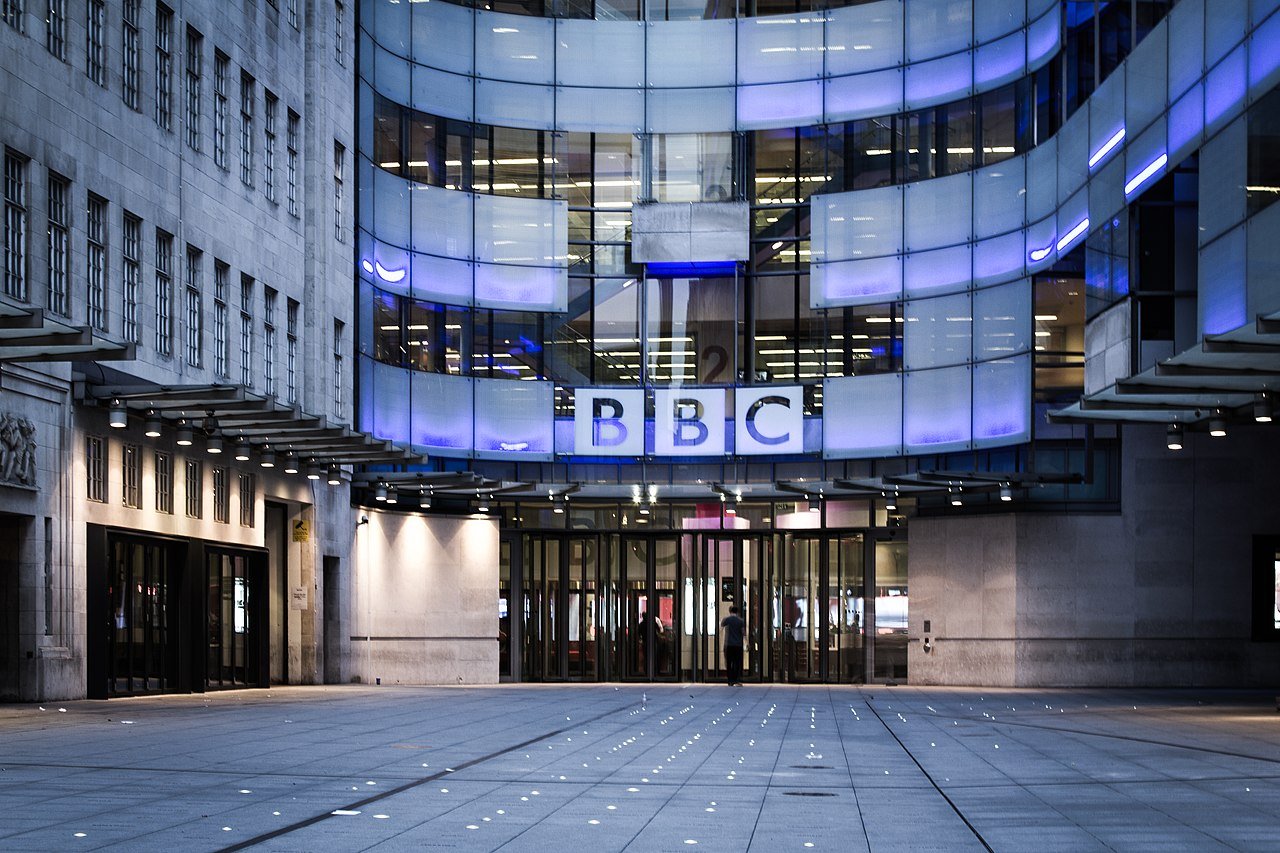
Public service broadcasting is one of the most potent tools available to champion democracy and reinforce the international rules-based order. Photo: Alexander Svensson


				Letter to Rt. Hon. Yvette Cooper MP, Secretary of State for Foreign, Commonwealth and Development Affairs
23 February 2026
Dear Rt. Hon. Yvette Cooper MP,
We are contacting you as Foreign Secretary to call on the UK Government to ensure the BBC World Service has the funding it needs to maintain its vital work as a public service broadcaster. The undersigned organisations were alarmed by the recent comments made by the BBC Director General that the outlet’s current funding arrangements only extend to the end of March 2026. It is vitally important that FCDO immediately makes the necessary funding available to maintain the World Service’s important work, while also ensuring a sustainable funding model for the outlet’s continued viability to ensure this issue is not repeated in the future. 
Speaking at a Global Media Security and Innovation event in February, Tim Davie, the BBC’s Director-General said: “the current funding arrangement with the Foreign Office runs out at the end of March” and that the BBC is “waiting to hear the outcome of the settlement.” This alarming news threatens to hasten the decline of high-quality and accessible international public interest reporting. Following the US Government’s move to defund Voice of America and Radio Free Europe (RFE/RL), while private outlets such as Washington Post have also closed a number of international bureaus, if the World Service were to similarly lose its funding, the public interest information space upon which democracy depends would surely be in significant jeopardy. 
Public service broadcasting is one of the most potent tools available to champion democracy and reinforce the international rules-based order. It also helps challenge repressive regimes who seek to control or censor journalistic reporting and hinder the public’s access to information. The World Service’s recently-announced plans to establish an “emergency lifeline radio programme for Iran” to respond to the unprecedented clampdown on civil society and protected speech best demonstrates the outlet’s innovative defence of free expression in the most challenging contexts. This work must be defended not defunded.  
We acknowledge the Government’s position that the World Service’s funding is to be decided “through the FCDO allocations process” and that the decision will be made in “good time before the beginning of the 2026-27 financial year.” However, considering the urgency of this situation, we call on the FCDO and all other relevant policy makers to respond in good time to ensure the World Service, as a world leading public service broadcaster, can continue its vital work. Any uncertainty and instability in the World Service’s funding will directly hinder its work and impact those across the globe who depend on its public service reporting.
We are ready to support where we can and await your response.
Kind regards, 
Index on Censorship
European Federation of Journalists (EFJ)
Reporters Without Borders UK (RSF)
Association of European Journalists (AEJ)
Justice for Journalists Foundation (JFJ)
Rory Peck Trust (RPT)
European Centre for Press and Media Freedom (ECPMF)
PEN International
National Union of Journalists (NUJ)


				READ MORE
Share
Facebook Twitter Pinterest Email Copy Link

Listen to the article

0:00
0:00

Key Takeaways

Playback Speed

Select a Voice

Letter to Rt. Hon. Yvette Cooper MP, Secretary of State for Foreign, Commonwealth and Development Affairs

23 February 2026

Dear Rt. Hon. Yvette Cooper MP,

We are contacting you as Foreign Secretary to call on the UK Government to ensure the BBC World Service has the funding it needs to maintain its vital work as a public service broadcaster. The undersigned organisations were alarmed by the recent comments made by the BBC Director General that the outlet’s current funding arrangements only extend to the end of March 2026. It is vitally important that FCDO immediately makes the necessary funding available to maintain the World Service’s important work, while also ensuring a sustainable funding model for the outlet’s continued viability to ensure this issue is not repeated in the future. 

Speaking at a Global Media Security and Innovation event in February, Tim Davie, the BBC’s Director-General said: “the current funding arrangement with the Foreign Office runs out at the end of March” and that the BBC is “waiting to hear the outcome of the settlement.” This alarming news threatens to hasten the decline of high-quality and accessible international public interest reporting. Following the US Government’s move to defund Voice of America and Radio Free Europe (RFE/RL), while private outlets such as Washington Post have also closed a number of international bureaus, if the World Service were to similarly lose its funding, the public interest information space upon which democracy depends would surely be in significant jeopardy. 

Public service broadcasting is one of the most potent tools available to champion democracy and reinforce the international rules-based order. It also helps challenge repressive regimes who seek to control or censor journalistic reporting and hinder the public’s access to information. The World Service’s recently-announced plans to establish an “emergency lifeline radio programme for Iran” to respond to the unprecedented clampdown on civil society and protected speech best demonstrates the outlet’s innovative defence of free expression in the most challenging contexts. This work must be defended not defunded.  

We acknowledge the Government’s position that the World Service’s funding is to be decided “through the FCDO allocations process” and that the decision will be made in “good time before the beginning of the 2026-27 financial year.” However, considering the urgency of this situation, we call on the FCDO and all other relevant policy makers to respond in good time to ensure the World Service, as a world leading public service broadcaster, can continue its vital work. Any uncertainty and instability in the World Service’s funding will directly hinder its work and impact those across the globe who depend on its public service reporting.

We are ready to support where we can and await your response.

Kind regards, 

Index on Censorship

European Federation of Journalists (EFJ)

Reporters Without Borders UK (RSF)

Association of European Journalists (AEJ)

Justice for Journalists Foundation (JFJ)

Rory Peck Trust (RPT)

European Centre for Press and Media Freedom (ECPMF)

PEN International

National Union of Journalists (NUJ)

Read the full article here

Fact Checker

Verify the accuracy of this article using AI-powered analysis and real-time sources.

Get Your Fact Check Report

Enter your email to receive detailed fact-checking analysis

5 free reports remaining

Continue with Full Access

You've used your 5 free reports. Sign up for unlimited access!

Already have an account? Sign in here

Share. Facebook Twitter Pinterest LinkedIn Tumblr Email Telegram Copy Link
News Room
  • Website
  • Facebook
  • X (Twitter)
  • Instagram
  • LinkedIn

The FSNN News Room is the voice of our in-house journalists, editors, and researchers. We deliver timely, unbiased reporting at the crossroads of finance, cryptocurrency, and global politics, providing clear, fact-driven analysis free from agendas.

Related Articles

Global Free Speech

CPJ calls on Zambian president to champion the media as World Press Freedom Day host

58 minutes ago
Global Free Speech

Journalist Ahmed Shihab-Eldin safe following detention in Kuwait

2 days ago
Global Free Speech

Exiled investigative journalist surveilled, doxxed by Belarusian state TV 

3 days ago
Global Free Speech

Ugandan journalists face up to 20 years in jail under draconian foreign agents bill

3 days ago
Global Free Speech

A soldier stands guard by a charred vehicle after it was set on fire, in Cointzio, Mexico, Feb. 22, 2026, following the death of the leader of the Jalisco New Generation Cartel, Nemesio Oseguera, known as “El Mencho.” Photo by: AP Photo/Armando Solis, File When I heard the horrifying news of tourists being shot at the Teotihuacán pyramids in Mexico (one Canadian woman was killed), I was struck by a detail – the number of people who wished to remain anonymous when interviewed by the media. I probably shouldn’t have been surprised. For years Mexico was the deadliest place to be a journalist – the media caught between murderous cartels and corrupt officials. The country no longer occupies the number one spot (that goes to Gaza where 53 press members were killed in 2025), but it’s still an incredibly dangerous place to be a reporter. Between October 2024 and October 2025 10 journalists were killed. All of which impacts people’s willingness to go on the record. The journalists’ killings are part of a wider context of extreme violence in Mexico, laid bare two months ago when masked gunmen from the Jalisco New Generation Cartel went on a rampage to avenge the killing of their leader “El Mencho” by security forces. Yes, the Teotihuacán pyramids’ attack seems to have been carried out by a lone assailant with no apparent links to cartels. But violence begets violence – the backdrop counts. The current Mexican president, Claudia Sheinbaum, has condemned the attack on tourists and called for a thorough investigation. Will that happen in a meaningful way? The jury is out. Sheinbaum is not her predecessor when it comes to freedom of expression (Andrés Manuel López Obrador was actually crowned our Tyrant of the Year in 2022 due to his hostility to the media; Sheinbaum is slightly better here). Both leaders though have in different ways struggled to fully confront and discuss the country’s violence. Sheinbaum says the problem is getting better, citing declining murder rates. Others dispute this, pointing to things like the growing numbers of forced disappearances, which don’t count as murder. Obrador did the same. He proclaimed femicide figures had dropped under his leadership, except he narrowed the reporting period to the lowest point, ignoring the time when the numbers rose under him. Anyone who highlighted this was derided as an enemy of Mexico (as we reported in 2023). It’s easy to understand why both leaders would want to downplay the violence – it’s hardly a great look politically, nor does it position Mexico as a “top holiday destination”. And with Mexico hosting the World Cup in June, it’s an extra-sensitive moment. Sadly such tactics don’t stop the realities on the ground. The opposite in fact – they feed into the climate of impunity, where ordinary people are so intimidated they are reluctant to bear witness, even to random attacks, for fear of becoming victims of violence themselves. READ MORE

3 days ago
Global Free Speech

CPJ calls for urgent international investigation into Israel’s killing of Lebanese journalist Amal Khalil

4 days ago
Add A Comment

Comments are closed.

Editors Picks

What To Do With AI-Generated Legal Scholarship?: Part 2

46 minutes ago

CPJ calls on Zambian president to champion the media as World Press Freedom Day host

58 minutes ago

BTC pulls back from 12-week high as Iran rally hits seller wall at $79,400

1 hour ago

Western Union eyes May for its stablecoin USDPT rollout

1 hour ago
Latest Posts

Aave Asks Arbitrum to Unfreeze Stolen Kelp DAO Funds

2 hours ago

What Really Causes Recessions?

5 hours ago

Bill Otis (Ringside at the Reckoning) on the SPLC Indictment

6 hours ago

Subscribe to News

Get the latest news and updates directly to your inbox.

At FSNN – Free Speech News Network, we deliver unfiltered reporting and in-depth analysis on the stories that matter most. From breaking headlines to global perspectives, our mission is to keep you informed, empowered, and connected.

FSNN.net is owned and operated by GlobalBoost Media
, an independent media organization dedicated to advancing transparency, free expression, and factual journalism across the digital landscape.

Facebook X (Twitter) Discord Telegram
Latest News

What is Paul Sztorc’s Bitcoin hard fork ‘eCash’ and how it affects BTC?

15 minutes ago

What To Do With AI-Generated Legal Scholarship?: Part 2

46 minutes ago

CPJ calls on Zambian president to champion the media as World Press Freedom Day host

58 minutes ago

Subscribe to Updates

Get the latest news and updates directly to your inbox.

© 2026 GlobalBoost Media. All Rights Reserved.
  • Privacy Policy
  • Terms of Service
  • Our Authors
  • Contact

Type above and press Enter to search. Press Esc to cancel.

🍪

Cookies

We and our selected partners wish to use cookies to collect information about you for functional purposes and statistical marketing. You may not give us your consent for certain purposes by selecting an option and you can withdraw your consent at any time via the cookie icon.

Cookie Preferences

Manage Cookies

Cookies are small text that can be used by websites to make the user experience more efficient. The law states that we may store cookies on your device if they are strictly necessary for the operation of this site. For all other types of cookies, we need your permission. This site uses various types of cookies. Some cookies are placed by third party services that appear on our pages.

Your permission applies to the following domains:

  • https://fsnn.net
Necessary
Necessary cookies help make a website usable by enabling basic functions like page navigation and access to secure areas of the website. The website cannot function properly without these cookies.
Statistic
Statistic cookies help website owners to understand how visitors interact with websites by collecting and reporting information anonymously.
Preferences
Preference cookies enable a website to remember information that changes the way the website behaves or looks, like your preferred language or the region that you are in.
Marketing
Marketing cookies are used to track visitors across websites. The intention is to display ads that are relevant and engaging for the individual user and thereby more valuable for publishers and third party advertisers.