

 Freedom Index
Listen to the article
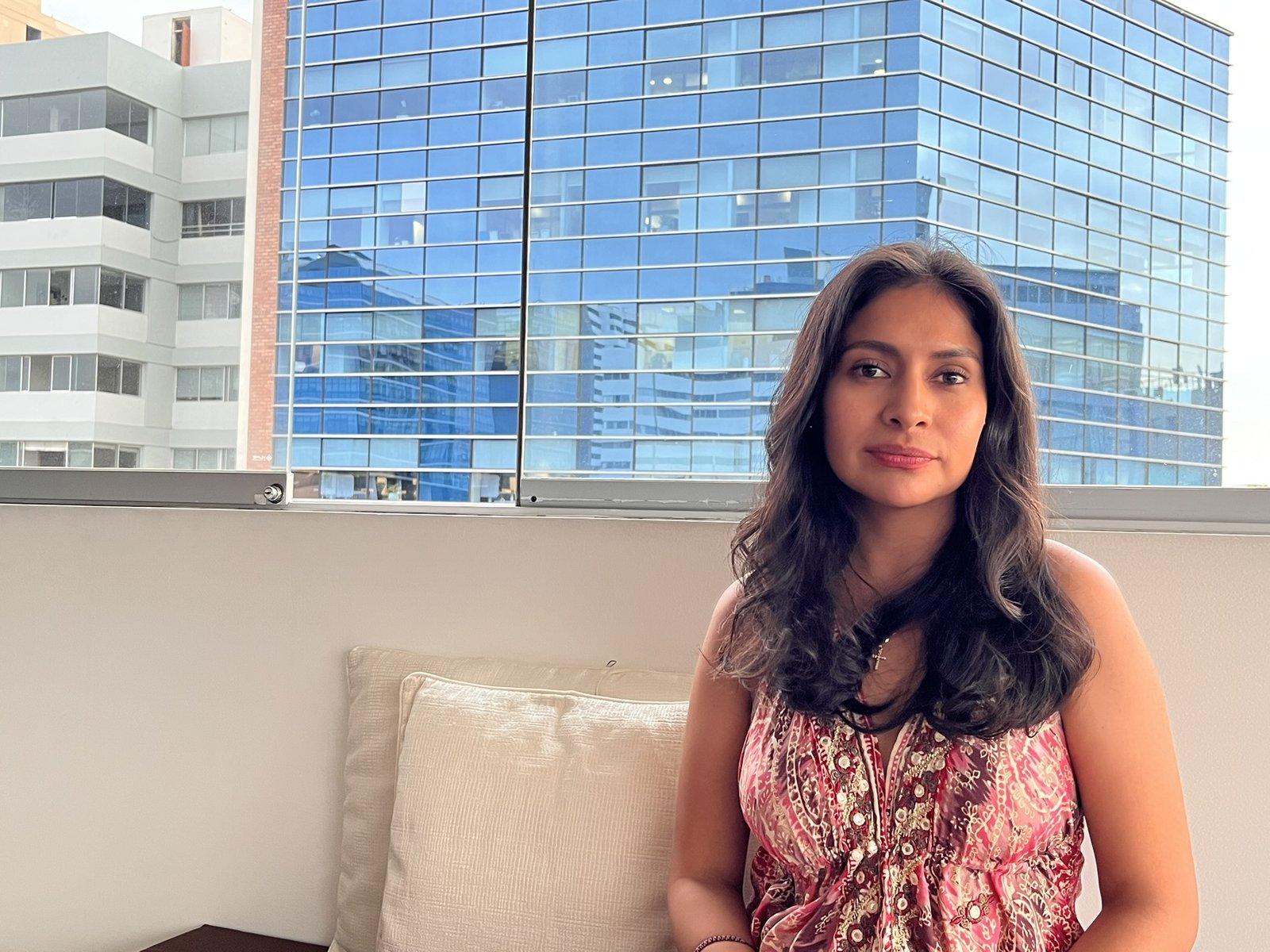
Peruvian journalist Geraldine Santos is only 30 years old, and she is already preparing for her funeral. Santos says she has received so many threats while reporting on cocaine trafficking and environmental crimes in the Amazon jungle that she has arranged for her family to contact a government source who, in case Santos is murdered, could help locate her body.
“At least that way my parents could give me a dignified burial,” Santos told CPJ in March on its mission to Lima, Peru, the capital, to assess the state of press freedom in the country.
The targeting of reporters by criminal groups combined with government hostility toward news media and weakened institutions have led to a steady erosion of press freedom in Peru, journalists, diplomats and legal experts told CPJ.
According to a report published this year by Voces del Sur, a network of 17 Latin American press freedom organizations, Peruvian public officials were responsible for 61% of attacks against news media in 2025. Regional journalists are the most frequent targets, and four journalists killed in Peru last year—Gastón Medina Sotomayor, Raúl Célis López, Juan Fernando Núñez Guevara, and Mitzar Castillejos Tenazoa— worked in small towns or cities outside the capital. Their murders marked the most journalist killings in a single year since the 1980s when the Peruvian government was waging war against Shining Path rebels.
“Every day you have the president, lawmakers and government ministers insulting and stigmatizing journalists,” says Rodrigo Salazar Zimmermann, president of the Peru Press Council, which represents private news organizations and defends press freedom. “It’s a perfect storm because no one inside the Peruvian government defends journalists. Rather, there’s an unofficial policy that if you attack or kill a journalist, nothing will happen to you.”
Press freedom under pressure
Peru is among several Latin American countries where press freedom is being steadily degraded. Nicaragua and Venezuela are run by authoritarian regimes that have radically rolled back press freedom, and CPJ has documented how presidents and politicians in Mexico, Brazil, El Salvador, Costa Rica, and Guatemala have taken steps to control the courts, oversight agencies and security forces, using them to suppress the opposition and intimidate journalists. Journalists are also being squeezed by new laws to control the foreign financing of civil society organizations that include independent news outlets.
Adding to Peru’s press freedom challenges is a security crisis marked by extortion rackets, contract killings and a 137% rise in homicides between 2018 and 2024. A report by Human Rights Watch says organized crime groups enjoy unusually favorable conditions in Peru due to political instability; Peru has had eight presidents in the past decade, and its Congress has passed so-called “pro-crime” laws that undermine the capacity of courts and prosecutors to go after criminals.
“There’s been a huge surge in organized crime,” says David Jara Espinoza, a public prosecutor who investigates crimes against human rights defenders, including journalists. “The atmosphere is extremely violent.”
Lethal crime spike
Amid intensifying organized crime, a result has been a spike in lethal violence against the news media. Government prosecutors told CPJ that there has been almost no progress in bringing Medina, Célis, Guevara, and Tenazoa’s killers to justice.
“These killings happen in a context of permanent harassment against journalists from all three branches of the government,” said Zuliana Lainez, president of the National Journalists Association. In its 2025 report, the association recorded 458 attacks against the press, a 17% increase from 2024 with nearly half of the attacks attributed to public officials.
Even the occasional victory for press freedom in Peru can be fleeting. In 2023, Daniel Urresti, a former army-intelligence-chief-turned-politician was sentenced to 12 years in prison for the 1988 murder of war correspondent Hugo Bustíos Saavedra. The sentencing marked the first time that the mastermind behind a journalist’s killing had ever been convicted in Peru.
But in February 2026, Peru’s Constitutional Court ordered Urresti’s release based on a controversial amnesty law which states that war crimes and crimes against humanity can only be prosecuted if they occurred after July 1, 2002. The law was approved last year by Congress with vocal support from the government’s human rights ombudsman despite breaching international standards that affirm such atrocities are not subject to statutes of limitations.
The liberation of Urresti “was a vulgar insult to the memory of all journalists who have been killed and to their family members who have been fighting for justice for so long,” Sharmelí Bustíos, Hugo’s daughter, told CPJ in an interview in Lima.
She added, “We had been told to prepare ourselves for such a ruling, but it still came as a shock.”
Peru’s presidential musical chairs
Peru’s political instability has further deteriorated working conditions for journalists. Amid corruption allegations, power grabs and impeachment hearings, Peru has cycled through a series of presidents in rapid succession and will elect yet another in runoff balloting on June 7. As they have come under scrutiny, many recent occupants of the presidential palace have treated reporters as enemies.
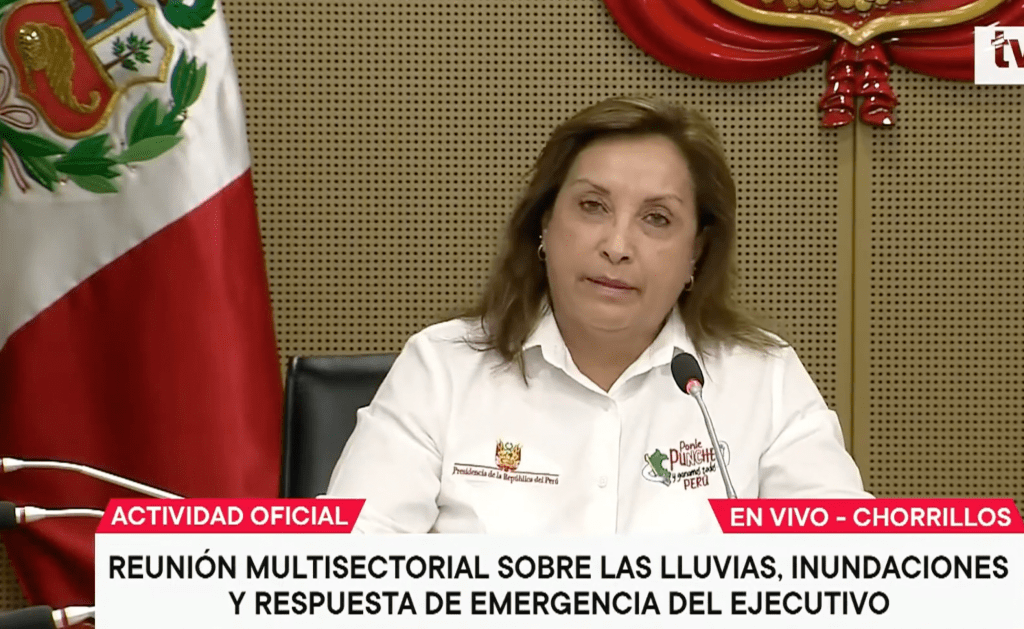
Before interim President José Jerí was removed from office in February 2026 on corruption allegations after serving for just four months, his bodyguards forcibly pulled a journalist out of a news conference for trying to ask a question. Then-president Dina Boluarte, who took office in 2022 and was impeached last year, accused journalists of coup-plotting and turned a blind eye to police violence against reporters covering protests against her government. Boluarte’s predecessor, Pedro Castillo, sworn-in in 2021, threatened journalists with criminal defamation lawsuits and banned many of them from his news conferences. Castillo was arrested in 2022 for trying to close down Congress and rule by decree.
As presidents have come and gone, so too have their ministers and top law enforcement officials. Between them, presidents Castillo and Boluarte cycled through 14 interior ministers. Peru has had four attorneys general since 2024 exposing a crisis that has been around since at least 2015. All this has put the brakes on investigations into attacks on journalists, said Jara, the public prosecutor.
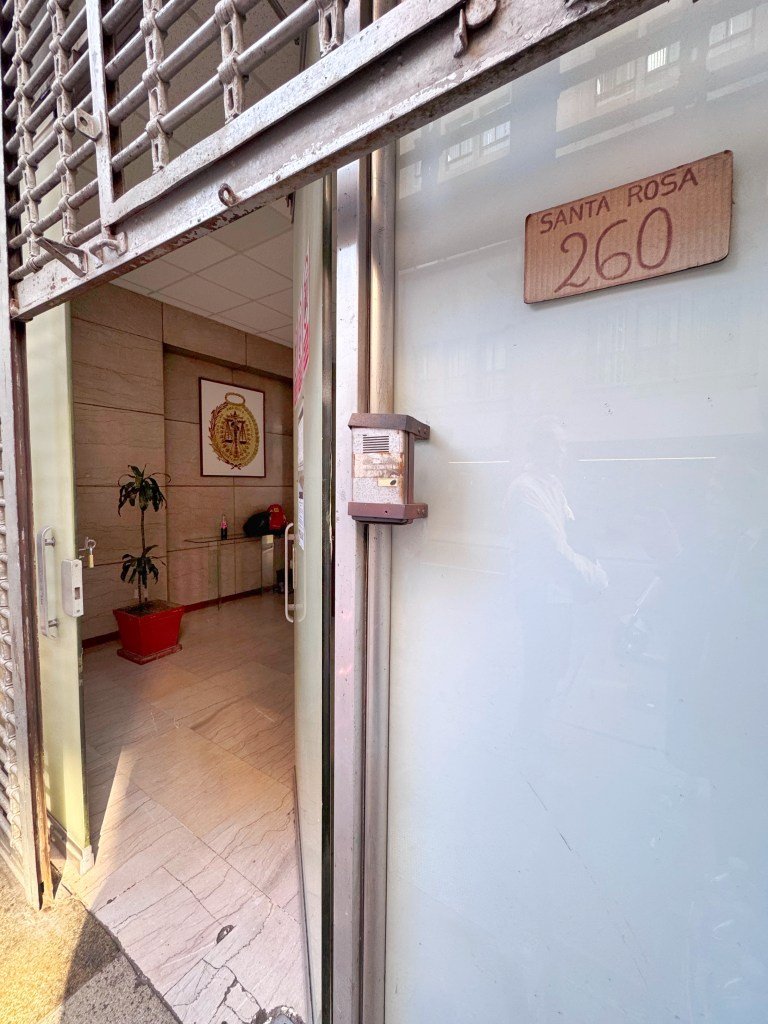
Jara points out that his unit has received only about 25% of the government funding it needs to carry out investigations—and it shows; his office is located in a cramped annex on the top floor of a decrepit building in downtown Lima where the street number is scribbled on a piece of cardboard stuck to the door.
“When a journalist is killed, we immediately jump on the case,” he said. “But it’s impossible to do this without financing. We don’t have drivers for our vehicles, and some of them are 20 years old.”
Congress under scrutiny
Amid disarray in the executive branch, Congress has emerged as Peru’s most powerful governmental institution. Yet more than half of its members are under investigation for corruption, influence peddling, sexual misconduct and other abuses. Even so, it has approved laws that promote impunity.
“Peru’s justice system, overall, is inadequate and slow. That has left the press as the main watchdog mechanism over politicians, economic elites and criminal organizations,” Roberto Pereira, a lawyer and board member for the Lima-based Institute for Press and Society (IPYS), told CPJ. “All this has turned the press into a target for politicians.”
Over the past decade, Pereira says Peruvian lawmakers have proposed 72 bills and initiatives to hamstring journalists. Most have been rejected, including a 2022 bill that sought to criminalize reporting based on leaked information about government investigations and a 2025 bill to increase penalties for defamation.
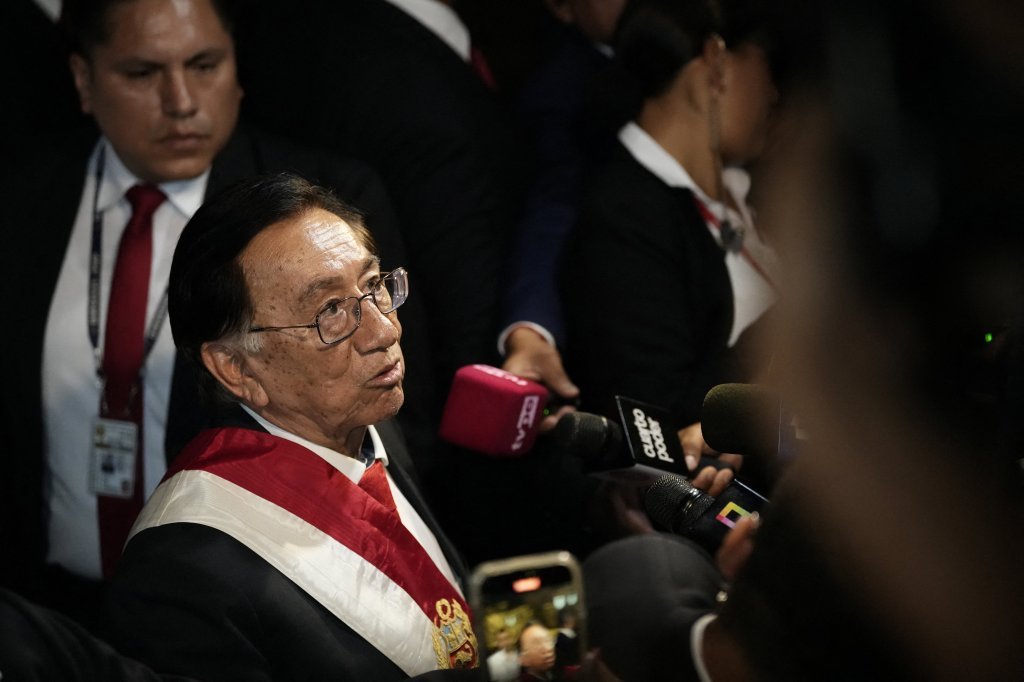
However, other regulations have been approved.
Last year, the Peruvian Congress amended a law to increase government scrutiny over foreign aid received by non-governmental organizations (NGOs). Many small, independent news organizations are registered as NGOs and rely on donations from abroad to operate. Now, news outlets must register their journalistic plans, projects and programs with the state-run Peruvian Agency for International Cooperation (APCI), which can approve or block such activities.
The so-called APCI law violates the right to professional secrecy, could lead to censorship of reporting critical of the government, and levies disproportionate penalties on news outlets that fail to comply, according to human rights groups. It’s also proving to be a bureaucratic nightmare. Fabiola Torres, the founder and editor of the Lima-based public health news site Salud con Lupa, told CPJ that she’s hired an accountant and a lawyer to deal with all the law’s requirements.
Regional reporters at risk
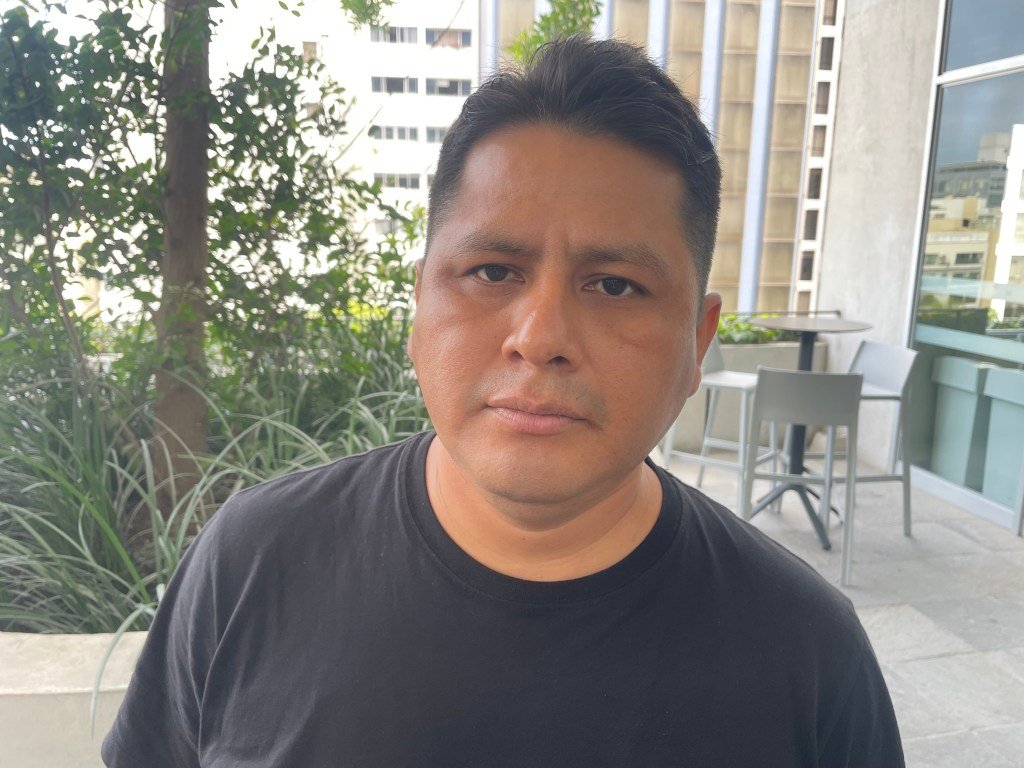
Conditions for Peruvian reporters in small towns and in the countryside are worse than in the capital. Most are freelancers who lack the support of large news organizations, leaving them more vulnerable to lawsuits, harassment and attacks. All four of the journalists killed last year were based in regional capitals or small towns.
Alejandro Alminco Ayala, a freelancer in the town of Puerto Inca, has been punched in the face by the mayor and threatened by illegal miners who recently sent the image of a pistol to his cell phone. He went into hiding for two weeks then began wearing a protective vest and sleeping in different houses to confuse possible attackers. Alminco points out that he’s the only journalist in town and feels a responsibility to his audience to keep reporting.
In addition, digital attacks and frivolous criminal defamation charges can be used to intimidate regional reporters who may lack the money to hire defense attorneys and pay other legal fees.
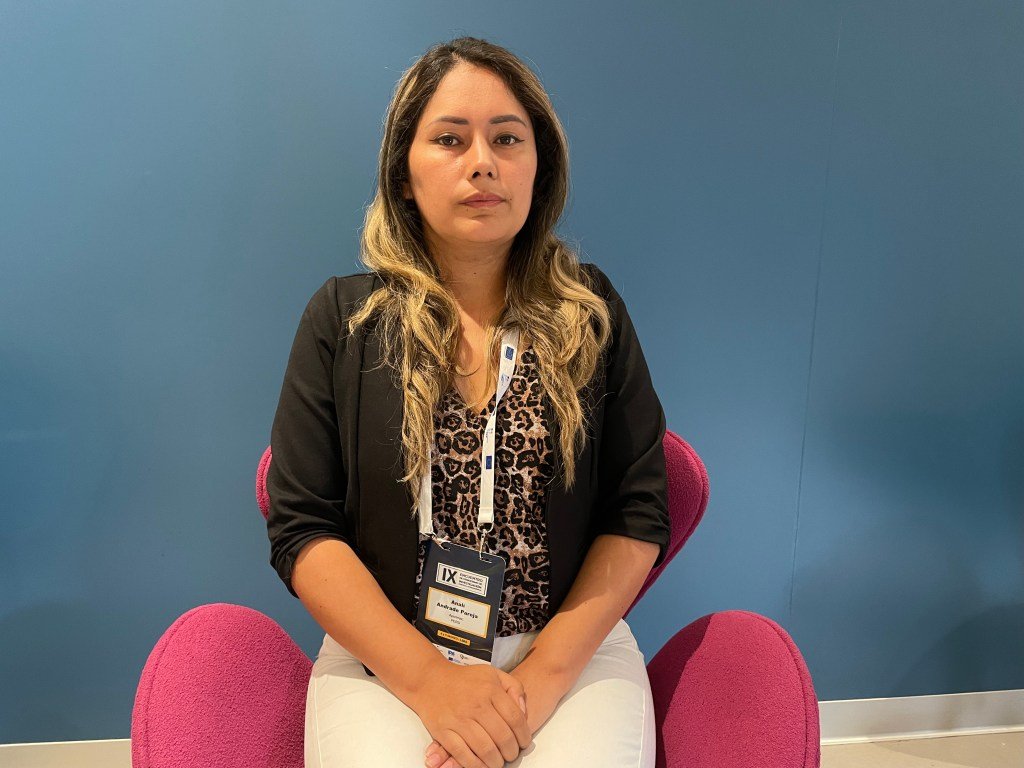
Analí Andrade, a radio news show host in the town of Andahuaylas, said that after reporting on allegations of corruption and sexual abuse by the mayor, she was targeted by anonymous online posts. They included distorted photos of the journalist, who was portrayed as a prostitute and labeled a “fornicator,” as well as her cell phone number.
She was also accused by the mayor of money laundering and of belonging to a criminal organization while last year his relatives burst into a radio studio, where she was broadcasting her news program, and forced her off the air.
“It was a systematic attack against me,” Andrade told CPJ. “I felt like I was being watched. I didn’t walk around on the streets. It seemed like I was the most hated person in town.”
Broken mechanism
In theory, threatened Peruvian journalists can seek help from the state-run protection mechanism for human rights defenders. Made up of nine government institutions including the ministries of justice and the interior, the unit began operating in 2021 with about 10% of its work involving journalists.
The mechanism has held workshops around the country, has provided security cameras and helped evacuate journalists from danger zones, and has set up a website to report threats. However, critics say the unit has been hampered by frequent cabinet changes and that it more often reacts to threats instead of taking proactive measures to prevent attacks. The mechanism had no previous contact with the four journalists who were killed last year.
In addition, the protection mechanism has failed to build trust among journalists who point out that most of the attacks against them come from public officials, some of whom work in cahoots with criminal groups. Several reporters told CPJ that they would not report threats to the mechanism.
“The mechanism is having no impact,” says Salazar of the Peru Press Council. “It lacks money and it’s just not a priority for the government.”
Luis Dominguez Vega, who heads the mechanism, called it a “safe space” but said many journalists don’t know it exists and pointed out that he can not “force” them to seek help from the institution.
The diplomatic community in Peru has also turned its back on the country’s journalists. Foreign embassies used to invite them to diplomatic functions, sponsor awards and training programs for reporters, and protest government attacks on the press. But amid a reduction in international aid, the shutdown of the U.S. Agency for International Development, and complaints from the Peruvian government about foreign intervention, silence prevails.
“When you have a strong international community, it can be a check on government abuses,” said Adriana León, freedom of information director at IPYS. “But the embassies are taking a step backwards. They have thrown in the towel.”
This year’s elections could change the dynamic, but León and other free press advocates are skeptical. Under a constitutional reform approved in 2024, Peru starting this year will have a bi-cameral legislature which could give even more power to lawmakers who have promoted impunity.
Meanwhile, the June 7 presidential runoff election pits former right-wing congresswoman Keiko Fujimori against left-wing congressman Roberto Sánchez who served as minister of Foreign Trade and Tourism under former president Pedro Castillo. Salazar, of the CPP, characterized both candidates as populists who could prove hostile to journalists.
“Whether from the left or the right, we view populism as a threat to freedom of expression,” he said. “No matter who wins, we are concerned about the impact they could have in the coming years on press freedom in Peru.”
Read the full article here
Fact Checker
Verify the accuracy of this article using AI-powered analysis and real-time sources.