

 Freedom Index
Listen to the article
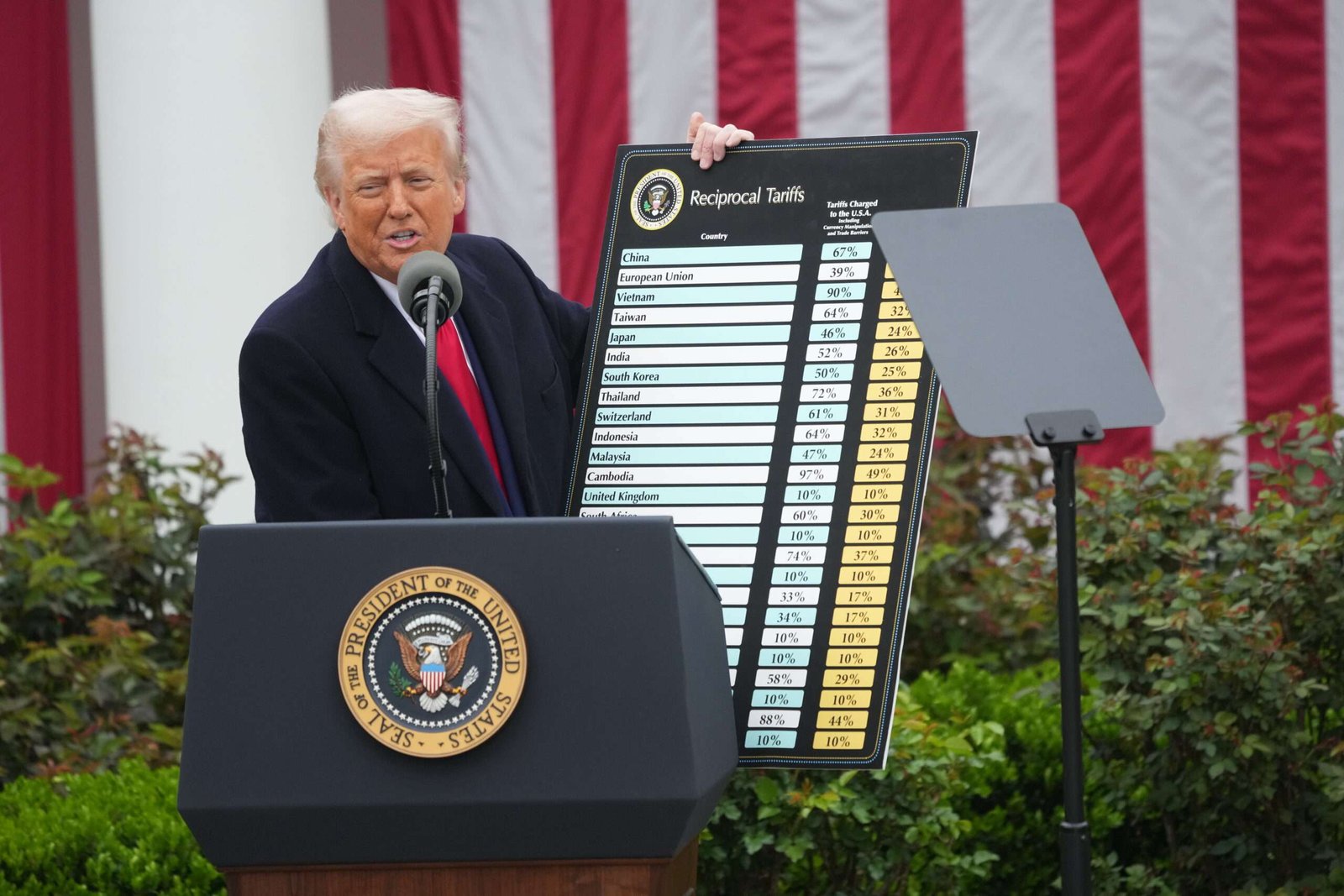
In February, the Supreme Court invalidated Trump’s International Emergency Economic Powers Act of 1977 (IEEPA) tariffs, which imposed tariffs of 10 percent or more on almost all U.S. trading partners… In a case I helped develop and litigate, the court’s 6-3 decision held that IEEPA does not authorize tariffs and that the president could not legally claim unlimited tariff authority. With the new Section 301 tariffs, Trump seeks to circumvent the Learning Resources v. Trump decision and once again enact a broad trade war without congressional authorization.
Unlike IEEPA, Section 301 does authorize tariffs. But it sets limits that Trump’s policy blatantly transgresses. Section 301(b), the provision Trump is relying on, allows the U.S. Trade Representative (USTR) to impose tariffs if it finds, after an investigation, that “an act, policy, or practice of a foreign country is unreasonable or discriminatory and burdens or restricts United States commerce.” In this case, the USTR claims the offending policies relate to the importation of goods supposedly made by forced labor.
Read the full article here
Fact Checker
Verify the accuracy of this article using AI-powered analysis and real-time sources.