Meta filed a patent for cameras that use facial recognition to tag people by name and auto-generate clips around their detected actions.
The system is assistant-driven: it serves pre-sorted “who did what, when” highlights to a phone or headset on request.
It’s a continuation of a 2022 parent application and sits at “Ready for Examination”—not granted, and far from a shipping feature.
Meta Platforms Technologies, the entity that holds Meta’s R&D and hardware intellectual property, published a patent for a camera system that identifies people by face and logs what they do.
The filing describes cameras feeding footage into an AI that tags individuals in frame, detects their actions, and bundles both into media clips served on demand to a phone or headset.
Myriad: When will OpenAI release GPT-6? Click to make your prediction.
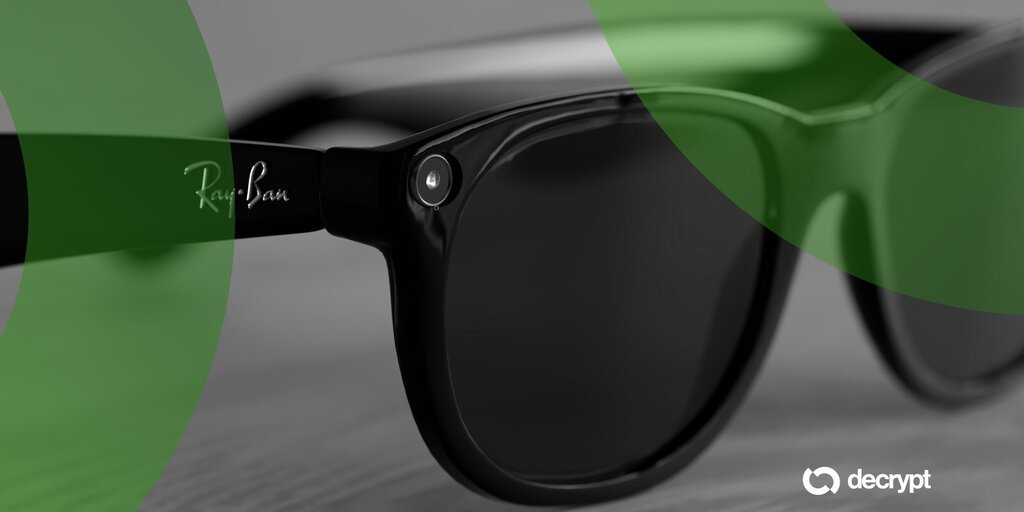
This isn’t a bolt-from-the-blue idea. Meta’s camera hardware has been on faces for years: the Ray-Ban smart glasses, now not so affectionately referred to as “pervert glasses” by much of the internet, built with EssilorLuxottica and first shipped in 2023, record first-person video and let the wearer ask an AI about what it sees.
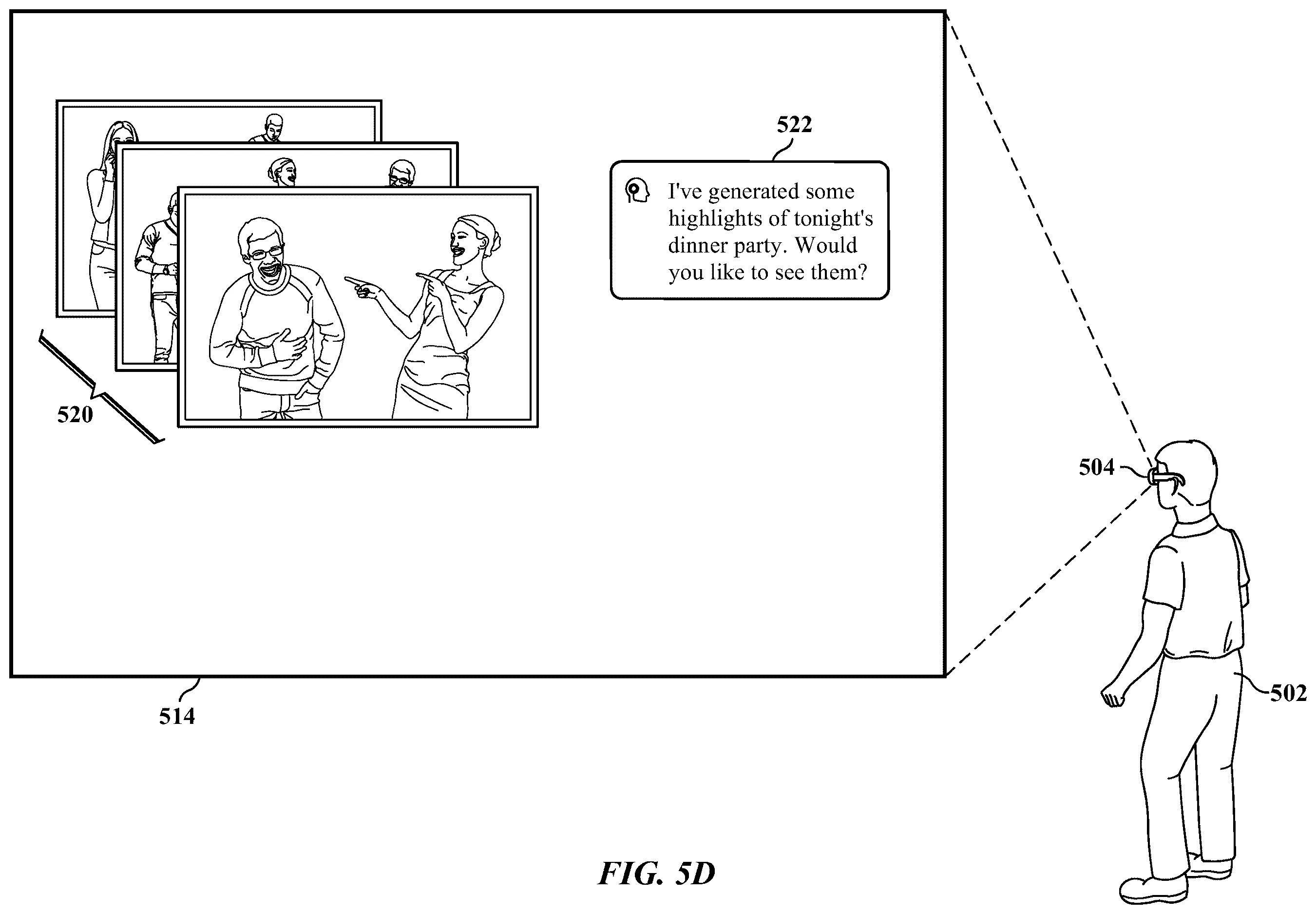
The same Meta entity behind those frames and the Quest headsets owns this filing, and the drawings show a glasses wearer observing a room of people. Facial recognition would take that hardware from “records what I point at” to “knows and names who’s in the room.”
How the pipeline runs
The patent lays out a four-step loop. Cameras capture live or recorded footage and pass it to the system. A facial-recognition layer scans the frames to flag who is present—not just that a person is there, but which specific person.
A separate action-detection layer runs on top of that, reading movements like picking something up, leaving a room, or a group gathering. Finally, the system bundles its findings into individual media files, each tagged with a person, an action, or both.
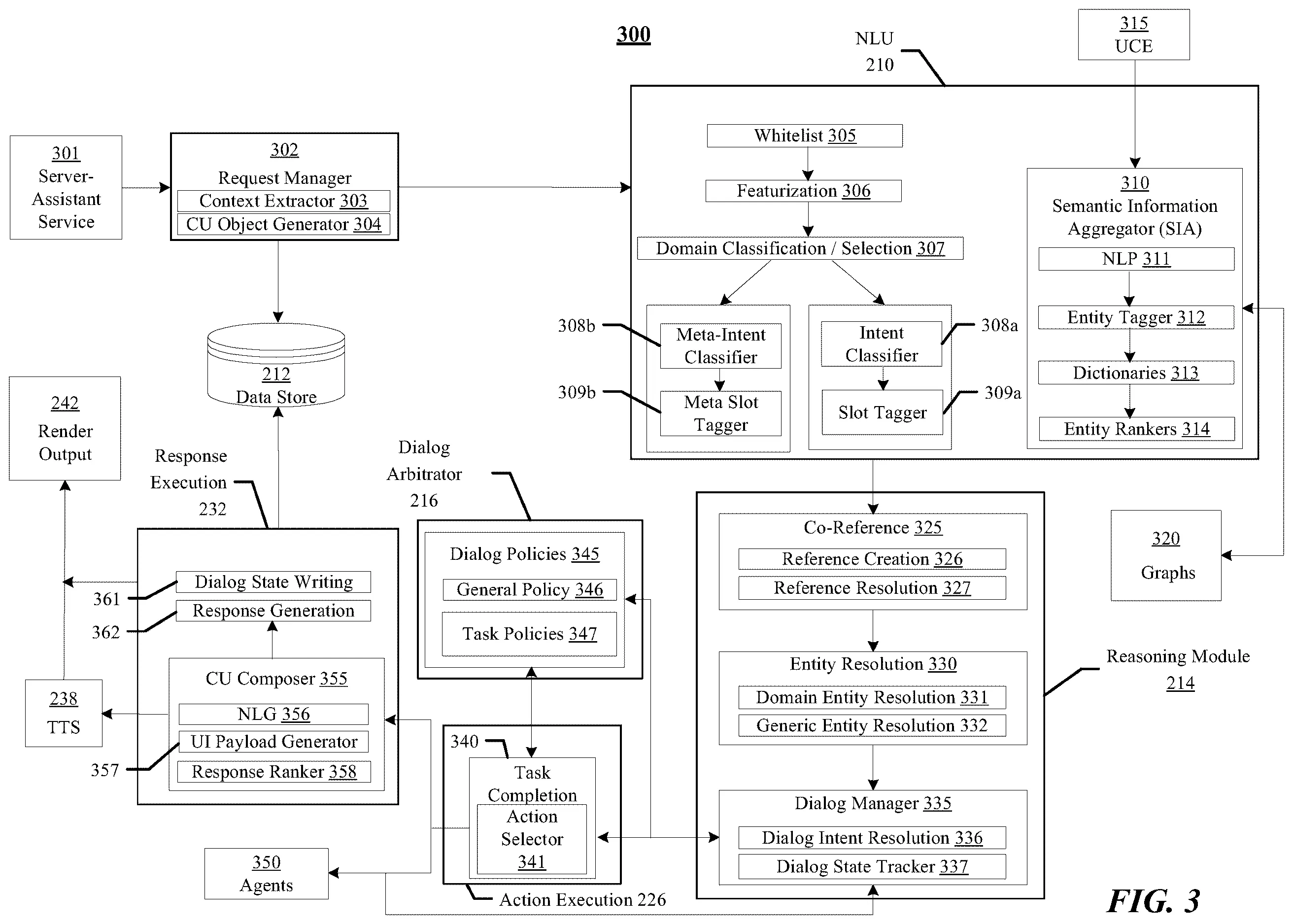
What makes it more than a smart doorbell is the assistant layer. The filing frames retrieval as conversational: a connected device can request footage by query, and the system composes the answer from the tagged clips rather than making you scrub. The drawings map both server-side and on-device processing flows, with a natural-language understanding pipeline feeding the clip composer.
The part that draws fire is the capability itself—identifying and logging specific people by face without their active consent. That’s the exact worry Democratic senators raised when they pressed Meta over facial recognition in its smart glasses. As previously reported by Decrypt, the senators’ warned that real-time face ID could expose people to stalking and harassment.
Meta’s own hardware already sits at the center of that fight. Owners of the recently released Ray-Ban glasses from Meta were able to quietly record strangers in public and contractors reviewed private footage. A wearable camera that also names the strangers would widen the gap between Meta’s “helpful assistant” framing and what the tech can do—and the public is already building defenses.
It’s a patent, not a product. The status is “Ready for Examination,” with Patentlyze rating grant likelihood as medium. Meta has filed similar computer-vision work for glasses before, and publication means the idea is on the record, not that the feature is built or approved.
Daily Debrief Newsletter
Start every day with the top news stories right now, plus original features, a podcast, videos and more.
The FSNN News Room is the voice of our in-house journalists, editors, and researchers. We deliver timely, unbiased reporting at the crossroads of finance, cryptocurrency, and global politics, providing clear, fact-driven analysis free from agendas.
We and our selected partners wish to use cookies to collect information about you for functional purposes and statistical marketing. You may not give us your consent for certain purposes by selecting an option and you can withdraw your consent at any time via the cookie icon.
Cookies are small text that can be used by websites to make the user experience more efficient. The law states that we may store cookies on your device if they are strictly necessary for the operation of this site. For all other types of cookies, we need your permission. This site uses various types of cookies. Some cookies are placed by third party services that appear on our pages.
Your permission applies to the following domains:
https://fsnn.net
Necessary
Necessary cookies help make a website usable by enabling basic functions like page navigation and access to secure areas of the website. The website cannot function properly without these cookies.
Statistic
Statistic cookies help website owners to understand how visitors interact with websites by collecting and reporting information anonymously.
Preferences
Preference cookies enable a website to remember information that changes the way the website behaves or looks, like your preferred language or the region that you are in.
Marketing
Marketing cookies are used to track visitors across websites. The intention is to display ads that are relevant and engaging for the individual user and thereby more valuable for publishers and third party advertisers.


 Freedom Index