Close Menu
FSNN | Free Speech News NetworkFSNN | Free Speech News Network
  • Home
  • News
    • Politics
    • Legal & Courts
    • Tech & Big Tech
    • Campus & Education
    • Media & Culture
    • Global Free Speech
  • Opinions
    • Debates
  • Video/Live
  • Community
  • Freedom Index
  • About
    • Mission
    • Contact
    • Support
Trending

Ukrainian journalists detained in Austria; authorities must urgently explain why

40 seconds ago

UK targets Cryptomus, TokenSpot, and payment platforms in new Russia-focused crackdowns

10 minutes ago

HSBC Tests AI-Powered Payments With Blockchain Deposits

18 minutes ago
Facebook X (Twitter) Instagram
Facebook X (Twitter) Discord Telegram
FSNN | Free Speech News NetworkFSNN | Free Speech News Network
Market Data Newsletter
Friday, October 9
  • Home
  • News
    • Politics
    • Legal & Courts
    • Tech & Big Tech
    • Campus & Education
    • Media & Culture
    • Global Free Speech
  • Opinions
    • Debates
  • Video/Live
  • Community
  • Freedom Index
  • About
    • Mission
    • Contact
    • Support
FSNN | Free Speech News NetworkFSNN | Free Speech News Network
Home»News»Global Free Speech»Lulwa al-Hussainan criticised Kuwait’s Minister of Interior, Fahad Al-Yousef (Main pic: Lana71/WikiCommons; alt pic: taken from Gulf Centre for Human Rights appeal) These are the poignant words of Lulwa al-Hussainan, the Kuwaiti human rights defender known for her outspoken criticism of government policies and her activism on social media. Her criticism of the Minister of Interior, Fahad Al-Yousef, put her in the crosshairs of the authorities, and after facing intimidation and trumped-up charges in connection with her activism, she was forced to flee Kuwait in December 2024. This year she also had her citizenship revoked. Al-Hussainan told Index that she had been inspired to become an activist from an early age. “From a young age I read a great deal, and that reading taught me to stand with anyone who is wronged and to support them,” she said. Her first experience of being targeted for standing up for what she believed in came in June 2021, when she was arrested and detained alongside her husband during a sit-in at Al-Erada Square. Speaking on social media after the event, al-Hussainan said: “They insulted and verbally abused me, and out of spite, they even insulted my deceased and wronged grandfather, the late Musafir Abdulkarim Mahshoum.” Musafir Abdulkarim was a 38-year-old actor born and raised in Kuwait, of Iraqi descent. He was accused of treason by the Kuwaiti authorities when Iraq invaded Kuwait and was executed in 1991. The family strongly deny he was a spy and says it was a fabricated charge. Lulwa al-Hussainan’s profile on social media – where she has built a substantial following – describes herself as a “Granddaughter of a martyr who loved the homeland”, although she made clear that her biggest call to action is through moral obligation rather than family ties. “What inspires me to stand with the oppressed is that it is the right thing to do,” she said. “In my country we used to have a measure of freedom of opinion. Now many people are in prison unjustly because of a word or a view, and they have been beaten, humiliated, and tortured.” Despite her arrest in 2021, al-Hussainan continued to speak out. Her criticism of government policies increased with a vocal campaign against Kuwait’s campaign to revoke citizenships. Authorities in the state have used citizenship as a political weapon against dissidents and critics for years, with an estimated 70,000 Kuwaitis having had their citizenship revoked since the launch of an unprecedented government campaign in March 2024. The repressive tactic has drawn criticism from the international community, condemned as a thinly-veiled attempt to silence opposition with a disproportionate impact on women and minorities. “What inspires me to stand with the oppressed is that it is the right thing to do” Although she wasn’t the only one to voice concerns around the campaign, al-Hussainan’s criticisms of the policy attracted online publicity and support, and subsequently the attention of the authorities. It was this that led to her clash with Interior Minister Al-Yousef.  “I spoke about the revocation of citizenship and defended people who were wronged,” al-Hussainan explained. “They obtained citizenship in accordance with the law, they are not forgers.” “Because of what I said and the position I took, I was summoned by State Security, and the Minister of Interior assaulted me.” According to al-Hussainan, she was reprimanded by Al-Yousef for her posts on X and for impinging on the authority of the Emir and was subjected to beatings and solitary confinement in a freezing cell during this meeting. By the time she was released, her health had severely deteriorated. She subsequently fled the country to seek refuge in the UK.  After leaving Kuwait in December 2024, al-Hussainan was sentenced twice: in March 2025 she was sentenced to three years in prison for “insulting the Emir,” a sentence overturned three months later. In January 2026, she received a second sentence from the Kuwaiti Criminal Court, this time for five years in prison on the same charge. The verdict was widely seen to be a political decision meant to undermine her criticisms of the state rather than a legitimate case.  Posting on social media in the aftermath, al-Hussainan said: “What is happening is the height of a catastrophe. Fahad Al-Yousef is using the war as a pretext to justify his injustice and tyranny, and he is wielding his power as a sword against the people.” In a terrible irony, the very policy al-Hussainan was targeted for opposing was used against her as she was stripped of her citizenship in 2026, along with several other Kuwaiti activists and dissidents residing abroad. While still living in exile, her brother Abdullah Nasser Al-Hussainan – himself a content creator who makes and posts comedic videos on YouTube – was arrested and charged in what Lulwa believes was retribution for her activism and an attempt to intimidate her into silence.  Posting CCTV footage of the arrest on X, she stated: “This video proves my brother was kidnapped right in front of the house. Fahad Al-Youssef is escalating his animosity and taking revenge on me by kidnapping my brother. Unfortunately, in Kuwait, people get kidnapped from their homes.” I was summoned by State Security, and the Minister of Interior assaulted me Al-Hussainan told Index that she misses Kuwait, but she is resigned to her fate for as long as she continues to fight for what she believes in. “I still miss my country, my family, and my friends,” she said. “But I have no choice but to remain in exile. If I return, my fate in Kuwait will be prison.” Despite her current predicament and the charges brought against her and her family by the state, she remains outspoken on social media and continues to demand a review of the mass citizenship revocations and to peacefully protest against the oppressive Kuwaiti regime. In this way, al-Hussainan is the perfect example of how not to be silent. READ MORE
Global Free Speech

Lulwa al-Hussainan criticised Kuwait’s Minister of Interior, Fahad Al-Yousef (Main pic: Lana71/WikiCommons; alt pic: taken from Gulf Centre for Human Rights appeal) These are the poignant words of Lulwa al-Hussainan, the Kuwaiti human rights defender known for her outspoken criticism of government policies and her activism on social media. Her criticism of the Minister of Interior, Fahad Al-Yousef, put her in the crosshairs of the authorities, and after facing intimidation and trumped-up charges in connection with her activism, she was forced to flee Kuwait in December 2024. This year she also had her citizenship revoked. Al-Hussainan told Index that she had been inspired to become an activist from an early age. “From a young age I read a great deal, and that reading taught me to stand with anyone who is wronged and to support them,” she said. Her first experience of being targeted for standing up for what she believed in came in June 2021, when she was arrested and detained alongside her husband during a sit-in at Al-Erada Square. Speaking on social media after the event, al-Hussainan said: “They insulted and verbally abused me, and out of spite, they even insulted my deceased and wronged grandfather, the late Musafir Abdulkarim Mahshoum.” Musafir Abdulkarim was a 38-year-old actor born and raised in Kuwait, of Iraqi descent. He was accused of treason by the Kuwaiti authorities when Iraq invaded Kuwait and was executed in 1991. The family strongly deny he was a spy and says it was a fabricated charge. Lulwa al-Hussainan’s profile on social media – where she has built a substantial following – describes herself as a “Granddaughter of a martyr who loved the homeland”, although she made clear that her biggest call to action is through moral obligation rather than family ties. “What inspires me to stand with the oppressed is that it is the right thing to do,” she said. “In my country we used to have a measure of freedom of opinion. Now many people are in prison unjustly because of a word or a view, and they have been beaten, humiliated, and tortured.” Despite her arrest in 2021, al-Hussainan continued to speak out. Her criticism of government policies increased with a vocal campaign against Kuwait’s campaign to revoke citizenships. Authorities in the state have used citizenship as a political weapon against dissidents and critics for years, with an estimated 70,000 Kuwaitis having had their citizenship revoked since the launch of an unprecedented government campaign in March 2024. The repressive tactic has drawn criticism from the international community, condemned as a thinly-veiled attempt to silence opposition with a disproportionate impact on women and minorities. “What inspires me to stand with the oppressed is that it is the right thing to do” Although she wasn’t the only one to voice concerns around the campaign, al-Hussainan’s criticisms of the policy attracted online publicity and support, and subsequently the attention of the authorities. It was this that led to her clash with Interior Minister Al-Yousef.  “I spoke about the revocation of citizenship and defended people who were wronged,” al-Hussainan explained. “They obtained citizenship in accordance with the law, they are not forgers.” “Because of what I said and the position I took, I was summoned by State Security, and the Minister of Interior assaulted me.” According to al-Hussainan, she was reprimanded by Al-Yousef for her posts on X and for impinging on the authority of the Emir and was subjected to beatings and solitary confinement in a freezing cell during this meeting. By the time she was released, her health had severely deteriorated. She subsequently fled the country to seek refuge in the UK.  After leaving Kuwait in December 2024, al-Hussainan was sentenced twice: in March 2025 she was sentenced to three years in prison for “insulting the Emir,” a sentence overturned three months later. In January 2026, she received a second sentence from the Kuwaiti Criminal Court, this time for five years in prison on the same charge. The verdict was widely seen to be a political decision meant to undermine her criticisms of the state rather than a legitimate case.  Posting on social media in the aftermath, al-Hussainan said: “What is happening is the height of a catastrophe. Fahad Al-Yousef is using the war as a pretext to justify his injustice and tyranny, and he is wielding his power as a sword against the people.” In a terrible irony, the very policy al-Hussainan was targeted for opposing was used against her as she was stripped of her citizenship in 2026, along with several other Kuwaiti activists and dissidents residing abroad. While still living in exile, her brother Abdullah Nasser Al-Hussainan – himself a content creator who makes and posts comedic videos on YouTube – was arrested and charged in what Lulwa believes was retribution for her activism and an attempt to intimidate her into silence.  Posting CCTV footage of the arrest on X, she stated: “This video proves my brother was kidnapped right in front of the house. Fahad Al-Youssef is escalating his animosity and taking revenge on me by kidnapping my brother. Unfortunately, in Kuwait, people get kidnapped from their homes.” I was summoned by State Security, and the Minister of Interior assaulted me Al-Hussainan told Index that she misses Kuwait, but she is resigned to her fate for as long as she continues to fight for what she believes in. “I still miss my country, my family, and my friends,” she said. “But I have no choice but to remain in exile. If I return, my fate in Kuwait will be prison.” Despite her current predicament and the charges brought against her and her family by the state, she remains outspoken on social media and continues to demand a review of the mass citizenship revocations and to peacefully protest against the oppressive Kuwaiti regime. In this way, al-Hussainan is the perfect example of how not to be silent. READ MORE

News RoomBy News Room1 hour agoNo Comments5 Mins Read0 Views
Share Facebook Twitter Pinterest Copy Link LinkedIn Tumblr Email VKontakte Telegram
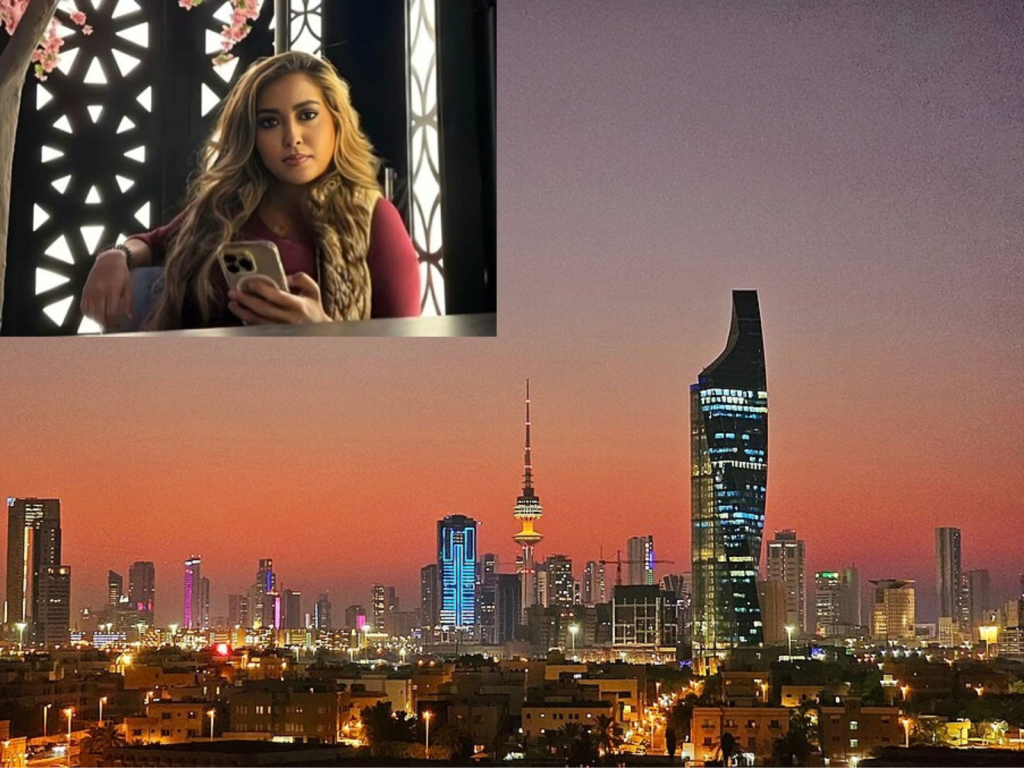
Lulwa al-Hussainan criticised Kuwait’s Minister of Interior, Fahad Al-Yousef (Main pic: Lana71/WikiCommons; alt pic: taken from Gulf Centre for Human Rights appeal)


				These are the poignant words of Lulwa al-Hussainan, the Kuwaiti human rights defender known for her outspoken criticism of government policies and her activism on social media. Her criticism of the Minister of Interior, Fahad Al-Yousef, put her in the crosshairs of the authorities, and after facing intimidation and trumped-up charges in connection with her activism, she was forced to flee Kuwait in December 2024. This year she also had her citizenship revoked.
Al-Hussainan told Index that she had been inspired to become an activist from an early age. “From a young age I read a great deal, and that reading taught me to stand with anyone who is wronged and to support them,” she said.
Her first experience of being targeted for standing up for what she believed in came in June 2021, when she was arrested and detained alongside her husband during a sit-in at Al-Erada Square. Speaking on social media after the event, al-Hussainan said: “They insulted and verbally abused me, and out of spite, they even insulted my deceased and wronged grandfather, the late Musafir Abdulkarim Mahshoum.”
Musafir Abdulkarim was a 38-year-old actor born and raised in Kuwait, of Iraqi descent. He was accused of treason by the Kuwaiti authorities when Iraq invaded Kuwait and was executed in 1991. The family strongly deny he was a spy and says it was a fabricated charge. Lulwa al-Hussainan’s profile on social media – where she has built a substantial following – describes herself as a “Granddaughter of a martyr who loved the homeland”, although she made clear that her biggest call to action is through moral obligation rather than family ties.
“What inspires me to stand with the oppressed is that it is the right thing to do,” she said. “In my country we used to have a measure of freedom of opinion. Now many people are in prison unjustly because of a word or a view, and they have been beaten, humiliated, and tortured.”
Despite her arrest in 2021, al-Hussainan continued to speak out. Her criticism of government policies increased with a vocal campaign against Kuwait’s campaign to revoke citizenships. Authorities in the state have used citizenship as a political weapon against dissidents and critics for years, with an estimated 70,000 Kuwaitis having had their citizenship revoked since the launch of an unprecedented government campaign in March 2024. The repressive tactic has drawn criticism from the international community, condemned as a thinly-veiled attempt to silence opposition with a disproportionate impact on women and minorities.

“What inspires me to stand with the oppressed is that it is the right thing to do”

Although she wasn’t the only one to voice concerns around the campaign, al-Hussainan’s criticisms of the policy attracted online publicity and support, and subsequently the attention of the authorities. It was this that led to her clash with Interior Minister Al-Yousef. 
“I spoke about the revocation of citizenship and defended people who were wronged,” al-Hussainan explained. “They obtained citizenship in accordance with the law, they are not forgers.”
“Because of what I said and the position I took, I was summoned by State Security, and the Minister of Interior assaulted me.”
According to al-Hussainan, she was reprimanded by Al-Yousef for her posts on X and for impinging on the authority of the Emir and was subjected to beatings and solitary confinement in a freezing cell during this meeting. By the time she was released, her health had severely deteriorated. She subsequently fled the country to seek refuge in the UK. 
After leaving Kuwait in December 2024, al-Hussainan was sentenced twice: in March 2025 she was sentenced to three years in prison for “insulting the Emir,” a sentence overturned three months later. In January 2026, she received a second sentence from the Kuwaiti Criminal Court, this time for five years in prison on the same charge. The verdict was widely seen to be a political decision meant to undermine her criticisms of the state rather than a legitimate case. 
Posting on social media in the aftermath, al-Hussainan said: “What is happening is the height of a catastrophe. Fahad Al-Yousef is using the war as a pretext to justify his injustice and tyranny, and he is wielding his power as a sword against the people.”
In a terrible irony, the very policy al-Hussainan was targeted for opposing was used against her as she was stripped of her citizenship in 2026, along with several other Kuwaiti activists and dissidents residing abroad. While still living in exile, her brother Abdullah Nasser Al-Hussainan – himself a content creator who makes and posts comedic videos on YouTube – was arrested and charged in what Lulwa believes was retribution for her activism and an attempt to intimidate her into silence. 
Posting CCTV footage of the arrest on X, she stated: “This video proves my brother was kidnapped right in front of the house. Fahad Al-Youssef is escalating his animosity and taking revenge on me by kidnapping my brother. Unfortunately, in Kuwait, people get kidnapped from their homes.”

I was summoned by State Security, and the Minister of Interior assaulted me

Al-Hussainan told Index that she misses Kuwait, but she is resigned to her fate for as long as she continues to fight for what she believes in.
“I still miss my country, my family, and my friends,” she said. “But I have no choice but to remain in exile. If I return, my fate in Kuwait will be prison.”
Despite her current predicament and the charges brought against her and her family by the state, she remains outspoken on social media and continues to demand a review of the mass citizenship revocations and to peacefully protest against the oppressive Kuwaiti regime. In this way, al-Hussainan is the perfect example of how not to be silent.


				READ MORE
Share
Facebook Twitter Pinterest Email Copy Link

Listen to the article

0:00
0:00

Key Takeaways

Playback Speed

Select a Voice

These are the poignant words of Lulwa al-Hussainan, the Kuwaiti human rights defender known for her outspoken criticism of government policies and her activism on social media. Her criticism of the Minister of Interior, Fahad Al-Yousef, put her in the crosshairs of the authorities, and after facing intimidation and trumped-up charges in connection with her activism, she was forced to flee Kuwait in December 2024. This year she also had her citizenship revoked.

Al-Hussainan told Index that she had been inspired to become an activist from an early age. “From a young age I read a great deal, and that reading taught me to stand with anyone who is wronged and to support them,” she said.

Her first experience of being targeted for standing up for what she believed in came in June 2021, when she was arrested and detained alongside her husband during a sit-in at Al-Erada Square. Speaking on social media after the event, al-Hussainan said: “They insulted and verbally abused me, and out of spite, they even insulted my deceased and wronged grandfather, the late Musafir Abdulkarim Mahshoum.”

Musafir Abdulkarim was a 38-year-old actor born and raised in Kuwait, of Iraqi descent. He was accused of treason by the Kuwaiti authorities when Iraq invaded Kuwait and was executed in 1991. The family strongly deny he was a spy and says it was a fabricated charge. Lulwa al-Hussainan’s profile on social media – where she has built a substantial following – describes herself as a “Granddaughter of a martyr who loved the homeland”, although she made clear that her biggest call to action is through moral obligation rather than family ties.

“What inspires me to stand with the oppressed is that it is the right thing to do,” she said. “In my country we used to have a measure of freedom of opinion. Now many people are in prison unjustly because of a word or a view, and they have been beaten, humiliated, and tortured.”

Despite her arrest in 2021, al-Hussainan continued to speak out. Her criticism of government policies increased with a vocal campaign against Kuwait’s campaign to revoke citizenships. Authorities in the state have used citizenship as a political weapon against dissidents and critics for years, with an estimated 70,000 Kuwaitis having had their citizenship revoked since the launch of an unprecedented government campaign in March 2024. The repressive tactic has drawn criticism from the international community, condemned as a thinly-veiled attempt to silence opposition with a disproportionate impact on women and minorities.

“What inspires me to stand with the oppressed is that it is the right thing to do”

Although she wasn’t the only one to voice concerns around the campaign, al-Hussainan’s criticisms of the policy attracted online publicity and support, and subsequently the attention of the authorities. It was this that led to her clash with Interior Minister Al-Yousef. 

“I spoke about the revocation of citizenship and defended people who were wronged,” al-Hussainan explained. “They obtained citizenship in accordance with the law, they are not forgers.”

“Because of what I said and the position I took, I was summoned by State Security, and the Minister of Interior assaulted me.”

According to al-Hussainan, she was reprimanded by Al-Yousef for her posts on X and for impinging on the authority of the Emir and was subjected to beatings and solitary confinement in a freezing cell during this meeting. By the time she was released, her health had severely deteriorated. She subsequently fled the country to seek refuge in the UK. 

After leaving Kuwait in December 2024, al-Hussainan was sentenced twice: in March 2025 she was sentenced to three years in prison for “insulting the Emir,” a sentence overturned three months later. In January 2026, she received a second sentence from the Kuwaiti Criminal Court, this time for five years in prison on the same charge. The verdict was widely seen to be a political decision meant to undermine her criticisms of the state rather than a legitimate case. 

Posting on social media in the aftermath, al-Hussainan said: “What is happening is the height of a catastrophe. Fahad Al-Yousef is using the war as a pretext to justify his injustice and tyranny, and he is wielding his power as a sword against the people.”

In a terrible irony, the very policy al-Hussainan was targeted for opposing was used against her as she was stripped of her citizenship in 2026, along with several other Kuwaiti activists and dissidents residing abroad. While still living in exile, her brother Abdullah Nasser Al-Hussainan – himself a content creator who makes and posts comedic videos on YouTube – was arrested and charged in what Lulwa believes was retribution for her activism and an attempt to intimidate her into silence. 

Posting CCTV footage of the arrest on X, she stated: “This video proves my brother was kidnapped right in front of the house. Fahad Al-Youssef is escalating his animosity and taking revenge on me by kidnapping my brother. Unfortunately, in Kuwait, people get kidnapped from their homes.”

I was summoned by State Security, and the Minister of Interior assaulted me

Al-Hussainan told Index that she misses Kuwait, but she is resigned to her fate for as long as she continues to fight for what she believes in.

“I still miss my country, my family, and my friends,” she said. “But I have no choice but to remain in exile. If I return, my fate in Kuwait will be prison.”

Despite her current predicament and the charges brought against her and her family by the state, she remains outspoken on social media and continues to demand a review of the mass citizenship revocations and to peacefully protest against the oppressive Kuwaiti regime. In this way, al-Hussainan is the perfect example of how not to be silent.

Read the full article here

Fact Checker

Verify the accuracy of this article using AI-powered analysis and real-time sources.

Get Your Fact Check Report

Enter your email to receive detailed fact-checking analysis

5 free reports remaining

Continue with Full Access

You've used your 5 free reports. Sign up for unlimited access!

Already have an account? Sign in here

Share. Facebook Twitter Pinterest LinkedIn Tumblr Email Telegram Copy Link
News Room
  • Website
  • Facebook
  • X (Twitter)
  • Instagram
  • LinkedIn

The FSNN News Room is the voice of our in-house journalists, editors, and researchers. We deliver timely, unbiased reporting at the crossroads of finance, cryptocurrency, and global politics, providing clear, fact-driven analysis free from agendas.

Related Articles

Global Free Speech

Ukrainian journalists detained in Austria; authorities must urgently explain why

40 seconds ago
Global Free Speech

South African journalist faces death threats after anti-migrant activist publishes his number

1 hour ago
Global Free Speech

One thing I learnt this week: that the plague, in its various strains, never went away, and in fact still kills people in tiny pockets of the globe. One thing I didn’t learn this week: how a 28-year-old lab technician called Daria Shipilova managed to catch, then die from, pneumonic plague. If indeed it was the plague that killed her, because Russian authorities have censored so much about the incident that the dominant story – about it leaking, infecting and killing Shipilova, who worked at an anti-plague research institute in Irkutsk and thus must have been wearing a hazmat suit precisely so she wouldn’t be exposed to the disease – doesn’t make much sense. But then, nor do any of the other theories circulating at the moment. Indeed, we may never know the truth because Putin, the Kremlin, Russia.   Over the last week, media outlets and state officials in Russia have been busy deleting or moderating reports about Shipilova’s death. Last Friday, the governor of Buryatia, which directly borders the impacted Irkutsk region, wrote that a woman in Irkutsk “had died of plague”. The statement was later edited to say she had “possibly” died of plague. On Saturday, the authorities in Baikalsk urged residents to avoid Shelekhov – home to the hospital Shipilova died in – and nearby towns because of “unofficial information about a confirmed case of plague”. The post, on Telegram, disappeared within two hours. On Monday, Russian daily Kommersant quoted a report by US media outlet Axios, about the US monitoring claims of a possible outbreak; the Kommersant article and accompanying Telegram post were deleted 25 minutes later. Speaking to the press about the situation, Kremlin spokesperson Dmitry Peskov told journalists to “stick to the official statements” and ignore “rumours and speculation”. In other words, keep quiet or expect a visit from the FSB. As it happens, FSB operatives were seen escorting ambulances taking people who had been in contact with Shipilova for medical screenings.  Igor Kobzev, governor of the Irkutsk region, insists that “everything is under control”. Control is very much the operative word. If by this he means that the Kremlin remains the arbiter of the narrative, then he’s right. There’s a lot of control going on at the moment. But if he means that the virus itself is under control, he may be woefully wrong. I am not an expert on disease and I have no doubt that the biological composition of pneumonic plague (if it is that!) differs from that of Covid-19, for better or worse.  I am an expert on censorship, though, and this I know: if China hadn’t tried to conceal what was happening in Wuhan in the early days of the Covid-19 pandemic, if they hadn’t silenced the whistleblower doctor Li Wenliang (who subsequently died of the disease), the virus may have been controlled. Millions would have been saved. The last six years would have been very different. Covid-19 was the most painfully perfect example of how censorship many thousands of miles away can still impact us all, how censorship extends into the most basic and intimate areas of everyday life. I hope that what Daria Shipilova died of was not, in fact, pneumonic plague; and if so, that it has been contained. But I’m not going to trust anything the Kremlin says on the matter. READ MORE

3 hours ago
Global Free Speech

Thai court to hear criminal defamation charges against investigative reporter Tom Wright

1 day ago
Global Free Speech

Tunisia sentences blogger Hajer Awadi to 26 months over social media post

1 day ago
Global Free Speech

Criminal defamation threat hangs over dozens of Angolan journalists ahead of 2027 vote

1 day ago
Add A Comment
Leave A Reply Cancel Reply

Editors Picks

UK targets Cryptomus, TokenSpot, and payment platforms in new Russia-focused crackdowns

10 minutes ago

HSBC Tests AI-Powered Payments With Blockchain Deposits

18 minutes ago

Bitcoin Rebounds After Rough Week, But Traders Are Pricing In More Downside

22 minutes ago

The Federal Government Just Posted the Largest Annual Budget Deficit Since COVID

57 minutes ago
Latest Posts

South African journalist faces death threats after anti-migrant activist publishes his number

1 hour ago

Lulwa al-Hussainan criticised Kuwait’s Minister of Interior, Fahad Al-Yousef (Main pic: Lana71/WikiCommons; alt pic: taken from Gulf Centre for Human Rights appeal) These are the poignant words of Lulwa al-Hussainan, the Kuwaiti human rights defender known for her outspoken criticism of government policies and her activism on social media. Her criticism of the Minister of Interior, Fahad Al-Yousef, put her in the crosshairs of the authorities, and after facing intimidation and trumped-up charges in connection with her activism, she was forced to flee Kuwait in December 2024. This year she also had her citizenship revoked. Al-Hussainan told Index that she had been inspired to become an activist from an early age. “From a young age I read a great deal, and that reading taught me to stand with anyone who is wronged and to support them,” she said. Her first experience of being targeted for standing up for what she believed in came in June 2021, when she was arrested and detained alongside her husband during a sit-in at Al-Erada Square. Speaking on social media after the event, al-Hussainan said: “They insulted and verbally abused me, and out of spite, they even insulted my deceased and wronged grandfather, the late Musafir Abdulkarim Mahshoum.” Musafir Abdulkarim was a 38-year-old actor born and raised in Kuwait, of Iraqi descent. He was accused of treason by the Kuwaiti authorities when Iraq invaded Kuwait and was executed in 1991. The family strongly deny he was a spy and says it was a fabricated charge. Lulwa al-Hussainan’s profile on social media – where she has built a substantial following – describes herself as a “Granddaughter of a martyr who loved the homeland”, although she made clear that her biggest call to action is through moral obligation rather than family ties. “What inspires me to stand with the oppressed is that it is the right thing to do,” she said. “In my country we used to have a measure of freedom of opinion. Now many people are in prison unjustly because of a word or a view, and they have been beaten, humiliated, and tortured.” Despite her arrest in 2021, al-Hussainan continued to speak out. Her criticism of government policies increased with a vocal campaign against Kuwait’s campaign to revoke citizenships. Authorities in the state have used citizenship as a political weapon against dissidents and critics for years, with an estimated 70,000 Kuwaitis having had their citizenship revoked since the launch of an unprecedented government campaign in March 2024. The repressive tactic has drawn criticism from the international community, condemned as a thinly-veiled attempt to silence opposition with a disproportionate impact on women and minorities. “What inspires me to stand with the oppressed is that it is the right thing to do” Although she wasn’t the only one to voice concerns around the campaign, al-Hussainan’s criticisms of the policy attracted online publicity and support, and subsequently the attention of the authorities. It was this that led to her clash with Interior Minister Al-Yousef.  “I spoke about the revocation of citizenship and defended people who were wronged,” al-Hussainan explained. “They obtained citizenship in accordance with the law, they are not forgers.” “Because of what I said and the position I took, I was summoned by State Security, and the Minister of Interior assaulted me.” According to al-Hussainan, she was reprimanded by Al-Yousef for her posts on X and for impinging on the authority of the Emir and was subjected to beatings and solitary confinement in a freezing cell during this meeting. By the time she was released, her health had severely deteriorated. She subsequently fled the country to seek refuge in the UK.  After leaving Kuwait in December 2024, al-Hussainan was sentenced twice: in March 2025 she was sentenced to three years in prison for “insulting the Emir,” a sentence overturned three months later. In January 2026, she received a second sentence from the Kuwaiti Criminal Court, this time for five years in prison on the same charge. The verdict was widely seen to be a political decision meant to undermine her criticisms of the state rather than a legitimate case.  Posting on social media in the aftermath, al-Hussainan said: “What is happening is the height of a catastrophe. Fahad Al-Yousef is using the war as a pretext to justify his injustice and tyranny, and he is wielding his power as a sword against the people.” In a terrible irony, the very policy al-Hussainan was targeted for opposing was used against her as she was stripped of her citizenship in 2026, along with several other Kuwaiti activists and dissidents residing abroad. While still living in exile, her brother Abdullah Nasser Al-Hussainan – himself a content creator who makes and posts comedic videos on YouTube – was arrested and charged in what Lulwa believes was retribution for her activism and an attempt to intimidate her into silence.  Posting CCTV footage of the arrest on X, she stated: “This video proves my brother was kidnapped right in front of the house. Fahad Al-Youssef is escalating his animosity and taking revenge on me by kidnapping my brother. Unfortunately, in Kuwait, people get kidnapped from their homes.” I was summoned by State Security, and the Minister of Interior assaulted me Al-Hussainan told Index that she misses Kuwait, but she is resigned to her fate for as long as she continues to fight for what she believes in. “I still miss my country, my family, and my friends,” she said. “But I have no choice but to remain in exile. If I return, my fate in Kuwait will be prison.” Despite her current predicament and the charges brought against her and her family by the state, she remains outspoken on social media and continues to demand a review of the mass citizenship revocations and to peacefully protest against the oppressive Kuwaiti regime. In this way, al-Hussainan is the perfect example of how not to be silent. READ MORE

1 hour ago

Thailand’s SEC approves spot Bitcoin and Ether ETFs for Stock Exchange of Thailand

1 hour ago

Subscribe to News

Get the latest news and updates directly to your inbox.

At FSNN – Free Speech News Network, we deliver unfiltered reporting and in-depth analysis on the stories that matter most. From breaking headlines to global perspectives, our mission is to keep you informed, empowered, and connected.

FSNN.net is owned and operated by GlobalBoost Media
, an independent media organization dedicated to advancing transparency, free expression, and factual journalism across the digital landscape.

Facebook X (Twitter) Discord Telegram
Latest News

Ukrainian journalists detained in Austria; authorities must urgently explain why

40 seconds ago

UK targets Cryptomus, TokenSpot, and payment platforms in new Russia-focused crackdowns

10 minutes ago

HSBC Tests AI-Powered Payments With Blockchain Deposits

18 minutes ago

Subscribe to Updates

Get the latest news and updates directly to your inbox.

© 2026 GlobalBoost Media. All Rights Reserved.
  • Privacy Policy
  • Terms of Service
  • Our Authors
  • Contact

Type above and press Enter to search. Press Esc to cancel.

🍪

Cookies

We and our selected partners wish to use cookies to collect information about you for functional purposes and statistical marketing. You may not give us your consent for certain purposes by selecting an option and you can withdraw your consent at any time via the cookie icon.

Cookie Preferences

Manage Cookies

Cookies are small text that can be used by websites to make the user experience more efficient. The law states that we may store cookies on your device if they are strictly necessary for the operation of this site. For all other types of cookies, we need your permission. This site uses various types of cookies. Some cookies are placed by third party services that appear on our pages.

Your permission applies to the following domains:

  • https://fsnn.net
Necessary
Necessary cookies help make a website usable by enabling basic functions like page navigation and access to secure areas of the website. The website cannot function properly without these cookies.
Statistic
Statistic cookies help website owners to understand how visitors interact with websites by collecting and reporting information anonymously.
Preferences
Preference cookies enable a website to remember information that changes the way the website behaves or looks, like your preferred language or the region that you are in.
Marketing
Marketing cookies are used to track visitors across websites. The intention is to display ads that are relevant and engaging for the individual user and thereby more valuable for publishers and third party advertisers.