

 Freedom Index
Listen to the article
Istanbul, April 21, 2026—Turkish authorities must stop their improper and excessive use of the country’s disinformation law against journalists because of their work, the Committee to Protect Journalists said Tuesday.
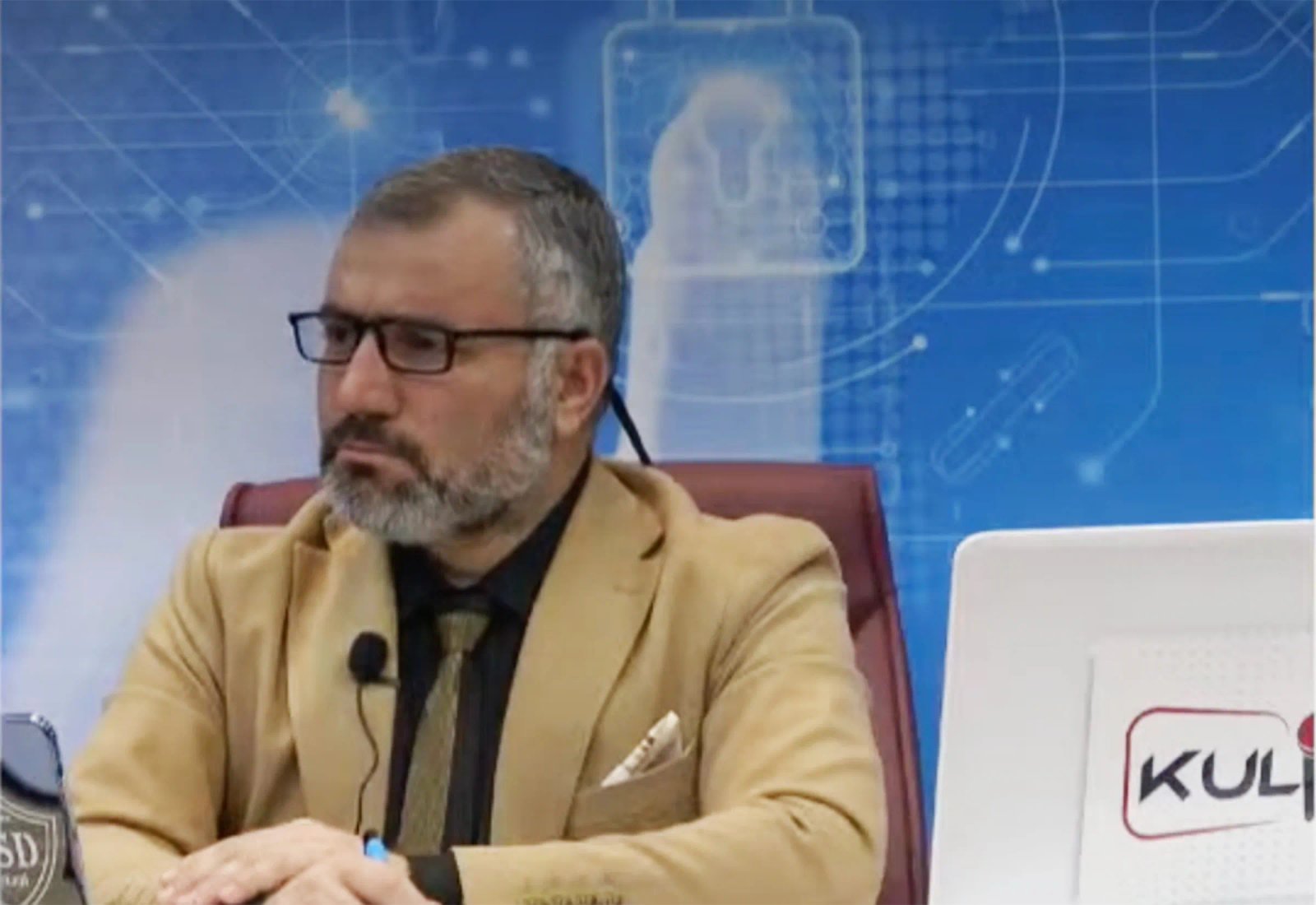
Police took Mehmet Yetim, editor-in-chief of the local broadcaster Kulis TV, in the southeastern province of Şanlıurfa, into custody in the early hours of April 18. On April 19, he was arrested by a court, pending trial on suspicion of “publicly spreading disinformation.” İbrahim Halil Aydın, a lawyer for Yetim, told CPJ that his client and his outlet had reported on an incident at a school in which people were wounded, although it turned out that no one had been hurt. While the outlet corrected the report afterward, screenshots of Yetim’s original post circulated on social media, leading to the journalist’s arrest, Aydın said.
“Turkey keeps arresting journalists over claims of spreading disinformation, which, even if they were true, wouldn’t be considered a crime unless they caused concern, fear, or panic among the public, according to the law,” said Özgür Öğret, CPJ’s Turkey representative. “Journalist Metmet Yetim, who corrected his faulty reporting, didn’t cause any of those things. Turkish authorities must release Yetim and stop arresting journalists under this law.”
Aydın, who filed an appeal to have his arrest rescinded, also told CPJ that even if his client is found guilty and given the maximum penalty of three years, he wouldn’t spend a day in prison because such a sentence for a defendant with no criminal record means automatic parole. A trial date will be set after prosecutors indict Yetim.
Introduced in late 2022, the disinformation law dictates that anyone found guilty of publicly spreading false information in order to cause concern, fear, or panic will face a sentence of one to three years in prison. While supporters of the legislation at the time offered reassurances that the law would not be used against journalists, it has since become one of the most frequently used laws against the media.
CPJ emailed the Şanlıurfa chief public prosecutor’s office for comment but did not receive a reply.
Read the full article here
Fact Checker
Verify the accuracy of this article using AI-powered analysis and real-time sources.