

 Freedom Index
Listen to the article
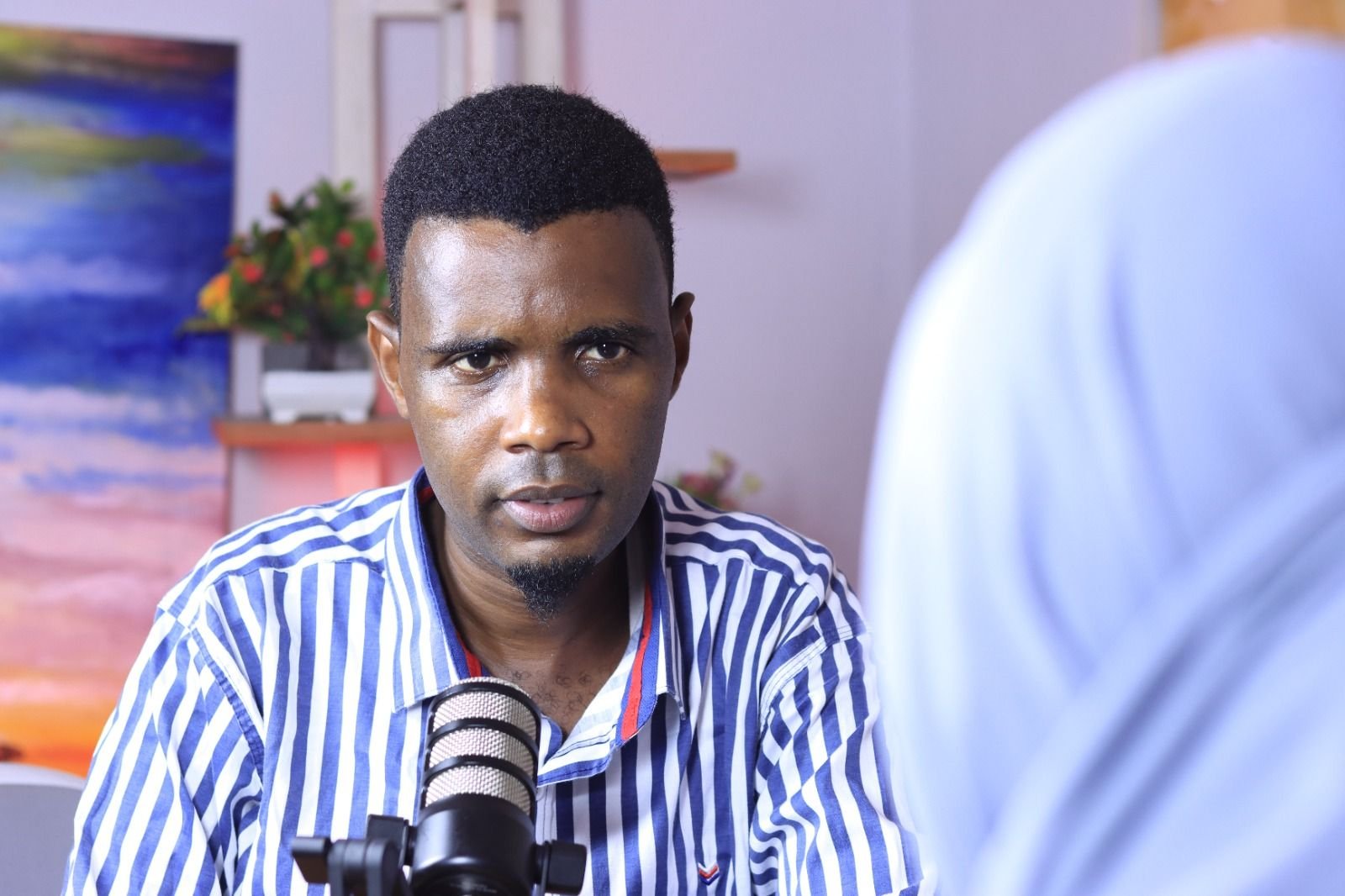
It’s been a month since journalist Mascuud Warsame was freed from a detention facility in the Somali capital, Mogadishu, but his memories of the harrowing experience are still vivid.
He remembers trying to sleep in a tiny room where the lights were kept on most of the night, his stomach pains and acid reflux from the greasy prison food, and the constant fear that other inmates, many of whom were suspected Islamist militants, would attack him for being a journalist.
But what stays with Mascuud the most is the injustice. He spent 38 days behind bars because he was tricked into offering to help recover the government’s Facebook page.
“It pained me that I was behind bars for 38 days without being charged and because of someone who misused his power,” Mascuud, founder of the online media outlet Xogbile TV, told CPJ. “I was worried that I might not see my young family again because in Somalia, everything is possible.”
Somalia is one of the world’s most dangerous countries for journalists. The Horn of Africa nation has been in conflict since 1991, with Islamist militants fighting the federal government, which also has disagreements with regional authorities. More than 80 journalists have been killed in that time and they are frequently harassed and detained for critical reporting.
Hacked
It was just before midnight on June 30 when Mascuud received the bogus call that would upend his life. A journalist he knew, who works for state media, asked Mascuud to help the Southwest State administration regain control of its presidential Facebook page, which he alleged had been hacked by suspected allies of former regional President Abdiaziz Hassan Mohamed Laftagaren.
Southwest State, one of Somalia’s six federal member states, has been led since June by President Sheikh Adan Mohamed Nur, also known as Adan Madobe, a former speaker of the federal parliament’s lower house and an ally of the federal government in Mogadishu. Adan was elected to replace Abdiaziz who was removed from power in March, after falling out with federal President Hassan Sheikh Mohamud over national elections and a constitutional amendment.
Mascuud, whose previous work involved restoring hacked accounts, agreed to help and the journalist added Salah Abdi Nur, also known as Malin Salah — head of the National Intelligence and Security Agency (NISA) in Southwest State — to the call.
“Salah also asked me to help recover the page but insisted that I meet him at a NISA office in Mogadishu’s Hodan District. At that moment, I was in my office in Waberi District, only a few kilometers away,” Mascuud told CPJ.
Two plainclothes security officers arrived in a Toyota Surf and drove Mascuud to the office, which displayed the agency’s logo and portraits of federal NISA chief Mahad Salad and federal President Hassan. Salah welcomed him warmly as “fellow men” originating from Southwest State.
‘I was confident that I had done nothing wrong’
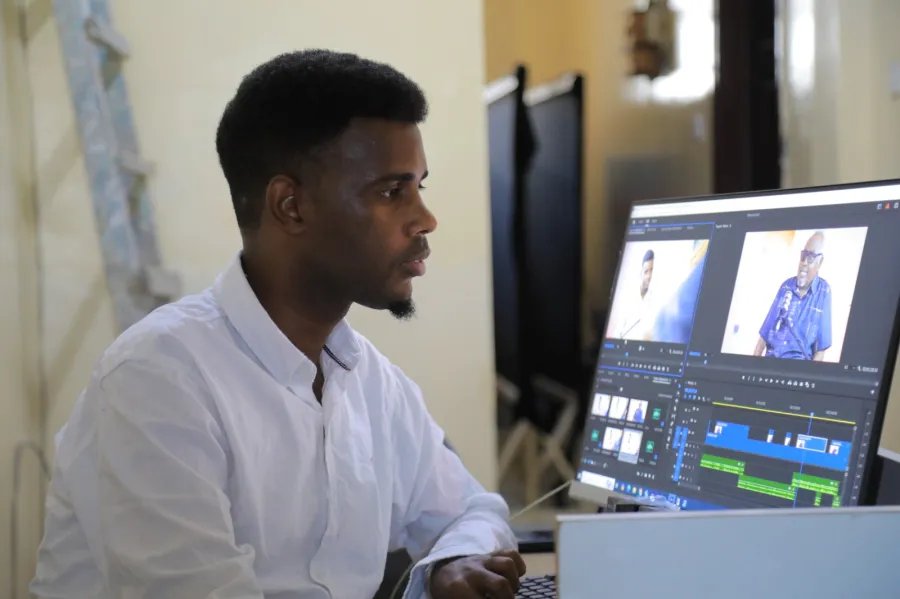
But the meeting soon took a different turn. Mascuud said Salah accused him of hacking the Southwest presidential Facebook page, which he denied.
“I handed over my phone and provided the passwords, as I was confident that I had done nothing wrong. Salah then told me that I would be detained while my phone was investigated,” Mascuud told CPJ, adding that he spent the night at the office, guarded by two armed men.
The following afternoon, a man carrying Mascuud’s phone, who identified himself as an investigator, questioned him about two reports, which he said were the reason for his detention.
One was a June 2 video of a Somali federal lawmaker cursing Southwest State legislators who refused to support Adan’s presidential candidacy. The other was a May 1 video about what Xogbile described as Adan’s political failures.
Again, Mascuud denied wrongdoing.
“I asked to use my phone to contact my family, but the investigator initially refused,” Mascuud said. “Later, he instructed me to tell my family only that I was fine and would return home later. I followed those instructions.”
Mascuud later learnt that his family had met President Adan to lobby for his release and Adan denied any involvement.
Accused of negative reporting
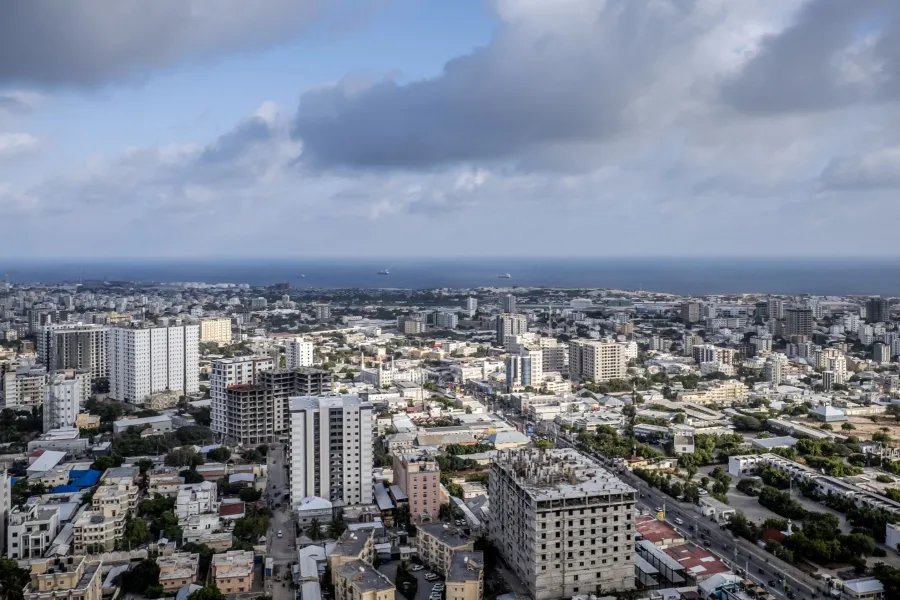
On that evening of July 1, Mascuud was transferred to another NISA detention facility near Mogadishu Central Prison. Another officer questioned him about his alleged Facebook hack and accused him of opposing the new administration through negative reporting. Similar questions were repeated on July 5.
On August 2, Mascuud was brought before the center’s commander, along with his phone. The commander asked Mascuud to provide passwords for his phone, mobile money app, and social media accounts, and said the device would be examined.
On August 4, the commander told Mascuud he would soon be released and, on August 8, Mascuud walked free, after 38 days in detention without charge.
After his release, Mascuud learnt from his family that control of the Southwest presidential Facebook page had changed hands several times while he was detained, proving that he was not involved as he could not have hacked the account from his cell.
Mascuud has returned to reporting on the Southwest State administration, although he has no guarantee that he will not be targeted again for his work.
“In Somalia, those who harm journalists often act with impunity so I do not expect to get justice for my unlawful detention,” he told CPJ. “Those difficult 38 days did not stop me from doing what I love most — journalism. Just two days after my release, I was back at work.”
CPJ did not receive responses to requests for comment sent via messaging app to NISA’s Salah, Abdiaziz’s spokesperson Ugas Hassan Abdi, or via email to the Southwest State presidency and NISA in Mogadishu.
Read the full article here
Fact Checker
Verify the accuracy of this article using AI-powered analysis and real-time sources.