Close Menu
FSNN | Free Speech News NetworkFSNN | Free Speech News Network
  • Home
  • News
    • Politics
    • Legal & Courts
    • Tech & Big Tech
    • Campus & Education
    • Media & Culture
    • Global Free Speech
  • Opinions
    • Debates
  • Video/Live
  • Community
  • Freedom Index
  • About
    • Mission
    • Contact
    • Support
Trending

Blockbuster NYT Reveal About Judge Ross Scandal

12 minutes ago

Sigificant Internet Freedom Issues at Stake in Legal Battle Between Amazon and Perplexity

17 minutes ago

Attending IRE26? Mark your calendar for these sessions featuring RCFP attorneys!

30 minutes ago
Facebook X (Twitter) Instagram
Facebook X (Twitter) Discord Telegram
FSNN | Free Speech News NetworkFSNN | Free Speech News Network
Market Data Newsletter
Thursday, June 11
  • Home
  • News
    • Politics
    • Legal & Courts
    • Tech & Big Tech
    • Campus & Education
    • Media & Culture
    • Global Free Speech
  • Opinions
    • Debates
  • Video/Live
  • Community
  • Freedom Index
  • About
    • Mission
    • Contact
    • Support
FSNN | Free Speech News NetworkFSNN | Free Speech News Network
Home»News»Media & Culture»Gordon Wood’s Enduring Defense of the American Revolution
Media & Culture

Gordon Wood’s Enduring Defense of the American Revolution

News RoomBy News Room1 hour agoNo Comments5 Mins Read1,555 Views
Share Facebook Twitter Pinterest Copy Link LinkedIn Tumblr Email VKontakte Telegram
Gordon Wood’s Enduring Defense of the American Revolution
Share
Facebook Twitter Pinterest Email Copy Link

Listen to the article

0:00
0:00

Key Takeaways

Playback Speed

Select a Voice

In 1775, the great British essayist and lexicographer Samuel Johnson entered the political fray over the American Revolution with a scorching pamphlet that attacked the wayward colonials for their disloyalty to the crown and hypocritical talk of freedom. “How is it,” Johnson demanded, “that we hear the loudest yelps for liberty among the drivers of negroes?”

That sort of question still looms large over many contemporary debates about the American Revolution. “Why should anyone take seriously the founders’ odes to liberty,” the argument may go, “when many of those same founders participated in the vile institution of slavery?”

You’re reading Injustice System from Damon Root and Reason. Get more of Damon’s commentary on constitutional law and American history.

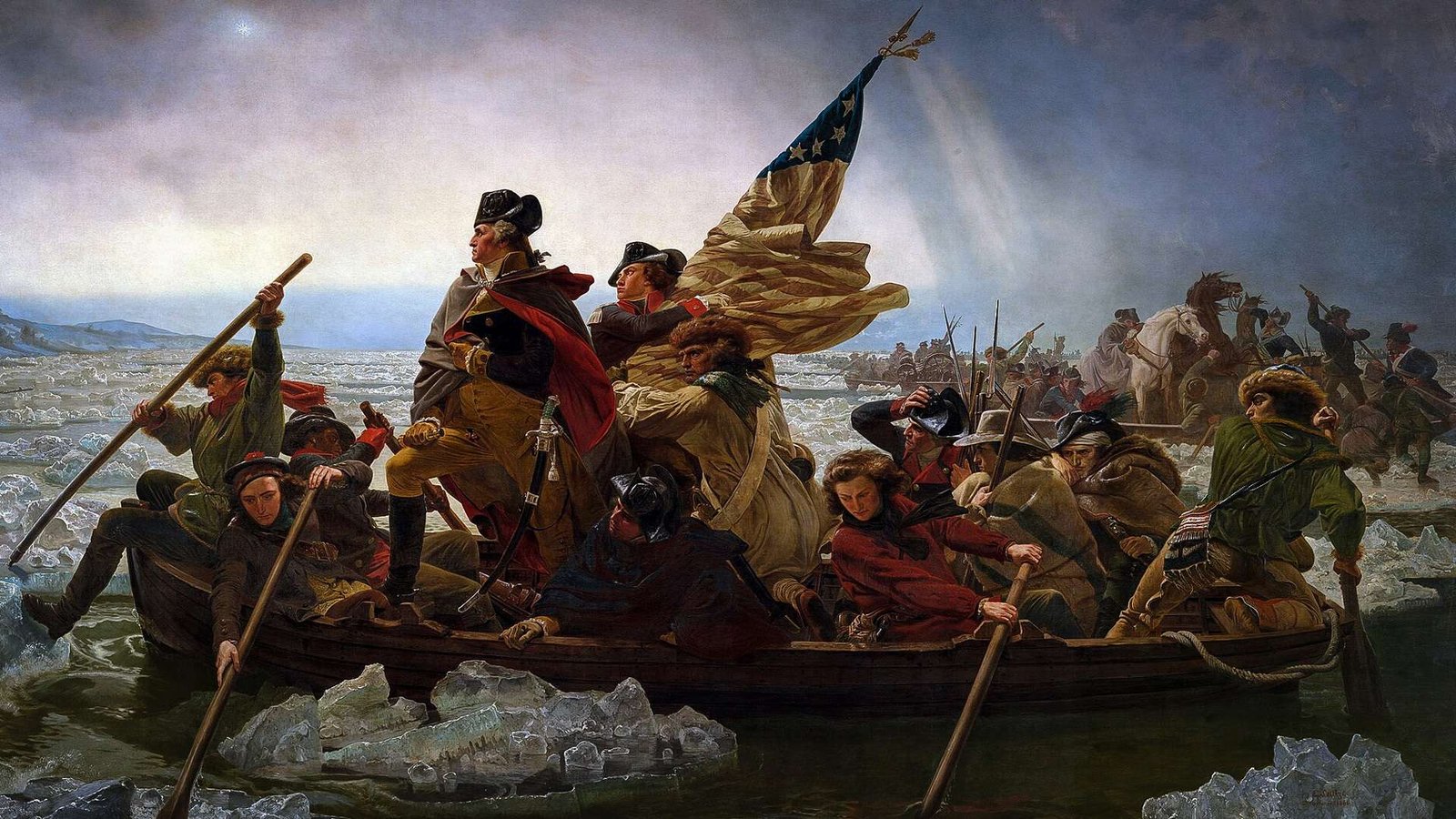
I got to thinking about Johnson’s pamphlet the other day after I learned about the tragic death of the towering American historian Gordon Wood. The connection came to mind because Wood had offered his own response to such Johnsonian questioning in what was, to my mind, his best book, The Radicalism of the American Revolution. Here is what Wood had to say:

To focus, as we are today apt to do, on what the Revolution did not accomplish—highlighting and lamenting its failure to abolish slavery and change fundamentally the lot of women—is to miss the great significance of what it did accomplish; indeed, the Revolution made possible the anti-slavery movement and women’s rights movements of the nineteenth century and in fact all our current egalitarian thinking.

The example of John C. Calhoun, the famous South Carolina statesman and inveterate defender of slavery, may help to buttress Wood’s point. In 1848, Calhoun denounced both the Declaration of Independence and its author, Thomas Jefferson, for promulgating the idea that “all men are created equal,” which Calhoun described as “the most false and dangerous of all political errors.” Calhoun was no fool. He well understood that if the Declaration of Independence was ever followed to its logical conclusion, it would spell doom for American slavery.

The great abolitionist hero Frederick Douglass knew that, too. The only difference was that while Calhoun disparaged Jefferson’s words, Douglass celebrated them. By the middle of the 19th century, it was Douglass, and the antislavery movement to which he devoted his life, that truly embodied the radical principles of the American Revolution.

“It was no accident,” Wood wrote, “that Americans in Philadelphia in 1775 formed the first anti-slavery society in the world.” For them, just like for Douglass several decades later, the principles underlying the American Revolution could point nowhere else.


The U.S. Supreme Court is expected to issue opinions today in one or more argued cases. As of this writing, we’re still waiting on huge opinions dealing with executive power, birthright citizenship, immigration, and more.

As we wait for those big SCOTUS decisions to drop, I wanted to highlight a fascinating copyright case that’s been bouncing around in the lower courts. If you’re familiar with the tattoo-based reality TV shows Miami Ink or LA Ink, you may also be familiar with the tattoo artist who goes by the name Kat Von D. Well, a few years ago, Von D tattooed an image of Miles Davis on one of her friends. That image was based on a picture of Davis taken by a photographer named Jeff Sedlik. After Sedlik learned about the tattoo, he demanded to be paid a licensing fee. A federal copyright suit eventually followed.

Writing at Courthouse News, Edvard Pettersson lays out the legal and artistic differences between the parties:

Von D testified that no one in the tattoo world gets licenses to use photographs as references for their creations. She maintained her use of the Miles Davis image was “fair use” because it was her interpretation of the image and served an entirely different purpose than Sedlik’s work….

Sedlik, however, turned out to be a stickler when it comes to unlicensed use of his work; he regularly scans the internet to find infringers. He testified how in 2014 he tracked down another tattoo artist who had posted on social media a tattoo he had done based on the same Miles Davis photo.

I am sympathetic to Von D’s fair use argument in this case. And while it’s not exactly pertinent to this particular dispute, I might add that I am sympathetic to the legal plights of tattoo artists in general, as this venerable profession has long suffered under bogus regulations and other unjustifiable government interference. Indeed, it was not until 2010 that a federal judge finally held that “the tattoo itself, the process of tattooing, and the business of tattooing are forms of pure expression fully protected by the First Amendment.”

In any event, Sedlik v. Von Drachenberg looks to be a copyright case to watch, as its final outcome may have costly implications for many tattooists at work today.

Read the full article here

Fact Checker

Verify the accuracy of this article using AI-powered analysis and real-time sources.

Get Your Fact Check Report

Enter your email to receive detailed fact-checking analysis

5 free reports remaining

Continue with Full Access

You've used your 5 free reports. Sign up for unlimited access!

Already have an account? Sign in here

#Democracy #FreePress #InformationWar #NewsAnalysis #PoliticalCoverage
Share. Facebook Twitter Pinterest LinkedIn Tumblr Email Telegram Copy Link
News Room
  • Website
  • Facebook
  • X (Twitter)
  • Instagram
  • LinkedIn

The FSNN News Room is the voice of our in-house journalists, editors, and researchers. We deliver timely, unbiased reporting at the crossroads of finance, cryptocurrency, and global politics, providing clear, fact-driven analysis free from agendas.

Related Articles

Media & Culture

Blockbuster NYT Reveal About Judge Ross Scandal

12 minutes ago
Legal & Courts

Sigificant Internet Freedom Issues at Stake in Legal Battle Between Amazon and Perplexity

17 minutes ago
Legal & Courts

Attending IRE26? Mark your calendar for these sessions featuring RCFP attorneys!

30 minutes ago
Cryptocurrency & Free Speech Finance

IMF Urges Nepal Monitor Crypto as Usage Rises Despite Ban

39 minutes ago
Cryptocurrency & Free Speech Finance

Bitcoin ETFs Shed $2.1B in June So Far as Market Selloff Deepens

2 hours ago
Media & Culture

Brendan Carr Prepares To Make Broadband Shittier, Censored, And More Expensive For U.S. School Kids

2 hours ago
Add A Comment
Leave A Reply Cancel Reply

Editors Picks

Sigificant Internet Freedom Issues at Stake in Legal Battle Between Amazon and Perplexity

17 minutes ago

Attending IRE26? Mark your calendar for these sessions featuring RCFP attorneys!

30 minutes ago

SpaceX stock is coming to Solana the same day it lists on Nasdaq

31 minutes ago

Bitcoin Battles Hormuz Closure, US Inflation as $63,000 Returns

33 minutes ago
Latest Posts

IMF Urges Nepal Monitor Crypto as Usage Rises Despite Ban

39 minutes ago

Gordon Wood’s Enduring Defense of the American Revolution

1 hour ago

Ondo Finance pushes into tokenized investment products, hires former Invesco ETF chief

2 hours ago

Subscribe to News

Get the latest news and updates directly to your inbox.

At FSNN – Free Speech News Network, we deliver unfiltered reporting and in-depth analysis on the stories that matter most. From breaking headlines to global perspectives, our mission is to keep you informed, empowered, and connected.

FSNN.net is owned and operated by GlobalBoost Media
, an independent media organization dedicated to advancing transparency, free expression, and factual journalism across the digital landscape.

Facebook X (Twitter) Discord Telegram
Latest News

Blockbuster NYT Reveal About Judge Ross Scandal

12 minutes ago

Sigificant Internet Freedom Issues at Stake in Legal Battle Between Amazon and Perplexity

17 minutes ago

Attending IRE26? Mark your calendar for these sessions featuring RCFP attorneys!

30 minutes ago

Subscribe to Updates

Get the latest news and updates directly to your inbox.

© 2026 GlobalBoost Media. All Rights Reserved.
  • Privacy Policy
  • Terms of Service
  • Our Authors
  • Contact

Type above and press Enter to search. Press Esc to cancel.

🍪

Cookies

We and our selected partners wish to use cookies to collect information about you for functional purposes and statistical marketing. You may not give us your consent for certain purposes by selecting an option and you can withdraw your consent at any time via the cookie icon.

Cookie Preferences

Manage Cookies

Cookies are small text that can be used by websites to make the user experience more efficient. The law states that we may store cookies on your device if they are strictly necessary for the operation of this site. For all other types of cookies, we need your permission. This site uses various types of cookies. Some cookies are placed by third party services that appear on our pages.

Your permission applies to the following domains:

  • https://fsnn.net
Necessary
Necessary cookies help make a website usable by enabling basic functions like page navigation and access to secure areas of the website. The website cannot function properly without these cookies.
Statistic
Statistic cookies help website owners to understand how visitors interact with websites by collecting and reporting information anonymously.
Preferences
Preference cookies enable a website to remember information that changes the way the website behaves or looks, like your preferred language or the region that you are in.
Marketing
Marketing cookies are used to track visitors across websites. The intention is to display ads that are relevant and engaging for the individual user and thereby more valuable for publishers and third party advertisers.