

 Freedom Index
Listen to the article
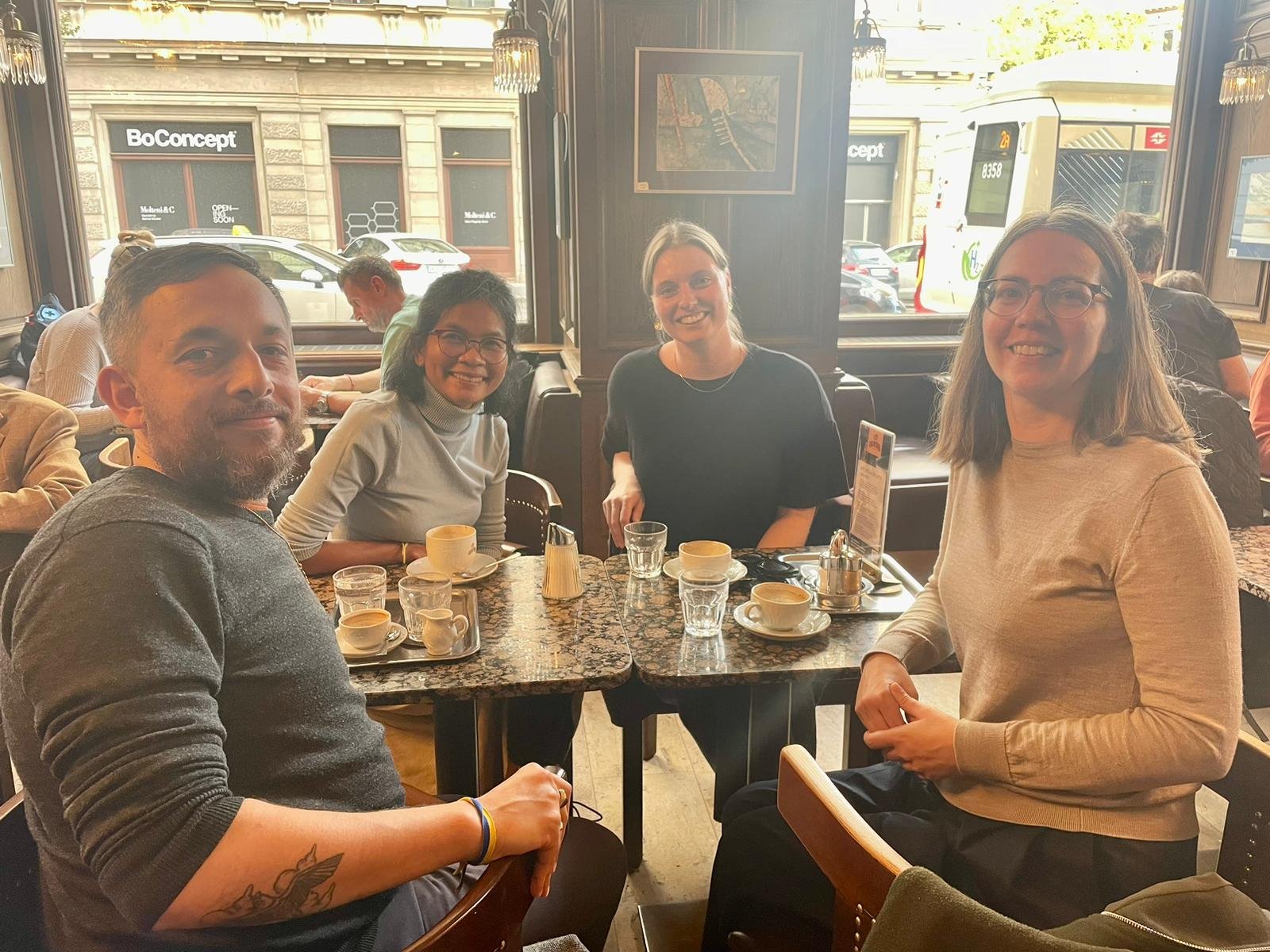
It was in Vienna last year that I last saw Thai advocate and journalist Chutima Sidasathian who died last weeked at the age of 44. I was in town for a conference; she was there for medical treatment.
Amidst the clink of teaspoons against crockery and the ordering of decadent Viennese cakes, I sat with Chutima alongside colleagues from Media Defence as she talked about her treatment for pancreatic cancer and the criminal charges which still hung over her head. You wouldn’t have guessed the serious topics we were discussing if you were at a neighbouring table. Chutima’s sense of mischievous humour was infectious. She regularly exploded into bouts of giggling, cracking jokes at her own expense.
But something else stood out. While we were keen to explore options to support her, she instead wanted to speak about the ongoing parliamentary debates in Thailand about strengthening its inadequate protections against SLAPPs (strategic lawsuits against public participation). Chutima was personally facing an avalanche of criminal charges for her reporting and advocacy, as well as being gravely ill, but never stopped fighting for others. And while facing abusive legal threats can make you turn inwards, and all you see are the challenges to your freedom and ability to continue your work, everything else often falls away. That was not the case for Chutima.
Chutima was a pioneering and award-winning journalist and community advocate, prioritising overlooked communities. For her pioneering reporting on “a secret Thai army policy of detaining Rohingya boatpeople from Myanmar, towing them to sea and abandoning them”, she won a human rights reporting award in 2010. Her story forced the government to change its policy but the story didn’t end there. Senior Navy officers brought charges of criminal defamation and a violation of the Computer Crimes Act against her and her colleague Alan Morison.
Later, she turned her attention to supporting rural farming communities. In 2021, she used Facebook to raise issues and questions about a community banking scandal in which villagers were allegedly forced to repay loans they had never received. In response to her posts, the mayor of Banlang in Nakhon Ratchasima Province levelled multiple criminal defamation lawsuits against her, which the National Human Rights Commission of Thailand recognised as a SLAPP. While she was acquitted in the first case, with the judge confirming that she was entitled to express criticism of local administrators, at the time of her death she was still facing prosecution. Speaking to Media Defence, she was defiant: “I am hoping that with my second time as a ‘criminal,’ I can conclusively demonstrate the injustice of Thailand’s criminal defamation laws.”
It was for her courageous work that Chutima was shortlisted for the 2024 Index on Censorship Freedom of Expression Award in the journalism category. She hoped that this shortlisting would “inspire other individuals and organisations to take a stand and commit to creating a better, more free Thailand.” Her life was shaped by this commitment to others before herself. As she told Media Defence in 2023, “I see my country as a much better country if the poor are treated fairly and honourably. What we all truly deserve is mutual respect, shared smiles, laughter without any oppression or control from those in power.”
Chutima Sidasathian, Thai journalist and activist, born 26 March 1982; died 15 August 2026
Read the full article here
Fact Checker
Verify the accuracy of this article using AI-powered analysis and real-time sources.