

 Freedom Index
Listen to the article
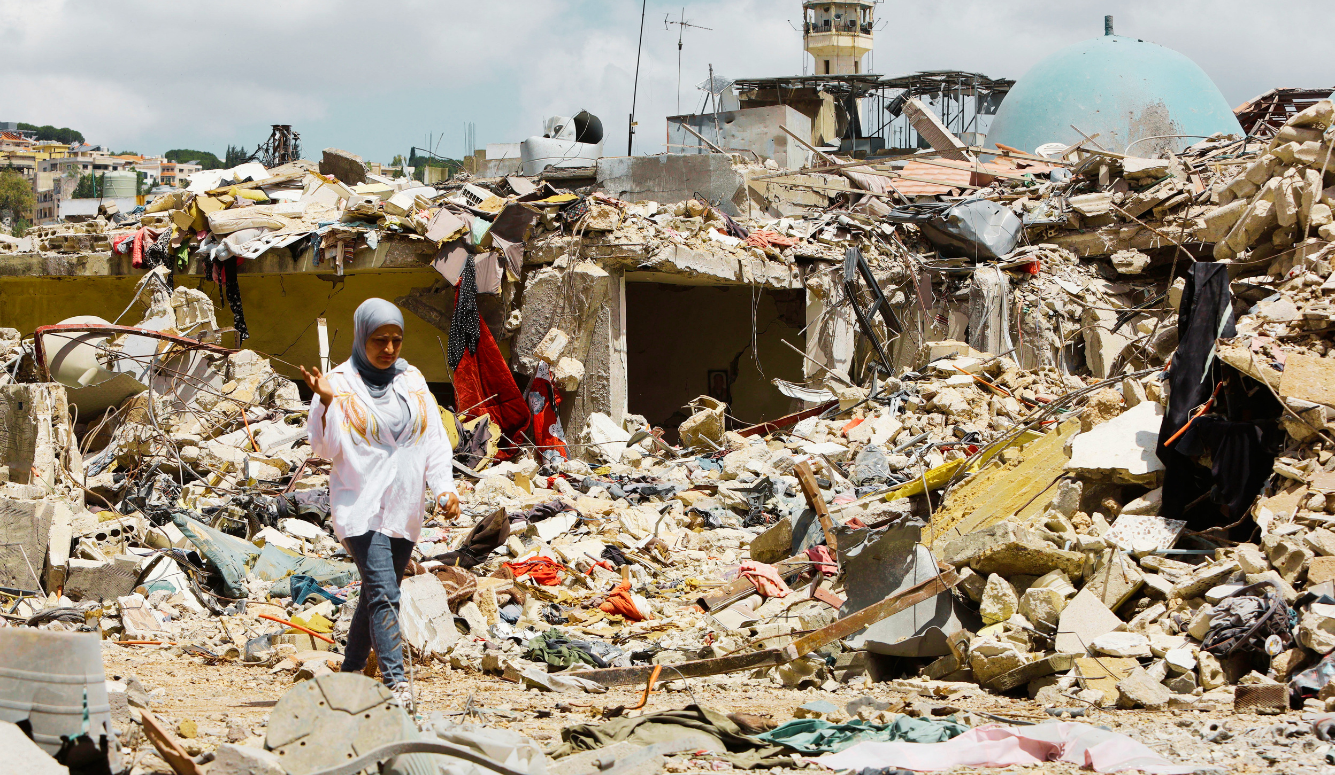
On 2 March, an unprovoked attack by the Lebanese militia Hezbollah re-escalated its conflict with Israel. In response, Israel expanded its presence in southern Lebanon in an effort to root out Hezbollah’s weaponry and infrastructure, and to eliminate militia members. Hezbollah then reaffirmed its vow to expel the Israeli military presence from the country and declared its own weapons sacrosanct. Like previous escalations, the Lebanese government pleaded with the international community (that is, the United States) for assistance to end the conflagration.
The Trump administration seems to be determined to end the fighting one way or another. Under the auspices of the US government, Israeli and Lebanese officials directly negotiated and agreed to a ten-day ceasefire on 16 April. Subsequent meetings resulted in two extensions, the latest of which was agreed on 15 May and stretched the ceasefire out for a further 45 days. On 21 May, the United States announced sanctions on Lebanese individuals “obstructing peace and disarmament.” Meetings held at the Pentagon on 29 May between Israeli and Lebanese military officials to discuss frameworks for regional stability were reported to have been “productive.” These meetings are expected to continue. On 1 June, President Trump worked the phones between Tel Aviv and Beirut in an effort to sustain the semblance of a ceasefire.
But despite encouraging developments, considerable US investment, relative optimism, and the “historic” nature of negotiations, it remains to be seen whether or not this process will produce lasting results. To avoid the fleeting, half measures or meaningless outcomes of previous US diplomatic initiatives regarding Israel and Lebanon, the Trump administration must confront and overcome four challenging realities.
Read the full article here
Fact Checker
Verify the accuracy of this article using AI-powered analysis and real-time sources.