

 Freedom Index
Listen to the article
Greek immigrant Pasqua Rosée opened the first coffeehouse in London outside the Royal Exchange in 1652. In his advertising handbill on “The Vertue of the COFFEE Drink,” Rosée claimed that coffee was “a most excellent Remedy against” all manner of ills, including consumption, dropsy, gout, scurvy, “the Kings Evil” (scrofula), and miscarriages.
Although Rosée may have been exaggerating, modern medicine strongly suggests he had a point. Drinking coffee is associated with a wide range of health benefits.
Caffeine is the most widely used legal psychoactive drug in the world. Nearly two-thirds of American adults get their daily doses from coffee, according to a 2025 National Coffee Association poll, and they seem to be getting more than a jolt of energy.
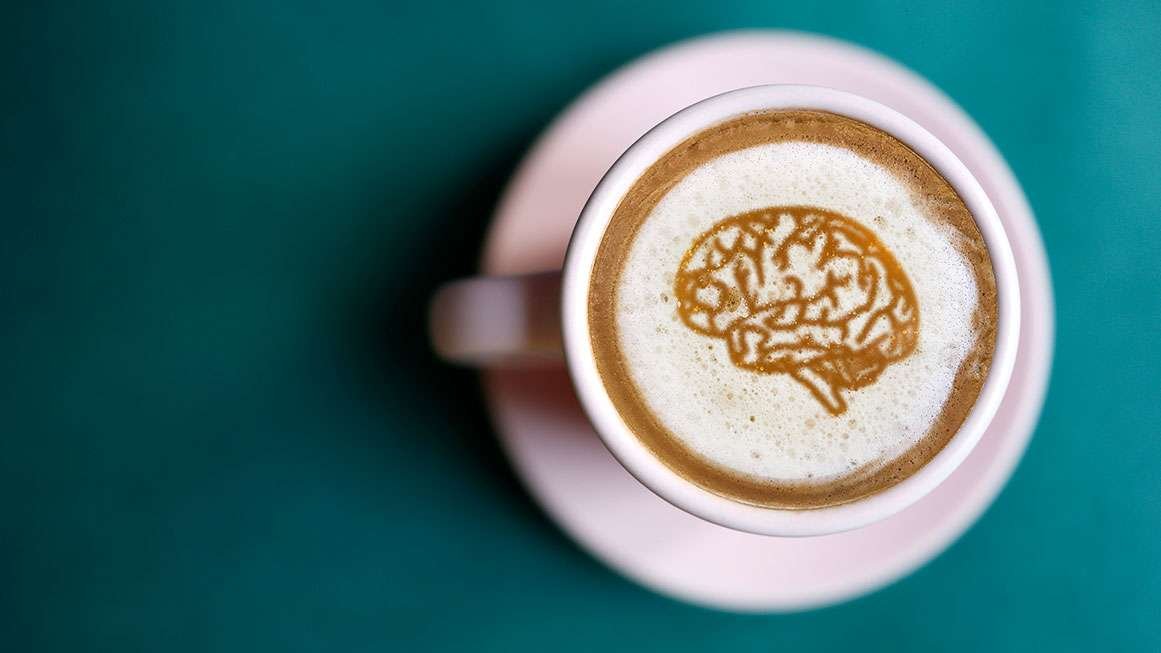
A study published by JAMA in February tracked the brain health of 130,000 people for more than 40 years. It found that moderate daily consumption of coffee was associated with a reduced risk of dementia and slower cognitive decline. The researchers reported that dementia risk was 18 percent lower in people who drank up to five cups of coffee a day compared to those who drank little or none. Surprisingly, dementia risk was similarly reduced for carriers of the APOE4 allele, which confers a higher risk of Alzheimer’s disease. Caffeine seems to be the key, since people who drank decaffeinated coffee did not experience any cognitive benefits.
A roundup of studies compiled by the National Center for Health Research (NCHR), a nonpartisan think tank in Washington, D.C., details the manifold other health benefits of drinking coffee. The NCHR cites a 2018 study in JAMA Internal Medicine that correlated coffee consumption with health outcomes among more than half a million people in the United Kingdom. The researchers found that coffee drinking was inversely associated with mortality over a 10-year period. Compared to nondrinkers, people who drank one cup a day were 8 percent less likely to die, while the mortality rate for those who quaffed six to seven cups daily was 16 percent lower.
During a 10-year period, a 2025 European Heart Journal study of 40,000 Americans found, morning coffee drinkers were 16 percent less likely than nondrinkers to die of any cause and 31 percent less likely to die of heart disease. Afternoon drinkers did not experience those benefits. The NCHR also cites studies indicating that drinking coffee reduces the risks of colorectal cancer by 11 percent to 24 percent, endometrial cancer by 19 percent, Parkinson’s disease by 30 percent to 60 percent, and Type 2 diabetes by 33 percent.
Coffee drinkers have enjoyed the beverage’s benefits for centuries and will do so for years to come. After all, Starfleet Capt. Kathryn Janeway in the 24th century declared coffee “the finest organic suspension ever devised.”
Read the full article here
Fact Checker
Verify the accuracy of this article using AI-powered analysis and real-time sources.