Close Menu
FSNN | Free Speech News NetworkFSNN | Free Speech News Network
  • Home
  • News
    • Politics
    • Legal & Courts
    • Tech & Big Tech
    • Campus & Education
    • Media & Culture
    • Global Free Speech
  • Opinions
    • Debates
  • Video/Live
  • Community
  • Freedom Index
  • About
    • Mission
    • Contact
    • Support
Trending

Worldcoin Falls 13% as World Expands Iris-Scanning Tech

5 minutes ago

Bitcoin, Stocks Surge as Iran Says Strait of Hormuz Is ‘Completely Open’

7 minutes ago

Jury Finds Live Nation and Ticketmaster To Be Monopolists Over $1.72 Concert Ticket Price Increase

41 minutes ago
Facebook X (Twitter) Instagram
Facebook X (Twitter) Discord Telegram
FSNN | Free Speech News NetworkFSNN | Free Speech News Network
Market Data Newsletter
Saturday, April 18
  • Home
  • News
    • Politics
    • Legal & Courts
    • Tech & Big Tech
    • Campus & Education
    • Media & Culture
    • Global Free Speech
  • Opinions
    • Debates
  • Video/Live
  • Community
  • Freedom Index
  • About
    • Mission
    • Contact
    • Support
FSNN | Free Speech News NetworkFSNN | Free Speech News Network
Home»News»Media & Culture»Alabama Supreme Court to Cops: It’s OK To Force a Pastor Watering Flowers To Show His ID
Media & Culture

Alabama Supreme Court to Cops: It’s OK To Force a Pastor Watering Flowers To Show His ID

News RoomBy News Room2 hours agoNo Comments5 Mins Read1,066 Views
Share Facebook Twitter Pinterest Copy Link LinkedIn Tumblr Email VKontakte Telegram
Alabama Supreme Court to Cops: It’s OK To Force a Pastor Watering Flowers To Show His ID
Share
Facebook Twitter Pinterest Email Copy Link

Listen to the article

0:00
0:00

Key Takeaways

Playback Speed

Select a Voice

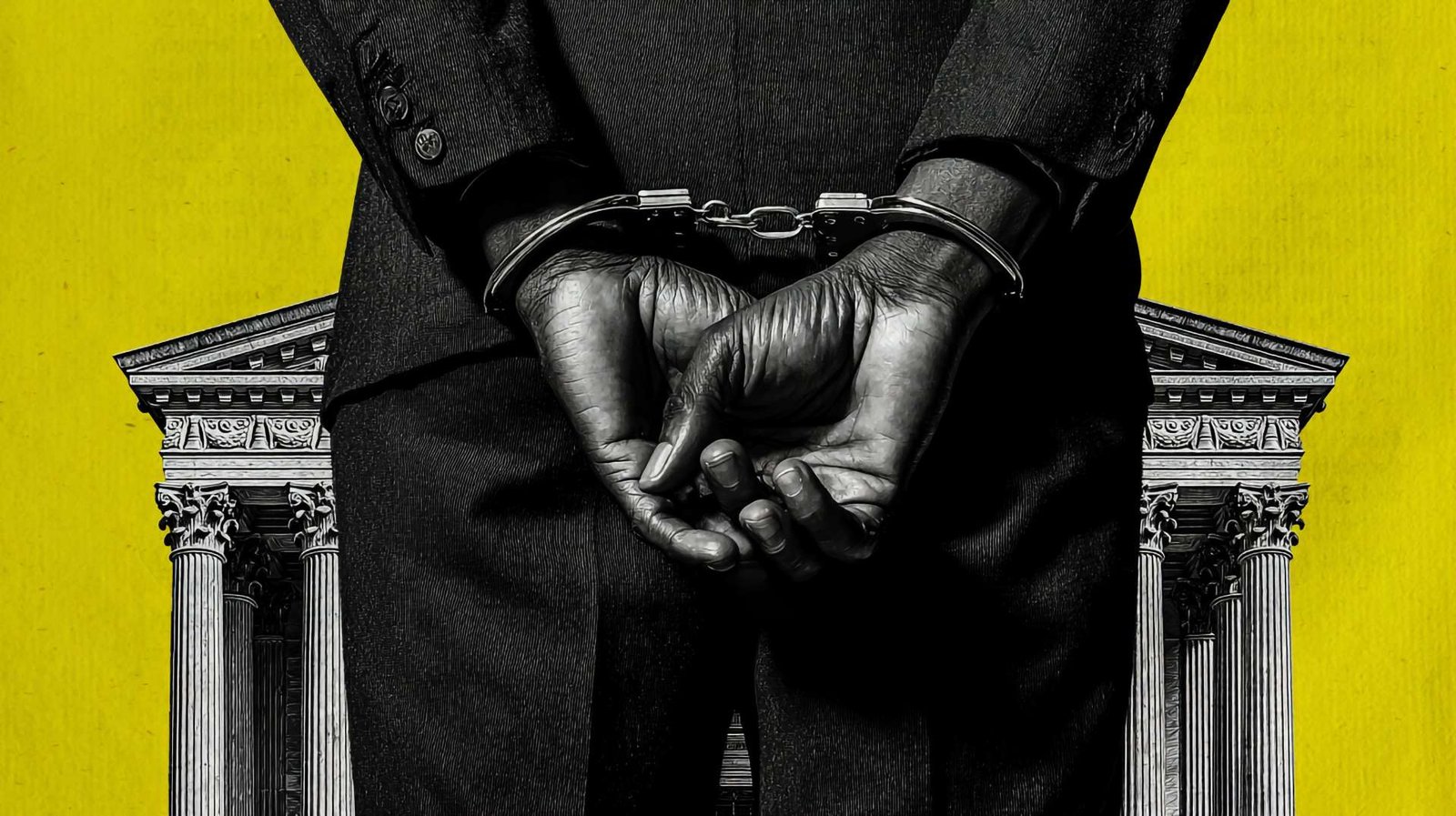
A recent Alabama Supreme Court ruling has vastly expanded police power in the state, holding that law enforcement can demand physical identification under the state’s stop-and-identify law when someone provides “incomplete or unsatisfactory” answers to police questions about their name, address, and actions during a police stop. 

Although Alabama’s law clearly requires some individuals to carry ID, like drivers and voters, the state supreme court’s ruling seems to imply a general requirement for individuals to carry identification at all times—even when watering flowers. 

On May 22, 2022, Michael Jennings, a pastor who lives in Childersburg, Alabama, southeast of Birmingham, was approached by a police officer while watering flowers. Body cam footage shows an officer responding to a 911 call about a suspicious person and asking Jennings about the vehicle in the driveway and the house. “It’s my neighbor’s vehicle,” Jennings answered. “Well, they’re saying that this vehicle isn’t supposed to be here, and you’re not supposed to be here,” continued the officer.

“I’m supposed to be here,” Jennings replied. “I’m Pastor Jennings. I live across the street….I’m looking after their house while they’re gone, watering their flowers.

Apparently unsatisfied with Jennings’ forthcoming response, the officer then asks Jennings for “identification” while gesturing as if holding a card. “Oh no, man, I’m not going to give you no ID….I ain’t did nothing wrong,” Jennings responds. Agitated over the officers’ continued requests to produce identification, Jennings begins walking away. A second officer places him in handcuffs as the men continue to argue and ultimately places him under arrest. 

A few minutes later, the neighbor who had placed the initial 911 call speaks with the officers. Answering whether Jennings has permission to water the flowers, the neighbor replies, “He may, because they are friends, and they went out of town today. So he may be watering their flowers.” “That would be completely normal,” she continues. “This is probably my fault.”  

Under the Alabama law, an officer “may stop any person abroad in a public place whom he reasonably suspects is committing, has committed or is about to commit a felony or other public offense and may demand of him his name, address and an explanation of his actions.” (emphasis added.) But despite Jennings volunteering much of this information from the start and later clarifying his full name when asked, the officers arrested Jennings because he refused to produce physical identification—an item not expressly articulated in the state’s law. 

Jennings was charged with obstructing a governmental function, a misdemeanor offense punishable by up to one year in jail and a $6,000 fine. 

Although the charges against him were later dismissed, Jennings filed a civil federal lawsuit and accused the officers of violating his Fourth Amendment rights by, in part, arresting him without probable cause. And while the district court initially dismissed his suit, finding the officers were immune from civil liability, the 11th Circuit of Appeals disagreed. By reading the text of the Alabama code plainly, the appellate judges found that the officers lacked probable cause to arrest Jennings because they were only authorized to demand three things: his name, address, and an explanation of his actions. 

“While it is always advisable to cooperate with law enforcement,” wrote the appellate court, “Jennings was under no legal obligation to provide his ID.” The 11th Circuit reversed the district court’s decision to dismiss.  

But rather than simply reopen the case as instructed, the district court turned to the Alabama Supreme Court to clarify whether officers are prohibited under state law from demanding physical identification if they receive an “incomplete or unsatisfactory oral response” under the state’s stop-and-identify law. In answering that question, the Alabama Supreme Court effectively overruled the appellate court, deciding that “Alabama law is clear—once an officer has reasonable suspicion to believe that a suspect is committing, has committed, or is about to commit a felony or other public offence, [the law] empowers the officer to demand that the suspect disclose his or her name and address in a format that would allow the officer to affirmatively identify the suspect,” and that “the suspect bears the burden to completely identify himself.” 

Although normal for a district court to ask for the state supreme court’s input on legal questions, it is decidedly “not normal to circumvent an appellate court’s ruling the district court didn’t like,” Matthew Cavedon, the director of the Project on Criminal Justice at the Cato Institute, told Reason in a recent interview. But now, under the state supreme court’s binding decision, the officers who arrested Jennings may now attempt to avoid accountability by claiming the arrest was in line with the stop-and-identify law. “Courts don’t like accountability for officers when rights are violated,” Cavedon continued. 

What’s more is that the decision effectively gives a “ton of discretion to police officers,” said Cavedon, leaving it up to officers and prosecutors to decide when and where a physical ID will be demanded and opening up “equal protection problems and concerns about discrimination.” 

After all, there is nothing in the Alabama law that requires pedestrians to carry ID, according to an amicus brief joined by the Cato Institute in this case. But now, it seems, Alabamians better have their physical identification handy, or else face the wrath of unaccountable law enforcement officers.

Read the full article here

Fact Checker

Verify the accuracy of this article using AI-powered analysis and real-time sources.

Get Your Fact Check Report

Enter your email to receive detailed fact-checking analysis

5 free reports remaining

Continue with Full Access

You've used your 5 free reports. Sign up for unlimited access!

Already have an account? Sign in here

#CivicEngagement #MediaAndPolitics #MediaBias #PoliticalCoverage #PublicOpinion
Share. Facebook Twitter Pinterest LinkedIn Tumblr Email Telegram Copy Link
News Room
  • Website
  • Facebook
  • X (Twitter)
  • Instagram
  • LinkedIn

The FSNN News Room is the voice of our in-house journalists, editors, and researchers. We deliver timely, unbiased reporting at the crossroads of finance, cryptocurrency, and global politics, providing clear, fact-driven analysis free from agendas.

Related Articles

Cryptocurrency & Free Speech Finance

Bitcoin, Stocks Surge as Iran Says Strait of Hormuz Is ‘Completely Open’

7 minutes ago
Media & Culture

Jury Finds Live Nation and Ticketmaster To Be Monopolists Over $1.72 Concert Ticket Price Increase

41 minutes ago
Cryptocurrency & Free Speech Finance

Strategy Shares Pop as Bitcoin Holdings Flip Green, Near $61 Billion

1 hour ago
Debates

How It All Went Wrong

2 hours ago
Cryptocurrency & Free Speech Finance

Crypto Trader Turns $2,500 Into $500K on Skyrocketing Ethereum Meme Coin

2 hours ago
Media & Culture

Virginia’s Unconstitutional Effort to Strip Property Tax Exemptions From Pro-Confederate Groups

3 hours ago
Add A Comment
Leave A Reply Cancel Reply

Editors Picks

Bitcoin, Stocks Surge as Iran Says Strait of Hormuz Is ‘Completely Open’

7 minutes ago

Jury Finds Live Nation and Ticketmaster To Be Monopolists Over $1.72 Concert Ticket Price Increase

41 minutes ago

Singapore Gulf Bank Adds Fiat-to-Stablecoin Conversion Feature

1 hour ago

Strategy Shares Pop as Bitcoin Holdings Flip Green, Near $61 Billion

1 hour ago
Latest Posts

Alabama Supreme Court to Cops: It’s OK To Force a Pastor Watering Flowers To Show His ID

2 hours ago

How It All Went Wrong

2 hours ago

Payward To Acquire CFTC-Regulated Crypto Derivatives Platform Bitnomial

2 hours ago

Subscribe to News

Get the latest news and updates directly to your inbox.

At FSNN – Free Speech News Network, we deliver unfiltered reporting and in-depth analysis on the stories that matter most. From breaking headlines to global perspectives, our mission is to keep you informed, empowered, and connected.

FSNN.net is owned and operated by GlobalBoost Media
, an independent media organization dedicated to advancing transparency, free expression, and factual journalism across the digital landscape.

Facebook X (Twitter) Discord Telegram
Latest News

Worldcoin Falls 13% as World Expands Iris-Scanning Tech

5 minutes ago

Bitcoin, Stocks Surge as Iran Says Strait of Hormuz Is ‘Completely Open’

7 minutes ago

Jury Finds Live Nation and Ticketmaster To Be Monopolists Over $1.72 Concert Ticket Price Increase

41 minutes ago

Subscribe to Updates

Get the latest news and updates directly to your inbox.

© 2026 GlobalBoost Media. All Rights Reserved.
  • Privacy Policy
  • Terms of Service
  • Our Authors
  • Contact

Type above and press Enter to search. Press Esc to cancel.

🍪

Cookies

We and our selected partners wish to use cookies to collect information about you for functional purposes and statistical marketing. You may not give us your consent for certain purposes by selecting an option and you can withdraw your consent at any time via the cookie icon.

Cookie Preferences

Manage Cookies

Cookies are small text that can be used by websites to make the user experience more efficient. The law states that we may store cookies on your device if they are strictly necessary for the operation of this site. For all other types of cookies, we need your permission. This site uses various types of cookies. Some cookies are placed by third party services that appear on our pages.

Your permission applies to the following domains:

  • https://fsnn.net
Necessary
Necessary cookies help make a website usable by enabling basic functions like page navigation and access to secure areas of the website. The website cannot function properly without these cookies.
Statistic
Statistic cookies help website owners to understand how visitors interact with websites by collecting and reporting information anonymously.
Preferences
Preference cookies enable a website to remember information that changes the way the website behaves or looks, like your preferred language or the region that you are in.
Marketing
Marketing cookies are used to track visitors across websites. The intention is to display ads that are relevant and engaging for the individual user and thereby more valuable for publishers and third party advertisers.