

 Freedom Index
Listen to the article
The proposal builds on a conventional market that has historically been available largely to specialist funds and large institutions. Many catastrophe-bond offerings carry minimum investments of $250,000 or more. Harneys and droppRWA are considering a structure that could accommodate smaller beneficial interests, though it would still need to comply with securities, insurance and investor-protection rules.
Henry Tucker, chief executive of specialist insurance group Hearns, said a tokenized structure does not turn disaster coverage into a casual retail investment. The capital is fully committed to cover a defined insurance risk. “You’re not buying a right to get paid by somebody else who’s bet the other way at the casino,” he told CoinDesk in an interview.
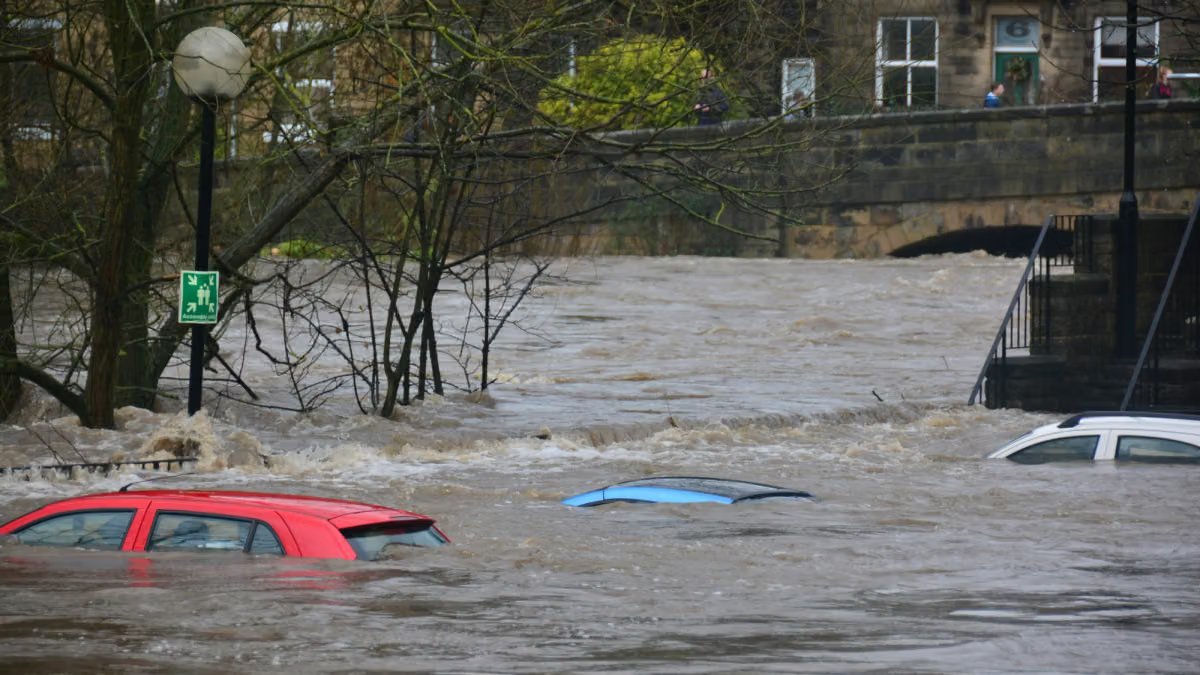
Tucker pointed to flood cover and typhoon protection in Southeast Asia as risks that can be difficult to place with conventional reinsurers, particularly when claims data is limited or loss estimates are uncertain. A specialist underwriter could use a tokenized structure to raise capital for a single defined risk and set out the assumptions and the return offered to investors.
There is a real-world precedent for using catastrophe bonds to finance public disaster protection. The World Bank arranged $200 million of hurricane coverage for Jamaica in May, replacing an earlier transaction that paid out after Hurricane Melissa in 2025. Jamaica’s finance minister, Fayval Williams, called catastrophe bonds “an important piece ensuring capital market access” for the country’s resilience strategy.
Read the full article here
Fact Checker
Verify the accuracy of this article using AI-powered analysis and real-time sources.