

 Freedom Index
Listen to the article
A grim milestone this Saturday – five years since the fall of Kabul. That’s 1,826 days of Taliban rule. In that time the pillars sustaining a free and pluralistic society have crumbled. Press freedom has been dismantled and political opposition made obsolete.
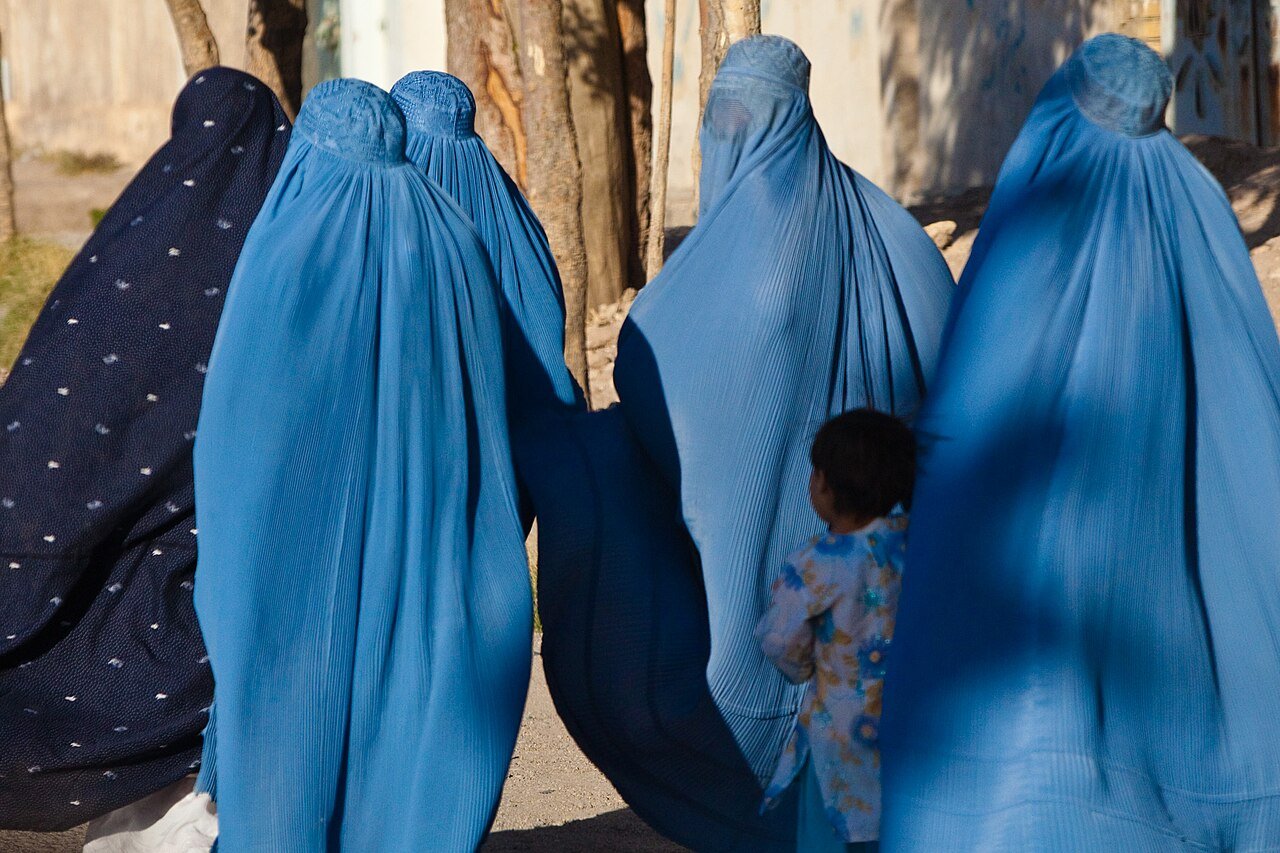
Women and girls have borne the brunt of the Taliban’s repressive regime. Removed from public life – not even allowed to be seen at windows – they now have fewer rights than people in closed societies like North Korea. While enforcement of the Taliban’s seemingly endless edicts has been patchy, even under more moderate officials life is relentlessly tough, with women’s freedoms nothing on what they were before the Taliban’s return. “Gender apartheid” is the phrase most commonly used to describe this dreadful state of affairs. As part of our Letters from Afghan Women project, which was inspired by our Letters from Lukashenka’s Prisoners, we’ve called Afghanistan “a domestic prison”. It has also been referred to as a lockdown, only one with no end in sight. Five years ago, people in the UK were on the other side of the last and longest pandemic lockdown. Five years on, Afghan women are still trapped in one.
This June, a group of women protested the arrest of other women for alleged violations of dress-code rules. Taliban authorities responded with brute force, shooting at them and killing at least two. But the episode, rare as it was, at least revealed one positive – parts of Afghan society remain willing to challenge the authority of the Taliban.
The Taliban know there are chinks in their armour. This probably explains why officials and government employees were recently ordered to stop using smartphones. Videos making the rounds online showed Taliban members destroying their phones in compliance. Many fear that these restrictions may yet be extended to everyone, thus severing an essential lifeline.
So much has been lost but not everything: we must continue fighting to ensure that when the Taliban does eventually fall, some infrastructure for freedom of expression remains. That has been a motivator over the last five years when it has all felt bleak, and it fits into Index’s broader theory of change: one voice amplified helps many. Since 2021 we’ve arranged fundraisers for Afghan journalists, we’ve given an award to a brave educator with a mobile school, we’ve created the aforementioned letters project and we’ve published the words of Afghan women (and others) many times. We have provided an essential platform for them to speak, because in the words of Rahmati, a 24-year-old from Kabul: “I realised that I wanted to scream. Not just a sound, something deeper. I wanted to scream that I exist. That I am a human being. That I have thoughts and a heart and a voice.” Index became her place to scream. We offered her momentary respite from an otherwise grim reality.
We won’t stop, for Rahmati and the millions of others like her, human beings with thoughts, hearts and voices. If you want to help, read their words, share them, donate to us, become an Index member. Just please don’t look away.
Read the full article here
Fact Checker
Verify the accuracy of this article using AI-powered analysis and real-time sources.