

 Freedom Index
Listen to the article
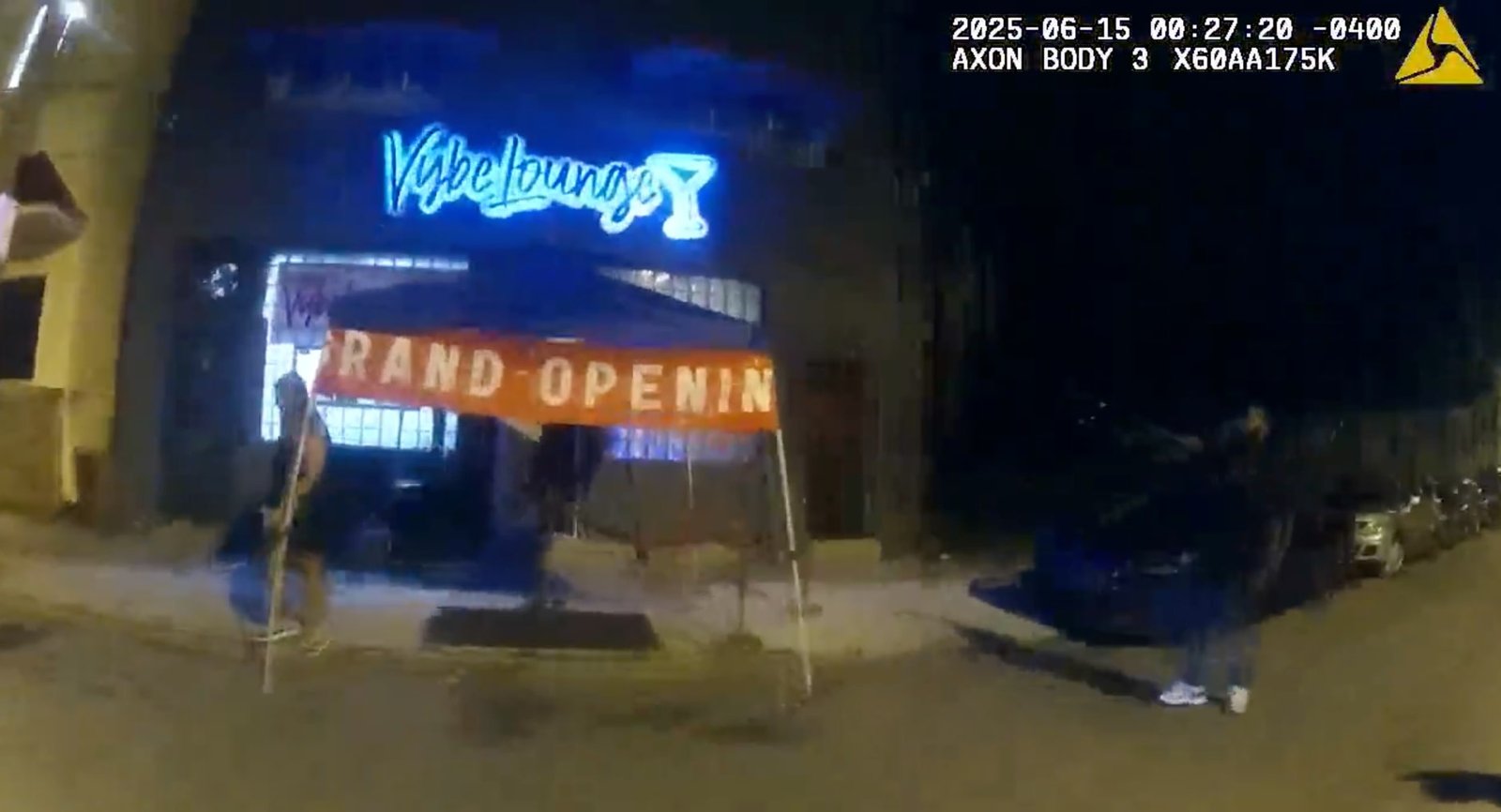
Last summer, a mass shooting outside a nightclub in Johnstown, Pennsylvania, wounded four women and rattled the local community. In its aftermath, reporter Dave Sutor of The Tribune-Democrat said some community members criticized how police responded to the shooting, claiming that officers acted unprofessionally and made racist comments at the scene.
“There were a lot of rumors going around,” Sutor said.
To determine whether those claims were true, Sutor knew he needed to obtain body camera footage and dashboard camera footage that captured what happened when police arrived on scene.
But there was a problem: While Sutor and his newsroom colleagues had experience asking for records under Pennsylvania’s Right-to-Know Law, they were less familiar with requesting records under Act 22, a relatively new state law that governs access to video or audio recordings created by law enforcement agencies.
“To go through this process, it was new to all of us,” Sutor said.
For help, Sutor reached out to Paula Knudsen Burke, the Reporters Committee’s Pennsylvania-based attorney. Burke guided the journalist as he drafted his request. And after it was initially denied, Burke sued the city on The Tribune-Democrat’s behalf, arguing, among other things, that the public’s interest in accessing videos showing what happened at the scene of the shooting outweighed the government’s interest in keeping the footage private.
“[A]ccess to the requested footage will give the public, the press, and police departments across the country attempting to be more responsive to the communities they serve a better understanding of the circumstances surrounding the City’s responsiveness,” the lawsuit stated.
Months later, Burke helped The Tribune-Democrat negotiate a settlement with the city. As part of the settlement, city officials agreed to turn over more than 20 hours of police bodycam and dashcam footage, making it the latest case in which Burke has helped newsrooms and journalists obtain law enforcement recordings under Act 22.
Last month, Sutor used that footage to report an in-depth story that dispelled some of the rumors about the police response to the nightclub shooting. According to Sutor’s reporting, “The videos showed no physical or verbal altercations between police officers and people at the club, nor does any use of racial slurs exist in the recorded footage.” The officers who responded to the scene, Sutor reported, appeared to be engaged in “routine police work” in the aftermath of the shooting.
In an interview, Sutor praised Burke and the Reporters Committee for their free legal support — from the initial records request all the way to the settlement. He said obtaining the police recordings helped the newspaper tell a story that otherwise could not have been told.
Without that help, “I don’t know if we would have been able to [access the records] on our own,” he said. “The assistance was very valuable.”
Check out The Tribune-Democrat’s coverage to learn more about the police response to the mass shooting and the free legal support that helped make the recordings public.
Read the full article here
Fact Checker
Verify the accuracy of this article using AI-powered analysis and real-time sources.