

 Freedom Index
Listen to the article
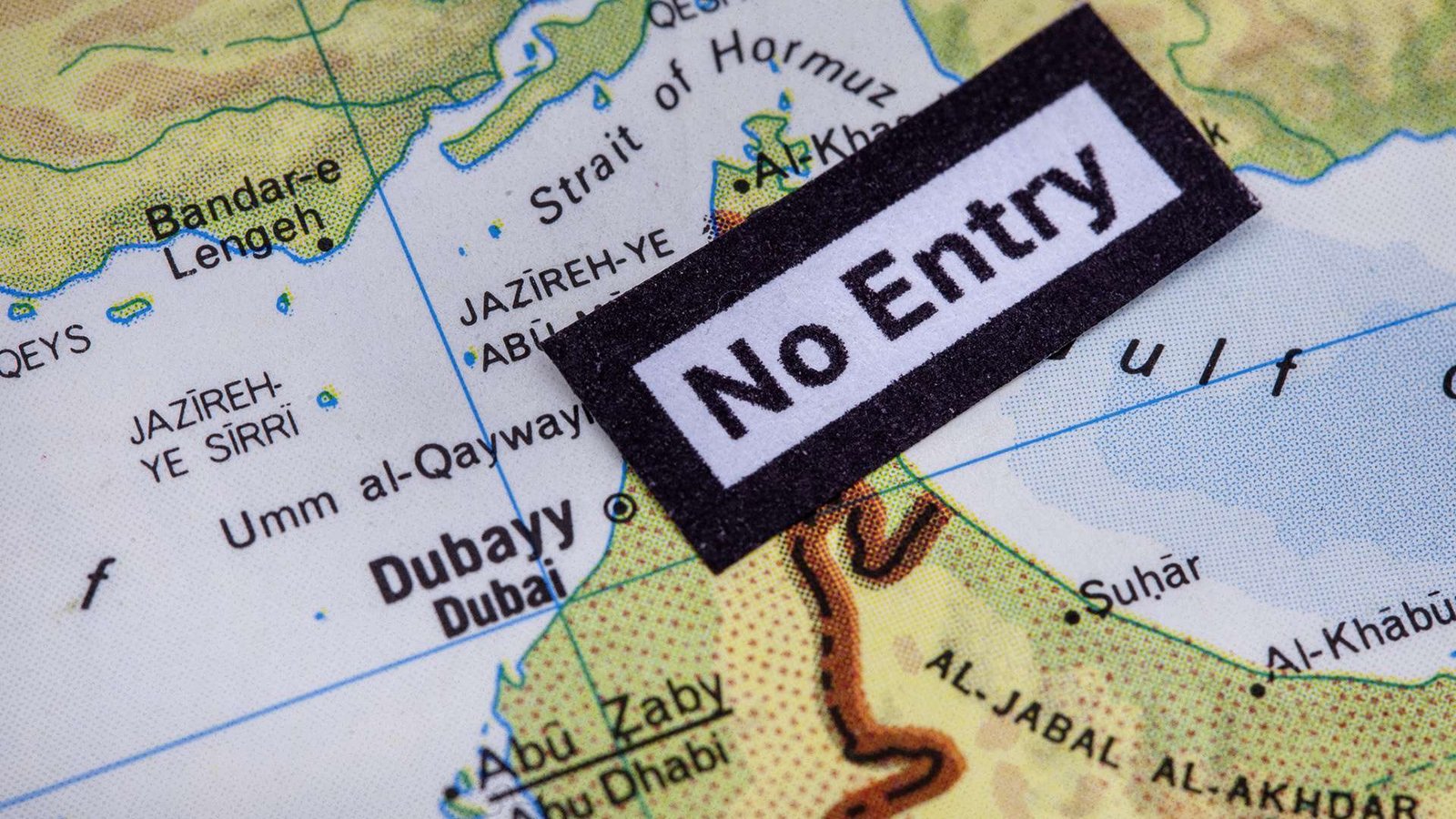
Last week, the Trump administration teased a deal with Iran to reopen the Strait of Hormuz closed by war. President Donald Trump said on August 4 that the deal “could happen tomorrow or the next day.” Secretary of the Treasury Scott Bessent said the same day that “we may have a deal today or tomorrow to open the strait and move towards a more normalized position.” It is now August 10, and no deal is in sight.
Iran’s Supreme National Security Council secretary declared on Saturday that it would only allow the Strait of Hormuz to reopen with a permanent end to the war, an end to the U.S. blockade and financial sanctions on Iran, and financial compensation. (The first two points were also part of the June peace memorandum that both countries signed, and the third is a new demand.) Trump told Axios on Sunday that he is now “only semi-negotiating” with Iran and that the situation will just “work out” on its own.
Meanwhile, the situation in the strait itself is the same as it’s been for the past few months. Iran is insisting that it has the right to route shipping through an Iranian-controlled corridor and is shooting at ships that don’t comply. The U.S. is guiding convoys of oil tankers, with their radio transponders turned off, through a corridor in Omani waters. Oil flows were at around 5 million barrels on Friday, down from 20 million barrels per day before the war, according to the market research service Commodity Context. Kpler, another data firm, reports only 32 ships transited the strait over the weekend, 17 of which used the Iranian corridor.
Rory Johnson, founder of Commodity Context, wrote that even the current level of U.S.-backed “dark transits” is “unsustainable,” simply because not enough empty tankers are entering the Persian Gulf.
The U.S.-Israel surprise attack on February 28 was supposed to bring Iran to heel within a matter of days or weeks, according to its architects. Instead, it created a whole new headache. The Iranian government quickly discovered that it had an opportunity to throttle the world economy in order to punish the countries attacking it, extract ransom from merchants, and, eventually, to leverage more concessions out of a peace deal. A war that was supposed to reshape the Middle East in Washington’s favor instead became a struggle to get back to the status quo ante.
Trump has been unable to stomach either the military or the diplomatic solution. He has threatened Iran with extreme escalation, only to back down multiple times—most recently last week—after being told by his generals that they simply do not have enough ammunition to protect U.S. troops. Trump has been able to strike peace deals acceptable to the U.S. and Iran on paper, but without being able to follow through, largely because of domestic U.S. politics. Any concession, even those that cost Americans nothing, runs into emotionally charged opposition.
The April ceasefire agreement had promised an end to the war across the entire region, including Israel’s campaign in southern Lebanon. Faced with Israeli pushback, Trump quickly attempted to change the deal to exclude Lebanon. The June memorandum promised both an end to the war in Lebanon and the unfreezing of Iranian bank accounts abroad. Again, faced with domestic attacks about “paying” Iran money, Trump didn’t follow through. Each time, Iranian leaders have come back to the table demanding more concessions up front while escalating their own harassment of Hormuz shipping.
Last week, Iran and Oman struck a deal between themselves to manage the Strait of Hormuz. Rather than having separate Iran-backed and U.S.-backed routes, the two countries would have a single inbound lane through Iranian waters and a single outbound lane through Omani waters, giving both countries a veto over traffic. The Trump administration was reportedly willing to support the Iranian-Omani diplomacy, but Iranian Foreign Minister Abbas Araghchi then declared that Hormuz would not open without U.S. concessions up front.
In response to Iran’s added demand for compensation, Trump declared on Monday that he is “likewise demanding compensation from Iran.” He recited the decades-old list of grievances that had motivated the push for war in the first place. Some of Trump’s grievances, such as Iranian support for guerrillas in Iraq and the government’s repression of its own people, are real. But he also blamed Iran for the 2000 attack on the USS Cole by Al Qaeda, a sworn enemy of Iran. That complaint points to many hawks’ original hope for the war: Iran was supposed to pay for U.S. failures across the Middle East and restore American honor in the region.
But military force simply wasn’t able to force that kind of Iranian surrender, at least not on the promised timeline at the promised cost. Now Trump’s theory of victory, as he articulated it to Axios, is that the ongoing U.S. blockade will cause the already war-damaged Iran to fall apart. Of course, the enemy gets a vote, too. A few days after Trump reimposed the blockade last month, Iran’s Houthi allies in Yemen began directly attacking Saudi oil infrastructure. The U.S. Strategic Petroleum Reserve, which has blunted much of the impact of the war so far, fell to its lowest level in four decades on Monday.
There is some reason for optimism: Both sides realize they’re in a race to the bottom. “God willing, we will reach a point where we can get out of this state of neither war nor peace,” Iranian President Masoud Pezeshkian said on Saturday. “I’d rather make a deal because I don’t want to kill people,” Trump told supporters last week. If only he had come to this insight before starting the war.
Read the full article here
Fact Checker
Verify the accuracy of this article using AI-powered analysis and real-time sources.