Filipino artist Elmer Saflor has sued Memes Apps, which runs Memes.ai, over what he says was the sale of his comic as an advertising template.
The complaint pleads direct, contributory and vicarious infringement, and seeks an injunction and the platform’s profits.
Unlike the Stability AI and Midjourney cases, the claim does not turn on how a model was trained.
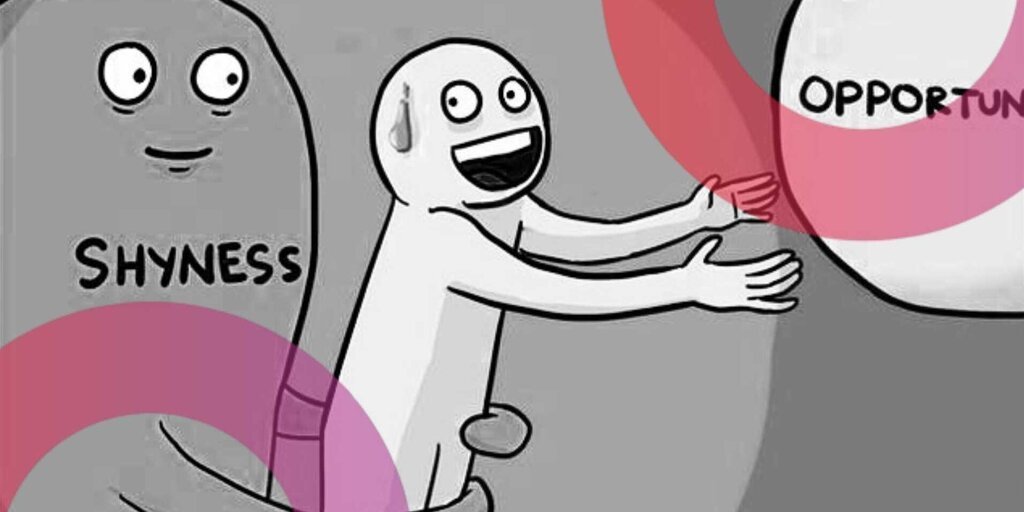
A Filipino cartoonist has sued the company behind AI ad generator Memes.ai, alleging it sold access to his best-known comic as a template for advertising. Elmer Saflor, aka “Superelmer,” filed the complaint on July 1 in the Central District of California, claiming Memes Apps offered “Running Away Balloon”—a two-panel strip he registered in 2024—to paying subscribers.
In the original, posted to Facebook in April 2017, a grey stick figure reaches for a balloon labeled “opportunities,” held back by a pink character marked “shyness.”
“Running Away Balloon” comic. Image: Elmer Saflor
Memes.ai markets itself to brands, agencies and marketers, with plans from $40 to $199 a month and quotas of up to 1,000 meme ads. Its site tells customers that generated ads “are yours to use for your business,” including in paid advertising, according to the complaint.
Most artist suits against AI firms argue over whether ingesting works to train a model is fair use—the question that has ground through the Stability AI and Midjourney litigation since 2023. Saflor’s filing does not raise it. He pleads ordinary reproduction and public display, alleging the artwork sat in the template library under its own name, searchable by any subscriber.
The complaint leans on the company’s own marketing to argue the infringement was willful, noting it urges customers to “fire your ad agency”—agencies that license the content they use—while claiming copyright in its own website.
What’s at stake
Saflor wants a permanent injunction, an accounting of profits and disgorgement, plus statutory damages the Copyright Act caps at $150,000 per work for willful infringement—but his main goal is to push for discovery and raise “broader questions about how AI-powered platforms use creators’ work,” the artist told Ars Technica.
Internet law scholar Eric Goldman told the tech publication that a ruling against Memes Apps could reach every meme generator. A federal appeals court held in 2024 that Steve King’s campaign infringed the “Success Kid” meme by using it in fundraising posts, a ruling Goldman read as leaving meme use in ads unprotected. In his lawsuit, Saflor is targeting the supplier rather than the advertiser, something that Goldman argued could create “a whole host of other legal dilemmas.”
Daily Debrief Newsletter
Start every day with the top news stories right now, plus original features, a podcast, videos and more.
The FSNN News Room is the voice of our in-house journalists, editors, and researchers. We deliver timely, unbiased reporting at the crossroads of finance, cryptocurrency, and global politics, providing clear, fact-driven analysis free from agendas.
We and our selected partners wish to use cookies to collect information about you for functional purposes and statistical marketing. You may not give us your consent for certain purposes by selecting an option and you can withdraw your consent at any time via the cookie icon.
Cookies are small text that can be used by websites to make the user experience more efficient. The law states that we may store cookies on your device if they are strictly necessary for the operation of this site. For all other types of cookies, we need your permission. This site uses various types of cookies. Some cookies are placed by third party services that appear on our pages.
Your permission applies to the following domains:
https://fsnn.net
Necessary
Necessary cookies help make a website usable by enabling basic functions like page navigation and access to secure areas of the website. The website cannot function properly without these cookies.
Statistic
Statistic cookies help website owners to understand how visitors interact with websites by collecting and reporting information anonymously.
Preferences
Preference cookies enable a website to remember information that changes the way the website behaves or looks, like your preferred language or the region that you are in.
Marketing
Marketing cookies are used to track visitors across websites. The intention is to display ads that are relevant and engaging for the individual user and thereby more valuable for publishers and third party advertisers.


 Freedom Index