

 Freedom Index
Listen to the article
This year, companies paid $8 million or more for each 30-second commercial that aired during the Super Bowl broadcast.
In one ad, Ring—the Amazon-owned maker of video doorbells and security lights—touted a new family-friendly feature that some viewers worry could be used by police or even immigration enforcement.
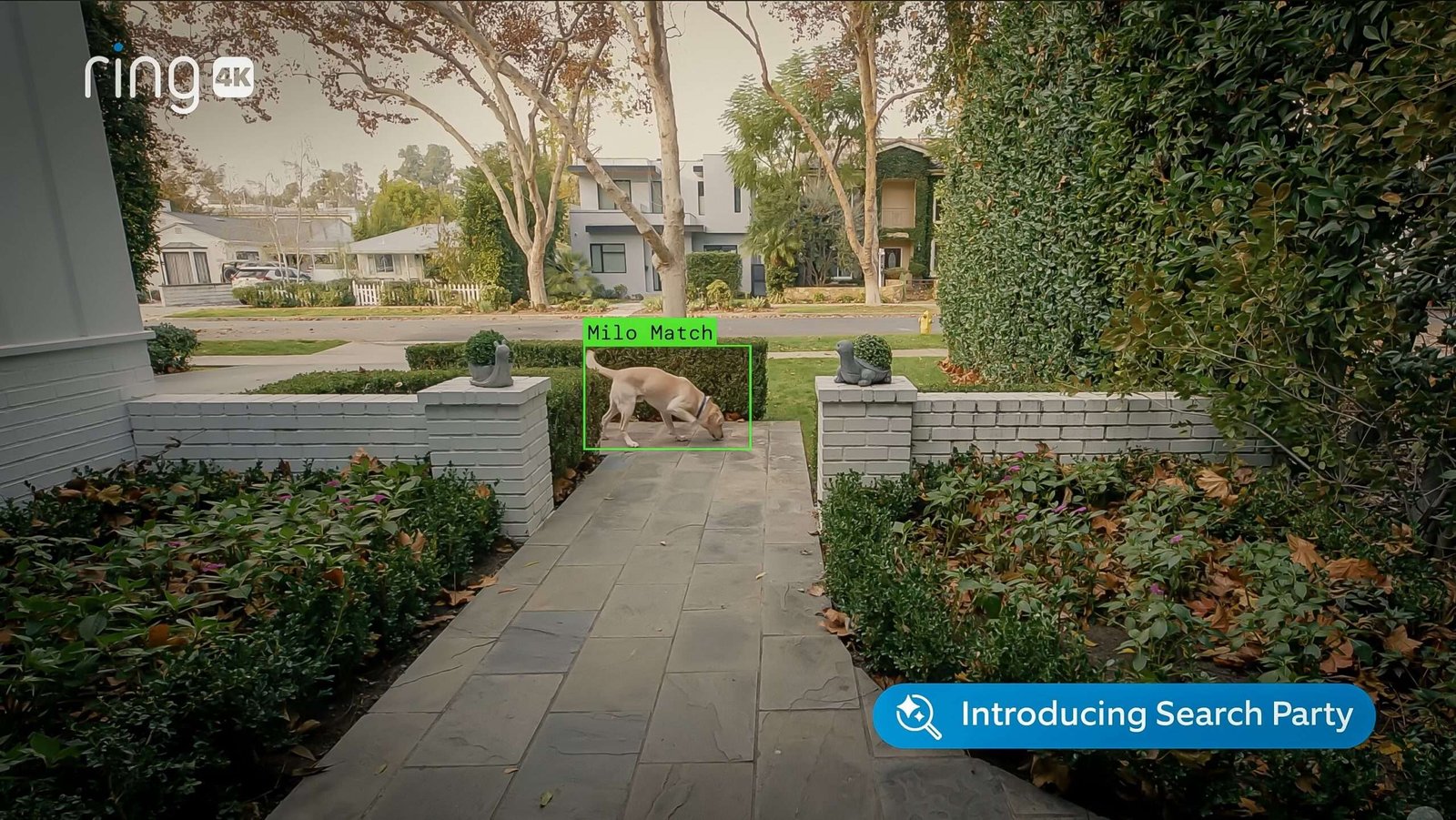
“Pets are family,” Ring founder Jamie Siminoff says in the commercial. “But every year, 10 million go missing, and the way we look for them hasn’t changed in years—until now.”
The ad introduces Search Party, a feature in which users can upload a picture of their lost dog, and Ring cameras will use AI to search for the animal—like doggy facial recognition. “Since launch, more than a dog a day has been reunited with their family,” Siminoff bragged.
Not everybody was thrilled with this new functionality; some viewers worried about its potential use by law enforcement.
In a viral X post, one user characterized the ad’s message as, “10 million dogs go missing every year, help us find 365 of them by soft launching the total surveillance state.” Scott Lincicome of the Cato Institute quipped that Ring should instead have called its dog surveillance network “the Pawnopticon.”
But snark aside, there actually is reason to fear that this technology could be weaponized against unsuspecting civilians.
In 2022, it emerged that police departments could access Ring footage without the camera owners’ permission or even a warrant, through a dedicated portal on the service’s website. Ring later announced it would end this feature, but the renewed dedication to user privacy was short-lived. In October 2025, the company inked partnerships with both Flock Safety—which makes law enforcement devices like security cameras and automated license plate readers—and its competitor Axon Enterprises, whose product line includes Tasers and body cameras. The deals would allow Ring users to share footage with police departments across the country that use either Flock or Axon software.
“This is a bad, bad step for Ring and the broader public,” Matthew Guariglia of the Electronic Frontier Foundation (EFF) wrote at the time. “Ring is rolling back many of the reforms it’s made in the last few years by easing police access to footage from millions of homes in the United States. This is a grave threat to civil liberties in the United States. After all, police have used Ring footage to spy on protestors, and obtained footage without a warrant or consent of the user.”
Last month, amid escalating violence committed by U.S. Immigration and Customs Enforcement (ICE) agents, social media users called on customers to dump Ring’s products, as the company’s partnership with Flock posed the possibility that ICE could access its footage. For its part, Flock says it “does not work with” or “partner with ICE,” and police departments can only access footage by requesting it from the camera’s owners.
But as 404 Media reported last year, local police departments routinely searched Flock’s camera network on ICE’s behalf, “giving federal law enforcement side-door access to a tool that it currently does not have a formal contract for.”
Illinois Secretary of State Alexi Giannoulias announced in August that Flock had granted U.S. Customs and Border Protection (CBP) access to its license plate readers in Illinois—a violation of state law. In response, the city of Evanston deactivated its Flock license plate readers, terminated its contract with the company, and ordered all the cameras taken down. Flock removed 15 of its 18 stationary cameras in Evanston only to immediately reinstall them near their original locations.
Just last week, Mountain View, California, shut down its system of Flock license plate readers after a local media investigation revealed that hundreds of law enforcement agencies had accessed and searched the network without the city’s authorization.
Per the Ring commercial, Search Party uses AI to detect pets based on uploaded photos, akin to facial recognition. ICE is already using facial recognition software in places like Minnesota, not only against suspected undocumented migrants but also against protesters. Last month, ICE officers in Maine photographed a legal observer and told her, “We have a nice little database, and now you’re considered a domestic terrorist.” (At the time, Department of Homeland Security spokesperson Tricia McLaughlin denied to Reason‘s C.J. Ciaramella that such a database exists.)
Ring claims on its website, “Search Party does not use AI to identify pet owners or people.” But the company’s history includes many broken promises, with law enforcement agencies accessing footage they’re not entitled to without users’ permission. A high-tech feature for finding lost dogs is obviously useful and appealing, but it’s worth considering the potential ramifications for civil liberties.
Read the full article here
Fact Checker
Verify the accuracy of this article using AI-powered analysis and real-time sources.