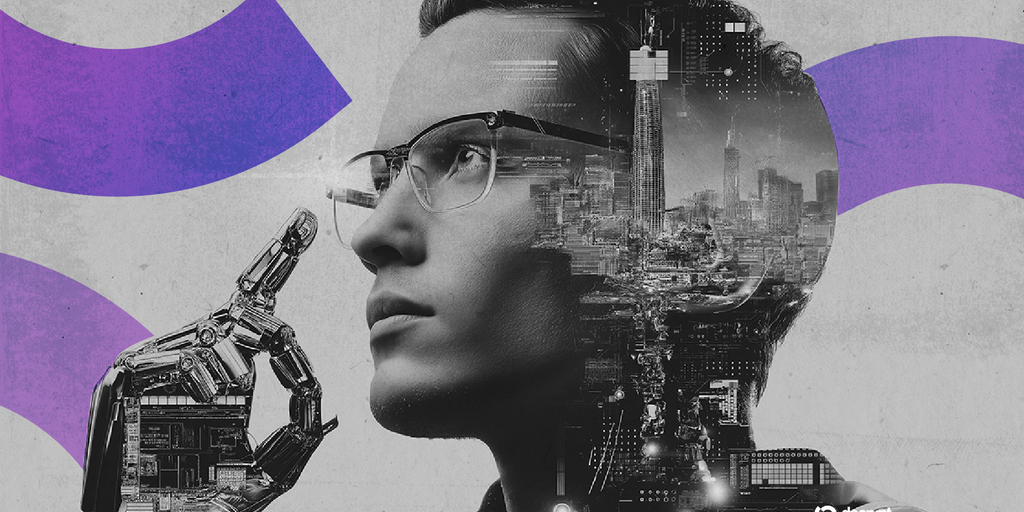
SB 903 would prohibit companion chatbots from offering psychotherapy.
AI could assist clinicians but could not make independent therapeutic decisions.
The bill cleared the Assembly Appropriations Committee 13-0 on August 13.
California is one step closer to barring AI chatbots from posing as therapists and making mental health decisions without human oversight.
Introduced on January 21, Senate Bill 903 cleared the Assembly Appropriations Committee in a 13-0 vote on Thursday and was ordered to a third reading. No date has been announced for the Assembly vote.
Myriad: When will OpenAI release GPT-6? Click to make your prediction.
“AI algorithms are not fit to take over the job of human therapists, who have skills and training that AI is incapable of replicating,” bill author California State Senator Steve Padilla said in a statement when introducing the measure. “We must act and place guardrails that prevent AI algorithms from being deployed in a way that is potentially harmful to patients.”
Also known as the Wellness and Oversight for Psychological Resources Act, SB 903 would limit AI in psychotherapy to support tasks, bar chatbots from posing as therapists and require clinician oversight and patient consent. It would also protect therapy data while exempting peer support, religious counseling, research and federally approved medical tools.
The Senate passed SB 903 by a 39-0 vote in May. It later cleared two Assembly policy committees by votes of 17-0 and 14-1. If the Assembly approves the amended bill, it would return to the Senate for concurrence before going to California Governor Gavin Newsom for signing.
Critics, including Robert Boykin, executive director of the technology industry group TechNet, said requiring clinician involvement could delay care as counties face shortages of behavioral healthcare workers.
“At a time when every county in California faces a shortage of behavioral healthcare workers, SB 903 still puts a clinician bottleneck in front of the intake and screening tools that help patients reach care faster,” Boykin told the non-profit news outlet CalMatters in a statement.
The news comes amid growing concern over AI’s mental health effects.
In June, an American Psychological Association survey found that 77% of psychologists had patients who used AI for mental health purposes, while researchers at King’s College London, the Protestant University of Applied Sciences and the City University of New York found that chatbots can reinforce delusions through excessive agreement and personalized responses.
“The tendency of AI chatbots to agree with user opinions has been likened to social media echo chambers and, in its most extreme form, to an ‘echo chamber of one,’ where the positive corrective influence of real-life social interactions is absent,” the researchers wrote.
Daily Debrief Newsletter
Start every day with the top news stories right now, plus original features, a podcast, videos and more.
The FSNN News Room is the voice of our in-house journalists, editors, and researchers. We deliver timely, unbiased reporting at the crossroads of finance, cryptocurrency, and global politics, providing clear, fact-driven analysis free from agendas.
We and our selected partners wish to use cookies to collect information about you for functional purposes and statistical marketing. You may not give us your consent for certain purposes by selecting an option and you can withdraw your consent at any time via the cookie icon.
Cookies are small text that can be used by websites to make the user experience more efficient. The law states that we may store cookies on your device if they are strictly necessary for the operation of this site. For all other types of cookies, we need your permission. This site uses various types of cookies. Some cookies are placed by third party services that appear on our pages.
Your permission applies to the following domains:
https://fsnn.net
Necessary
Necessary cookies help make a website usable by enabling basic functions like page navigation and access to secure areas of the website. The website cannot function properly without these cookies.
Statistic
Statistic cookies help website owners to understand how visitors interact with websites by collecting and reporting information anonymously.
Preferences
Preference cookies enable a website to remember information that changes the way the website behaves or looks, like your preferred language or the region that you are in.
Marketing
Marketing cookies are used to track visitors across websites. The intention is to display ads that are relevant and engaging for the individual user and thereby more valuable for publishers and third party advertisers.


 Freedom Index