

 Freedom Index
Listen to the article
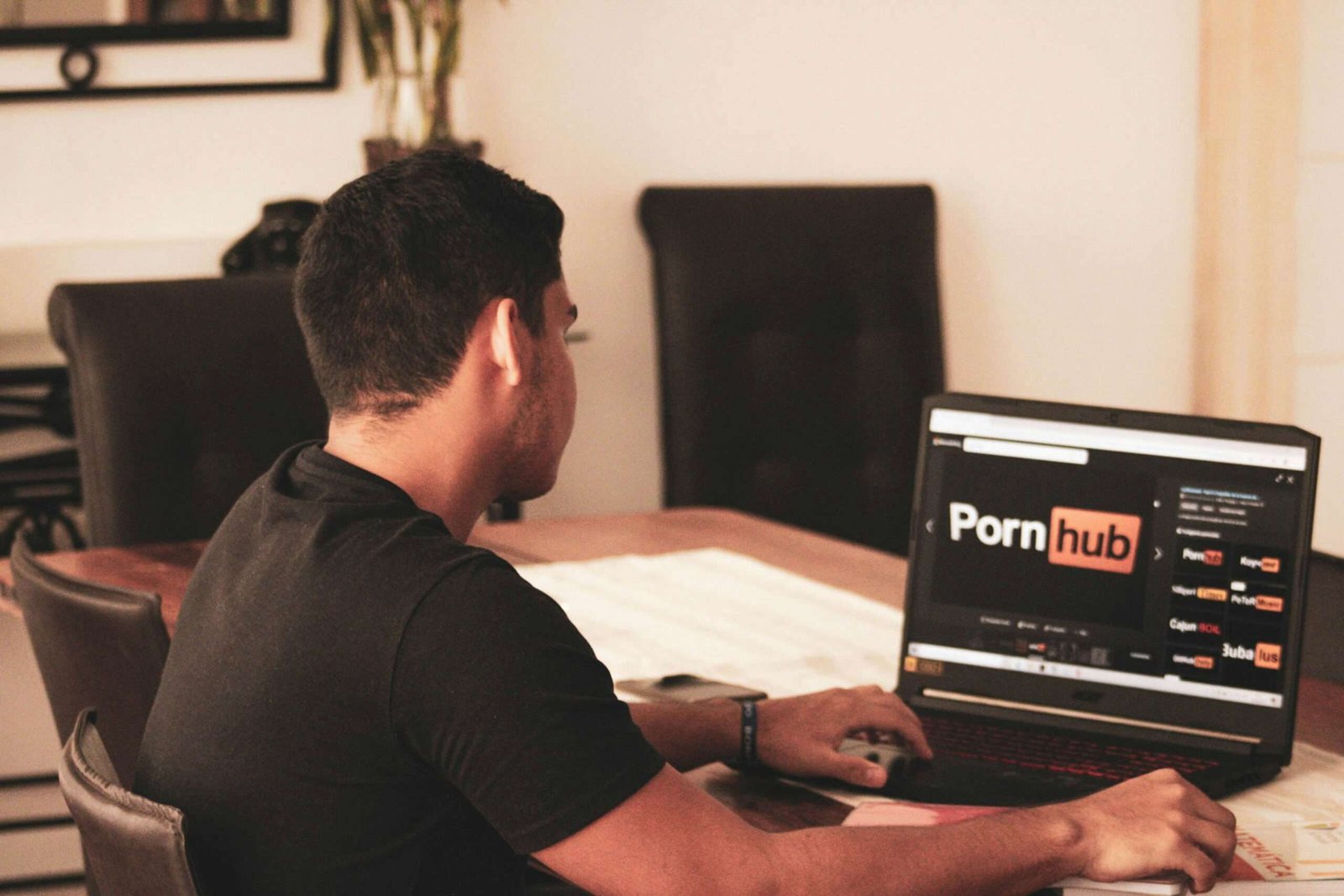
Pennsylvania lawmakers are proposing a new 10 percent tax on porn. The tax would apply to “subscriptions to and one-time purchases from online adult content platforms,” according to a memo from the bipartisan pair of lawmakers behind the plan.
You are reading Sex & Tech, from Elizabeth Nolan Brown. Get more of Elizabeth’s sex, tech, bodily autonomy, law, and online culture coverage.
The porn tax—or “tiddy tariff,” as the Free Speech Coalition’s Mike Stabile has dubbed it—would be levied in addition to the state’s normal 6 percent sales and use tax.
As a means to either raise revenue or discourage porn consumption (or both), this type of tax might make sense if most porn viewers were paying for porn videos or platform subscriptions. But in a world of ample free porn, it seems unlikely to accomplish either of the state’s likely aims. You can’t tax what people already aren’t paying for.
And to the extent that it even further disincentivizes paying for porn, it could actually work against goals like protecting sex workers from exploitation, or keeping people from viewing porn that was made in illegal or exploitative ways.
Whether people are paying for porn via one-time or subscription fees to a particular porn platform, performer/creator, or production company, it helps ensure that the content in question was made in a legal manner and that performers are getting paid for their labor. Platforms that enable direct-to-performer payments are especially valuable for letting sex workers take control of their work conditions and sexual boundaries. Reputable production companies ensure that performances are consensual and performers are above age.
Directly or indirectly hiking taxes on consumers who want to pay for porn won’t stop people from watching porn, but it could disincentivize doing it in the most ethical ways.
Pennsylvania’s porn tax proposal comes from state Sens. Marty Flynn (D–District 22) and Joe Picozzi (R–District 5). “In the near future, we will be introducing legislation to impose an additional 10% tax on subscriptions to and one-time purchases from online adult content platforms,” they wrote in an October 15 memo to Senate colleagues. “This tax will be applied in addition to the Commonwealth’s existing 6% sales and use tax, ensuring that Pennsylvania captures revenue from this rapidly growing sector of the digital economy.”
It’s unclear from the memo whether the porn is to be levied directly on porn consumers or on the porn platforms and creators selling porn. But, ultimately, this is something of a distinction with little difference.
If it’s levied directly on porn platforms and creators, the end result could still be higher prices for porn consumers. And if it’s levied directly on consumers, it still threatens to depress revenue for people actually doing the work—all so the state can benefit.
The money made from the porn tax would go to Pennsylvania’s general fund.
Inexplicably, Flynn and Picozzi describe levying an additional 10 percent tax on porn as a way to “ensure that these platforms contribute their fair share.”
Perhaps Flynn and Picozzi want to pretend this will only cut into the profits of big, nameless porn platforms whose money they, for some reason, believe the government is entitled to. But a huge portion of online porn is made by independent creators. And whether the tax money is coming directly from performers’ pockets or winds up indirectly levied on them (through consumers paying for less porn, the platforms that serve as middlemen taking higher fees, and so on), they’re the ones who stand to suffer the most from any targeted tax on porn.
However the porn tax would work in practice, it represents the state singling out a sort of speech they disfavor for additional taxation and trying to take a cut of sex workers’ profits well above and beyond the cut they take for all industries.
More Sex & Tech News
It’s not illegal to protest while dressed as a giant penis. Someone tell that to Fairhope, Alabama, police who arrested a 61-year-old woman for peacefully protesting in an inflatable phallus outfit.
Correlation isn’t causation…unless it confirms my priors? A new study published in JAMA “found that cohorts that increase their social-media use from ages nine through 13 not only have lower literacy levels, but also show weaker cognitive function across a range of tests,” notes Matthew Yglesias. But “if you actually dig in…the research methods are pretty bad.” Like so much research into the effects of social media, this study doesn’t necessarily show that the poorer outcomes are a result of social media use. It could be that people with lower literacy levels and poorer cognitive function are more drawn to social media. Or it could be that some third thing—trouble at home, mental health issues, whatever—tends to result in both more social media use and the negative cognitive outcomes.
But of course people—including Yglesias—are going to take this as obvious confirmation of their preexisting suspicions about social media. “If I were deeply skeptical of the idea that social-media use has downstream negative consequences, I would not be at all persuaded by the mere presence of the association that this study finds,” writes Yglesias. “That said, I am actually not at all skeptical of this, and I’m happy to add the paper to the growing pile of indicators that the proliferation and ubiquity of short-form, algorithmically distributed digital video is eating away at the foundations of our society.”
Should you have to show your ID to download a period tracker or a weather app? Ohio lawmakers are considering two more age verification bills, one that would require app stores to check ages and one that would require more age verification by individual apps. Refreshingly (and somewhat surprisingly), “both proposals got a pretty frosty welcome from lawmakers,” WTOL 11 reports:
State Sen. Bill DeMora, D-Columbus, said both proposals amounted to censorship. What about a young woman who wants to track her periods? What about elderly Ohioans who just can’t figure out how to verify their age?
Sen. Bill Blessing, R-Colerain Twp., argued parents already have parental control tools, and he criticized both measures for relying on the attorney general to enforce the law. The first Senate bill, that would have app stores conduct age verification, has a narrow private cause of action; the other Senate bill explicitly has none. Blessing suggested giving a single elected official sole responsibility for policing some of the largest companies in the world might not end well.
DHS seeks OpenAI data: A warrant filed by the Department of Homeland Security “reveals the government can ask OpenAI to provide information on anyone who enters specific prompts,” reports Forbes. “The case shows how American law enforcement can use ChatGPT prompts to gather data on users suspected of criminal activity,” notes Forbes senior writer Thomas Brewster. “In the past, search engines like Google have been asked to hand over personal information on users who entered certain searches, but no generative AI platform was known to have been asked the same for those entering prompts. That makes this the first public example of this kind of reverse AI prompt request.”
In this case, the cause is sympathetic: “federal agents were struggling to uncover the identity of a darkweb child exploitation site.” But it still raises some disturbing possibilities. What if multiple people have entered the same prompt as a criminal suspect? Can ChatGPT prompts be used in criminal prosecutions in other ways? “It’s more important than ever for OpenAI and other AI companies to think about how to limit the amount of data they collect on their users,” Jennifer Lynch, a lawyer with the Electronic Frontier Foundation, told Forbes.
A spate of “social media addiction” trials are starting soon. From Bloomberg:
The first bellwether trial is scheduled to begin in Los Angeles Superior Court in late January. It involves a 19-year-old woman from Chico, California, who says she’s been addicted to social media for more than a decade and that her nonstop use of the platforms has caused anxiety, depression and body dysmorphia. Two other trials will follow soon after, with thousands more waiting in the wings. If successful, these cases could result in multibillion-dollar settlements — akin to tobacco and opioid litigation – and change the way minors interact with social media.
The lawsuits attempt to get around Section 230 and the First Amendment by arguing that it’s not the content of social media platforms that people find addicting (OK) but their design. If successful, we’re looking at a near-endless onslaught of people looking to make money off their inability to put down their phones.
Florida is launching a criminal investigation into the video game platform Roblox, which Republican Florida Attorney General James Uthmeier has called a “breeding ground for predators.”
Today’s Image
Read the full article here
Fact Checker
Verify the accuracy of this article using AI-powered analysis and real-time sources.