

 Freedom Index
Listen to the article
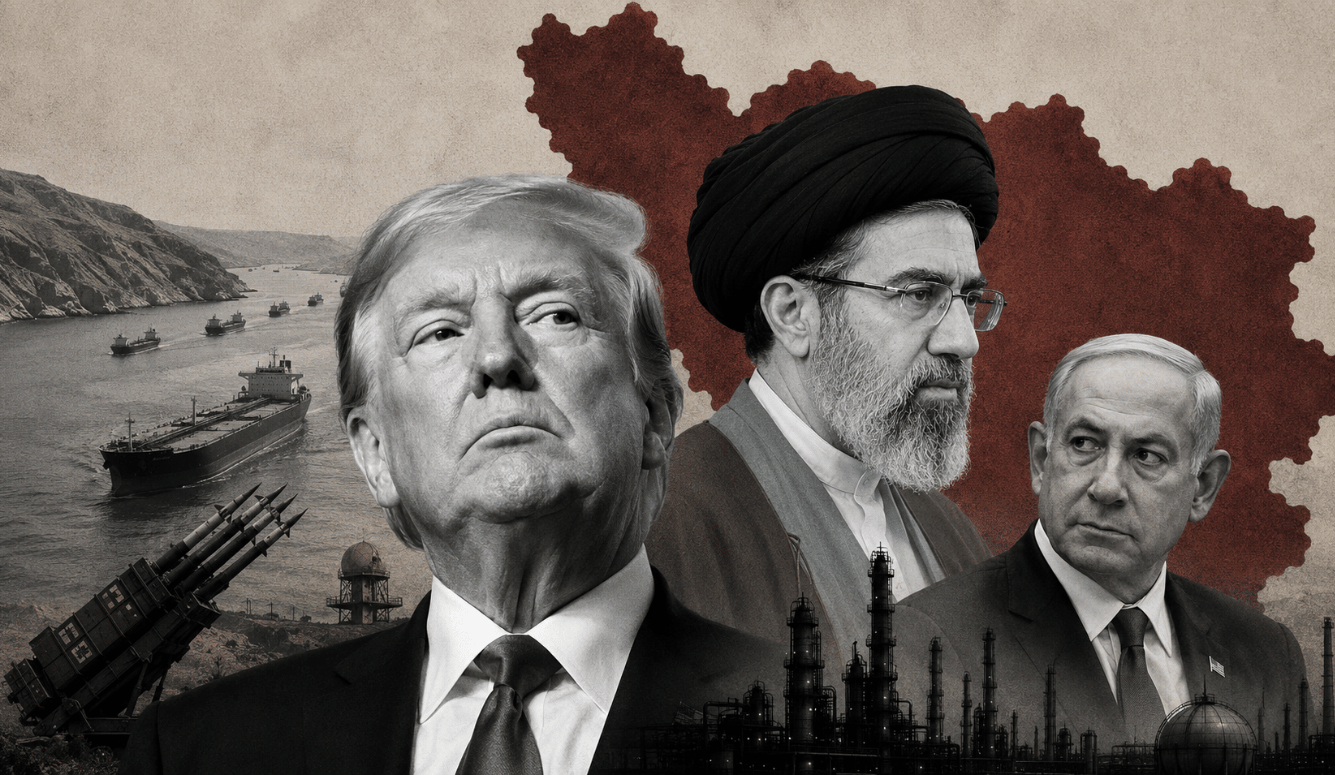
The United States and Iran appear to be on the brink of renewing full-scale warfare, following a week of limited but steadily expanding hostilities. Tehran has fired at ships attempting to traverse the Strait of Hormuz, while American jets, drones and cruise missiles have targeted Iranian anti-aircraft missile systems and rocket and drone launch and storage sites, mainly with the aim of degrading Iran’s ability to control the strait. Yet Iranian truculence has not diminished, and the Americans, meanwhile, have been reinforcing their aerial deployments around the Middle East: a new squadron of F-16 fighters reached Jordan over the weekend, and KC-135 air-refuelling tankers have arrived in Israel. Fleets of these tankers enabled Israeli and American bombers to reach and return from Iran during the protracted bombing campaign of February–April 2026.
The past week’s American strikes, gradually increasing in number, at first hit military sites along Iran’s southern shoreline and then crept northwards, targeting several sites near Tehran and selected civilian infrastructure, including a small desalination plant, bridges and an airport.
Iran responded with rocket and drone attacks on American military bases in Kuwait, Qatar, Bahrain, Jordan and Saudi Arabia—and even on an American base in eastern Syria—and hit a desalination plant in Kuwait. Four US servicemen were reported killed in Jordan and Iraq over the weekend—which will either incentivise President Trump to pull back from the brink or provoke him into escalating the bombing of Iran. Time will tell.
So far, the Iranians, while issuing threats, have refrained from attacking Israel (which, like the Sunni Muslim Gulf states, also serves as a base for the American military), fearing the might of the Israel Air Force (IAF), so persuasively demonstrated in the June 2025 and February–April campaigns against Iran.
But on Sunday, Iran fired ballistic missiles at the Jordanian port of Aqaba, just across the border from Israel’s southern port city of Eilat. Israel ended up firing Iron Dome interceptors at fragments of the downed Iranian missiles to prevent them from falling on Israeli territory, and there is a growing chance that the expansion of Iranian targeting will eventually drag Israel into the battle, even though neither Iran nor, apparently, the US wants Israel involved.
Admiral James Stavridis, a former NATO supreme commander, gave voice on CNN on Sunday to what some of Trump’s advisers are now pressing for—a change of strategy involving the bombing of key Iranian economic facilities, including power plants and oil and gas production sites, which Trump pointedly refused to hit during the February–April campaign despite pleading from Israeli Prime Minister Benjamin Netanyahu.
Netanyahu is eager to have another go at Iran in order to “complete the job”: to topple the Islamist regime in Tehran or at least end Iran’s nuclear weapons project—the two key, and failed, objectives of the US–Israeli February–April offensive.
Devastating Iran’s civilian infrastructure could bring the regime back to the negotiating table in a conciliatory mood or, alternatively, lead to such domestic chaos that the Iranian economy would implode and the regime would eventually collapse. Since the end of the February–April hostilities, the core US and Iranian positions on the nuclear and Hormuz issues have remained so far apart that observers believe a compromise is unimaginable.
Netanyahu is also eager to “finish the job” for domestic political reasons: he faces a general election on 27 October and probably believes that a new, successful campaign against Iran will redeem his lost reputation as “Mr Security” and win back straying traditional Likud voters. Since October 2023, Israel has failed to achieve any of its strategic objectives—destroying the Islamist Hamas organisation in Gaza, destroying or at least neutralising the Lebanese Islamist organisation Hezbollah, and unseating the Islamist regime in Tehran or at least halting its nuclear weapons project.
Netanyahu Appoints Loyalists as Israel Elections Loom
Benjamin Netanyahu’s unprecedented tenure as Israeli prime minister may be about to end.
But just as Trump vetoed expanding the strikes to Iran’s major economic targets in February–April, he has so far resisted the idea in the current bout of hostilities, for much the same reasons. He fears that knocking out power and desalination plants and oil and gas production facilities—which would take years to restore—would engender a major humanitarian crisis and send the global economy into a tailspin, inevitably affecting the American electorate, which is due to vote in the midterm elections in November. Most polls predict that Trump’s Republican Party will lose control of the House of Representatives, and possibly the Senate as well.
But Trump is also keenly aware of his reputation and “legacy”, and wants to go down in the history books as a “winner”. If Iran and its regime emerge in control—of the Strait of Hormuz, and with nuclear weaponry—he will go down as a “loser”.
American domestic considerations aside, Trump is under severe pressure from his embattled Gulf allies—especially Saudi Arabia, the United Arab Emirates, Kuwait, Bahrain and Qatar—to halt the current hostilities, and certainly to refrain from hitting Iran’s civilian installations. These states fear that Iran, responding to an uptick in American bombing, will massively target their own oil and gas installations and desalination plants.
The inconclusive February–April war between America, Israel and Iran—which left the radical, vengeful regime in Tehran in power, and resulted in last month’s Memorandum of Understanding (MOU) featuring major concessions to Iran—highlighted the Gulf states’ military and political vulnerability. With no substantial military capabilities of their own, these states watched America fail to adequately protect them from Iran’s missiles and drones, and concluded that the Americans would sooner or later leave the region, while neighbouring Iran, with a minatory regime in place, would always be around.
Perceptions of Weakness
In his panic-stricken effort to disentangle America from the Middle Eastern mess, Trump now appears to be falling into line with Tehran’s wishes.
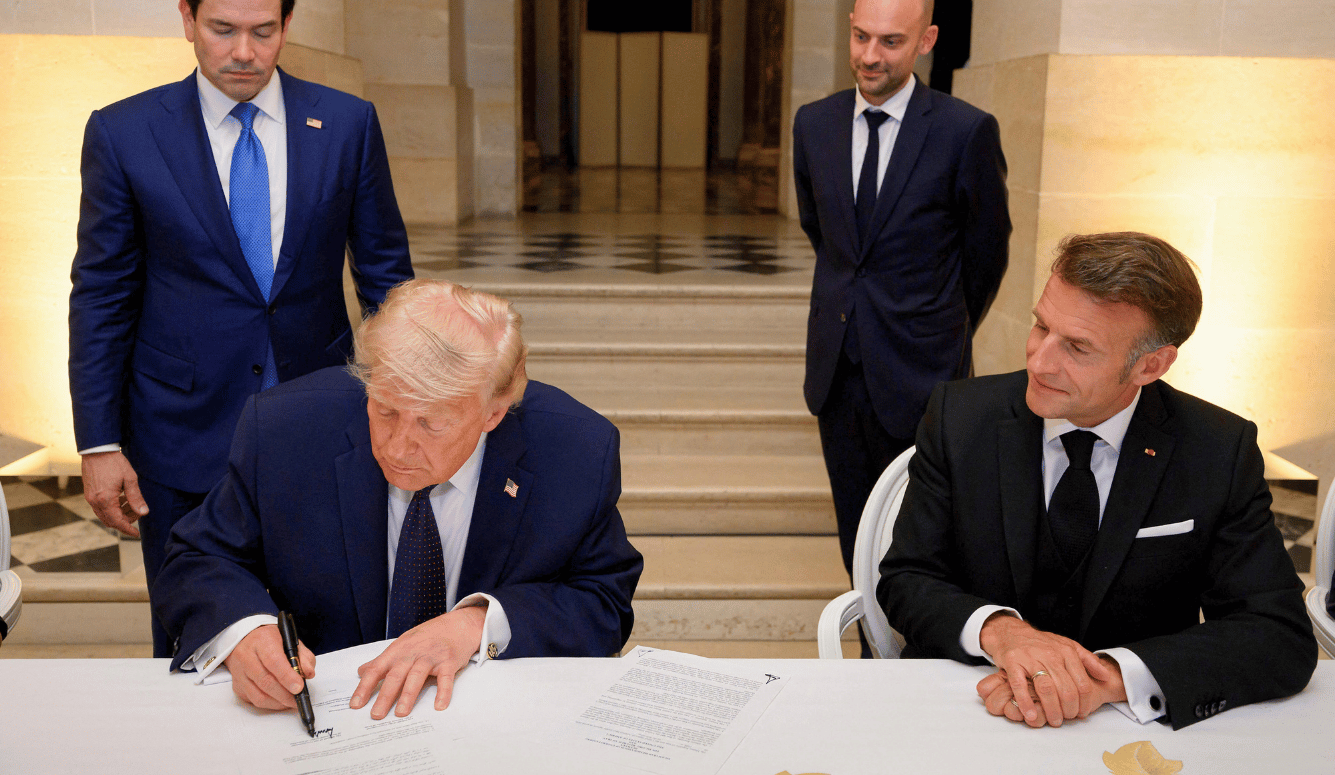
It was Iran’s violation of key terms of the MOU that triggered the current round of hostilities. In the memorandum, Iran appeared to concede the “safe passage of commercial vessels” through Hormuz “in line with applicable international law”. But the language was vague and muddled. Throughout, in all its public declarations, Tehran has insisted that henceforward the strait would remain under its sovereignty or control—in clear breach of international maritime law—and that it would levy a toll on all shipping passing through, providing a continuous boon for the Iranian economy.
Western observers naturally asked: what was to stop Spain or Morocco from closing the Strait of Gibraltar to shipping to and from the Mediterranean, and subjecting all users to similarly extravagant tolls?
Read the full article here
Fact Checker
Verify the accuracy of this article using AI-powered analysis and real-time sources.