Close Menu
FSNN | Free Speech News NetworkFSNN | Free Speech News Network
  • Home
  • News
    • Politics
    • Legal & Courts
    • Tech & Big Tech
    • Campus & Education
    • Media & Culture
    • Global Free Speech
  • Opinions
    • Debates
  • Video/Live
  • Community
  • Freedom Index
  • About
    • Mission
    • Contact
    • Support
Trending

Maybe This Time

17 minutes ago

Iran Is Turning America’s Sanctions Playbook Against It

1 hour ago

Bitcoin’s biggest quantum risk may not be wallet keys. An early investor fears something bigger

2 hours ago
Facebook X (Twitter) Instagram
Facebook X (Twitter) Discord Telegram
FSNN | Free Speech News NetworkFSNN | Free Speech News Network
Market Data Newsletter
Saturday, May 30
  • Home
  • News
    • Politics
    • Legal & Courts
    • Tech & Big Tech
    • Campus & Education
    • Media & Culture
    • Global Free Speech
  • Opinions
    • Debates
  • Video/Live
  • Community
  • Freedom Index
  • About
    • Mission
    • Contact
    • Support
FSNN | Free Speech News NetworkFSNN | Free Speech News Network
Home»News»Media & Culture»Iran Is Turning America’s Sanctions Playbook Against It
Media & Culture

Iran Is Turning America’s Sanctions Playbook Against It

News RoomBy News Room1 hour agoNo Comments4 Mins Read669 Views
Share Facebook Twitter Pinterest Copy Link LinkedIn Tumblr Email VKontakte Telegram
Iran Is Turning America’s Sanctions Playbook Against It
Share
Facebook Twitter Pinterest Email Copy Link

Listen to the article

0:00
0:00

Key Takeaways

Playback Speed

Select a Voice

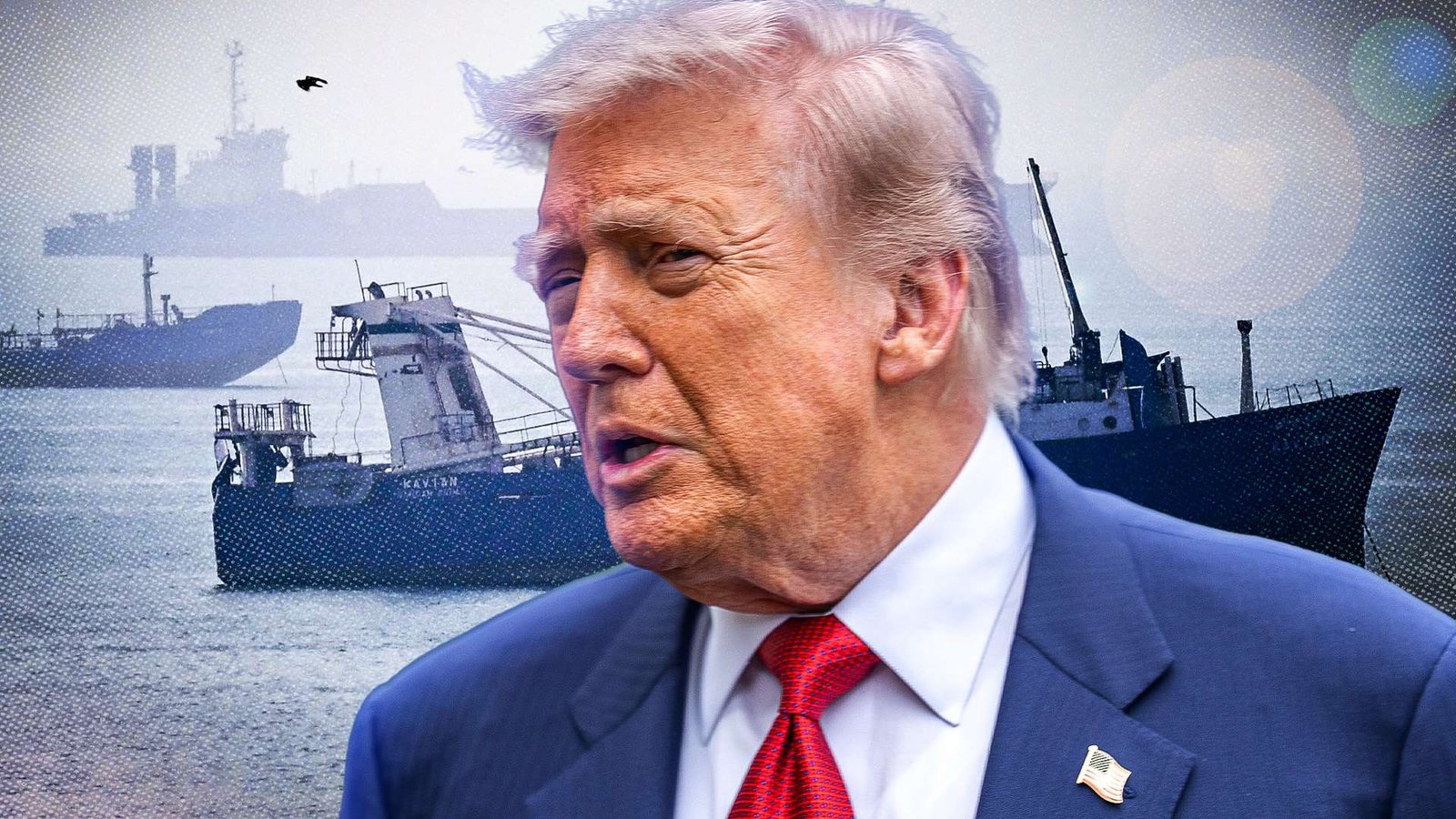
The U.S. government has made it illegal to pay Iran a toll to pass through the Strait of Hormuz. On Thursday, the Department of the Treasury’s Office of Foreign Asset Control (OFAC) imposed sanctions on Iran’s Persian Gulf Strait Authority, forbidding anyone who deals in U.S. dollars from doing business with the Iranian government body collecting the payments.

“The U.S. Treasury will aggressively target any actors involved—directly or indirectly—in facilitating tolls for the Strait and any willing partners will be penalized,” Secretary of the Treasury Scott Bessent declared. “All nations should reject outright any efforts by Iran to disrupt the free flow of commerce.”

It’s easy to miss it, but this action is a dramatic and strange inversion of Washington’s economic strategy. OFAC’s usual job is to stop the free flow of commerce by enforcing trade embargoes and financial sanctions on foreign enemies. The Trump administration in particular has gotten fond of using sanctions (and tariffs) to pressure friends and foes alike. 

U.S. sanctions were historically so effective because almost all of the world’s trade touches the U.S. financial system, directly or indirectly. Even non-American banks would refuse to deal with sanctioned customers for fear of being sanctioned themselves. In recent months, the Trump administration escalated from paper sanctions to physical attacks on Venezuelan and Iranian shipping. But the message was the same: Trading with these nations is not worth the risk. Making an example out of one business would scare the others into compliance.

Now Iran is playing this game in reverse. After the U.S.-Israeli attack in February, the Iranian navy declared the Strait of Hormuz closed and began attacking foreign ships in the Persian Gulf. Throughout the war, the Iranian government developed more systematic control over the waterway, banning ships from hostile nations, charging others ransom to cross through a mine-free safe lane, and cutting side deals with friendly nations.

Proponents of U.S. sanctions often liked to say that they were forcing international business to choose between Iranian markets and the U.S. dollar. With the tollbooth, Iran is presenting foreign countries with their own choice between U.S. support and petrochemical supply chains.

And the U.S. Treasury is reacting in the way that foreigners have historically reacted to U.S. sanctions. In the 1990s, the European Union passed a “blocking statute” that banned its companies from obeying non-European sanctions. (The rule turned out to be basically unenforceable.) China passed its own blocking statute in 2021, and invoked it for the first time this month, ordering refineries to continue buying Iranian oil in the face of U.S. sanctions. The ban on paying Hormuz tolls is in the same vein.

Bessent said that the sanctions were a warning aimed “in particular” at Oman, the Arab monarchy that sits opposite Iran on the Strait of Hormuz. Iran has publicly offered Oman a share in the Hormuz tollbooth, and Omani officials were privately in talks over implementation, The New York Times reported last week. The “toll” would be renamed a “fee for services” to be less provocative, according to the Times.

The Trump administration wasn’t buying the rebranded toll. “Oman will behave like everybody else or we’ll have to blow them up,” President Donald Trump warned at a Wednesday cabinet session. After Bessent and Trump’s threats, Bessent told reporters that Oman has “no plans for tolling the strait.”

Trump threatening Oman with physical violence in response to a trade restriction is another ironic echo of the U.S.-Iranian conflict. Iran has demanded U.S. sanctions relief—specifically, access to Iranian dollars currently frozen in foreign bank accounts—as a condition of ending the war. More than the paltry revenue it generates, the Hormuz tollbooth is valuable to Iran because it allows the country to forcibly undermine the U.S. sanctions regime. Iranian First Vice President Mohammad Reza Aref said last month that the toll scheme would make foreign sanctions “practically ineffective.”

That is the future of economic sanctions. They were once a game of cat-and-mouse between U.S. regulators, who scoured the banking system for forbidden transactions, and foreign merchants, who tried to hide their trade behind increasingly complex layers of paperwork. Now sanctions are a direct extension of warfare—and U.S. opponents are learning to manipulate business risk to their advantage. The future for free global trade looks bleak.

Read the full article here

Fact Checker

Verify the accuracy of this article using AI-powered analysis and real-time sources.

Get Your Fact Check Report

Enter your email to receive detailed fact-checking analysis

5 free reports remaining

Continue with Full Access

You've used your 5 free reports. Sign up for unlimited access!

Already have an account? Sign in here

#FreePress #IndependentMedia #MediaAccountability #PoliticalCoverage #PoliticalNews
Share. Facebook Twitter Pinterest LinkedIn Tumblr Email Telegram Copy Link
News Room
  • Website
  • Facebook
  • X (Twitter)
  • Instagram
  • LinkedIn

The FSNN News Room is the voice of our in-house journalists, editors, and researchers. We deliver timely, unbiased reporting at the crossroads of finance, cryptocurrency, and global politics, providing clear, fact-driven analysis free from agendas.

Related Articles

Media & Culture

Maybe This Time

17 minutes ago
Media & Culture

Panel on Free Speech at the Library of Congress This Tuesday (June 2), 5:30 to 7:30 pm (Moderated by David Lat)

2 hours ago
Debates

Why Epstein, But Not Jackson? We judge sex crimes according to archetype, not evidence.

3 hours ago
Media & Culture

California Judge “Cited and Relied on a Fictitious Case” Submitted by Lawyer, Even Though …

3 hours ago
Media & Culture

Republicans Shrug at Trump’s Outrageous Corruption

4 hours ago
Media & Culture

Knox County, TN Rolls Back ‘Roots’ Book Ban After Backlash

5 hours ago
Add A Comment
Leave A Reply Cancel Reply

Editors Picks

Iran Is Turning America’s Sanctions Playbook Against It

1 hour ago

Bitcoin’s biggest quantum risk may not be wallet keys. An early investor fears something bigger

2 hours ago

Panel on Free Speech at the Library of Congress This Tuesday (June 2), 5:30 to 7:30 pm (Moderated by David Lat)

2 hours ago

Why Epstein, But Not Jackson? We judge sex crimes according to archetype, not evidence.

3 hours ago
Latest Posts

Bitcoin, ether, XRP, dogecoin lag a nine-week stocks rally as ETF demand cools

3 hours ago

California Judge “Cited and Relied on a Fictitious Case” Submitted by Lawyer, Even Though …

3 hours ago

Bitcoin Retail Sentiment Still Matters, Says Swan Bitcoin CEO

4 hours ago

Subscribe to News

Get the latest news and updates directly to your inbox.

At FSNN – Free Speech News Network, we deliver unfiltered reporting and in-depth analysis on the stories that matter most. From breaking headlines to global perspectives, our mission is to keep you informed, empowered, and connected.

FSNN.net is owned and operated by GlobalBoost Media
, an independent media organization dedicated to advancing transparency, free expression, and factual journalism across the digital landscape.

Facebook X (Twitter) Discord Telegram
Latest News

Maybe This Time

17 minutes ago

Iran Is Turning America’s Sanctions Playbook Against It

1 hour ago

Bitcoin’s biggest quantum risk may not be wallet keys. An early investor fears something bigger

2 hours ago

Subscribe to Updates

Get the latest news and updates directly to your inbox.

© 2026 GlobalBoost Media. All Rights Reserved.
  • Privacy Policy
  • Terms of Service
  • Our Authors
  • Contact

Type above and press Enter to search. Press Esc to cancel.

🍪

Cookies

We and our selected partners wish to use cookies to collect information about you for functional purposes and statistical marketing. You may not give us your consent for certain purposes by selecting an option and you can withdraw your consent at any time via the cookie icon.

Cookie Preferences

Manage Cookies

Cookies are small text that can be used by websites to make the user experience more efficient. The law states that we may store cookies on your device if they are strictly necessary for the operation of this site. For all other types of cookies, we need your permission. This site uses various types of cookies. Some cookies are placed by third party services that appear on our pages.

Your permission applies to the following domains:

  • https://fsnn.net
Necessary
Necessary cookies help make a website usable by enabling basic functions like page navigation and access to secure areas of the website. The website cannot function properly without these cookies.
Statistic
Statistic cookies help website owners to understand how visitors interact with websites by collecting and reporting information anonymously.
Preferences
Preference cookies enable a website to remember information that changes the way the website behaves or looks, like your preferred language or the region that you are in.
Marketing
Marketing cookies are used to track visitors across websites. The intention is to display ads that are relevant and engaging for the individual user and thereby more valuable for publishers and third party advertisers.