Close Menu
FSNN | Free Speech News NetworkFSNN | Free Speech News Network
  • Home
  • News
    • Politics
    • Legal & Courts
    • Tech & Big Tech
    • Campus & Education
    • Media & Culture
    • Global Free Speech
  • Opinions
    • Debates
  • Video/Live
  • Community
  • Freedom Index
  • About
    • Mission
    • Contact
    • Support
Trending

Victory: Court, Using a New Test, Rules Embedding Links is Legal

1 minute ago

Bold, perhaps; but not Brave and not Right

16 minutes ago

ACLU Back-To-School Bookshelf 2026: Artists, Authors, and Creators Share Their Favorite Reads About Civil Liberties

19 minutes ago
Facebook X (Twitter) Instagram
Facebook X (Twitter) Discord Telegram
FSNN | Free Speech News NetworkFSNN | Free Speech News Network
Market Data Newsletter
Wednesday, September 16
  • Home
  • News
    • Politics
    • Legal & Courts
    • Tech & Big Tech
    • Campus & Education
    • Media & Culture
    • Global Free Speech
  • Opinions
    • Debates
  • Video/Live
  • Community
  • Freedom Index
  • About
    • Mission
    • Contact
    • Support
FSNN | Free Speech News NetworkFSNN | Free Speech News Network
Home»AI & Censorship»How the Meta Settlement Silences Youth Activism
AI & Censorship

How the Meta Settlement Silences Youth Activism

News RoomBy News Room1 hour agoNo Comments4 Mins Read1 Views
Share Facebook Twitter Pinterest Copy Link LinkedIn Tumblr Email VKontakte Telegram
How the Meta Settlement Silences Youth Activism
Share
Facebook Twitter Pinterest Email Copy Link

Listen to the article

0:00
0:00

Key Takeaways

Playback Speed

Select a Voice

Since its integration into our digital world, social media has played a pivotal role in youth organizing and social mobilization. Yet, people’s access to these platforms is increasingly coming under threat from courts and legislatures under the guise of protecting young people online—presenting a significant hindrance to youth organizing.  

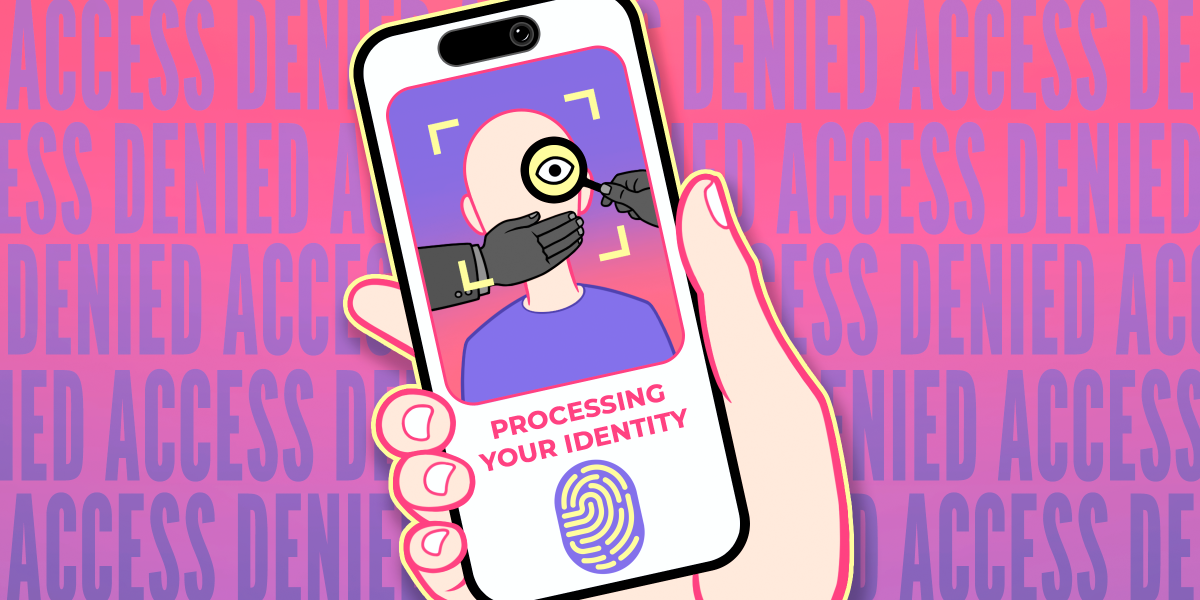
In a major recent example, Meta settled in a lawsuit with 52 states and territories regarding the use of Instagram and Facebook by young people. The settlement will require Meta, and pressure other non-Meta owned platforms like TikTok and YouTube, to embed age gating practices into every product while also requiring restrictions on the accounts of people under-18, such as a two-hour daily time limit and content restrictions.   

Youth Power on Social Media 

Young people have been using social media for political advocacy and community organizing for more than a decade. From organizing protests speaking out against police brutality, to organizing nationwide school walkouts demanding safety in schools from gun violence, and striking to demand lawmakers take action to protect the climate, social media has become an instrumental tool for youth to both speak out and connect with other young activists.  

Instagram has become especially useful for activism online by young people. The features on the app make it a helpful tool for being able to efficiently and quickly spread awareness, which is especially important when people need to share real-time information. For example, 17-year-old Darnella Frazier’s video on Facebook showed the world the murder of George Floyd. 

The impact of youth activism online is also evident on non-Meta owned platforms, with services like TikTok and YouTube being particularly prevalent spaces for young people to share their stories, build movements, and amplify collective engagement.

However, in a digital world operating under the settlement’s new guidelines, young people risk not being able to read crucial news due to the content being labeled as “age-inappropriate,” which has already happened for teenagers in Australia under its social media ban.  

A two-hour daily time limit and a block on Meta’s apps between midnight and 6am leaves little room for young activists to organize rapid response efforts. Being unable to see likes on a post will make it difficult to gauge the effectiveness of their campaigns.   

Add to this what we already know about Meta’s content policies which claim to “protect children” and keep sites “family-friendly” but instead label content like LGBTQ+ content as “adult” or “harmful,” youth will be left with no choice in what content they see once the ‘age-appropriate’ content filter is turned on by default. One recent report noted that Meta had hidden posts that reference LGBTQ+ hashtags like #lesbian, #bisexual, #gay, #trans, and #queer for users with the sensitive content filter on. This would specifically curtail the efforts of young activists doing work on comprehensive sex education.   

Global Trends 

Measures like this are being discussed across the globe, but not all courts have taken such a short-sighted approach. In August, the French Constitutional Council got a lot right in its decision to strike down the country’s legislation banning under-15s from social media for infringing free expression and communication for everyone online, not just young people.  

The French Court also called attention to its infringement on privacy as the legislation would have forced people of all ages to hand over government IDs, face scans, and other sensitive information to prove their age and access online content.  

Requiring this much data from users puts activists in danger of even more surveillance. Meta has already previously complied with demands from law enforcement to hand over the messages of users. The amount of personal information that will be logged and that could be demanded via a warrant from police to stifle or investigate activists’ actions or plans could cause a chilling effect, forcing advocates to pause or terminate their work.  

This is egregious because these systems misidentify or lock out people of color, people with disabilities, and trans or gender-nonconforming individuals whose IDs may not match their chosen name or align with what the system expects them to look like upon verification. And it’s often these communities that benefit from online organizing the most, especially for marginalized youth as social media can often be the only place to organize and build community. 

What Young People Deserve 

The settlement generates headlines, but it will not solve the core problem. Instead of tackling Meta’s surveillance capitalism business model that turns all online content into potential profit and centers lining the company’s pockets over protecting the speech and privacy of users, this settlement gives the tech giant an opportunity to carve out a new digital world that prioritizes its own needs, not those of young people.  

As we’ve been calling attention to in other contexts, this will force young people into digital isolation—curtailing vital access to news and resources for health and development. It also completely ignores the calls of youths themselves who favor digital literacy and education over surveillance and government control.   

Young people deserve a better internet than one regulated through panic. They deserve better than the government or Big Tech getting to decide how they use social media and what they can or cannot be exposed to or learn about. They deserve better than having their right to free expression minimized. This must not be lost in the pursuit of building a better and safer online ecosystem and environment.   

Read the full article here

Fact Checker

Verify the accuracy of this article using AI-powered analysis and real-time sources.

Get Your Fact Check Report

Enter your email to receive detailed fact-checking analysis

5 free reports remaining

Continue with Full Access

You've used your 5 free reports. Sign up for unlimited access!

Already have an account? Sign in here

#BigTechCensorship #ContentModeration #DigitalRights #OpenInternet #TechCensorship #Web3
Share. Facebook Twitter Pinterest LinkedIn Tumblr Email Telegram Copy Link
News Room
  • Website
  • Facebook
  • X (Twitter)
  • Instagram
  • LinkedIn

The FSNN News Room is the voice of our in-house journalists, editors, and researchers. We deliver timely, unbiased reporting at the crossroads of finance, cryptocurrency, and global politics, providing clear, fact-driven analysis free from agendas.

Related Articles

AI & Censorship

Victory: Court, Using a New Test, Rules Embedding Links is Legal

1 minute ago
Media & Culture

The High Crime Of “LMAO”: How Cops Are Treating Flock Mass Surveillance As A Joke

18 hours ago
Media & Culture

Trump’s DOJ Says ‘Become Ungovernable’ Is Antifa Evidence. Trump’s Convention Put It On The Wall.

21 hours ago
AI & Censorship

California: Tell the Governor to Stand Up for Net Neutrality, Affordability, and Public Safety

23 hours ago
Media & Culture

Daily Deal: The Mastering Linux Development Bundle

23 hours ago
Media & Culture

Elon Musk’s SLAPP Threat Over ‘Space Lasers’ Doc Sort Of Admits The ‘Space Lasers’ Part

2 days ago
Add A Comment
Leave A Reply Cancel Reply

Editors Picks

Bold, perhaps; but not Brave and not Right

16 minutes ago

ACLU Back-To-School Bookshelf 2026: Artists, Authors, and Creators Share Their Favorite Reads About Civil Liberties

19 minutes ago

U.S. House’s tax committee advances crypto tax bill in wake of Clarity Act loss

29 minutes ago

Anchorage Adds Etherlink, Tokenized Uranium Custody

37 minutes ago
Latest Posts

Zuckerberg Pushes Back on Coordinated AI Slowdown, Says Labs Can Act Alone

40 minutes ago

How the Meta Settlement Silences Youth Activism

1 hour ago

‘We Are Not Into Bestiality,’ FBI Director Kash Patel Tells Members of Congress

1 hour ago

Subscribe to News

Get the latest news and updates directly to your inbox.

At FSNN – Free Speech News Network, we deliver unfiltered reporting and in-depth analysis on the stories that matter most. From breaking headlines to global perspectives, our mission is to keep you informed, empowered, and connected.

FSNN.net is owned and operated by GlobalBoost Media
, an independent media organization dedicated to advancing transparency, free expression, and factual journalism across the digital landscape.

Facebook X (Twitter) Discord Telegram
Latest News

Victory: Court, Using a New Test, Rules Embedding Links is Legal

1 minute ago

Bold, perhaps; but not Brave and not Right

16 minutes ago

ACLU Back-To-School Bookshelf 2026: Artists, Authors, and Creators Share Their Favorite Reads About Civil Liberties

19 minutes ago

Subscribe to Updates

Get the latest news and updates directly to your inbox.

© 2026 GlobalBoost Media. All Rights Reserved.
  • Privacy Policy
  • Terms of Service
  • Our Authors
  • Contact

Type above and press Enter to search. Press Esc to cancel.

🍪

Cookies

We and our selected partners wish to use cookies to collect information about you for functional purposes and statistical marketing. You may not give us your consent for certain purposes by selecting an option and you can withdraw your consent at any time via the cookie icon.

Cookie Preferences

Manage Cookies

Cookies are small text that can be used by websites to make the user experience more efficient. The law states that we may store cookies on your device if they are strictly necessary for the operation of this site. For all other types of cookies, we need your permission. This site uses various types of cookies. Some cookies are placed by third party services that appear on our pages.

Your permission applies to the following domains:

  • https://fsnn.net
Necessary
Necessary cookies help make a website usable by enabling basic functions like page navigation and access to secure areas of the website. The website cannot function properly without these cookies.
Statistic
Statistic cookies help website owners to understand how visitors interact with websites by collecting and reporting information anonymously.
Preferences
Preference cookies enable a website to remember information that changes the way the website behaves or looks, like your preferred language or the region that you are in.
Marketing
Marketing cookies are used to track visitors across websites. The intention is to display ads that are relevant and engaging for the individual user and thereby more valuable for publishers and third party advertisers.