

 Freedom Index
Listen to the article
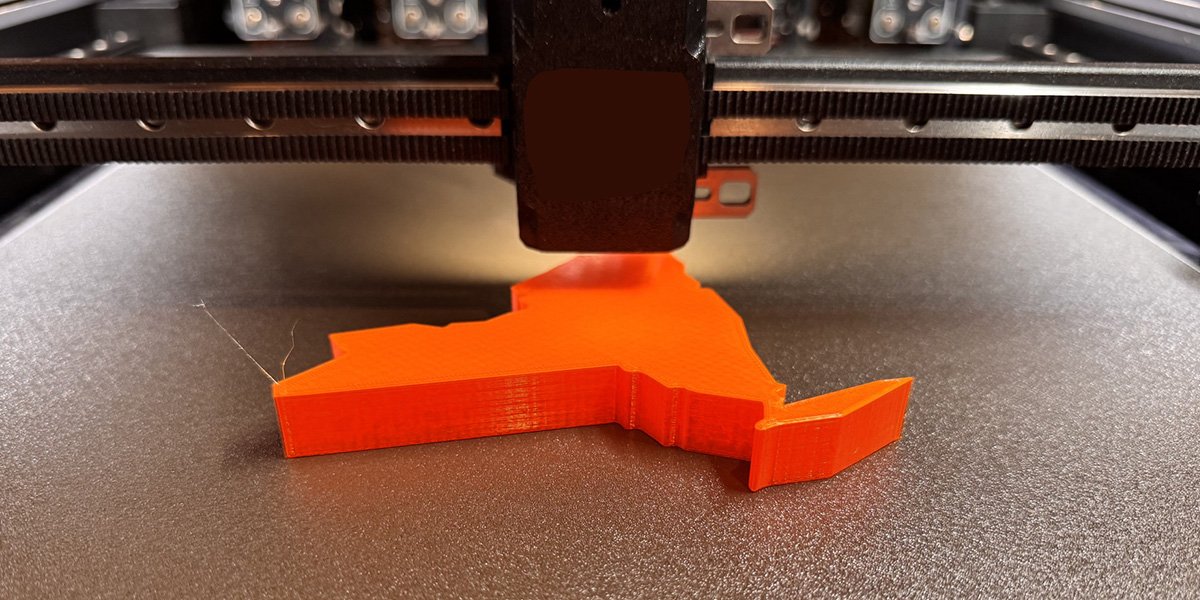
This year the state of New York had the dubious honor of being the first to pass a controversial provision to mandate all 3D printers come with surveillance and censorship. That means not only is there a ticking clock to protect every artist, researcher, engineer, and hobbyist in the state, but there is a real risk of other states thoughtlessly following suit—prior to the New York rules even taking effect.
We, along with many other experts, already warned about this bill buried in the state’s crowded budget process. Hundreds of our supporters and 3D printing enthusiasts in New York reached out to their representatives hoping to kill this farcical bill. While there were some welcome amendments in response to the outcry, Albany passed it anyway.
It might be well-intentioned, but bills like these sell a fantasy that can only have an untold negative impact on the privacy, free expression, and consumer rights of anyone using these general purpose devices. Behind the banner of reducing gun violence, which is nearly always committed with commercial firearms, New York lawmakers have passed draconian legislation that will let manufacturers lock in users and collect their data.
Now that the bill has passed and been signed by Governor Hochul, let’s look at two important ways the final legislation changed since we last wrote about it, and why states like California shouldn’t make the same mistake.
Reduced Risk for Lawful File Sharing
The New York bill includes language that criminalizes access to firearm print files, a proposal correctly dropped by states like Colorado due to First Amendment concerns. While this made it through to the passed legislation, a few wins were still gained.
Originally the legislation threatened felony charges for the storing and sharing of files, potentially impacting researchers, artists, and journalists with no intention of printing a firearm component. These charges were downgraded to a Class A misdemeanor.
Two provisions criminalized file sharing. The first of the two provisions criminalizing this file sharing, which pertains to the sale or distribution of files in the state, gained an important exception for when a sender has a reasonable belief that the recipient won’t illegally print these components. However the second provision, pertaining to criminalizing file possession, complicates this. Under 2.12 of the subpart, people who possess the file with intent to share the files do not clearly get this same reasonable belief exception.
In other words, if you share one of these files the actual sharing is covered by the exception, but the law makes it ambiguous whether possessing those same files is covered when you intend to share them.
While this exception could have created some breathing room for researchers and journalists operating in good faith, this slapdash bill language leaves plenty of ambiguity and potential speech-chilling effects. However, these changes do offer a modicum of harm reduction in this unconstitutional law.
Saving Face by Preserving Online Sale
Originally the bill had a strange requirement for all 3D printers and Computer Numerical Control, or CNC, machines to be sold and delivered face-to-face, with no exception. That would have meant a major barrier to access, particularly for people in agricultural and rural areas of the state who uniquely benefit from in-home fabrication and repair. It also would have meant a major inconvenience for businesses using these devices. For everyone though, it meant fewer retailers to choose from and facing more stigma for using these devices.
Fortunately this was dropped from the bill entirely.
Next Step: We Find Out What Was Actually Passed
In addition to being buried in the complicated legislative process of the NY budget and avoiding proper scrutiny, this bill also kicked the can down the road in determining what exactly is being mandated. In many respects, legislators passed a vibe. We’ll see how the actual law be developed over the next year by a working group with no mandated transparency to the public. Further, they have no obligation to ensure consumer safeguards in developing this state-mandated censorware.
We are still concerned by the possibility of a biased working group acting in the interest of manufacturers or facing pressure to accept consumer harms in the standards they produce. Our remaining hope is this working group convened by the Department of State and the state university system is composed of actual experts who are aware of how unfeasible and harmful this mandate is, and prevent it from being realized.
The Fight Continues
New York is the first to go down this path of state-mandated censorship and surveillance software on 3D printers, but it’s far from the only one to entertain it. It is now more urgent that we fiercely oppose this trend in other states, like California, as they attempt to join the bandwagon—before even seeing the real-world impacts.
Take action
Don’t Let California Repeat NY’s Mistake
We cannot allow this to be the foundation for future restrictions on speech and design, or serve as a playbook for the state and corporations to wrest control over our tools.
Read the full article here
Fact Checker
Verify the accuracy of this article using AI-powered analysis and real-time sources.