

 Freedom Index
Listen to the article
Athena Rem is a rising junior at the University of California, Los Angeles.
When Bud Selig famously wrote that “baseball is a social institution,” clearly he did not have the First Amendment in mind.
Currently, 29 out of 30 Major League Baseball teams host an annual “Pride Night” celebration in June, featuring rainbow versions of the typical logo on caps and jerseys. The leagues issue similar themed uniforms for other holidays like Mother’s Day. Per the collective bargaining agreement struck between owners and players, players always have the option to revert back to the standard uniform instead, but they may not alter their uniforms themselves in any aspect.
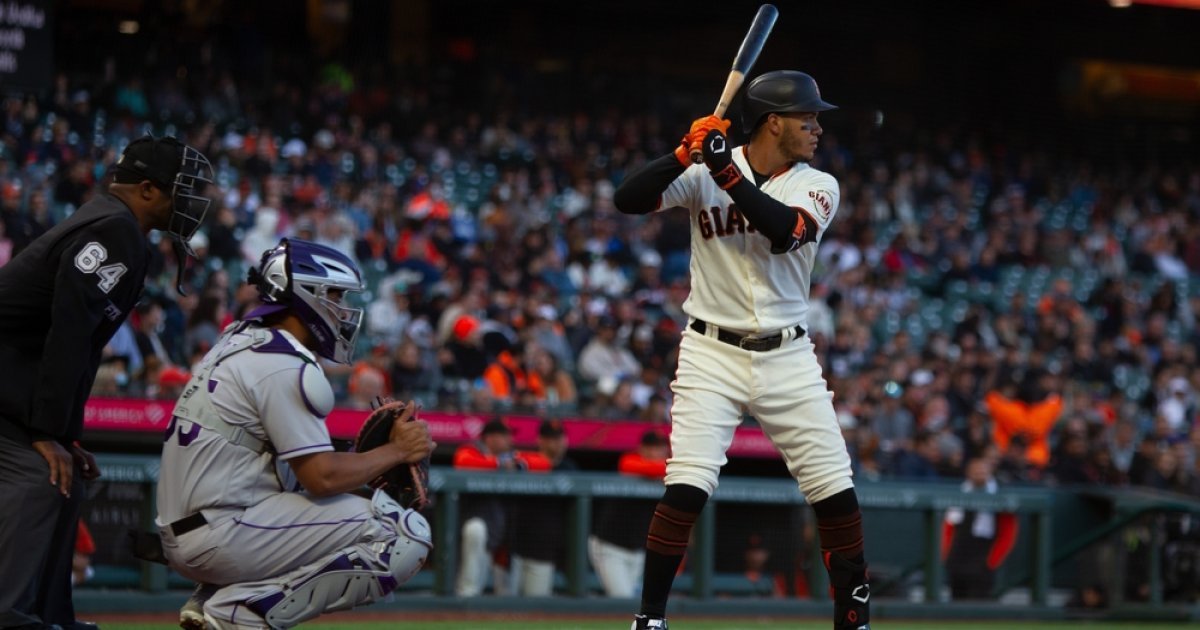
Despite this ban, three San Francisco Giants players used Pride Night 2026 as an opportunity to protest. Starting pitcher Landen Roupp, among others, adorned his Pride cap with Bible verses from Genesis that portray the rainbow as a symbol of God’s covenant with humanity. In response, MLB formally warned the implicated players that they may not “write, attach, affix, embroider or otherwise display nicknames or messages on apparel or playing equipment.”
At first blush, MLB’s move might appear to be at odds with the freedoms of speech and free exercise guaranteed by the First Amendment. But the First Amendment bars the government from restricting our rights to speak and worship freely — not private corporations. Private employers have expansive discretion to limit an employee’s on-the-clock expression, like the players’ alteration of their caps.
If the government can abridge MLB’s rights, there is nothing stopping them from eventually infringing on the average individual’s speech as well.
Nevertheless, legal responses to MLB are pending. Senator Josh Hawley of Missouri wrote a strongly worded letter to MLB accusing them of discrimination for the warning issued to the Giants players. Along similar lines, the Department of Justice launched a civil rights investigation into whether MLB’s restriction violates religious liberty. Indeed, MLB could be legally responsible for its actions here if the league were discriminating against players on the basis of their faith. Under Title VII of the Civil Rights Act, Roupp and his fellow players would have to prove they suffered an adverse employment action solely on the basis of their Christianity rather than their violation of a neutral workplace policy.
Soapbox 2026: Tickets on Sale Now
Soapbox is FIRE’s bold new conference, taking place in Philadelphia to celebrate America’s 250th anniversary with high-impact keynotes, timely panels, and unforgettable entertainment.
Read More
Arguing that the league’s stance is anti-Christian discrimination runs up against the extent to which MLB has made clear that any sort of alteration to a uniform is a punishable offense. For example, the league enforces the same rule for messages like “Dad” that have no religious or political subtext. Further, the players would have to demonstrate that writing the Bible verses on their hat comprised a meaningful form of worship to claim MLB is impeding their right to exercise their religion. And as a private corporation, preventing alterations to their uniform is within the MLB’s purview.
Legal and constitutional concerns aside, culture war skirmishes like the MLB controversy shape free speech’s place in our society.
The government leaning on private corporations as a vehicle for censorship is especially problematic. Allowing unsubstantiated culture wars to seep into private corporations’ functions, especially as the DOJ threatens to get involved, holds dangerous consequences for the future. Restricting MLB’s ability to ban Bible inscriptions on caps or uniforms would essentially prove that any entity, even a private one, is a potential battleground for government advancement of its own rhetoric at the expense of individual liberties.
When players sign their contracts, they must adhere to MLB’s lawful choices regarding political, religious, or other identity-based topics. Players need not endorse these beliefs outside of their work, but they also do not enjoy the freedom to alter MLB uniforms to match their own views.
Even America’s pastime is under threat from partisan encroachment. If the government can abridge MLB’s rights, there is nothing stopping them from eventually infringing on the average individual’s speech as well.
Read the full article here
Fact Checker
Verify the accuracy of this article using AI-powered analysis and real-time sources.