

 Freedom Index
Listen to the article
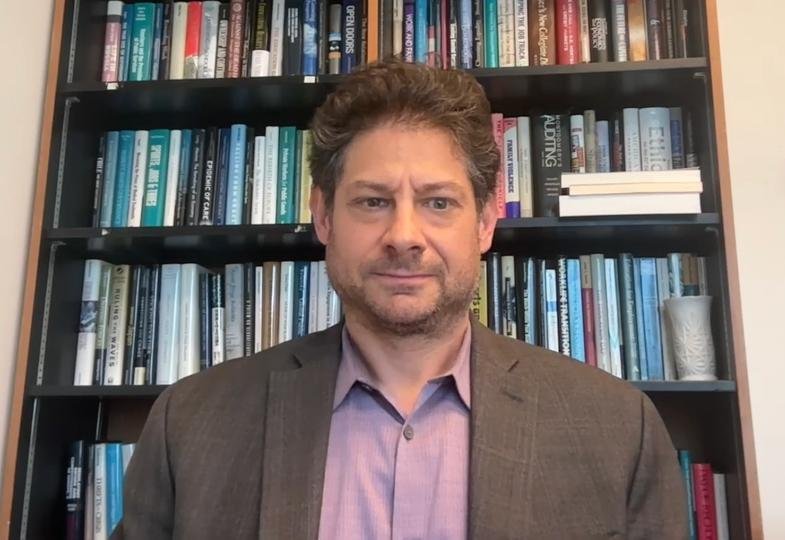
Latest developments: Klein argued the Commodity Futures Trading Commission faces a dramatically larger mandate as lawmakers consider expanding its authority over digital assets. Klein recently joined Rebecca Rettig and Renato Mariotti on CoinDesk’s The Policy Protocol.
- Klein said the CFTC was originally created to oversee commodity futures markets and was not built for the scale of responsibilities envisioned under current crypto legislation.
- He warned that giving the agency new powers without additional staff, funding and expertise could create the appearance of regulation without meaningful oversight.
- Klein expressed concern that regulatory capacity has been weakened by personnel departures and structural changes at the agency.
What this means: The debate over the Clarity Act is increasingly becoming a debate over whether the CFTC can effectively police crypto markets.
- Klein said one lesson from the Dodd-Frank era is that assigning major responsibilities across multiple regulators can create delays and confusion.
- He argued that fragmented oversight risks repeating past regulatory failures if agencies lack the resources or will to enforce rules.
- Klein compared those risks to shortcomings he believes contributed to past financial crises.
The controversy: Klein sharply criticized allegations that political influence is affecting financial regulation.
- Referring to a New York Times report discussed during the interview, Klein said regulators should remain independent from political intervention.
- He argued that enforcement decisions should not be influenced by relationships with the White House or political figures.
- Klein described the current environment as unusually permissive toward financial misconduct and called for stronger accountability.
Reading between the lines: Klein sees a longer-term solution in closer coordination between U.S. market regulators.
- He said the U.S. is unusual in maintaining separate capital markets regulators through the SEC and CFTC.
- Klein argued that eventually merging the agencies would make sense, though he expressed skepticism that Congress is prepared to pursue that path.
- In the meantime, he praised reports that SEC and CFTC staff may share office space, saying physical proximity can improve collaboration more than formal agreements.
What comes next: Regulatory structure could become as important as the rules themselves.
- Klein said memorandums of understanding between agencies often fail to produce meaningful cooperation in practice.
- He argued that stronger coordination mechanisms and operational integration would better prepare regulators for overseeing crypto and prediction markets.
Read the full article here
Fact Checker
Verify the accuracy of this article using AI-powered analysis and real-time sources.