

 Freedom Index
Listen to the article
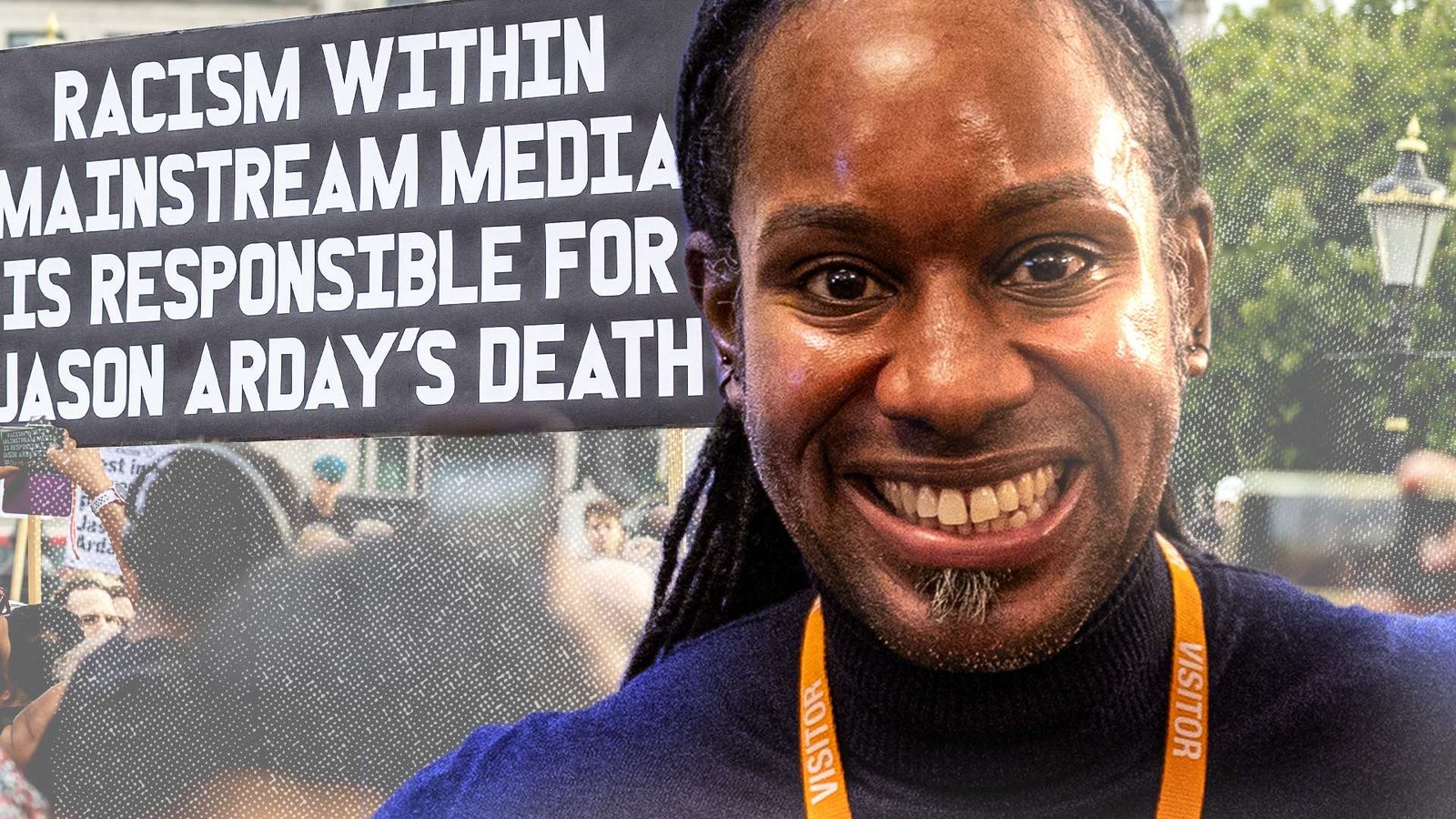
Last week’s death of Jason Arday—the youngest black professor in the University of Cambridge’s history—who was accused of widespread plagiarism, has created a firestorm of reactions.
Some say Arday was targeted by racially motivated reactionaries who unfairly used him to dunk on diversity, equality, and inclusion. Cambridge Chancellor Chris Smith called the media investigations into Arday a “racist feeding frenzy,” and Simon Woolley, principal of Homerton College at Cambridge, said Arday had been subjected to a “vicious witch hunt,” reports the BBC. Others have gone a step further, calling for a crackdown on press freedoms.
“Freedom of the press should never have been freedom to own and dominate the press. (And push constant misinformation and lies.),” Zack Polanski, leader of the Green Party, wrote on X. “Media regulation. Now.”
After prominent journalist Andrew Neil challenged Polanski’s proposal and called it “fascism,” Polanski decided to double down by saying, “A few billionaires owning the majority of the press and behaving however they want is not a free press. Change is coming.”
The proposed press censorship is dystopian in itself, but Polanski’s claim that the “billionaires” own “the majority” of the press is less true today than it ever has been. According to Ofcom, the British media regulator, more than half of U.K. adults use social media to get their news. In 2025, Press Gazette reported that 11 major national newspapers were suffering double-digit, year-on-year circulation declines, with several losing around a fifth or more of their print readership. In other words, the media landscape is now far more decentralized than ever, and the barrier to entry is far lower (thanks in large part to the billionaires who have created the technology and platforms to do so).
This has not stopped progressive zealots from virtue signaling and joining the demand for press censorship. Writer Will Self wrote an open letter to Prime Minister Andy Burnham, calling on the government to “establish a full independent public inquiry” and for the police to begin “impounding computers.” He assures readers that “this is not an attack upon a free press,” but that “you don’t have to be innocent to possess a right not to be collectively destroyed.”
Polanski and several Labour members of Parliament have signed an open letter demanding press regulation. The letter accuses the press of racism and calls for a government investigation by the Independent Press Standards Organisation into the accusations against Arday. Clive Lewis, a Labour politician, said that the articles about Arday “reached way beyond what could be reasonably considered in the public interest,” and that “Accountability cannot mean turning a human being into public sport.” He is one of 53 parliamentarians who have signed the letter.
These calls for censorship are not merely hypothetical. Last year, Jack Grove, a reporter for Times Higher Education (THE), investigated Arday’s extraordinary claims—including academic plagiarism, raising 5 million pounds for charity and running 30 marathons in 35 days. Arday hired a defamation firm and reported Grove to the police, who then told Grove that he must not contact Arday again as “it was affecting his mental health.”
THE decided not to run the story. “While I was personally disappointed,” Grove later wrote, “I understood; by this point, Arday’s solicitors had been in touch with THE and it was clear that the story could tie the publication up in months of expensive litigation.”
The plagiarism rumors eventually reached Nathan Cofnas, a former researcher at Cambridge and now a Substack blogger, who investigated the claims himself and subsequently broke the story.
Perhaps, had the police not spent months investigating Grove, and had Grove been allowed to publish his findings, the story would have taken a different turn. The claims could have been “raised by a reputable sector publication, staffed by trained and conscientious journalists, which has no desire to inflict damage on the sector,” writes Grove. “Instead, the legal threat meant they were picked up by a Substack blogger who knew the potency of what he had found and was ready to draw conclusions that I do not agree with.”
Of course, Arday’s death is a tragedy, but the press have every right to ask questions. Arday was a high-profile academic who has advised the British government on the national school curriculum. He testified before parliamentary committees, worked at a taxpayer-funded institution, and was reportedly working on projects that received millions of pounds of taxpayer cash.
As Reason’s Robby Soave noted earlier this week, “if we start policing people for asking totally legitimate questions of public figures, like a notable academic, then we are quickly going to render important institutions—like academia—immune to criticism. That would be a terrible mistake, quite obviously.”
Press freedom is essential to a free society. Without it, people are prevented from obtaining necessary information in the public interest, and bad actors cannot be held accountable. The irony is that, while some politicians now argue that tighter press restrictions are needed to prevent another case like Arday’s, it was arguably censorship that inflicted greater harm.
Read the full article here
Fact Checker
Verify the accuracy of this article using AI-powered analysis and real-time sources.