

 Freedom Index
Listen to the article
Heather St. Amand remembers exactly the day her daughter, Isabelle, came into the world. It was 10:15 p.m. when her medical providers rushed her into the operation room for an emergency C-section after 13 hours in labor. Her baby’s heartbeat had started to slow down, and she had an umbilical cord wrapped around her neck.
Credit: Heather St. Amand
“They did the C-section and I remember the light. I remember being cold,” St. Amand said. “I remember them giving me something and me throwing it right back up. And then I remember them taking her out.”
Eighteen years later, and St. Amand is now leading the ACLU of Virginia’s organizing effort to rally Virginia voters to amend the state’s constitution to protect reproductive healthcare.
Her daughter, now a young adult, has been her sidekick at rallies, community events, and outside abortion clinics — joining St. Amand in the fight to destigmatize abortion and defend reproductive freedom.
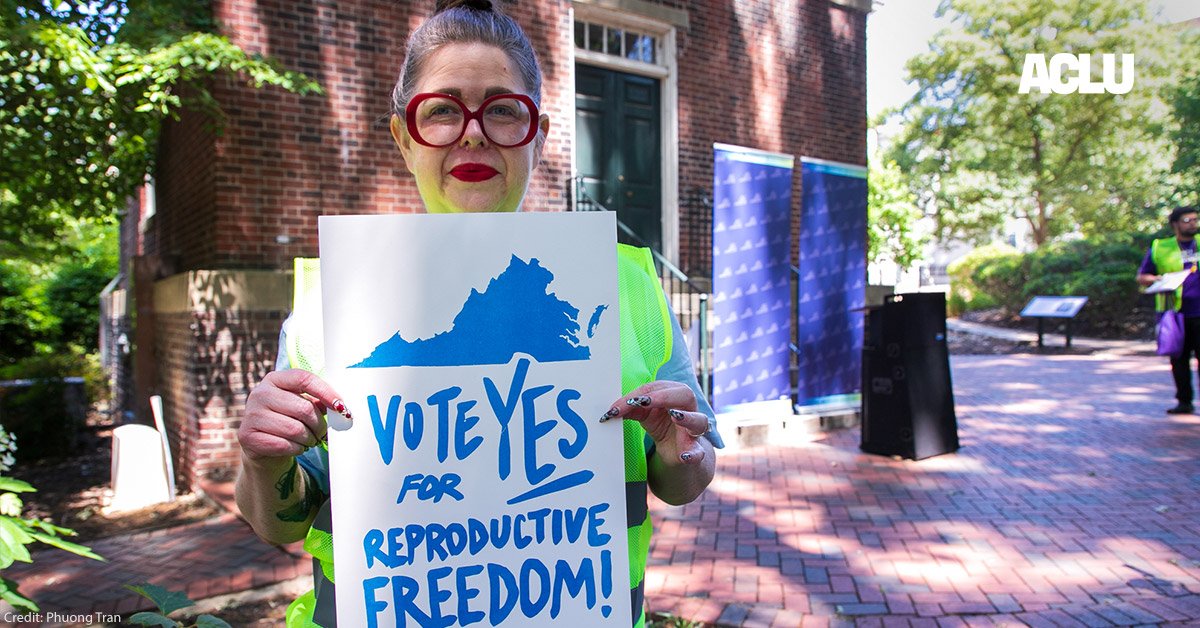
Credit: Phuong Tran
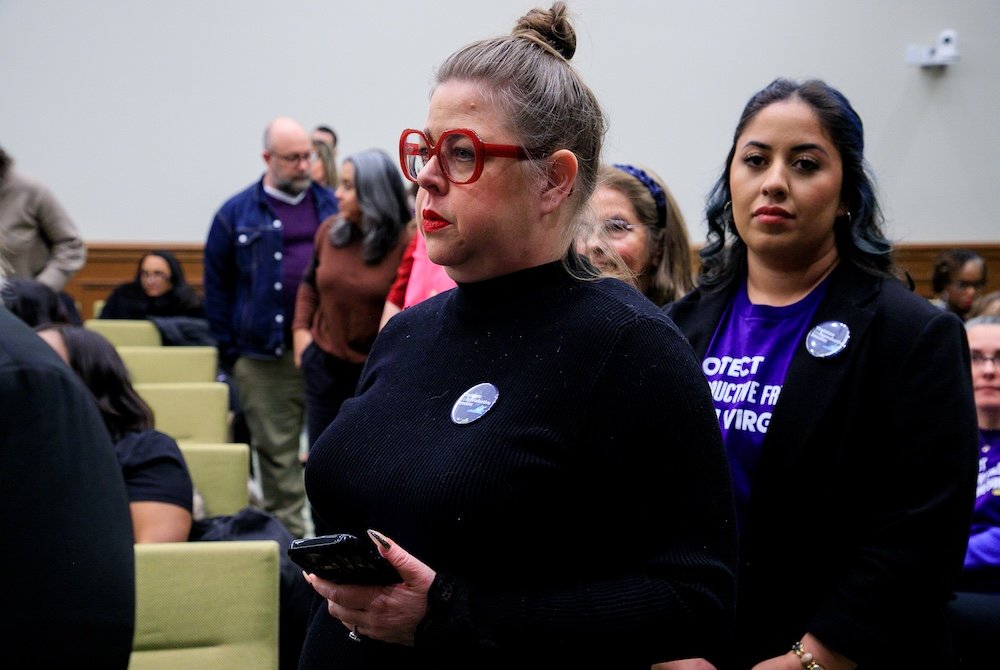
St. Amand is open about her abortion story and how access to reproductive healthcare has saved her life and allowed her to eventually give birth to Isabelle. She has testified before Virginia lawmakers, spoken at public events, run a book club, and organized Virginians to raise awareness about the reproductive freedom amendment. In each of these contexts, St. Amand has used her own story to help people understand that abortion is healthcare and that everyone should be able to make decisions about when and how to start a family free from fear and government interference.
You are a mom who is fighting for abortion access. Why?
I am fighting for abortion rights because I had access to it when I needed it the most. Everybody should have that access. I am fighting for everybody behind me. I kind of took for granted these fundamental rights, and when they started disappearing, I realized we’re never going to be done with this fight. I’ve got to keep fighting for the people behind me. People are dying right now without access.
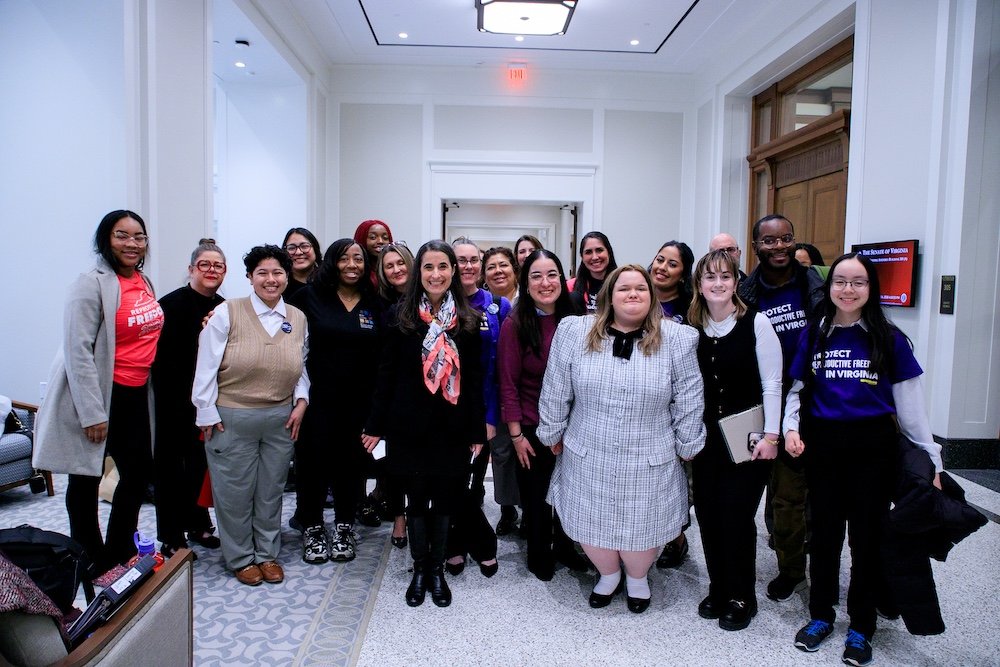
Credit: Phuong Tran
Why is Virginia a battleground state for reproductive freedom?
I’ve always been a vocal advocate, but watching what happened in Florida, I vowed that when I moved here, I’d fight to make sure that Virginia does not turn into anything like Florida, that people can still have those rights here. That [experience] really affirmed my commitment that we need to hold it down here for the South, and we need to set that example.
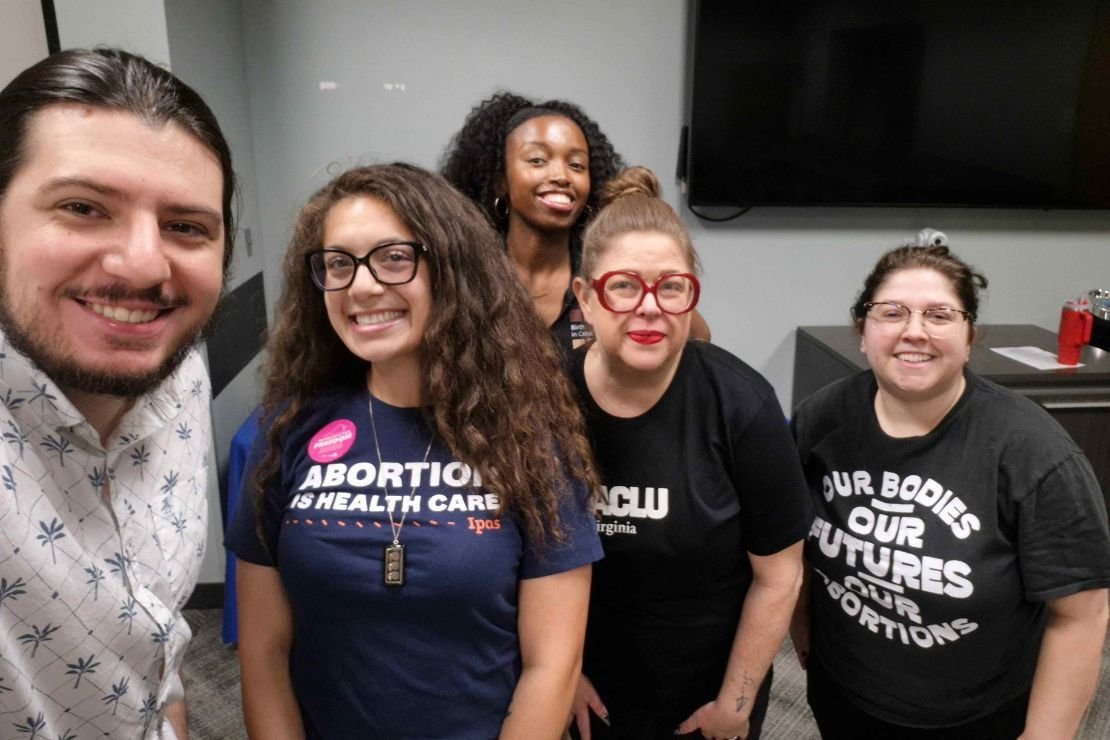
Credit: William Brinton
Who inspired you to do this work?
My mom and my daughter — I feel very blessed to have such a good kid, my daughter, and to have my mom. Being a mom is honestly the coolest thing I’ve ever done in my life. My daughter is like my little broke bestie. When I had my daughter, I planned her. For a long time, I didn’t think I wanted kids — until I did. But once I had her, everything changed. I was in my 20s when I had her, so I kind of grew up with my daughter. We are super close.
My mom is my favorite person. We are also really close, so moving away from her was super hard, especially around the holidays because she always works to make them so special. I do know that I wouldn’t be here right now if my mother hadn’t had access to an abortion between my sister and myself. I think about that a lot.
Why did you decide to share your abortion story?
My mom has been very open and candid with me about [her abortion story]. [My parents] were not in a place where they could afford another child. She kind of instilled that in me. Even though she’s from Alabama and people don’t talk about that stuff, my mom wanted to change that.
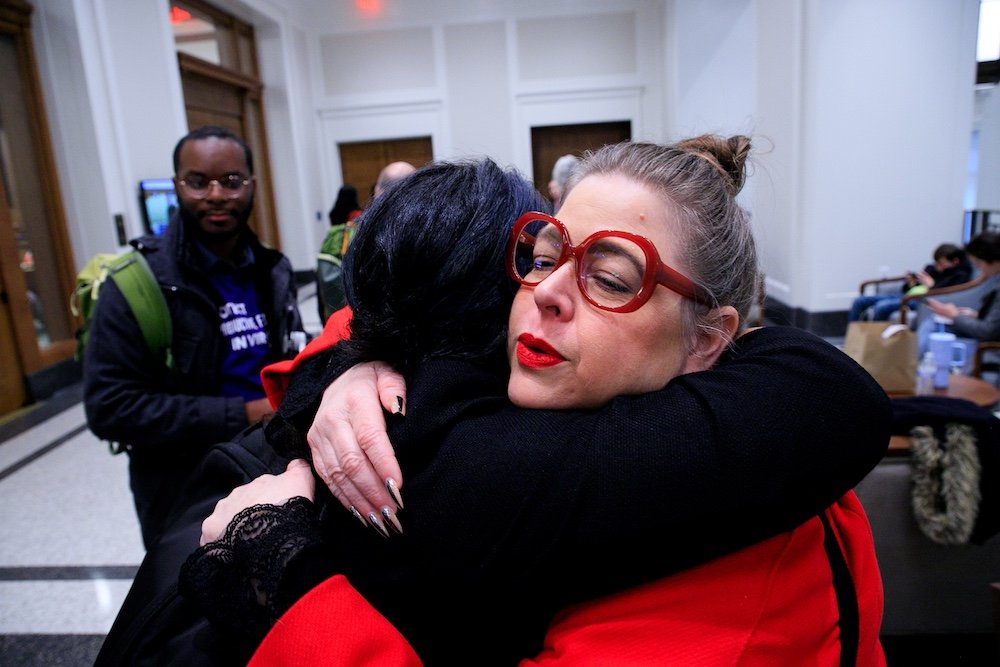
We talked about it — after the fact. For the longest time, I didn’t talk to my mom about my abortion when it happened because I was young and there was shame attached to it for me. You’re conditioned to feel shame, [but] you shouldn’t feel shame for something that is just a normal part of healthcare.
Credit: Phuong Tran
I also told my daughter about my abortion story. I talked to her about everything. I feel like honesty and being transparent about things can help her know that she can trust me. And if she is ever going through something, and she knows that I have gone through it, maybe [she’ll think], ‘This is normal.’
I share my abortion story because I don’t feel ashamed anymore. And nobody should feel ashamed. I feel like if I share my story, it’s going to help somebody else know: You are not alone, that it is normal, and that people care and are fighting — people that understand.
What’s one good memory with your daughter?
Once, Izzy had a doctor’s appointment. I signed her out of school, and I couldn’t have taken her back [after the appointment]. We were driving down the road and passing the [abortion] clinic. It was in the middle of the day during the week. I noticed that there were [anti-abortion] protesters out there, and I am an organizer, you know, in the back of my car I got posters and stuff.
So we pulled over, made posters really quick, and stood out there to counter the protesters. I recorded it. I livestreamed it on Facebook. I told Izzy, “We could be going back to school or we could be doing this. And we’re going to do this.” And we did, and it was a good use of our time. They left, and that’s all I care about.
Why should more people share their reproductive healthcare stories?
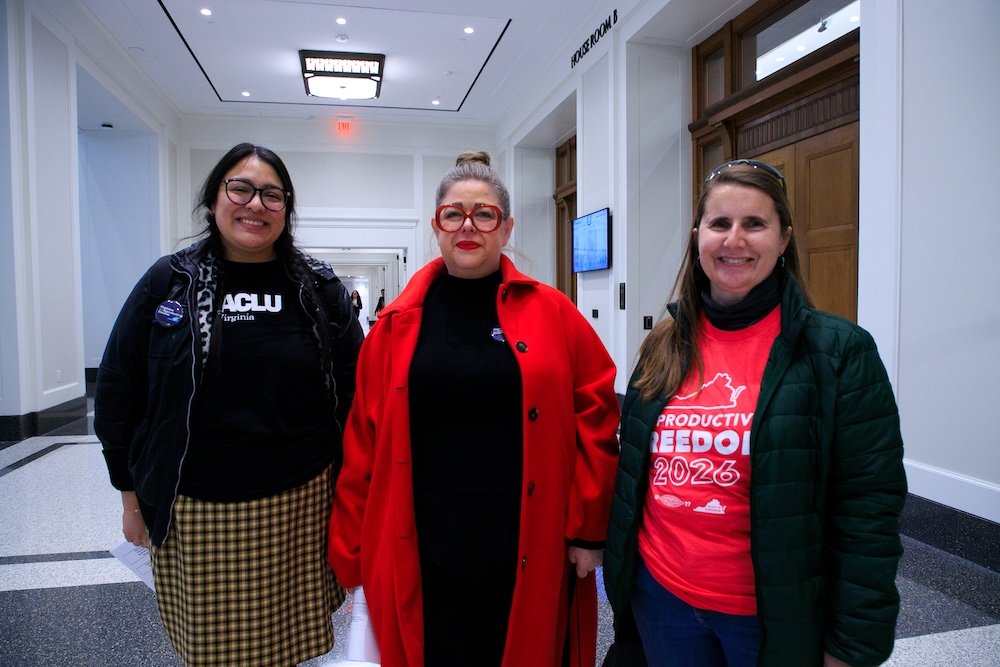
A lot of people just don’t understand how common all the things are that can happen to women when they are pregnant or when they are trying to get pregnant — not just women, anyone who can get pregnant. When I share some of my stories, it explains to people why having access to reproductive healthcare matters.
Credit: Phuong Tran
What are you excited about voting this November?
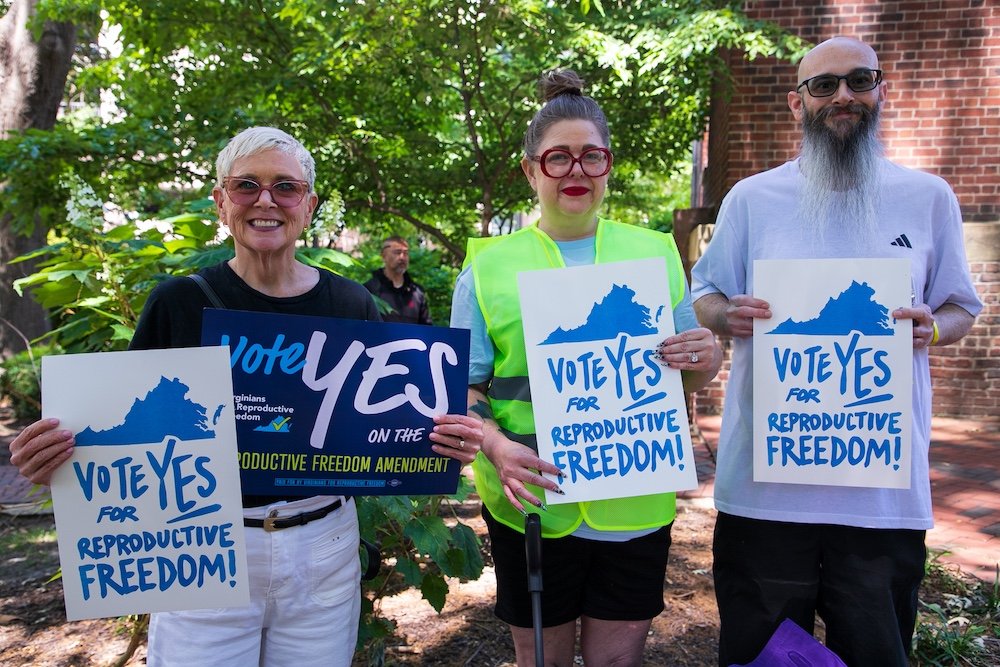
I am so excited about passing this constitutional amendment. I am so excited about putting it into place for the generations that are behind me. I am so excited about them having that access [to reproductive freedom, to be] strong, and in the state constitution.
Credit: Phuong Tran
Read the full article here
Fact Checker
Verify the accuracy of this article using AI-powered analysis and real-time sources.