

 Freedom Index
Listen to the article
The language used by Israel’s elected representatives is striking. Migration. Relocation. Evacuation. Voluntary.
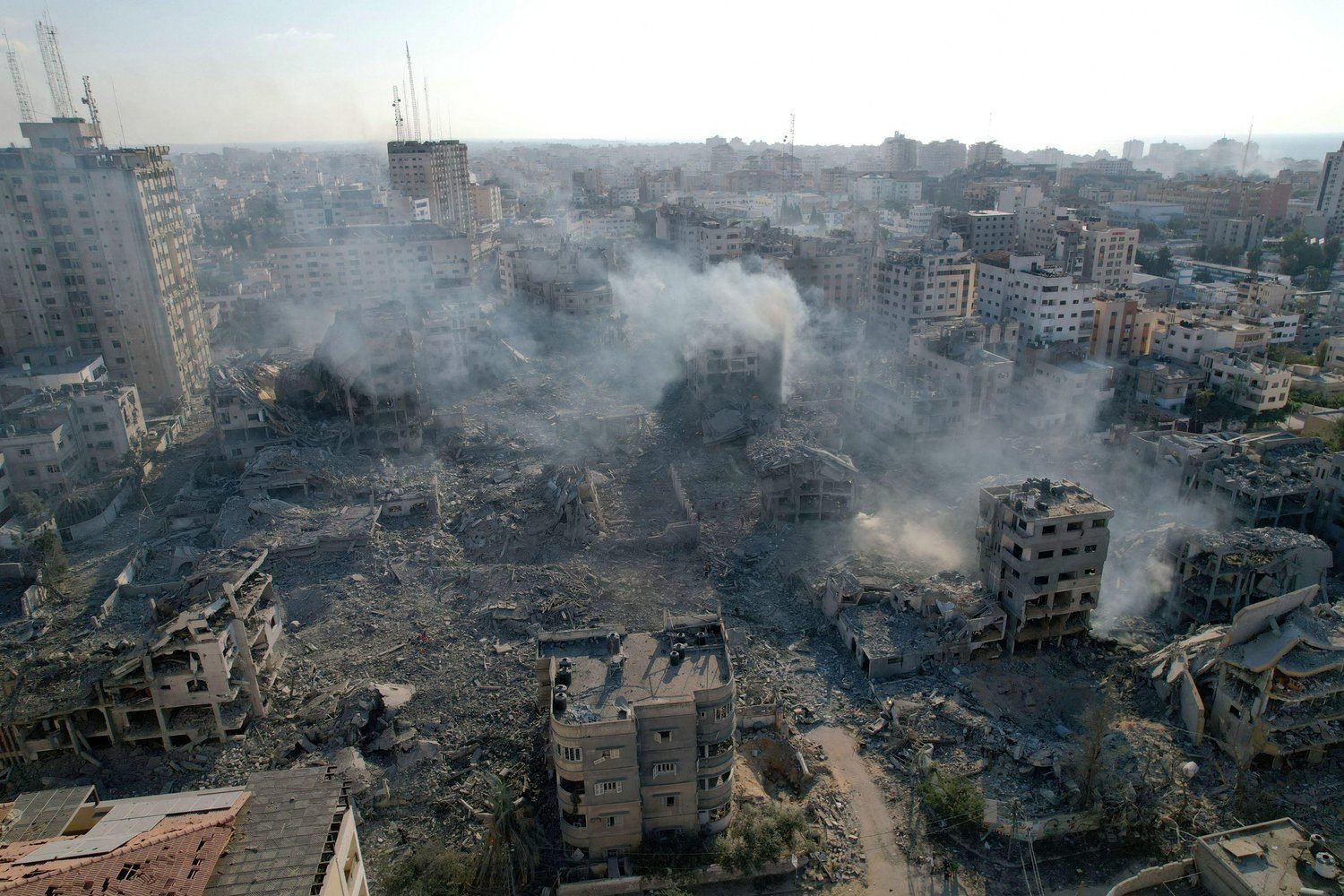
These are the words of bureaucracy. They can make the mass movement of millions of people sound organised, almost ordinary. They remove from the equation the noise of a family dragging their bags and belongings through rubble. They exclude from the narrative the child asking where they will sleep that night. They do not show the person returning to their neighbourhood only to find that the house they lived in no longer exists.
Gaza’s population has already experienced repeated displacements. Much of the territory has been destroyed. Three years after the start of Israel’s war, people continue to live in overcrowded or makeshift conditions. In September, just days ago, a damaged building in Gaza collapsed, killing 21 people and trapping others who had been sheltering there because they had no other alternatives. The very next day, another building collapsed, creating another human tragedy.
For these families, leaving is not an abstract political proposal. There is a huge difference between “choosing” to leave one’s home and not having a safe home to return to in the first place.
People migrate every day, and for many reasons. Forced displacement, however, is a different category of movement altogether, carrying with it something else.
Forced displacement carries with it loss, fear, and uncertainty. I know this feeling, because it is how I have been living since I was forced to leave Gaza with my family. Even when the physical place has been destroyed, it does not stop being home.
They remove from the equation the noise of a family dragging their bags and belongings through rubble.
This is why the language matters.
When forced displacement is called “migration”, it creates the understanding of movement between two places of relative choice. When it is called “relocation”, it presents the illusion of people simply being moved from one address to another. When people are told that their departure is “voluntary”, the conditions surrounding that decision are erased from the sentence.
The question is not whether a person physically walks away. The question is what choices remain when staying means living amid ruins, without adequate shelter, safety, or while carrying the fear that another attack could once again put your life and the life of your loved ones in danger? What does it mean to stay when you have no clue whether the life you are trying to hold on to can ever be rebuilt? or the possibility of rebuilding.
And then, there is also the political dimension to the language.
Katz’s latest comments followed months of political discussion in Israel concerning the wish to rid Gaza of its Palestinian population. This notwithstanding, after proposals by Israeli ministers triggered concern, Israeli Foreign Minister Gideon Sa’ar declared on September 9 that the government has no plan to deport Palestinians from Gaza. The United States has also said that at present, there is no US-backed plan to force Palestinians out of Gaza.
These competing statements matter. They show that the political future of Gaza and the question of Palestinian displacement remain contested. But for Palestinians living through the consequences, language from politicians is not separate from reality. Palestinians, after all, have heard the language of displacement before.
Read the full article here
Fact Checker
Verify the accuracy of this article using AI-powered analysis and real-time sources.