

 Freedom Index
Listen to the article
The blockbuster success of Christopher Nolan’s The Odyssey has led to a massive spike in demand for Homer’s original text. At one Brooklyn book store visited by a Guardian reporter, more than a dozen different editions of the Odyssey were on prominent display. Over the last month, a staffer said, sales had multiplied “several thousand per cent.”
I fear many of these new readers will come away disappointed, as the ruthless 2,800-year-old version of Odysseus whom Homer conjured is quite unlike the more modern, guilt-addled protagonist that reviewers have found in Matt Damon’s performance. As Charlotte Allen argued in this space two weeks ago, Nolan made Odysseus’ world accessible to viewers by turning Zeus into a “post-Christian Jesus, without a cross but with a steady supply of facile homilies.” On that reading, the film gives us an ahistorical depiction of ancient attitudes towards combat and conquest.
Nolan’s Odyssey Review: Beautiful but Dreary
Christopher Nolan’s creation is a big movie in every technical sense. But inside, it is diminished and faded: heroes who aren’t allowed to be heroes and gods who aren’t allowed to be gods.
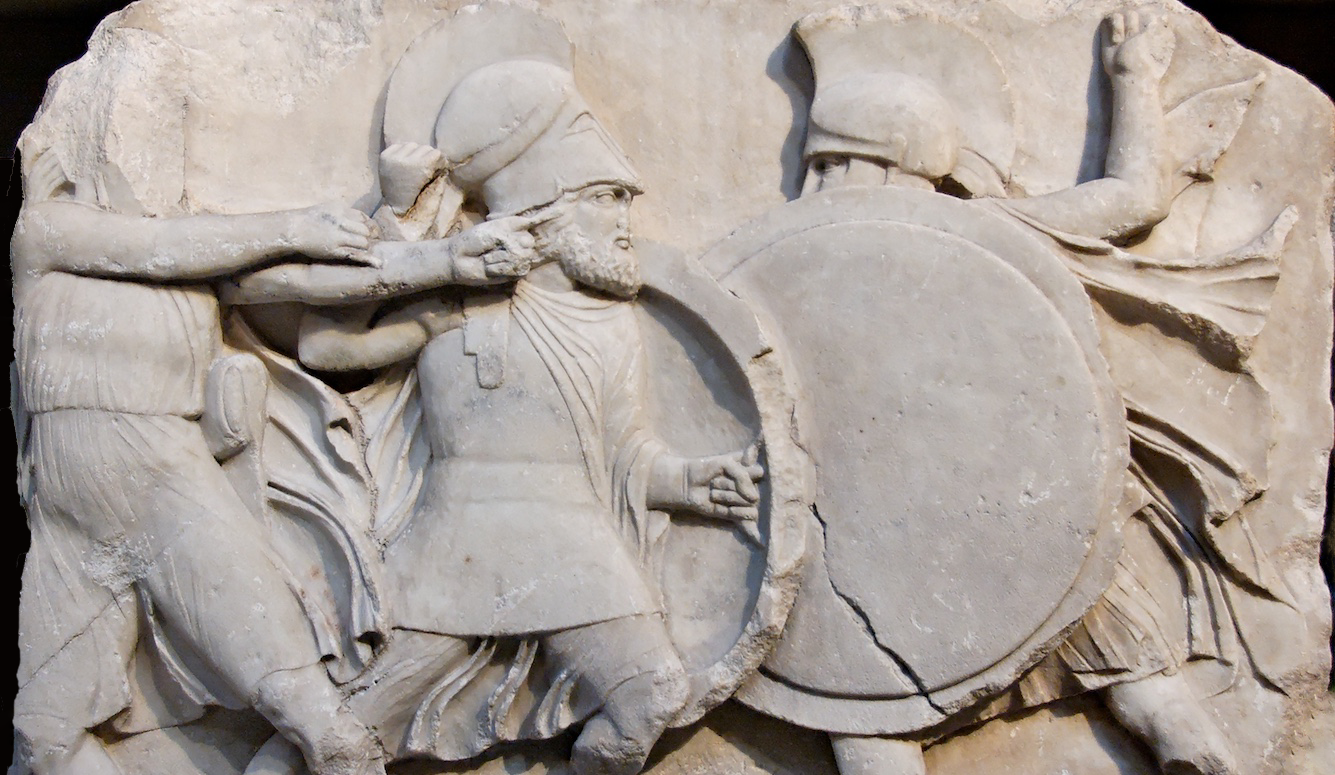
For those interested in the moral universe that a real-life version of Odysseus would have inhabited, I recommend another famous Greek work—Xenophon’s Anabasis, better known in the English-speaking world as The March of the Ten Thousand. Unlike Homer, Xenophon of Athens (b. 430 BC) is an abundantly documented historical figure, and the events described in The March of the Ten Thousand are generally believed to be true.
The March of the Ten Thousand features no Sirens, Lotus-Eaters, or ship-swallowing whirlpools. Yet the story it tells—of a great Greek warrior leading a band of military veterans westward to Greece, overcoming epic challenges, and even encountering deadly intrigues upon his return to the Greek sphere—is full of fascinating parallels to that of the fictional Odysseus. Indeed, one wonders whether the marketing department at Simon & Schuster might have made more of these parallels with the release of Robert L. O’Connell’s wonderfully engaging new book on the subject, Band on the Run: Xenophon and the First Great Mercenary Army’s Epic Escape from Persia.
Read the full article here
Fact Checker
Verify the accuracy of this article using AI-powered analysis and real-time sources.