

 Freedom Index
Listen to the article
Free speech advocates have long warned that the laws and regulations passed at the state, federal, and international level are chipping away at our ability to speak anonymously online. Now, Türkiye is threatening to gut that right directly — and asserting that social media platforms are playing along.
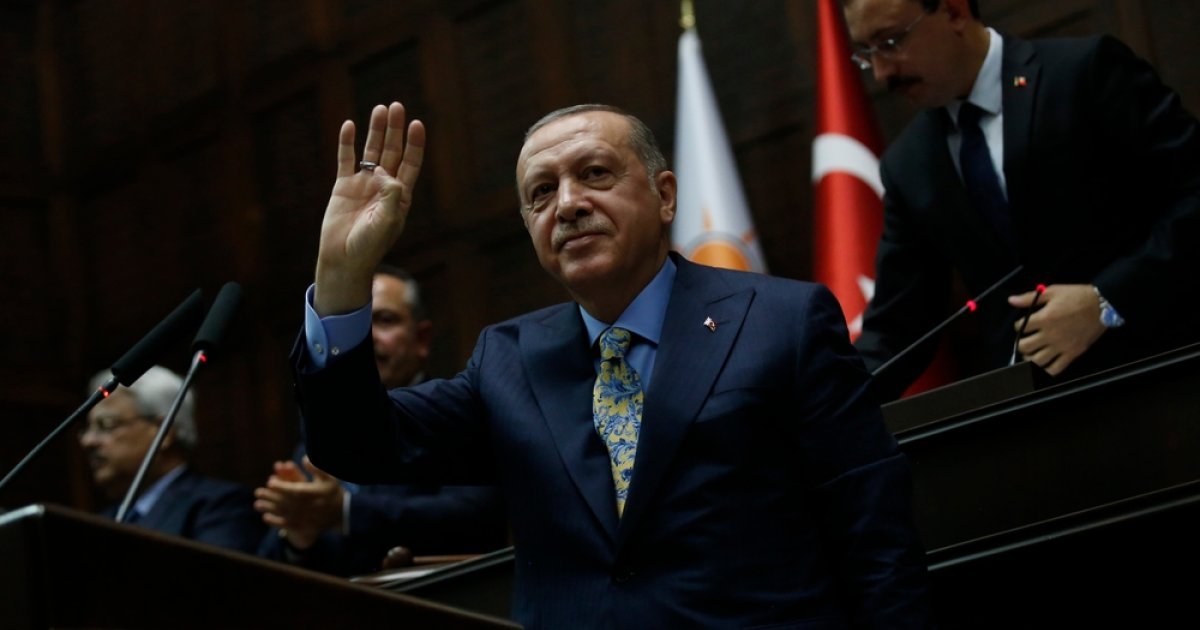
According to Justice Minister Akın Gürlek, the Turkish government is submitting a proposal to parliament that would require people to provide a national ID number to use social media. Unregistered accounts will be removed by platforms. Gürlek also claims platforms have agreed to implement these terms — though which platforms, and which exact terms, are not entirely clear yet.
Gürlek says ending anonymity is necessary to fight crime on the internet — and personal insults. “If someone insults someone or carries out a character assassination on social media,” he warns, “they must bear the consequences.”
UK government admits the obvious: Free countries shouldn’t police legal speech
UK scraps “non-crime hate incidents,” but vague rules remain — as similar speech-policing quietly takes shape in the U.S.
Read More
Given that Türkiye has prosecuted thousands of people, children included, for insulting President Recep Tayyip Erdoğan, this measure will no doubt contribute to the government’s already draconian efforts to obliterate even light-hearted government criticism. (Also, if you weren’t aware of the extent to which the crackdown on presidential insults goes: The trials — plural — over internet memes comparing Erdoğan to the Tolkien character Gollum even have their own Wikipedia page.)
This is exactly what FIRE and other advocates have been warning about: Many of these efforts that erode people’s ability to speak anonymously online are sold as if they are necessary to protect kids from harm, or protect societies from crime and dysfunction. But ultimately, they will hand governments yet another tool designed to protect themselves from criticism under the guise of preventing online harms.
Make no mistake: These kinds of regulations are like a bad cold — they spread fast and are hard to shake. Governments and legislators around the world are constantly peeking over the fence at their neighbors to see what policies they’re rolling out and asking themselves whether they, too, can enact such laws.
You shouldn’t be surprised when more nations ask, If Türkiye can do away with that pesky anonymous internet speech, why can’t we? In fact, the sentiment already exists in democratic nations freer than Türkiye. In February, German Chancellor Friedrich Merz called for an end to anonymous posts. “I want to see real names on the internet,” he said. “I want to know who is speaking.” Coincidentally or not, Germany also prosecutes insults to public officials. Not long after Merz’s statements, police investigated a Facebook comment calling Merz “Pinocchio.”
Anonymous online speech is in peril even here in the United States. In 2023, then-presidential candidate Nikki Haley walked back her demand that companies “verify every single person” using their platforms “by name.” The idea was toxic at the time, and she faced backlash among conservatives. But in the years since, that campaign has ballooned. The bipartisan Kids Online Safety Act, which enjoys Democratic and Republican support, as well as the constantly growing list of state-level age-verification bills in red and blue states are putting a real strain on Americans’ ability to remain anonymous, whether they are 16 years old or 60.
Is it safe to use Signal?
The encrypted messaging app Signal is back in the news — and this time, people are asking: Will using it get me arrested?
Read More
And while supporters of age-verification tools argue that their methods are not the same as having to hand your real name and identity directly to the government, it nevertheless saws away at crucial barriers between anonymous speakers and government oppression. Once the link between your account and your identity exists, your anonymity is destroyed no matter what pseudonym you post under, as recent unsettling events make clear.
The Trump administration has waged a campaign to unmask citizens who have used the internet to discuss or criticize their government. A Washington Post investigation from February revealed that the Department of Homeland Security is abusing oversight-free administrative subpoenas to demand online services provide identifying information of users who engage in protected speech, like a man who sent an email about the deportation of an Afghan asylum seeker on humanitarian parole.
We need the ability to speak anonymously online, whether to criticize our leaders, search for embarrassing medical advice, or even just to ask the age-old question: r/AmItheAsshole? What’s happening in Türkiye should signal a clear shot across the bow. We need to fight for this right, or we are going to lose it. Fast.
Read the full article here
Fact Checker
Verify the accuracy of this article using AI-powered analysis and real-time sources.