

 Freedom Index
Listen to the article
Lusaka, April 3, 2026—The Committee to Protect Journalists calls on Zimbabwean authorities to urgently investigate the harassment and violence against journalists covering March 31 public hearings in the capital, Harare, to discuss a bill to extend President Emmerson Mnangagwa’s rule.
Chaos has marred four days of hearings, hosted by Parliament and ending on April 2, to debate the Constitutional Amendment (No.3) Bill, which would increase the president’s term from five to seven years. The president would also be elected by lawmakers, not the public.
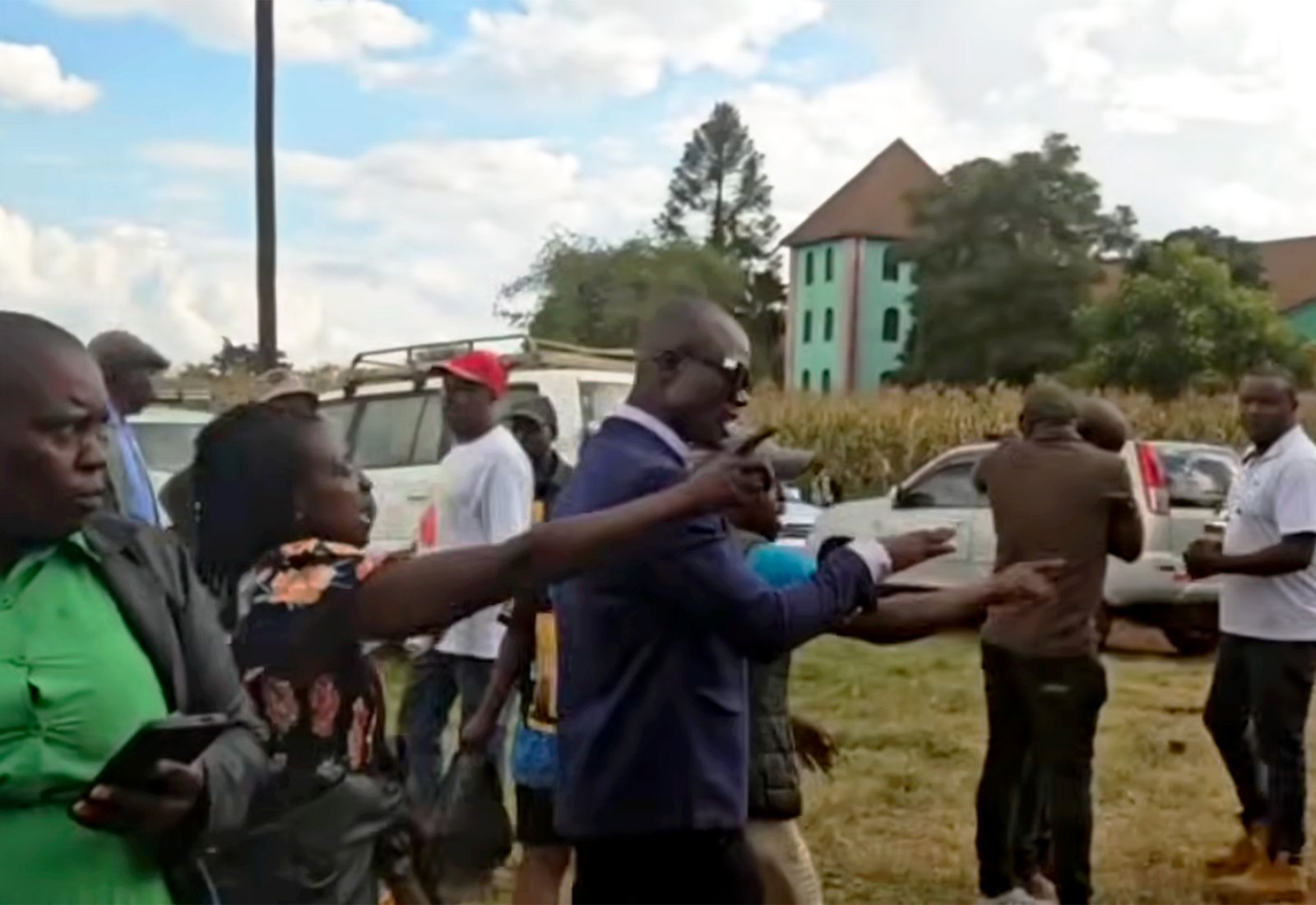
On March 31, numerous journalists were trapped inside the City Sports Center when alleged supporters of the ruling ZANU-PF stormed the venue to prevent opposition figures from speaking and refused to allow journalists to leave unless they deleted their footage.
“Blocking journalists, harassing them, and forcing them to delete their footage is a blatant attempt to censor their news coverage and control what the public can hear, read and see,” said CPJ Africa Director Angela Quintal. “Zimbabwean authorities must ensure those responsible are held accountable and that journalists are free to report on matters of public interest, including this bill, which, if it becomes law, could keep President Emmerson Mnangagwa in power until 2030.”
The Media Institute for Southern Africa-Zimbabwe called for journalists to be permitted to carry out their work without obstruction.
Two journalists who were at the venue told CPJ that reporters were forced to delete footage of attacks on members of the opposition and civil society.
The YouTube-based investigative channel Dug Up posted a video of several people stopping journalists from reporting. Its journalist Ruvimbo Muchenje told CPJ that a man forced her to switch off her phone as she was filming.
Another journalist told CPJ, on condition of anonymity, citing fear of reprisals, that they saw journalists being harassed inside the sports center.
“In the hall, from time to time, some rowdy youth were approaching journalists, intimidating them, blocking cameras, and threatening to take away phones,” said the reporter, who then went outside with three other journalists.
“Two men, [who] identified [themselves] as state security agents, came and asked which media organizations we work for,” the journalist said, adding that ruling party supporters also repeatedly threatened to confiscate their equipment. “They demanded we delete the footage, which they alleged was meant to tarnish the sovereignty of the country.”
The independent news site Zim Live posted a photo of an anonymous female journalist who said her hand was injured and her glasses were broken after “someone poured alcohol on my face and before I knew it, I was on the floor and had people stepping on me in the stampede.”
ZANU-PF’s information director, Farai Muroiwa Marapira, told CPJ via phone that the party condemns any form of violence, and “will institute internal investigations” while police work to ensure those at fault face the law.
Information permanent secretary Nick Mangwana did not respond to CPJ’s requests for comment via phone and messaging app.
Read the full article here
Fact Checker
Verify the accuracy of this article using AI-powered analysis and real-time sources.