Close Menu
FSNN | Free Speech News NetworkFSNN | Free Speech News Network
  • Home
  • News
    • Politics
    • Legal & Courts
    • Tech & Big Tech
    • Campus & Education
    • Media & Culture
    • Global Free Speech
  • Opinions
    • Debates
  • Video/Live
  • Community
  • Freedom Index
  • About
    • Mission
    • Contact
    • Support
Trending

Crypto Needs Privacy To Scale in Payments: Binance Co-Founder CZ

27 minutes ago

Wall Street giant Apollo follows BlackRock in DeFi push with Morpho token deal

1 hour ago

OpenClaw Creator Gets Big Offers to Acquire AI Sensation—Will It Stay Open Source?

3 hours ago
Facebook X (Twitter) Instagram
Facebook X (Twitter) Discord Telegram
FSNN | Free Speech News NetworkFSNN | Free Speech News Network
Market Data Newsletter
Sunday, February 15
  • Home
  • News
    • Politics
    • Legal & Courts
    • Tech & Big Tech
    • Campus & Education
    • Media & Culture
    • Global Free Speech
  • Opinions
    • Debates
  • Video/Live
  • Community
  • Freedom Index
  • About
    • Mission
    • Contact
    • Support
FSNN | Free Speech News NetworkFSNN | Free Speech News Network
Home»Opinions»Debates»Why Capitalism’s Beneficiaries Have Turned Against It
Debates

Why Capitalism’s Beneficiaries Have Turned Against It

News RoomBy News Room23 hours agoNo Comments3 Mins Read1,937 Views
Share Facebook Twitter Pinterest Copy Link LinkedIn Tumblr Email VKontakte Telegram
Why Capitalism’s Beneficiaries Have Turned Against It
Share
Facebook Twitter Pinterest Email Copy Link

Listen to the article

0:00
0:00

Key Takeaways

Playback Speed

Select a Voice

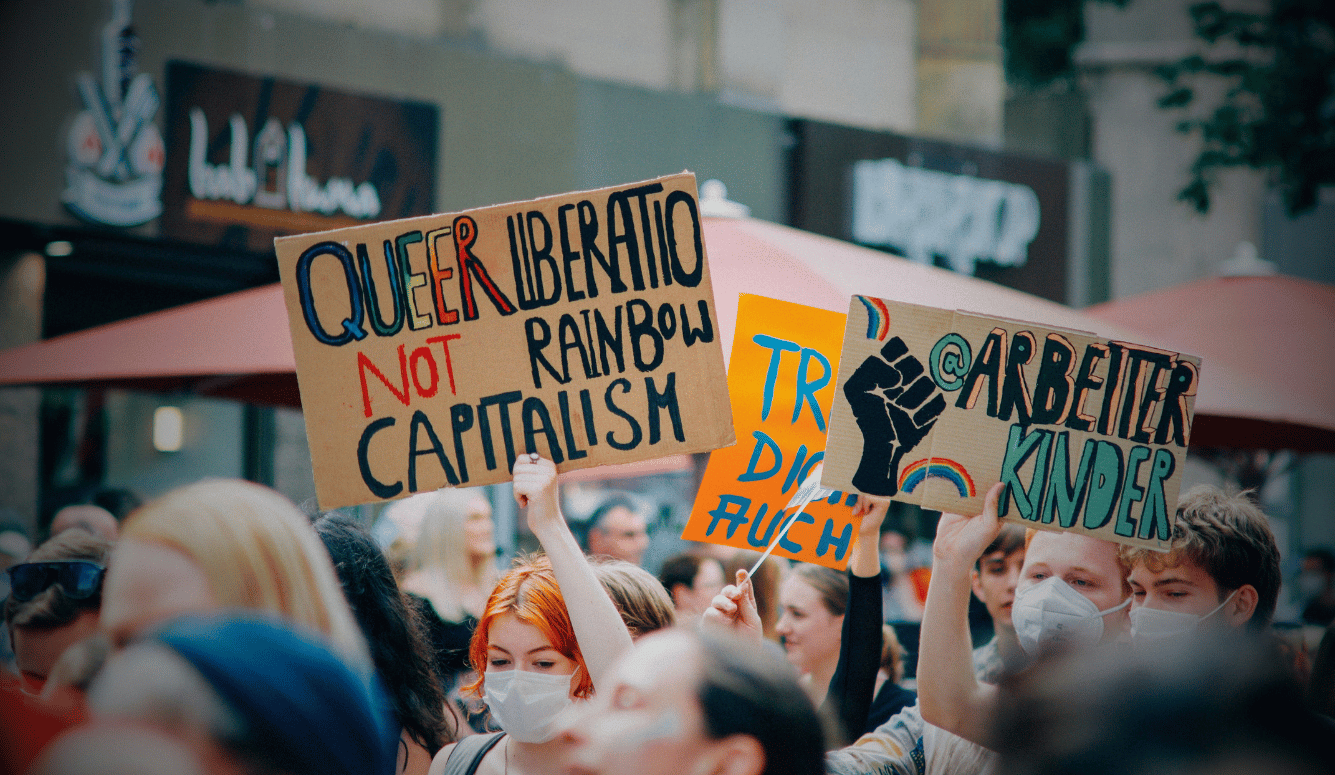
In some of the most beautiful and prosperous places in America, a curious paradox has taken hold: the people who benefit most from capitalism increasingly appear to resent it. They live in high-amenity cities and mountain towns with preserved open space, reliable infrastructure, advanced healthcare, abundant leisure, and the freedom to choose where and how they live. These conditions did not arise spontaneously. They are the cumulative result of markets, private investment, innovation, and long-term economic growth. Yet in these same environments, it has become socially fashionable to describe capitalism as immoral, exploitative, or fundamentally broken. This is often dismissed as hypocrisy. That framing is too simple. What we are witnessing is not merely individual inconsistency, but a structural paradox produced by success itself. Capitalism generates abundance, and abundance reshapes human priorities.

When societies struggle to meet basic needs, economic systems are judged primarily on whether they function. People care about jobs, food, shelter, safety, and stability. Once those needs are broadly met, attention shifts. People begin asking different questions. Is the system fair? Is it humane? Does it align with my values? Does my comfort come at someone else’s expense? Capitalism excels at producing goods, services, innovation, and choice. It is far less adept at providing moral reassurance. It is impersonal. It distributes rewards unevenly. It does not explain itself or justify outcomes. It simply operates. For people whose material lives are secure, this impersonality can feel unsatisfying and even unsettling. Comfort creates space for moral inquiry, but it also creates moral anxiety. As scarcity recedes from daily experience, gratitude often gives way to guilt.

Many of capitalism’s noisiest critics live comfortably within it. They own assets. They benefit from property appreciation. They enjoy professional mobility. They have access to education, healthcare, and travel. Their material security allows them to focus on abstract harms rather than concrete tradeoffs. But this security produces a subtle psychological tension. It is difficult to reconcile personal comfort with awareness of inequality, luck, timing, or inherited advantage. One response is humility and gratitude. Another is guilt. A third is ideological reframing. Rather than saying, “I have done well in this system and feel conflicted about it,” it becomes easier to say, “The system itself is immoral.” This externalises discomfort. Personal unease is converted into ethical opposition. The system, rather than circumstance, becomes the culprit. Critiquing capitalism, then, serves a dual purpose. It relieves guilt and signals moral seriousness.


Read the full article here

Fact Checker

Verify the accuracy of this article using AI-powered analysis and real-time sources.

Get Your Fact Check Report

Enter your email to receive detailed fact-checking analysis

5 free reports remaining

Continue with Full Access

You've used your 5 free reports. Sign up for unlimited access!

Already have an account? Sign in here

Share. Facebook Twitter Pinterest LinkedIn Tumblr Email Telegram Copy Link
News Room
  • Website
  • Facebook
  • X (Twitter)
  • Instagram
  • LinkedIn

The FSNN News Room is the voice of our in-house journalists, editors, and researchers. We deliver timely, unbiased reporting at the crossroads of finance, cryptocurrency, and global politics, providing clear, fact-driven analysis free from agendas.

Related Articles

Cryptocurrency & Free Speech Finance

OpenClaw Creator Gets Big Offers to Acquire AI Sensation—Will It Stay Open Source?

3 hours ago
Cryptocurrency & Free Speech Finance

Her Divorce Was Ugly. Crypto Became a Lifeline

5 hours ago
Cryptocurrency & Free Speech Finance

Bitcoin Takes Step Towards Quantum Fix as Experts Diverge on Urgency of Threat

6 hours ago
Media & Culture

The E.U. Wants ‘Deforestation-Free’ Products. Consumers May Pay the Cost.

8 hours ago
Media & Culture

Today in Supreme Court History: February 15, 1790

10 hours ago
Debates

Japan’s Conquest Shattered European Rule in Southeast Asia

21 hours ago
Add A Comment
Leave A Reply Cancel Reply

Editors Picks

Wall Street giant Apollo follows BlackRock in DeFi push with Morpho token deal

1 hour ago

OpenClaw Creator Gets Big Offers to Acquire AI Sensation—Will It Stay Open Source?

3 hours ago

Hong Kong is trying to build up its crypto regulations: State of Crypto

3 hours ago

Saylor Signals Week 12 of Consecutive Bitcoin Buys From Strategy

4 hours ago
Latest Posts

Founders admit blockchain transparency is the only defense

5 hours ago

Her Divorce Was Ugly. Crypto Became a Lifeline

5 hours ago

Bitcoin Takes Step Towards Quantum Fix as Experts Diverge on Urgency of Threat

6 hours ago

Subscribe to News

Get the latest news and updates directly to your inbox.

At FSNN – Free Speech News Network, we deliver unfiltered reporting and in-depth analysis on the stories that matter most. From breaking headlines to global perspectives, our mission is to keep you informed, empowered, and connected.

FSNN.net is owned and operated by GlobalBoost Media
, an independent media organization dedicated to advancing transparency, free expression, and factual journalism across the digital landscape.

Facebook X (Twitter) Discord Telegram
Latest News

Crypto Needs Privacy To Scale in Payments: Binance Co-Founder CZ

27 minutes ago

Wall Street giant Apollo follows BlackRock in DeFi push with Morpho token deal

1 hour ago

OpenClaw Creator Gets Big Offers to Acquire AI Sensation—Will It Stay Open Source?

3 hours ago

Subscribe to Updates

Get the latest news and updates directly to your inbox.

© 2026 GlobalBoost Media. All Rights Reserved.
  • Privacy Policy
  • Terms of Service
  • Our Authors
  • Contact

Type above and press Enter to search. Press Esc to cancel.

🍪

Cookies

We and our selected partners wish to use cookies to collect information about you for functional purposes and statistical marketing. You may not give us your consent for certain purposes by selecting an option and you can withdraw your consent at any time via the cookie icon.

Cookie Preferences

Manage Cookies

Cookies are small text that can be used by websites to make the user experience more efficient. The law states that we may store cookies on your device if they are strictly necessary for the operation of this site. For all other types of cookies, we need your permission. This site uses various types of cookies. Some cookies are placed by third party services that appear on our pages.

Your permission applies to the following domains:

  • https://fsnn.net
Necessary
Necessary cookies help make a website usable by enabling basic functions like page navigation and access to secure areas of the website. The website cannot function properly without these cookies.
Statistic
Statistic cookies help website owners to understand how visitors interact with websites by collecting and reporting information anonymously.
Preferences
Preference cookies enable a website to remember information that changes the way the website behaves or looks, like your preferred language or the region that you are in.
Marketing
Marketing cookies are used to track visitors across websites. The intention is to display ads that are relevant and engaging for the individual user and thereby more valuable for publishers and third party advertisers.