

 Freedom Index
Listen to the article
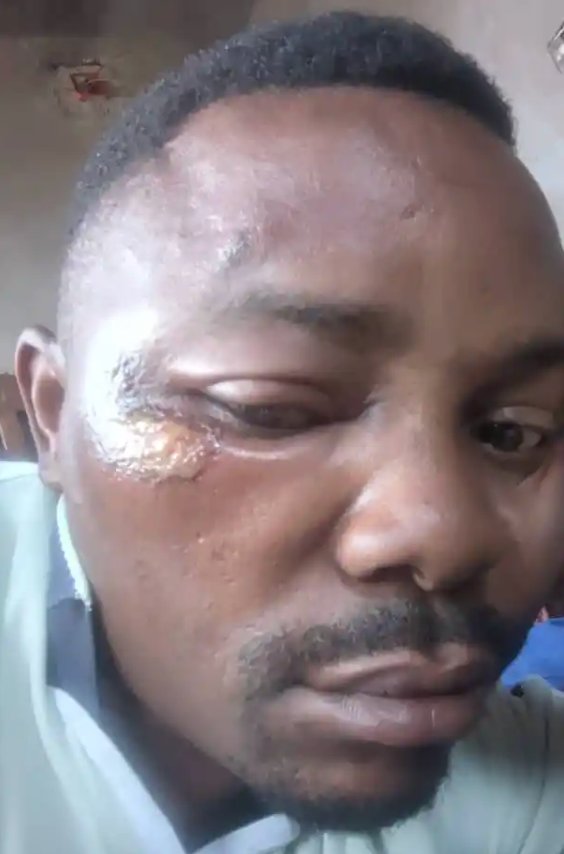
For Congolese journalist Prince Cikala Mihigo, the first day of 2026 brought a brutal reminder of the risks of reporting: rebel soldiers beat and kicked him while questioning him about his work, leaving his face swollen and raw.
Cikala was assaulted at a checkpoint in the Democratic Republic of the Congo’s eastern city of Bukavu, one of several key locations captured by M23 rebels over the last year.
Cikala was returning from interviewing vulnerable children whose fathers joined the army to fight the M23 and the broader Congo River Alliance (AFC) rebel coalition. The freelance journalist, who contributes to Viory video news agency, told CPJ that the rebels checked his press card and then wanted to search his bag, but he refused.
“A soldier started slapping me for no reason and hurt me,” he said, adding that another officer eventually intervened and allowed him to leave.
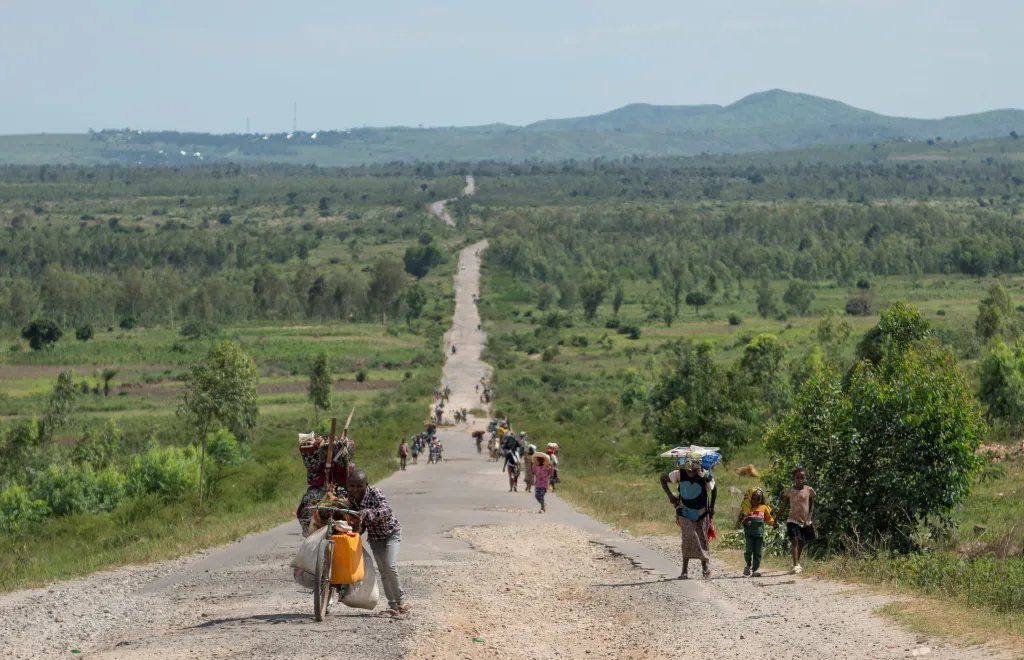
The DRC’s mineral-rich, eastern region has been unstable since the end of the Rwandan genocide in 1994, when ethnic conflict, combatants, and refugees spilled over into the DRC. It is one of the world’s worst, long-running humanitarian crises.
The escalation in fighting and M23’s rapid, unprecedented gains marked the most significant upheaval for local media in years, with journalists caught between warring parties that share a determination to prevent the press freely publicizing their actions, including long-standing allegations of human rights abuses.
CPJ has seen a surge in journalists’ requests for emergency support, reflecting an increasingly difficult media environment over the last 12 months.
Self-censorship over abuses, killings
In interviews, 20 journalists told CPJ that violence, threats, detention, and censorship had worsened since the rebel advance began a year ago, forcing many to flee within the DRC and abroad.
“We are unable to practice our profession freely,” one reporter said from exile in a country where at least half a dozen journalists live in refugee camps and temporary hotels.
“Some journalists suffer from health problems linked to stress, the trauma of exile, and difficult living conditions … We fled the DRC because of the M23/AFC rebels who threatened to kill us, and we faced intimidation and risks related to our journalistic work,” the reporter added.
For those who remain, self-censorship has become widespread.
“We prefer not to disseminate information related to human rights and security violations,” a journalist in Uvira, South Kivu province’s second largest city, which was occupied by the M23 on December 10 and retaken by the Congolese army on January 19, told CPJ.
“We do it out of fear of being targeted. Even though several abuses, assaults, summary executions, enforced disappearances of peaceful citizens, targeted killings, and torture are being committed by the rebels, we prefer not to talk about it.”
When the M23 was created in 2012, it briefly held Goma but then lay dormant until its revival in 2022, when it took over the towns of Kiwanja and Rutshuru for several months. The United Nations (U.N.) evacuated more than 20 journalists to Goma after the rebels threatened to kill those whose reports they viewed as pro-government.
U.N. experts say there is clear evidence that Rwanda backs the M23 — a charge Rwanda denies.
Rebels deploy violence to control coverage
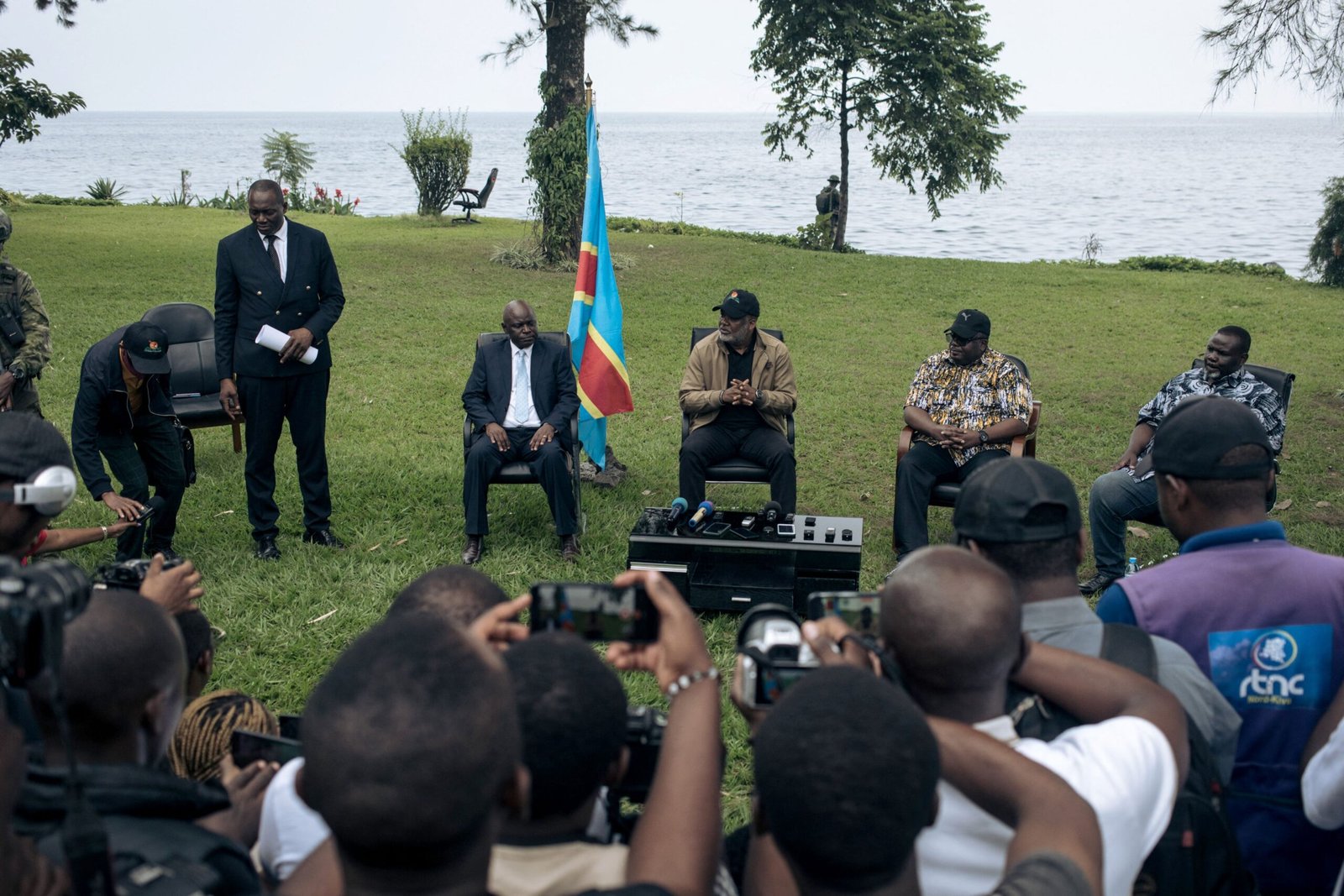
AFC leader Corneille Nangaa promised on January 30, 2025, in his first press conference after taking Goma, that journalists would not be harassed for their work. But his words have rung hollow.
Journalists say the challenges of reporting have multiplied as they are now targeted not only by government forces and their allied Wazalendo militia, but also by the new rebel authorities who use violence and intimidation to ensure favorable coverage.
M23 spokesperson Lawrence Kanyuka instructed staff in at least three Congolese National Radio and Television (RTNC) newsrooms, which were previously government controlled, not to broadcast information from authorities loyal to Kinshasa, three people with knowledge of the situation told CPJ on condition of anonymity, citing fear of reprisals.
“The rebel leaders forced us to play only revolutionary music glorifying the rebellion, to give airtime to the leaders of the rebellion for mobilization and propaganda around their ideology, and to change the programming schedule in favor of the rebellion,” one said.
The station was also forced to start hosting shows in Kinyarwanda, the national language of Rwanda, which is also spoken by minorities in the Kivu provinces, and employees were instructed to wear staff ID cards with the M23 logo, that person said.
All three told CPJ that to refuse the rebel directives meant risking death.
“When referring to the government of Kinshasa, we are required to use the term ‘illegal and illegitimate power of Tshisekedi,’” said another person, referring to DRC President Felix Tshisekedi.
“We were also asked to suspend programs dedicated to human rights and those featuring civil society actors, including churches not aligned with the rebellion’s cause. We must also speak of the liberation of the Congolese people and not of the rebellion, in order to give the people the image of a revolution rather than terrorism or rebellion.”
Threats, kidnapping, death
Until it was taken over by the M23 in January 2025, Goma was the capital of North Kivu province, which since 2021 had been under martial law, known officially as a ‘state of siege,’ with the government unable to assert control over dozens of armed groups.
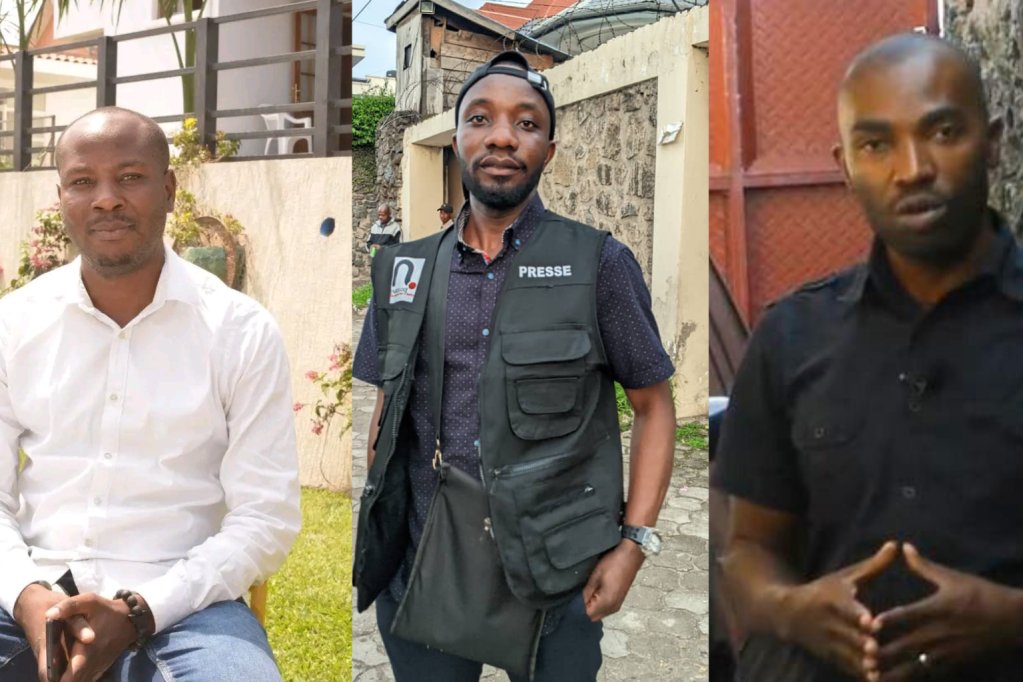
As the rebels advanced, CPJ reported on the threats received by Goma-based journalists Jonas Kasula, Jonathan Mupenda, and Daniel Michombero and the rebels’ 11-day detention of state-owned RTNC’s provincial director Tuver Wundi soon after they took the city.
CPJ can also confirm the following incidents:
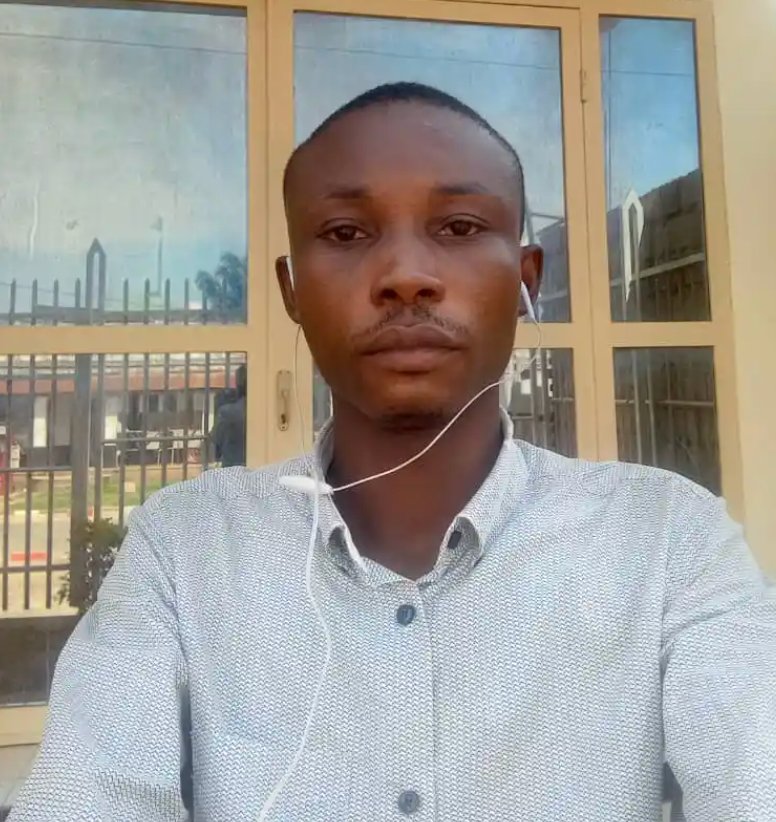
- On January 9, 2025, three armed rebel soldiers in Uvira sought to arrest Cléophas Kyembwe Babu Bumba for publishing and sharing an interview with a Wazalendo leader on YouTube-based Lumière Média TV, two people familiar with the situation told CPJ on condition of anonymity, citing fear of reprisals.
The rebels searched Kyembwe’s home and threatened his wife, forcing him into hiding. In December, he published a second interview with the militia leader, leading the M23 to renew their search for him. Lumière Média TV is produced by La Cloche, a fact-checking project whose website Kyembwe manages.
- On January 31, 2025, Goma-based Marie Noël Kabuya, news director of the privately owned Mishapi Voice TV, sought refuge at a U.N. base after she received phone calls from unknown people who threatened to kill her for having produced reports deemed favorable to government forces. Kabuya told CPJ that she moved to a safer location but rebels kept searching for her and raided her Goma home on July 8, taking her vehicle.
- On August 5, Fiston Wilondja Mazambi was found dead in a pool of blood with a rope around his neck in Bukavu, which was captured by the M23 in February.
Wilondja’s wife told CPJ that rebels had kidnapped him the day before, after searching for him at home the previous week, complaining about his reporting. Wilondja had been investigating illegal gold mining with Pacifique Muliri, who went into hiding in July after his house was raided and he was threatened with death over their reporting.
- On December 8, rebel soldiers attacked a journalist in Bukavu, who requested not to be named, citing fear of reprisals, while interviewing street vendors about the high cost of living.
“Three rebel soldiers confiscated my camera by shoving me to the ground. After trampling me with their boots, they told me not to talk about it in the media if I want to live,” the journalist told CPJ.
- On December 28, rebel intelligence agents in Goma detained Blaise Basabose, a reporter for the privately owned Kivu Morning Post, for 24 hours over his YouTube report on food donated by President Tshisekedi’s wife to Congolese refugees in neighboring Burundi, another journalist told CPJ on condition of anonymity, citing fear of reprisals. Local journalist Michombero posted about it on X.
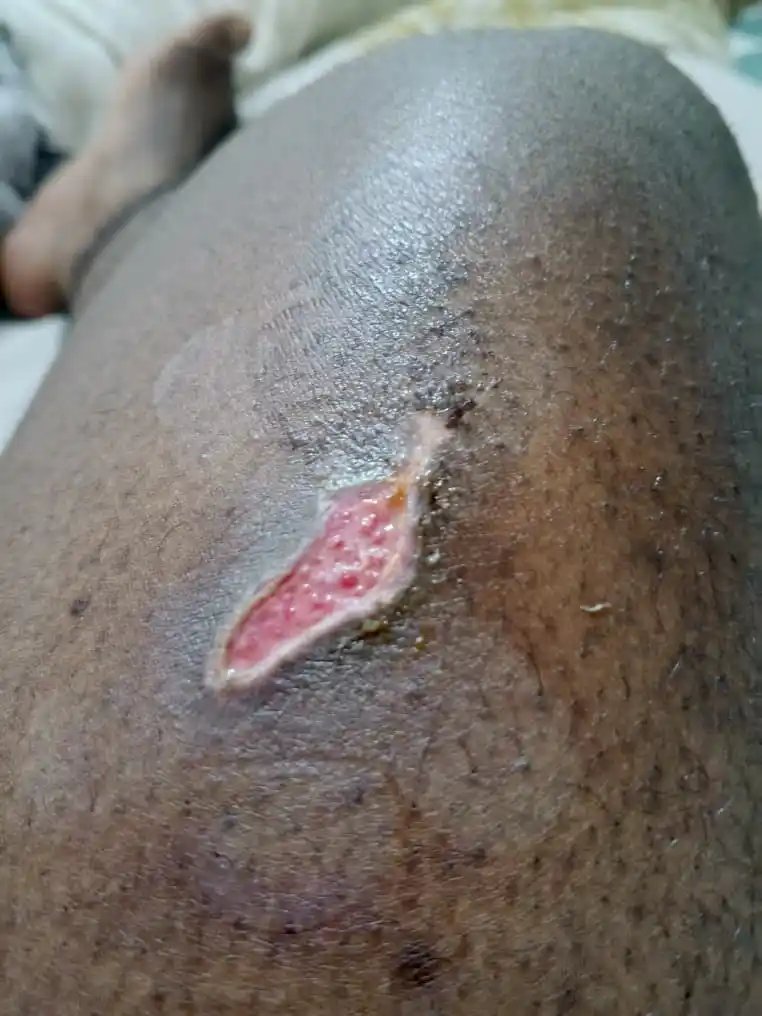
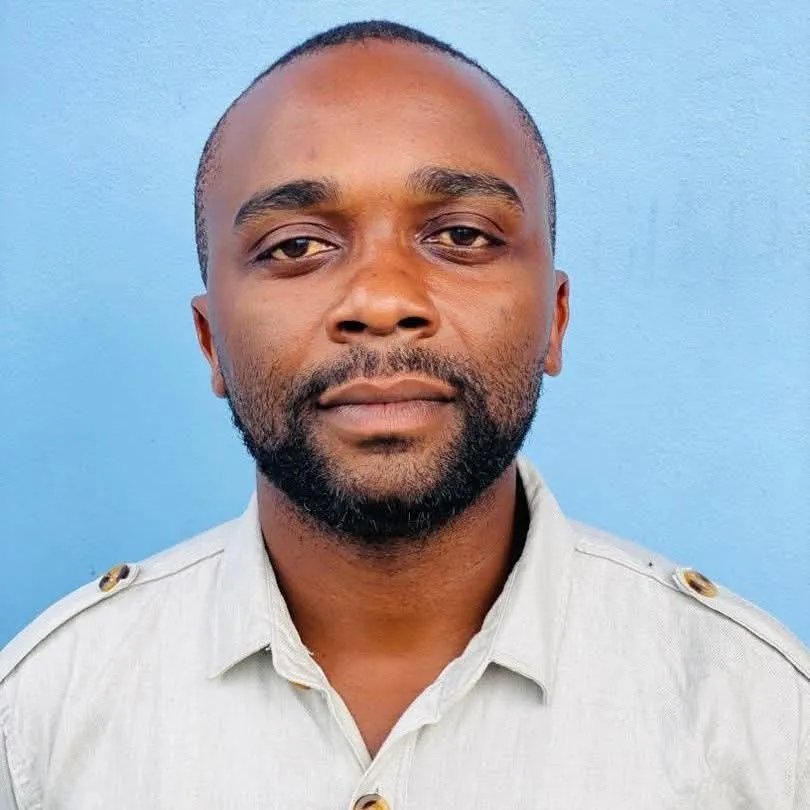
- On December 28, M23 soldiers kidnapped David Honneur Safari, a reporter for the privately owned laprunellerdc.cd, in Bukavu, and accused him of investigating and reporting critically about them, the journalist told CPJ. Safari was released on December 31, on the outskirts of the city in critical condition due to mistreatment.
The local rights group Partnership for Integrated Protection (PPI) reported that Safari had been accused of trying to tarnish the image of the AFC/M23 and its allies and of being “used” by Nobel Peace Prize laureate Denis Mukwege, who has denounced rebel abuses.
No work, constant anxiety for exiled journalists
Despite peace agreements signed in Washington D.C. and Doha in late 2025, fighting continues. The M23/AFC control the largest area a rebel group in the DRC has held for more than two decades, with some, like Nangaa, vowing to march all the way to Kinshasa.
Journalists told CPJ that their forced displacement, loneliness, and uncertainty about the future weighed heavily on their minds.
“We have no work permits, no equipment, no institutional support, which deprives us of any source of income. This situation deeply affects our dignity and morale,” said one.
“We live in constant anxiety for our families who remained in the country or are scattered across different countries,” said another exiled journalist.
CPJ’s requests for comment sent via messaging app to Kanyuka did not receive a reply, while M23 spokesperson Willy Ngoma replied with a greeting, but nothing further.
Read the full article here
Fact Checker
Verify the accuracy of this article using AI-powered analysis and real-time sources.