

 Freedom Index
Listen to the article
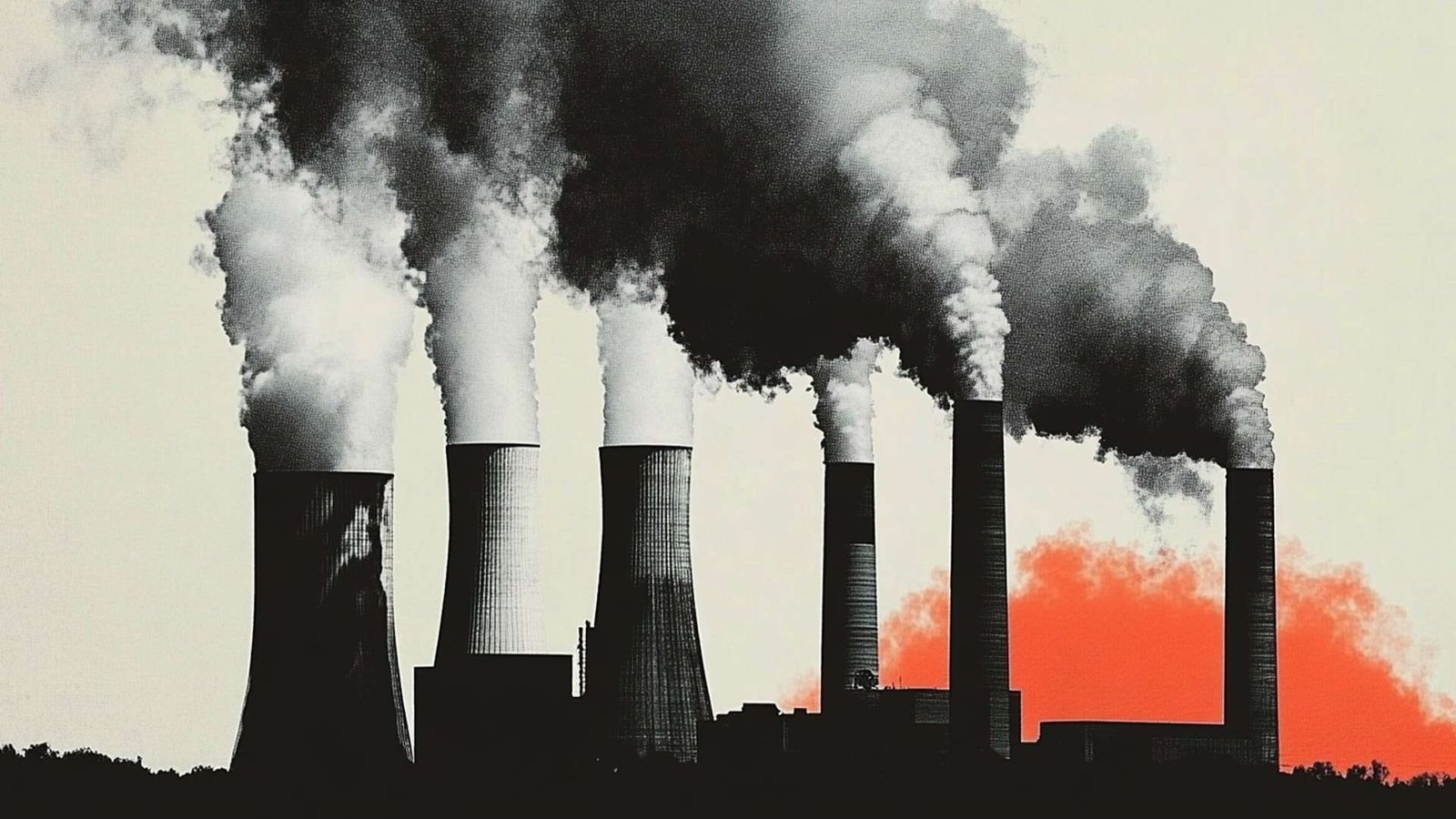
The Trump administration will overturn the Environmental Protection Agency’s (EPA) 2009 Endangerment Finding, according to The Wall Street Journal and other media outlets. Under the Clean Air Act, the EPA found that greenhouse gas emissions “threaten the public health and welfare of current and future generations.” The threat stems from the fact that greenhouse gas emissions, largely from burning coal, oil, and natural gas, are contributing to rising average global temperatures. (As of this article’s publication, the original finding is still up at the EPA’s website.)
Based on this finding, the EPA under the Obama administration and the Biden administration adopted various regulations aiming to reduce those emissions, including the imposition of strict and costly automobile and power plant emissions reduction requirements.
Even the Department of Energy’s handpicked Climate Working Group acknowledged in a 2025 report that “carbon dioxide also acts as a greenhouse gas, exerting a warming influence on climate and weather.” American Enterprise Institute Senior Fellow Roger Pielke Jr. argues that acknowledgment is sufficient to meet the highly precautionary legal threshold for an endangerment finding under the Clean Air Act. That legal standard was set by the U.S. Supreme Court in its 2007 Massachusetts v. EPA decision. The majority of the court declared, “Under the Act’s clear terms, EPA can avoid promulgating regulations only if it determines that greenhouse gases do not contribute to climate change or if it provides some reasonable explanation as to why it cannot or will not exercise its discretion to determine whether they do.” (Emphasis added.)
As legal scholar and Volokh Conspiracy contributor Jonathan Adler has observed, whether the Trump administration can find a winning legal argument for why the 2007 decision is wrong is yet to be determined. However, it is worth noting that the Supreme Court as currently constituted has not been shy about overturning prior decisions, and that three of the four justices who dissented in the Massachusetts case are still sitting on the court’s bench.
Read the full article here
Fact Checker
Verify the accuracy of this article using AI-powered analysis and real-time sources.