

 Freedom Index
Listen to the article
In March 2015, the International Agency for Research on Cancer (IARC) issued its report finding glyphosate—the active ingredient in the weedkiller Roundup—to be a “probable human carcinogen.” Since then, a controversy has been raging in the public sphere, the legal world, and the scientific literature.
This issue is about to come to a head. In February, Bayer, the manufacturer of glyphosate, proposed a US$7.25 billion class-action settlement of the tens of thousands of cases brought against it in state courts. Bayer’s new proposal was prompted by the US Supreme Court’s decision to hear a case scheduled for April to decide whether or not federal approval of a product can shield its manufacture from state-law failure-to-warn claims. To further complicate this already confused situation, President Trump issued an Executive Order on 18 February declaring phosphorus and glyphosate to be strategic chemicals subject to the Defence Production Act.
So is glyphosate actually carcinogenic in humans? Over a period of eleven years, that question has been buried under layers of opinion, personal testimony, legal decisions, activist propaganda, and commercial promotion. It is as if these layers of commentary have come to form a virtually impenetrable carapace hiding the science from view. In what follows, I will show how the current situation arose, which parties played key roles, and which forces and interest groups have shaped the informational landscape in which we now find ourselves.
It is important to realise that there would be no tort litigation around this issue had the IARC not determined that glyphosate is a “probable carcinogen” in 2015. Before that finding was announced in the British journal Lancet Oncology, there was little concern about the safety of this chemical. It has been in use for over fifty years and it is the most popular weedkiller worldwide.
But unlike other regulatory agencies, the IARC does not assess risk, it assesses hazard—the possibility that a substance or agent might cause cancer. This means that IARC considers carcinogenicity in the abstract, divorced from consideration of the ways in which humans are exposed to carcinogens in the real world. IARC placed glyphosate in the same category as red meat, drinking hot beverages, and working as a barber. When the Monographs program was established in 1971 to identify environmental carcinogens, the idea was to provide relevant data to regulatory scientists who would then use this information to assess risk. The IARC’s mission was never intended to broadcast information to the general public on how to prevent cancer.
If this were all there is to be said about the IARC determination regarding glyphosate, the agency’s assessment could just be dismissed as an idiosyncratic judgement. Other regulatory agencies—like the US EPA, Health Canada, the European Food Safety Authority, the European Chemicals Agency, and over a dozen other national and international agencies—all found glyphosate to be safe and not carcinogenic. However, evidence has emerged suggesting that IARC’s glyphosate determination is deeply flawed.
First, glyphosate was proposed to the IARC for evaluation in 2014 by an advisory panel chaired by the American statistician Christopher Portier. Less than two weeks after glyphosate was found to be a “probable carcinogen,” Portier became a paid litigation consultant for two tort firms bringing lawsuits for plaintiffs involving the chemicals (here and here). While this is not a scientific point, it is a concerning conflict of interest.
Second, the IARC based its glyphosate determination on rodent carcinogenicity evidence, since the agency considered the human (epidemiological) evidence to be “limited.” When Robert Tarone, a statistician who worked at the National Cancer Institute for 28 years, reviewed the rodent data, he found that the IARC’s evidence of a few alleged increases in tumours was no longer statistically significant when one applied the appropriate statistical test. Furthermore, the IARC working group ignored decreases in tumours, which were actually more numerous than the increases it reported.
Finally, Kate Kelland, an award-winning reporter, formerly of Reuters, obtained an early draft of the chapter of the IARC’s glyphosate report dealing with the rodent evidence. She found that, after the working group met, changes were made that strengthened the interpretation of what were previously weak findings.
Confronted with these irregularities, the IARC criticised Kelland on its website, but refused to rebut the scientific critique of its rodent deliberations. Unfortunately, dozens of articles pointing out these abuses have done little to diminish the IARC’s stature or the trust accorded to its glyphosate determination.
Based on the balance of evidence, the IARC’s March 2015 glyphosate report in Lancet Oncology, and its Monograph 112, should have been retracted and corrected. Instead, the paper and the monograph have been cited hundreds of times in the scientific literature and have provided the linchpin for tens of thousands of tort cases. It is the foundational document on which the tort litigation cases hinge.
When the words “probably carcinogenic” are coupled with “glyphosate,” most people assume this is an urgent warning that the compound they are exposed to in vanishingly small amounts poses a threat to their health. In fact, this information is irrelevant to their health and that of their children, but people do not generally think about the relationship between harm and dose, or the amount of a substance to which a person is exposed. This relationship is a cornerstone of toxicology.
The first glyphosate case was tried in San Francisco in 2018. It involved Dewayne “Lee” Johnson, a former school groundskeeper, who had regularly sprayed Roundup on school grounds and developed non-Hodgkin’s lymphoma at the age of 42. Monsanto (the original producer of glyphosate) was found to have acted with “malice” for not warning its customers about the risks. This set the tone, and plaintiffs have won significant victories in over a dozen Roundup trials. We are built to make causal connections that explain why we have contracted a serious illness. Stories like Dewayne Johnson’s make for powerful drama in the courtroom, and they were used by journalists like Carey Gillam and plaintiff attorneys to tell the story of an inhuman corporation that marketed a product “known to cause cancer.”
Two things are missing from this account:
- The best scientific evidence does not support an association between glyphosate and cancer.
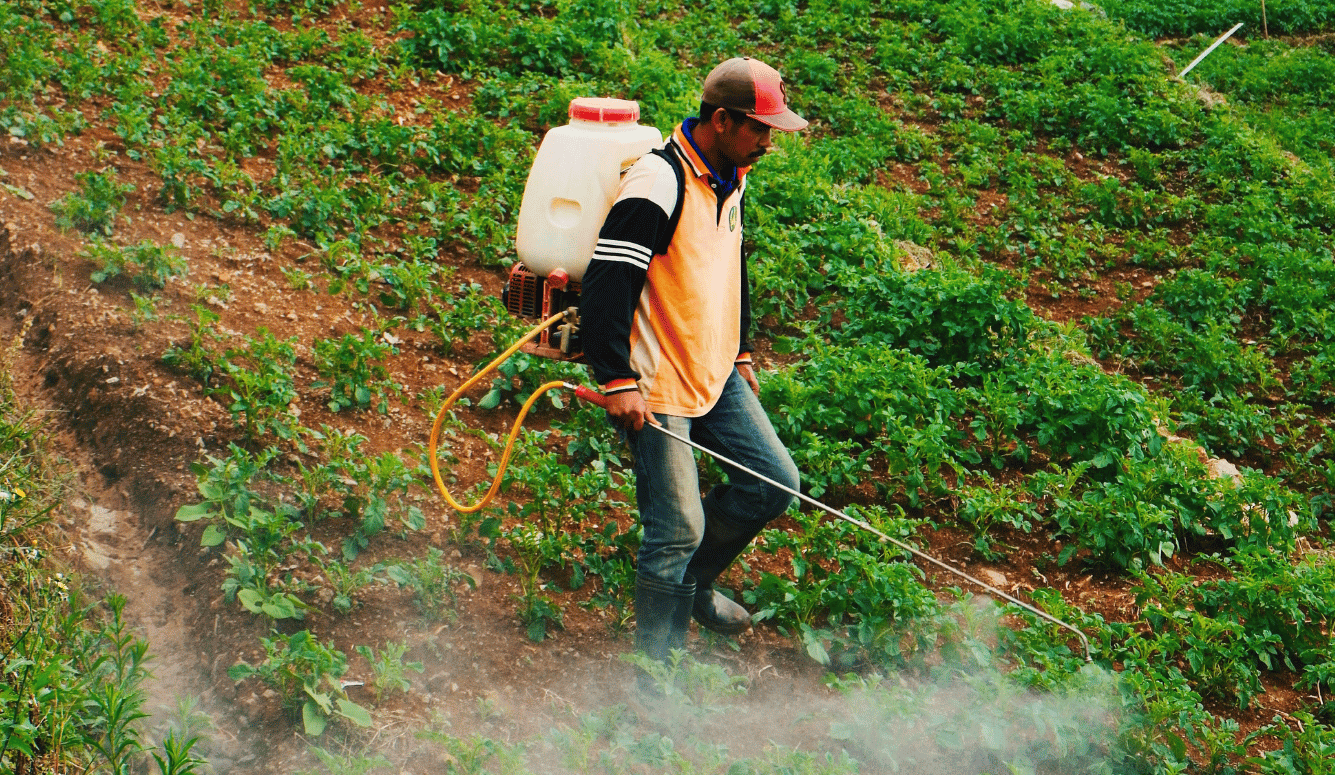
- Countless homeowners and agricultural workers spray glyphosate and do not go on to develop non-Hodgkin’s lymphoma or other cancer.
Although fewer than half of the cases that have gone to trial have found for the plaintiff, the publicity surrounding these cases and the lobbying by litigation firms like Wisner Baum has led to tens thousands of cases. These factors help explain how the “glyphosate threat” became the source of a litigation juggernaut.
As a lot of bogus “evidence” and misrepresentation about glyphosate is casually cited by journalists and other non-experts, it is worth recapitulating some basic facts:
- Glyphosate has a lower acute toxicity than salt, vinegar, Tylenol, aspirin, and caffeine (caffeine has an acute toxicity forty times that of glyphosate).
- Glyphosate is relatively benign in the environment and is benign compared to other pesticides.
- Glyphosate is a systemic, broad-spectrum herbicide that kills plants by disrupting the shikimic acid pathway, thereby inhibiting plant growth. The shikimate pathway is active in plants, fungi, and microorganisms, but not in animals.
- Glyphosate is applied in very small amounts.
- Glyphosate is rapidly eliminated from the human body.
- While reports of glyphosate in breakfast cereals and in children’s urine have caused alarm, the most comprehensive reviews published by the European Food Safety Authority have concluded that, “Two complementary exposure assessments, human biomonitoring and food residues monitoring, suggest that actual exposure levels are below these reference values and do not represent a public concern.”
Starting in 1993, the National Cancer Institute carried out a prospective cohort study of 54,251 pesticide applicators in North Carolina and Iowa. Information on glyphosate use was obtained using questionnaires in 1993–97 and again in 1999–2005. Exposure to glyphosate was calculated in terms of “lifetime days” and “intensity-weighted lifetime days of glyphosate use.” Over a median follow-up of approximately 17.5 years, 5,779 cancers were ascertained. The authors examined the association of glyphosate exposure with the risk of 23 different types of cancer, including non-Hodgkin’s lymphoma. Most of the risk estimates for non-Hodgkin’s lymphoma were less than 1.0. They concluded that there was no association of glyphosate exposure and any type of solid cancer or lymphoid malignancy, including non-Hodgkin’s lymphoma.
Dogmatism, Data, and Public Health
A look back on the 2003 BMJ controversy over passive smoking and mortality.
A scientist named Aaron Blair was the head of the IARC working group that evaluated glyphosate in 2015. Blair was also the lead investigator on the Agricultural Health Study into glyphosate at the National Cancer Institute, the results of which were not published until November 2017. However, Kate Kelland reported that, at the time he chaired the IARC working group, Blair already knew that his study showed no association of glyphosate with non-Hodgkin’s lymphoma:
Previously unreported court documents reviewed by Reuters from an ongoing U.S. legal case against Monsanto show that Blair knew the unpublished research found no evidence of a link between glyphosate and cancer. In a sworn deposition given in March this year in connection with the case, Blair also said the data would have altered IARC’s analysis. He said it would have made it less likely that glyphosate would meet the agency’s criteria for being classed as “probably carcinogenic.”
However, the IARC working group never considered whether publication of its glyphosate report should await the results of this large, high-quality epidemiological study.
Finally, another type of evidence is important here. This is referred to as “ecologic evidence” and it involves correlating aggregate data on an exposure with aggregate disease rates for a population. This approach is generally considered a weaker form of evidence because it fails to capture the exposure and cancer status of individuals. However, depending on the specific question, ecologic evidence can be extremely informative. As shown below, between 1992 and 2012, the number of pounds of glyphosate sprayed increased by about 28-fold. During that same period, new cases of non-Hodgkin’s lymphoma remained unchanged, and the death rate from the disease declined significantly. These data certainly suggest that there is little or no relationship between the enormous increase in the application of glyphosate during the 1990s and 2000s and rates of non-Hodgkin’s lymphoma.
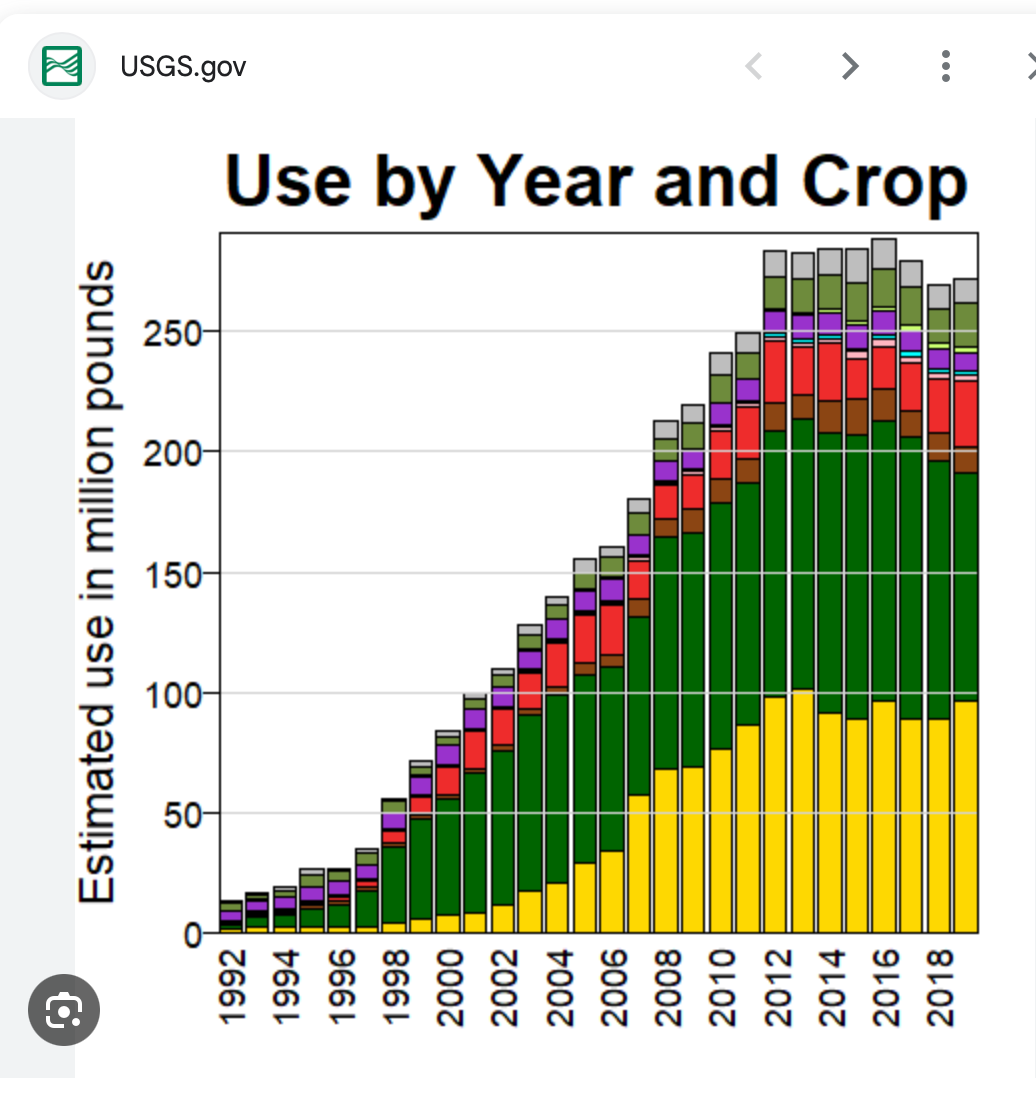
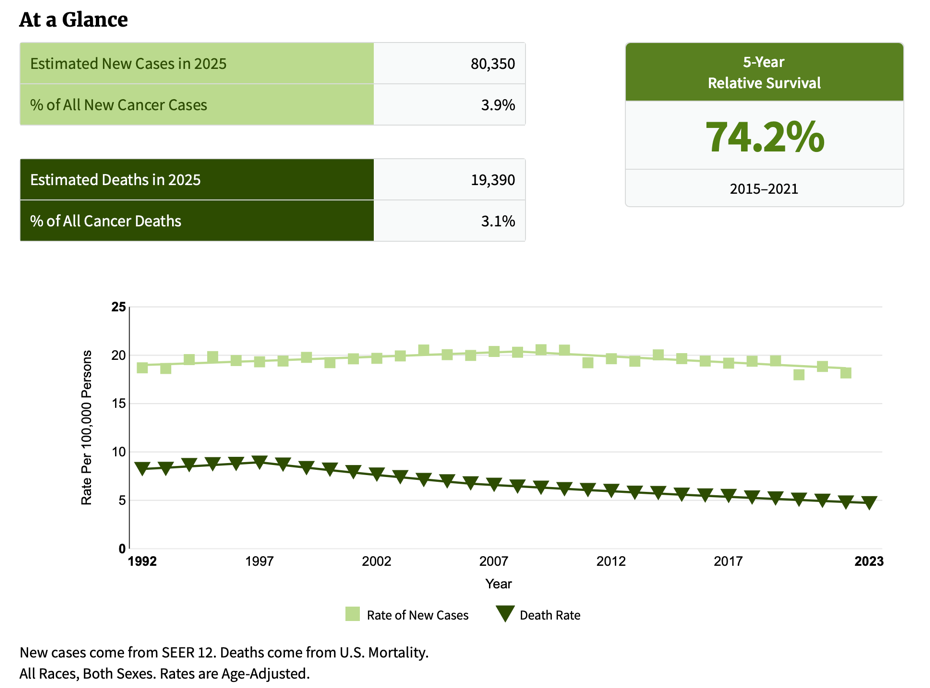
The best animal experimental evidence, epidemiological evidence, and pharmacological evidence are therefore in agreement: glyphosate is highly unlikely to pose a carcinogenic risk to humans when used as approved.
Unfortunately, points used to contest the regulatory consensus view of glyphosate are still treated seriously by credulous journalists, who often refer to glyphosate’s “links to cancer” without acknowledging that the IARC’s opinion is an outlier. Recently, much attention was devoted to the retraction of a paper from 2000 that reviewed the animal evidence for carcinogenicity of glyphosate and found the chemical to be safe. The retraction was based on allegations of ghostwriting by scientists at Monsanto, the original manufacturer of glyphosate. While charges of ghostwriting are certainly cause for concern, in this case, they have more to do with appearances than with the truth of the report itself, which has only been confirmed by 25 years of additional research. The retraction of this “landmark paper” does nothing to change the evidence I have presented above. Nor did the retracted paper play a role in the several regulatory evaluations of glyphosate after 2015, all of which concluded that glyphosate is safe when used as recommended.
Similarly, much attention is being paid to the lobbying of government agencies by Bayer’s executives. But where billions of dollars are at stake, lawyers are inevitably going to press the case for their company’s interests. Appearances of shady dealing and deceit are offered as a proxy—an indicator—of the truth. They may be emotionally compelling and effective at influencing public opinion, but they cannot tell us what the science says.
For the past year, the second Trump administration has conducted an unprecedented assault on biomedicine and science generally. The Department of Health and Human Services has been bent to the will of Robert F. Kennedy Jr., who has, for twenty years, spread distrust of vaccines. More recently, he has also advocated unproven treatments for measles and other conditions. Nearly twenty percent of NIH scientists have been fired, have not had their grants renewed, or have taken early retirement. The press conferences at which Trump appointees offer health advice are a disturbing indication of the rejection of expertise at the highest levels of the government. In this new environment, the public is being conditioned to accept shoddy studies as gold-standard science.
In 1995, the astrophysicist Carl Sagan wrote in his book, The Demon-Haunted World:
We’ve arranged a society on science and technology in which nobody understands anything about science and technology, and this combustible mixture of ignorance and power sooner or later is going to blow up in our faces. I mean, who is running the science and technology in a democracy if the people don’t know anything about it? Science is more than a body of knowledge, it’s a way of thinking. If we are not able to ask skeptical questions to interrogate those who tell us something is true, to be skeptical of those in authority, then we’re up for grabs for the next charlatan political or religious leader who comes ambling along.
These words were written before the rise of social media, the fragmentation of news, the COVID-19 pandemic, the surge of misinformation and disinformation, and the deepening distrust of science. But they have even greater resonance in the present moment. The question of glyphosate’s safety is just one example of how difficult it can be to get scientific facts accepted. It remains to be seen if hard scientific evidence can overcome the noise of activist opinion and hysteria in a climate of growing distrust.
The US Supreme Court’s ruling, due in June, represents a crucial test of whether the clear weight of the scientific evidence can be prioritised over rent-seeking disinformation.
NOTE: The author of this essay has never worked for, nor accepted compensation from, the chemical or agricultural industry.
Quillette invites thoughtful responses to its essays.
Selected responses are published once per week as part of a curated Letters to the Editor feature. If selected, letters appear under the contributor’s real name and may be edited for clarity and length.
To submit a letter for consideration, please email [email protected].
Read the full article here
Fact Checker
Verify the accuracy of this article using AI-powered analysis and real-time sources.