Close Menu
FSNN | Free Speech News NetworkFSNN | Free Speech News Network
  • Home
  • News
    • Politics
    • Legal & Courts
    • Tech & Big Tech
    • Campus & Education
    • Media & Culture
    • Global Free Speech
  • Opinions
    • Debates
  • Video/Live
  • Community
  • Freedom Index
  • About
    • Mission
    • Contact
    • Support
Trending

1inch and Ondo RWA Volumes Top $2.5B as RWAs Climb

14 minutes ago

Federal Government Lawyer’s Filings Appear to Include “Fabricated Quotations and Misstatements of Case Holdings”

55 minutes ago

Stablecoin Transaction Volume Hits a New Record High as USDC Surpasses USDT

1 hour ago
Facebook X (Twitter) Instagram
Facebook X (Twitter) Discord Telegram
FSNN | Free Speech News NetworkFSNN | Free Speech News Network
Market Data Newsletter
Saturday, March 7
  • Home
  • News
    • Politics
    • Legal & Courts
    • Tech & Big Tech
    • Campus & Education
    • Media & Culture
    • Global Free Speech
  • Opinions
    • Debates
  • Video/Live
  • Community
  • Freedom Index
  • About
    • Mission
    • Contact
    • Support
FSNN | Free Speech News NetworkFSNN | Free Speech News Network
Home»News»Media & Culture»The ‘Fairness’ Law That Could Raise Grocery Prices for New Yorkers
Media & Culture

The ‘Fairness’ Law That Could Raise Grocery Prices for New Yorkers

News RoomBy News Room2 hours agoNo Comments4 Mins Read115 Views
Share Facebook Twitter Pinterest Copy Link LinkedIn Tumblr Email VKontakte Telegram
The ‘Fairness’ Law That Could Raise Grocery Prices for New Yorkers
Share
Facebook Twitter Pinterest Email Copy Link

Listen to the article

0:00
0:00

Key Takeaways

Playback Speed

Select a Voice

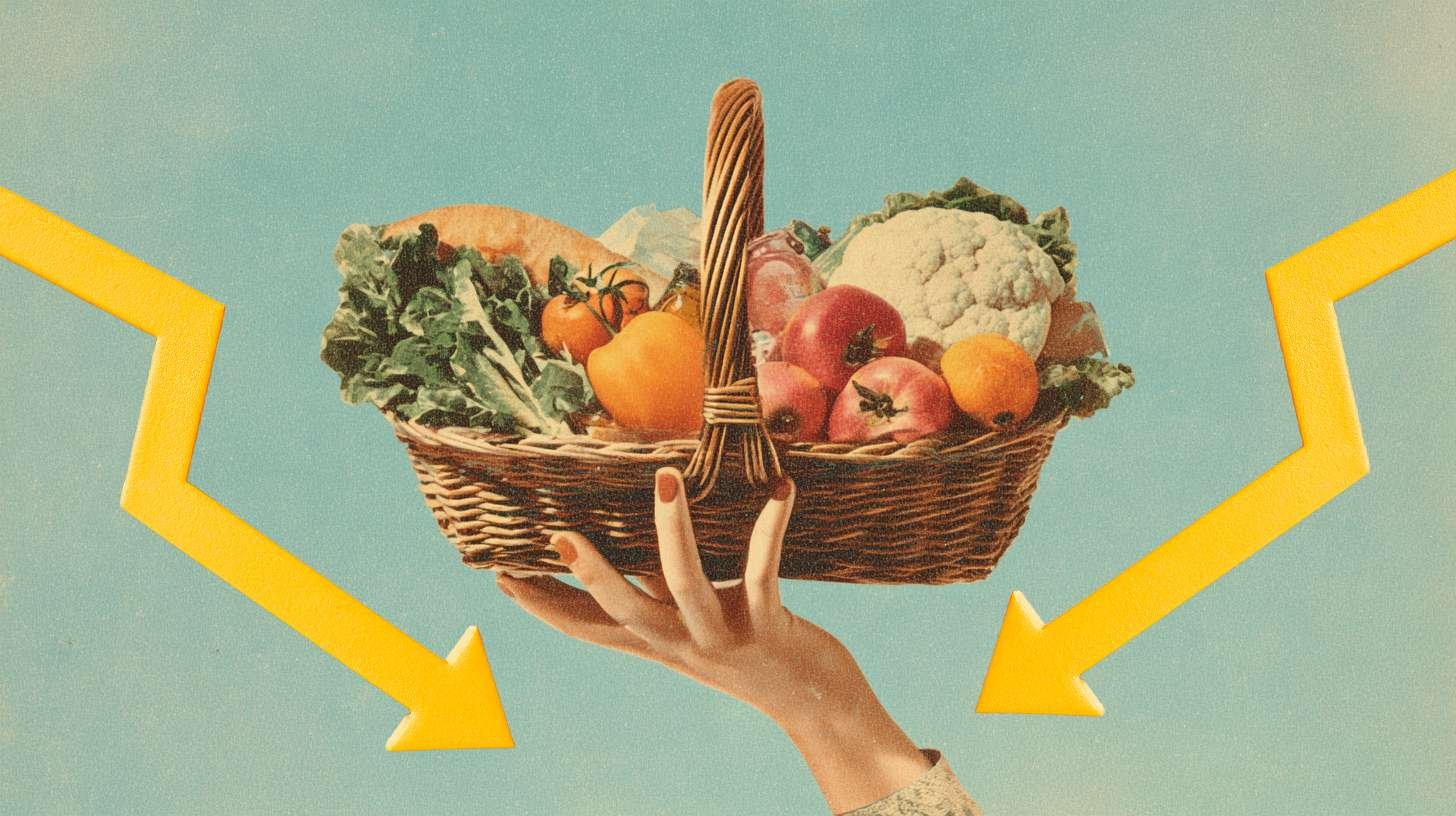
Progressives across the country are busy selling an “affordability” agenda, but so far, many of their ideas for enacting that agenda are destined to raise rather than lower the cost of living. The latest example comes from New York state, where legislators have introduced legislation that effectively cracks down on price differences between large and small grocery stores. If the law passes, consumers will likely face higher food prices and less money in their wallets.

The grocery discount drama in New York started recently when Mondelez International—which is the producer of snacks such as Oreos, Ritz crackers, Philadelphia cream cheese, Wheat Thins, and more—declared that it was ceasing deliveries to around a thousand independent grocery retailers in New York City. Concerns immediately abounded that a $5.99 package of Oreos could suddenly cost $6.99 in the Big Apple.

Mondelez noted that it was moving to a new distribution model that no longer would include directly delivering to many smaller grocery stores, even as it continued deliveries to larger chain stores. The National Supermarket Association—a trade association representing many of the affected NYC grocers—responded by asserting that Mondelez was violating a federal antitrust law known as the Robinson-Patman Act.

Passed in 1936, Robinson-Patman forbids sellers of goods from charging different prices to one purchaser versus another purchaser if doing so harms competition. Because NYC indie grocers will now presumably have to pay higher third-party delivery costs, rather than getting delivery from Mondelez itself, the association claims the packaged food producer has run afoul of this ancient antitrust law.

The problem with this argument is that few antitrust scholars—let alone the federal government itself—take the Robinson-Patman Act seriously anymore. Enforcement of the act has essentially been abandoned for over a quarter of a century now, although President Joe Biden’s Federal Trade Commission sought to resuscitate it from the policy graveyard in a few recent cases. In 2007, the bipartisan Antitrust Modernization Commission Report urged Congress to repeal the act outright; this echoed calls for the law’s repeal in three prior reports published in 1955, 1969, and 1977.

The problems with Robinson-Patman are numerous, but one of the main issues is the reality that there are many legitimate business reasons that food producers may incur lower costs in delivering and selling to large chain retailers versus smaller retailers. In turn, the producers can then pass these lower costs down to the stores—and eventually to shoppers, who enjoy cheaper prices at the Walmarts and Costcos of the world.

As economist and law professor John M. Yun of George Mason University has explained: “Large chains provide greater and more stable volumes, predictable ordering cycles, reliable payments, minimal credit risk, and lower transportation costs due to bulk deliveries.”

In other words, there are legitimate economies of scale that come from bulk orders by large national stores. As Yun notes, these benefits “are real but hard to quantify,” and it gets incredibly messy trying to sort out what percent of a large chain store’s lower purchase price from a food supplier is due to economies of scale or the mere assertion of monopolistic buying power.

Despite this reality, New York lawmakers—urged on by Gov. Kathy Hochul and New York City Mayor Zohran Mamdani—have decided to circumvent federal non-enforcement of the Robinson-Patman Act by trying to pass their own state version of the law. Titled the Consumer Grocery Price Fairness Act, it is being touted as a way to save New Yorkers from being charged more for Oreos and cream cheese at those smaller independent stores.

But it’s far from clear that forcing food producers to charge the same price to both larger and smaller retailers will actually lead to lower prices. The theory that food suppliers who charge lower prices to large grocers have to make it up by charging higher prices to small grocers—termed the “waterbed effect”—has little in the way of actual economic evidence to back it up.

Instead, the most likely effect of this state law would be higher prices at large chain stores that would offset, or even supersede, any cheaper prices seen at smaller stores. It also is worth nothing that many NYC bodegas receive their deliveries through independent distributors already, meaning they wouldn’t even be impacted by any crackdown on Mondelez.

But New York lawmakers appear undeterred, and the idea of a state-level Robinson-Patman resuscitation is not merely confined to the Empire State. Minnesota lawmakers also introduced their own version of the Consumer Grocery Pricing Fairness Act last year.

In the end, Robinson-Patman is effectively dead at the federal level for a reason. A state-level revamp is the last thing New Yorkers need. If lawmakers persist, it will likely mean higher grocery prices passed under the banner of “affordability.”

Read the full article here

Fact Checker

Verify the accuracy of this article using AI-powered analysis and real-time sources.

Get Your Fact Check Report

Enter your email to receive detailed fact-checking analysis

5 free reports remaining

Continue with Full Access

You've used your 5 free reports. Sign up for unlimited access!

Already have an account? Sign in here

#Journalism #NarrativeControl #NewsAnalysis #PoliticalCoverage #PoliticalMedia
Share. Facebook Twitter Pinterest LinkedIn Tumblr Email Telegram Copy Link
News Room
  • Website
  • Facebook
  • X (Twitter)
  • Instagram
  • LinkedIn

The FSNN News Room is the voice of our in-house journalists, editors, and researchers. We deliver timely, unbiased reporting at the crossroads of finance, cryptocurrency, and global politics, providing clear, fact-driven analysis free from agendas.

Related Articles

Media & Culture

Federal Government Lawyer’s Filings Appear to Include “Fabricated Quotations and Misstatements of Case Holdings”

55 minutes ago
Cryptocurrency & Free Speech Finance

Inside the Growing ‘Digisexual’ Subculture of People in Relationships With AI

1 hour ago
Media & Culture

The Joys of Data Centers: Debunking the Backlash Against the $7 Trillion AI Building Boom

3 hours ago
Media & Culture

Review: The Libertarianism of Stranger Things

8 hours ago
Media & Culture

Today in Supreme Court History: March 6, 1857

9 hours ago
Media & Culture

Iceland Foods Finally Surrenders In Trademark Fight With Iceland, The Country

10 hours ago
Add A Comment
Leave A Reply Cancel Reply

Editors Picks

Federal Government Lawyer’s Filings Appear to Include “Fabricated Quotations and Misstatements of Case Holdings”

55 minutes ago

Stablecoin Transaction Volume Hits a New Record High as USDC Surpasses USDT

1 hour ago

Inside the Growing ‘Digisexual’ Subculture of People in Relationships With AI

1 hour ago

The ‘Fairness’ Law That Could Raise Grocery Prices for New Yorkers

2 hours ago
Latest Posts

Kalshi, Polymarket Eye $20B Valuations in Potential Fundraising: WSJ

2 hours ago

The Joys of Data Centers: Debunking the Backlash Against the $7 Trillion AI Building Boom

3 hours ago

Canada Issues First Tokenized Bond in Bank of Canada DLT Pilot

3 hours ago

Subscribe to News

Get the latest news and updates directly to your inbox.

At FSNN – Free Speech News Network, we deliver unfiltered reporting and in-depth analysis on the stories that matter most. From breaking headlines to global perspectives, our mission is to keep you informed, empowered, and connected.

FSNN.net is owned and operated by GlobalBoost Media
, an independent media organization dedicated to advancing transparency, free expression, and factual journalism across the digital landscape.

Facebook X (Twitter) Discord Telegram
Latest News

1inch and Ondo RWA Volumes Top $2.5B as RWAs Climb

14 minutes ago

Federal Government Lawyer’s Filings Appear to Include “Fabricated Quotations and Misstatements of Case Holdings”

55 minutes ago

Stablecoin Transaction Volume Hits a New Record High as USDC Surpasses USDT

1 hour ago

Subscribe to Updates

Get the latest news and updates directly to your inbox.

© 2026 GlobalBoost Media. All Rights Reserved.
  • Privacy Policy
  • Terms of Service
  • Our Authors
  • Contact

Type above and press Enter to search. Press Esc to cancel.

🍪

Cookies

We and our selected partners wish to use cookies to collect information about you for functional purposes and statistical marketing. You may not give us your consent for certain purposes by selecting an option and you can withdraw your consent at any time via the cookie icon.

Cookie Preferences

Manage Cookies

Cookies are small text that can be used by websites to make the user experience more efficient. The law states that we may store cookies on your device if they are strictly necessary for the operation of this site. For all other types of cookies, we need your permission. This site uses various types of cookies. Some cookies are placed by third party services that appear on our pages.

Your permission applies to the following domains:

  • https://fsnn.net
Necessary
Necessary cookies help make a website usable by enabling basic functions like page navigation and access to secure areas of the website. The website cannot function properly without these cookies.
Statistic
Statistic cookies help website owners to understand how visitors interact with websites by collecting and reporting information anonymously.
Preferences
Preference cookies enable a website to remember information that changes the way the website behaves or looks, like your preferred language or the region that you are in.
Marketing
Marketing cookies are used to track visitors across websites. The intention is to display ads that are relevant and engaging for the individual user and thereby more valuable for publishers and third party advertisers.