

 Freedom Index
Listen to the article
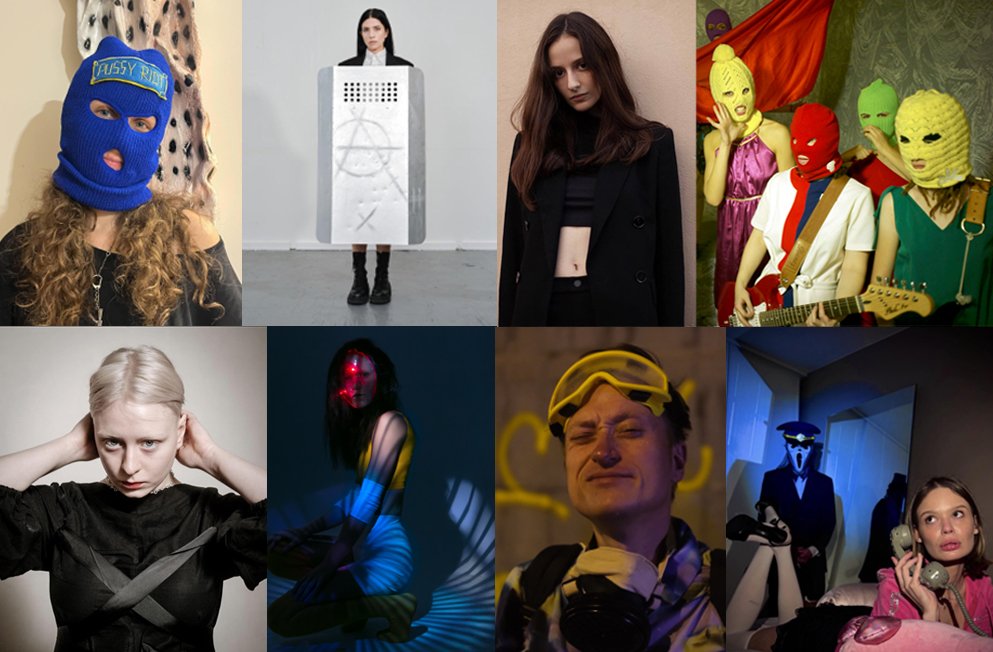
On 15 December, the Tverskoy District Court in Moscow approved the prosecution’s request to classify Pussy Riot as an “extremist organisation” and to ban its activities in Russia. The hearing took place behind closed doors.
Founded in 2011 by Nadezhda Tolokonnikova, Pussy Riot emerged as a feminist punk collective centred on direct action. Through bold, unsanctioned performances, the group rapidly drew international attention. Pussy Riot shot to global fame ahead of the 2012 presidential election after the group staged a so-called “punk prayer” in Moscow’s Cathedral of Christ the Saviour. Their song Virgin Mary, Drive Putin Away challenged the growing alliance between church and state.
Members of Pussy Riot were arrested afterwards and sentenced to prison terms. And the case triggered an unprecedented international outcry. Their prosecution quickly became emblematic of the Russian authorities’ readiness to criminalise artistic and political expression.
Despite sustained repression, Pussy Riot and its members have received worldwide recognition. In 2012, the group featured in TIME 100, Time magazine’s annual list of the world’s most influential people. That same year, Index on Censorship awarded Pussy Riot the Freedom of Expression Arts Award, acknowledging their determination to defend free expression in the face of imprisonment and state retaliation.
Designating Pussy Riot an “extremist organisation” marks a new and serious escalation. Any reference to the group, including the circulation of its music, symbols or archival materials, may now carry criminal penalties. Human rights defenders warn that such measures are intended not only to silence a single collective, but to eliminate the space for public dissent and critical artistic expression in Russia altogether.
This is how Pussy Riot members reacted to the news, in their own words:
Read the full article here
Fact Checker
Verify the accuracy of this article using AI-powered analysis and real-time sources.