

 Freedom Index
Listen to the article
In the U.S., criticizing the government is a national pastime—whether in polite conversation, on social media, or across the dinner table. There’s a reason Thanksgiving predictably gives way to yearly advice columns on how to placate the crazy uncle who somehow finds a way to make mashed potatoes political.
In China, meanwhile, it can effectively amount to a life sentence.
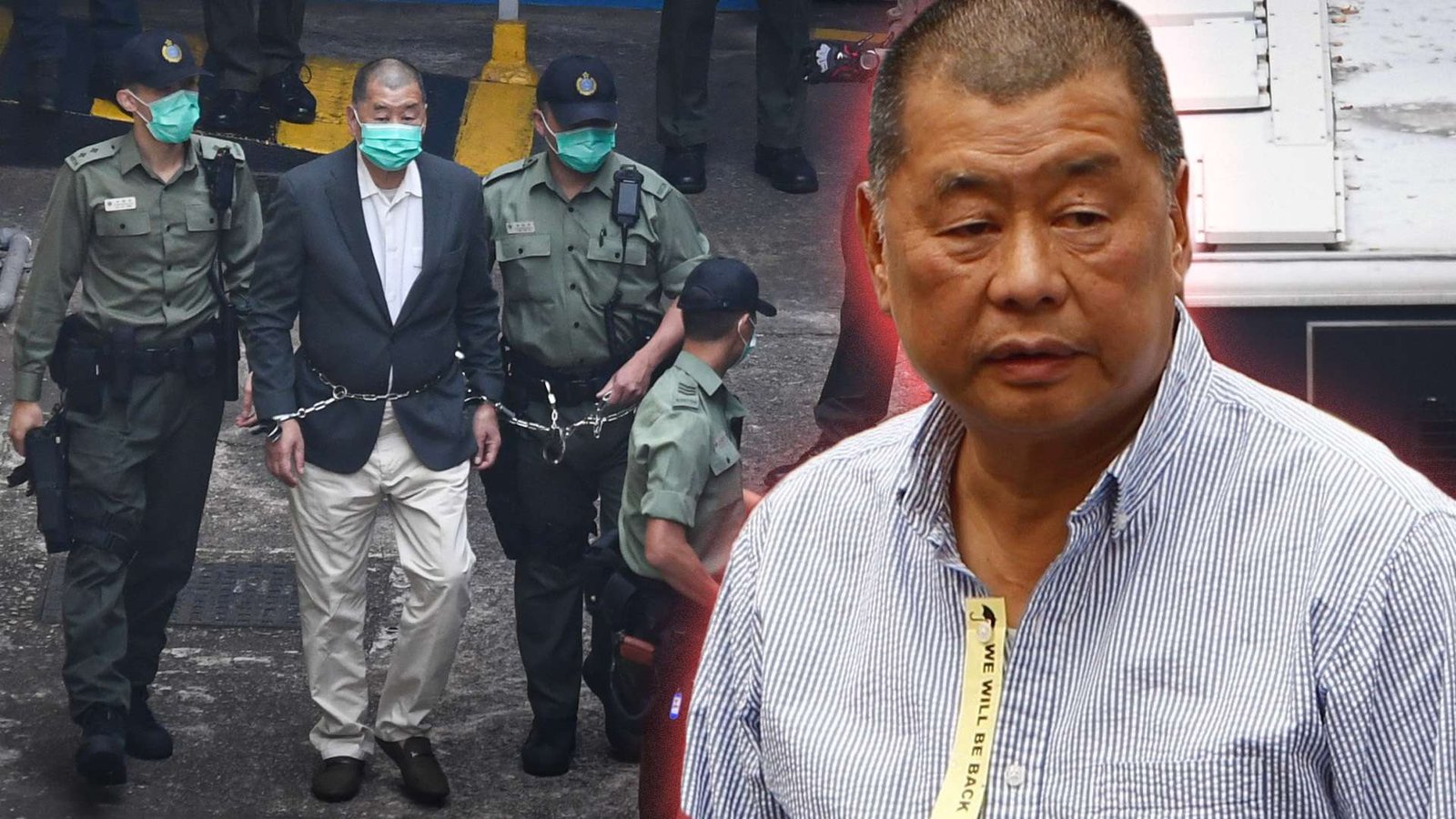
Such is the case of Jimmy Lai, the 78-year-old Chinese political dissident who was sentenced on Monday to 20 years’ imprisonment following his conviction last year on two counts of conspiring to collude with foreign forces and one count of publishing seditious material. That rap sheet sounds ominous. It is, but not in the way it reads. The portentous language of the charges masks that he was ultimately found guilty of exercising a basic right: railing against the state.
There is no shortage of material in China for government critics. That helps explain why, in 2020, the mainland imposed a “national security law” on Hong Kong, where Lai made his home. He was arrested that same year. The name of the legislation is again deceptive, as it used “national security” as a guise to paralyze dissent, especially as some in the city sought to hold onto the liberties that once distinguished it from Beijing.
Lai was at the forefront of that fight. It is genuinely difficult to think of anyone whose story more clearly epitomizes both the promise of Hong Kong and what happens when that promise is broken. At 12 years old, Lai escaped to the city as a stowaway on a fishing boat after his mother was sent to work in a labor camp for the crime of being a “class enemy.” He slept in rat-infested factories as a garment worker—until he was the one running them. His sweater brand, Giordano, became an international success and helped make Lai a billionaire.
Following the 1989 pro-democracy showdown in Tiananmen Square in Beijing, Lai founded two media companies—Next Magazine in 1990 and the Apple Daily in 1995—known for their irreverent coverage and unapologetic support for democracy, freedom of speech, and government reform.
China’s “national security law” was, in other words, perfectly tailored to zero in on someone like Lai. The government leveraged it to freeze the assets at the Apple Daily, arrest other employees, and eventually shutter it entirely. Prosecutors alleged Lai spearheaded a conspiracy to secure sanctions or blockades against China and Hong Kong, referencing meetings he had with U.S. officials like Vice President Mike Pence and Secretary of State Mike Pompeo. (Lai testified that he’d merely asked them to voice their support for the city’s freedoms.) Authorities secured a conviction on the third count—publishing seditious material—using colonial-era legislation to argue that Lai’s publication incited people to rebel against the government.
Beyond the charges themselves, that “national security law” also paved the way for a trial with a foregone conclusion. Calling it a trial at all feels like a bit of a stretch, as it had no jury and was instead overseen by a panel of judges handpicked by the government. Nor was Lai permitted to pick an attorney of his choosing, which the Constitution there supposedly promises. And the proceedings came amid a long-standing, ruthless pursuit of the businessman and activist, who has already been serving a nearly-6-year-sentence on flimsy fraud charges pertaining to a sublease for part of his newspaper office.
But for those who still doubt that Lai was targeted for his political expression, consider that he has company. Former Apple Daily Editor in Chief Law Wai-kwong, Executive Editor in Chief Lam Man-chung, and English Edition Managing Editor Fung Wai-kong received 10-year sentences; Yeung Ching-kee, an editorial writer, received seven years and three months; Associate Publisher Chan Pui-man got seven years; and CEO and Publisher Cheung Kim-hung was handed six years and nine months. This, unfortunately, isn’t new. There are many others who have received draconian sentences for offending the Chinese government.
Lai had an advantage, however. He is a citizen of the United Kingdom, meaning he did not have to do this. He did not have to wait for law enforcement to come and take him, which was essentially guaranteed. And yet he continued to speak out against the government with the same energy as those who fear no repercussions at all.
Read the full article here
Fact Checker
Verify the accuracy of this article using AI-powered analysis and real-time sources.