

 Freedom Index
Listen to the article
Key takeaways
-
Unlike phishing attacks that defraud victims quickly, pig-butchering scams build long-term emotional trust before introducing fraudulent crypto investment opportunities.
-
From casual outreach and relationship building to fake profits, escalating deposits and blocked withdrawals, each step is carefully designed to deepen commitment.
-
Blockchain security firm CertiK reported $370.3 million in scam-related losses in January 2026 alone, with social engineering tactics accounting for the majority.
-
Authorities are targeting scam networks and laundering operations, yet cross-border jurisdictional issues and encrypted communications complicate crackdowns.
Pig-butchering frauds involve a long-drawn, methodical approach in which scammers instill confidence in their targets and later exploit it for monetary gain. Over the last few years, such schemes have proliferated within the crypto sector, making traders fearful of losing their funds. These frauds have reshaped how regulators and law enforcement view crypto-enabled crime.
This article explores how pig-butchering crypto scams manipulate victims through long-term relationship building and the exploitation of emotional trust using fabricated investment platforms. It explains the psychological tactics scammers use, how funds are extracted over time and why these schemes have become one of the fastest-growing global crypto fraud models.
Defining a pig-butchering scam
Pig-butchering derives from the Chinese expression “Sha Zhu Pan,” which refers to nurturing a target like livestock prior to slaughter. Applied to fraud, it entails scammers forging deep personal connections over extended periods. They then coax victims into sending funds to a deceptive digital currency venture.
While typical phishing tactics rely on urgency and alarm, pig-butchering scams hinge on persuasion and persistence. Scammers assume roles such as a confidant, adviser or financial consultant, methodically building trust before executing the scheme.
Did you know? Some victims interact with scammers for several months before investing, making pig-butchering one of the longest-running and most emotionally manipulative forms of online financial fraud.
Breaking down the scam process
Understanding each stage of a pig-butchering scam reveals how emotional manipulation and financial deception are woven together to trap victims:
-
First outreach: Perpetrators typically initiate contact with victims through dating platforms, professional networks like LinkedIn, social media such as Instagram, messaging services like Telegram or unsolicited SMS messages. The introductory message is designed to lower suspicion and often appears accidental or casual.
-
Fostering connection: Over subsequent days or weeks, the scammer nurtures a bond with the victim by sharing “manufactured” anecdotes, routine details and “professional” achievements. Many scammers impersonate successful digital asset traders and finance experts.
-
Unveiling the opportunity: Eventually, the scammers shift the conversation to investing. They claim to know a high-return crypto trading strategy or to have access to insider knowledge or a private investment platform. They show victims screenshots of fake profits and guide them to professional-looking fraudulent websites.
-
Early modest returns: Scammers encourage individuals to start with minimal investments. The system may display swift “earnings” to build trust. Occasionally, scammers allow small withdrawals to make the platform appear legitimate.
-
Intensification: As the victim’s trust in the scammers increases, they are encouraged to invest larger amounts. Scammers may advise victims to take bank loans, withdraw savings or even borrow from friends.
-
Blocked withdrawals and exit: When victims attempt to retrieve the amount “deposited,” the system blocks access and demands additional “charges.” Thereafter, the scammers vanish.
Did you know? Law enforcement agencies in the US and Europe have begun freezing crypto wallets linked to pig-butchering rings, sometimes recovering partial funds through coordinated blockchain tracing efforts.
Using trust as a psychological weapon
The core feature that sets pig-butchering scams apart is their reliance on psychological and emotional exploitation. Fraudsters target vulnerabilities such as:
-
Feelings of isolation or a strong need for connection and affection
-
Economic difficulties combined with the hope of gaining quick wealth
-
Authority bias, which refers to the tendency to rely on perceived experts
-
Trust in apparent evidence of success.
Perpetrators intentionally spend time in the buildup phase rather than pushing for quick action. An extended period of interaction deepens the victim’s sense of attachment and loyalty. When the moment arrives to send money, many victims genuinely feel they are partnering with a dependable ally or close companion.
The emotional layer complicates the path to recovery, both financially and psychologically.
Did you know? Pig-butchering exploits proceed through complex laundering chains involving multiple wallets, cross-chain bridges and over-the-counter (OTC) brokers before funds are cashed out.
Assessing the magnitude of the problem
Fraud involving cryptocurrency has seen a sharp rise in recent times. According to blockchain security company CertiK, scammers stole $370.3 million in January 2026 alone, the largest single-month total in nearly a year. Of that amount, phishing and social engineering tactics accounted for about $311 million, a category that frequently includes pig-butchering operations.
This uptick followed prominent crypto security breaches in 2025, particularly the Bybit exchange hack in February, which contributed to $1.5 billion in overall losses during that period.
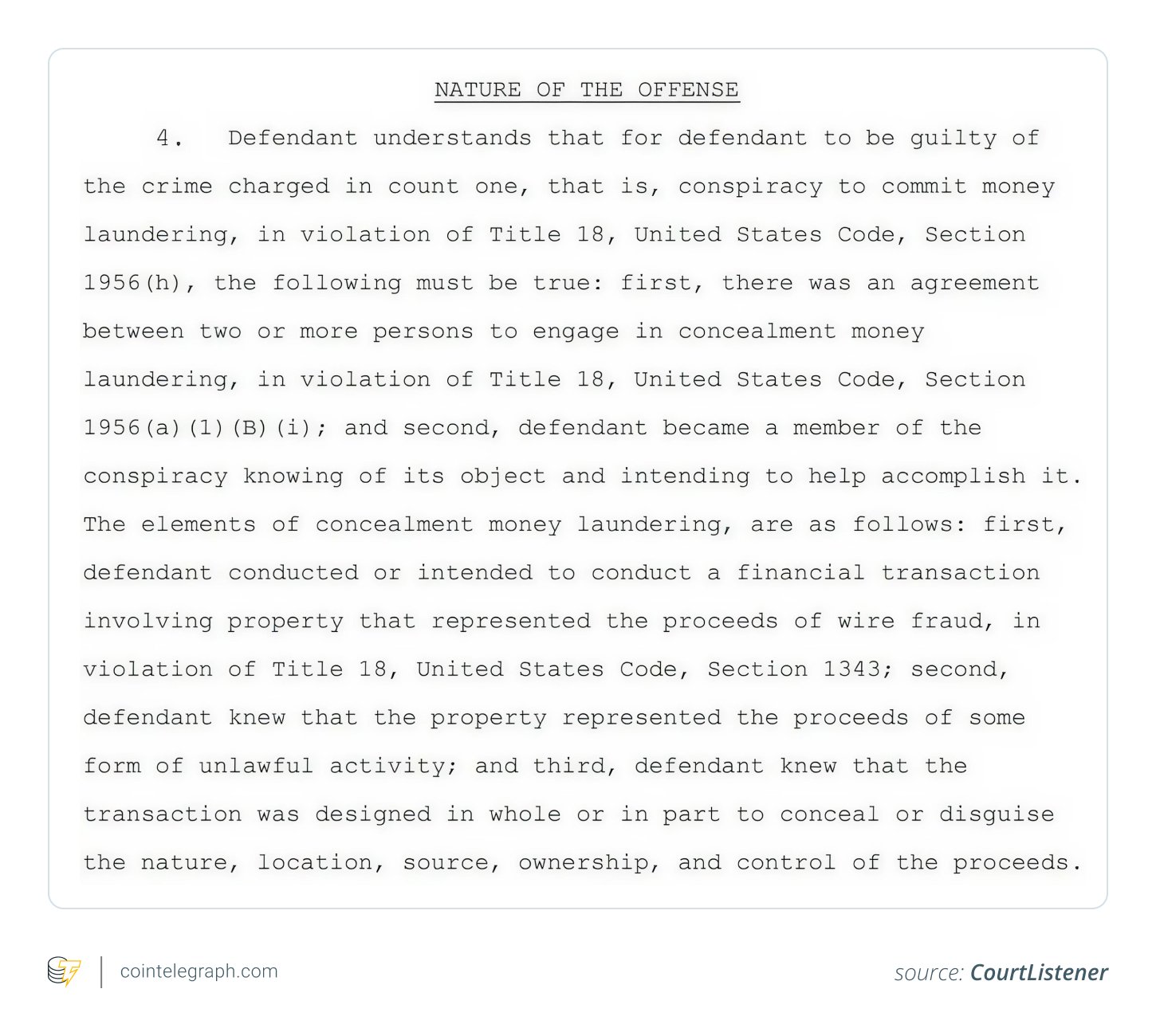
Significant court outcomes further demonstrate the scale of these crimes. In early 2026, Daren Li, a dual citizen of China and St. Kitts and Nevis, received a 20-year federal prison sentence in the US for leading an extensive cryptocurrency fraud network. According to prosecutors, his actions defrauded victims of more than $73 million, with accomplices setting up fake websites and using front companies.
Dimensions of crypto-related frauds
Trading in digital currencies does not always result in fraud. However, crypto trading has its own unique dynamics.
-
Swiftness and finality: Crypto transactions become permanent once confirmed. Unlike card-based payments, no central authority can reverse the transfer of funds.
-
Global reach: Fraudsters often operate in networks that span national borders. Crypto enables seamless cross-border transfers independent of conventional finance.
-
Convincing interfaces: Scam websites have grown more sophisticated. Like legitimate platforms, they may feature dynamic pricing, user dashboards and support functions.
-
Obfuscation using stablecoins and decentralized finance: To obscure the trail of funds involved in these scams, assets are often swapped into stablecoins or routed through decentralized systems.
While blockchain transparency assists investigators, stolen assets may pass through a chain of addresses before an investigation begins.
Countermeasures to curb pig-butchering scams
Security agencies have taken steps to deter pig-butchering scams, which can be devastating for victims. Entities such as the US Secret Service and Homeland Security are strengthening joint efforts through anti-crime units focused on financial offenses.
Recent cases demonstrate that investigative agencies are pursuing not only individual scammers but also laundering networks and shell companies that facilitate the movement of funds. However, enforcement faces several challenges:
-
Jurisdictional complexity
-
Use of encrypted communications
-
Scam compounds operating in loosely regulated regions
-
Reports of forced labor in some Southeast Asian scam centers.
The global nature of these operations requires a coordinated international response.
Red flags to watch for
Awareness remains the first line of defense against fraudulent activities. Common warning signs include:
-
Unsolicited investment advice from online acquaintances
-
Pressure to move conversations off mainstream apps
-
Assurances of consistent high returns with low risk
-
Requests to deposit crypto on unfamiliar platforms
-
Demands for “tax” or “unlock” fees before withdrawals.
Before investing in any platform, verify through independent sources that it is credible.
Cointelegraph maintains full editorial independence. The selection, commissioning and publication of Features and Magazine content are not influenced by advertisers, partners or commercial relationships.
Read the full article here
Fact Checker
Verify the accuracy of this article using AI-powered analysis and real-time sources.