Close Menu
FSNN | Free Speech News NetworkFSNN | Free Speech News Network
  • Home
  • News
    • Politics
    • Legal & Courts
    • Tech & Big Tech
    • Campus & Education
    • Media & Culture
    • Global Free Speech
  • Opinions
    • Debates
  • Video/Live
  • Community
  • Freedom Index
  • About
    • Mission
    • Contact
    • Support
Trending

Ctrl-Alt-Speech: For Meta Or Worse

19 minutes ago

Elon Musk Should Let Nikita Bier Fix Revenue Sharing on X

21 minutes ago

Trump’s Edifice Complex

33 minutes ago
Facebook X (Twitter) Instagram
Facebook X (Twitter) Discord Telegram
FSNN | Free Speech News NetworkFSNN | Free Speech News Network
Market Data Newsletter
Thursday, March 26
  • Home
  • News
    • Politics
    • Legal & Courts
    • Tech & Big Tech
    • Campus & Education
    • Media & Culture
    • Global Free Speech
  • Opinions
    • Debates
  • Video/Live
  • Community
  • Freedom Index
  • About
    • Mission
    • Contact
    • Support
FSNN | Free Speech News NetworkFSNN | Free Speech News Network
Home»Opinions»Debates»From Witch Trials to Epstein Mania: The New Moral Panic
Debates

From Witch Trials to Epstein Mania: The New Moral Panic

News RoomBy News Room2 months agoNo Comments4 Mins Read1,207 Views
Share Facebook Twitter Pinterest Copy Link LinkedIn Tumblr Email VKontakte Telegram
From Witch Trials to Epstein Mania: The New Moral Panic
Share
Facebook Twitter Pinterest Email Copy Link

Listen to the article

0:00
0:00

Key Takeaways

Playback Speed

Select a Voice

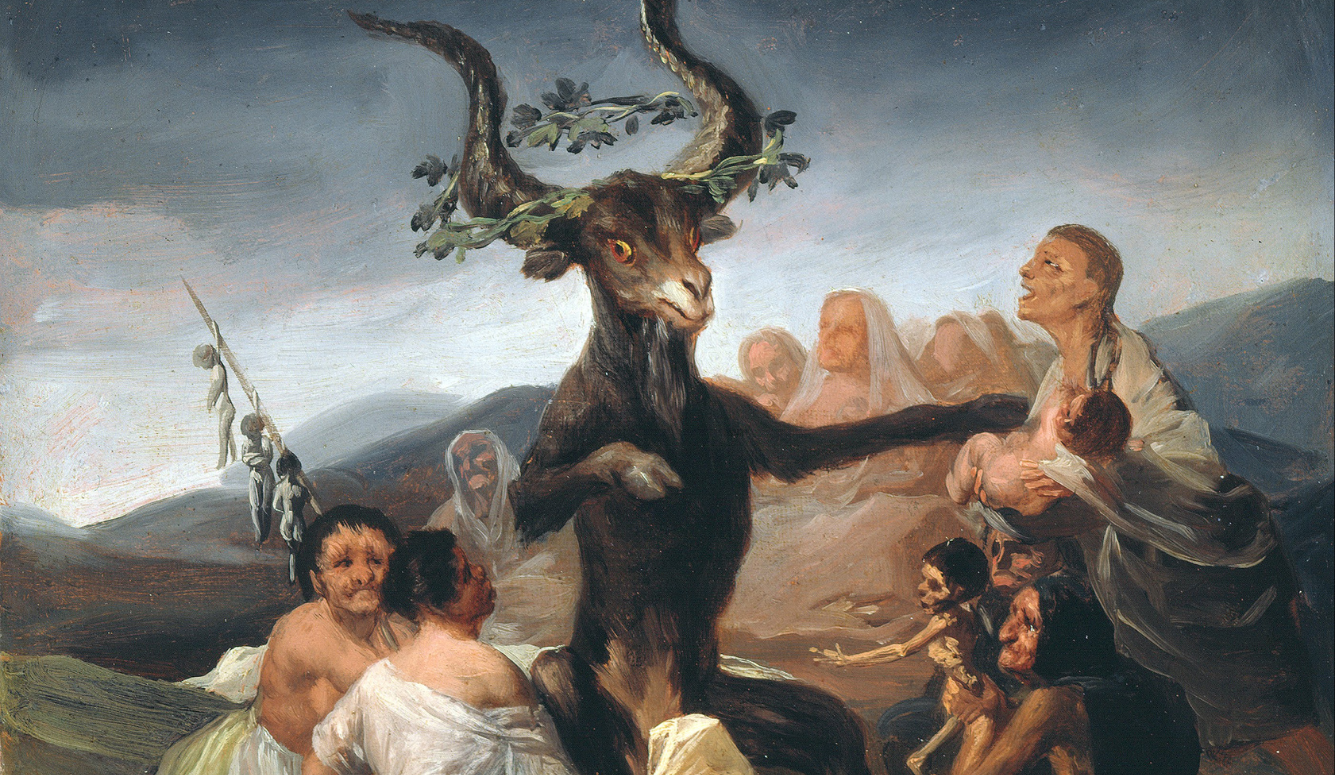
In 1628, the Chancellor of Bamberg, Johannes Junius, was charged with witchcraft. At first, he was interrogated by prosecutors without torture. He did not confess. Then he was subjected to thumb screws and leg screws. He still did not confess. Only after repeated sessions of agony did he finally admit to crimes he knew he had not committed. 

A special Witch Commission had been established in Bamberg, and it was illegal to criticise its activities on pain of whipping or banishment. Those accused were tortured until they confessed, and then tortured again until they named accomplices. Under pressure, working-class people began naming the town’s elites, which meant that Bamberg’s clerical class, officials, and public servants soon found themselves imprisoned and executed. The Bamberg trials became one of the largest witch persecutions in Europe, claiming between six hundred and a thousand lives. Victims were beheaded and sometimes burned alive.

Writing to his daughter from confinement before his execution, Junius described the logic of the system he had fallen into: “Innocent I have come to prison, innocent I have been tortured, innocent must I die. For whoever comes into the witch prison must become a witch or be tortured until he invents something out of his head.”

Woodcut of a witch burning, 1662. Wikimedia

The witch trials of Europe have long puzzled historians. People had believed in witches throughout the premodern period, but witch trials had been isolated and rare events. Why, then, did trials erupt with such ferocity in the 17th century? Why did they claim so many victims? And why were they clustered in regions like Bamberg, Trier, and Würzburg, but not in larger cities? Explanations including misogyny, famine, and disease have been proposed but rejected by historians as insufficient. The most compelling explanation focuses on the exact places the witch trials occurred, and the social function that they served. 

The trials occurred most often in the borderlands between Catholic and Protestant regions, territories in which religious authorities had to compete for the loyalty of their flocks. In the borderlands between France and Germany, villages that were Catholic and Protestant were walking distance from one another. Religious leaders, anxious that their followers may defect to a neighbouring Church with a different confessional, persecuted witches to display their moral authority and demonstrate that their Church could protect people from Satan. In other words, witch trials served as a form of marketing during the Reformation and Counter-Reformation.

Economists Leeson and Russ write: “Similar to how contemporary Republican and Democrat candidates focus campaign activity in political battlegrounds during elections to attract the loyalty of undecided voters, historical Catholic and Protestant officials focused witch-trial activity in confessional battlegrounds during the Reformation and Counter-Reformation to attract the loyalty of undecided Christians.” In places where one faith dominated, such as Catholic Spain, witch trials didn’t happen (heretics were persecuted by the Inquisition instead). But where belief was contested in the borderlands between France and Germany, theatrical displays of moral authority became essential. The witch hunt was never really about rooting out evil, it was about signalling power and moral legitimacy.

Our conflicts today are for the most part no longer eschatological. Yet the mechanics of moral panics have not changed. They still emerge where authority is in flux, and they still serve as a means of asserting moral power and legitimacy. Today’s borderlands no longer exist between France and Germany. They exist online, in digital space. Platforms such as X, Reddit, Rumble, and YouTube function as modern zones of religious warfare, where rival moral sects compete for allegiance and loyalty. It is within these digital borderlands that contemporary panics erupt.

In the United States and across the Anglosphere, during #MeToo, the campus rape hysteria, and the 2020 panic about police brutality following the death of George Floyd, the progressive Left asserted its power and moral authority. In each case, innocent people were caught in the frenzy. But as Leeson and Russ write of 17th-century religious conflict, “the prodigiousness of Catholic suppliers’ witch-trial campaigns in religiously contested regions put pressure on neighbouring Protestant suppliers to step up their own.”

After Charlie Kirk’s assassination, a panic driven by the Right emerged, which also swept innocent victims into its net.

The Post-Kirk Clampdown

The current frenzy of right-wing cancel culture recalls the progressive lunacy that followed the murder of George Floyd. But the current iteration is more dangerous because it is backed by state power.
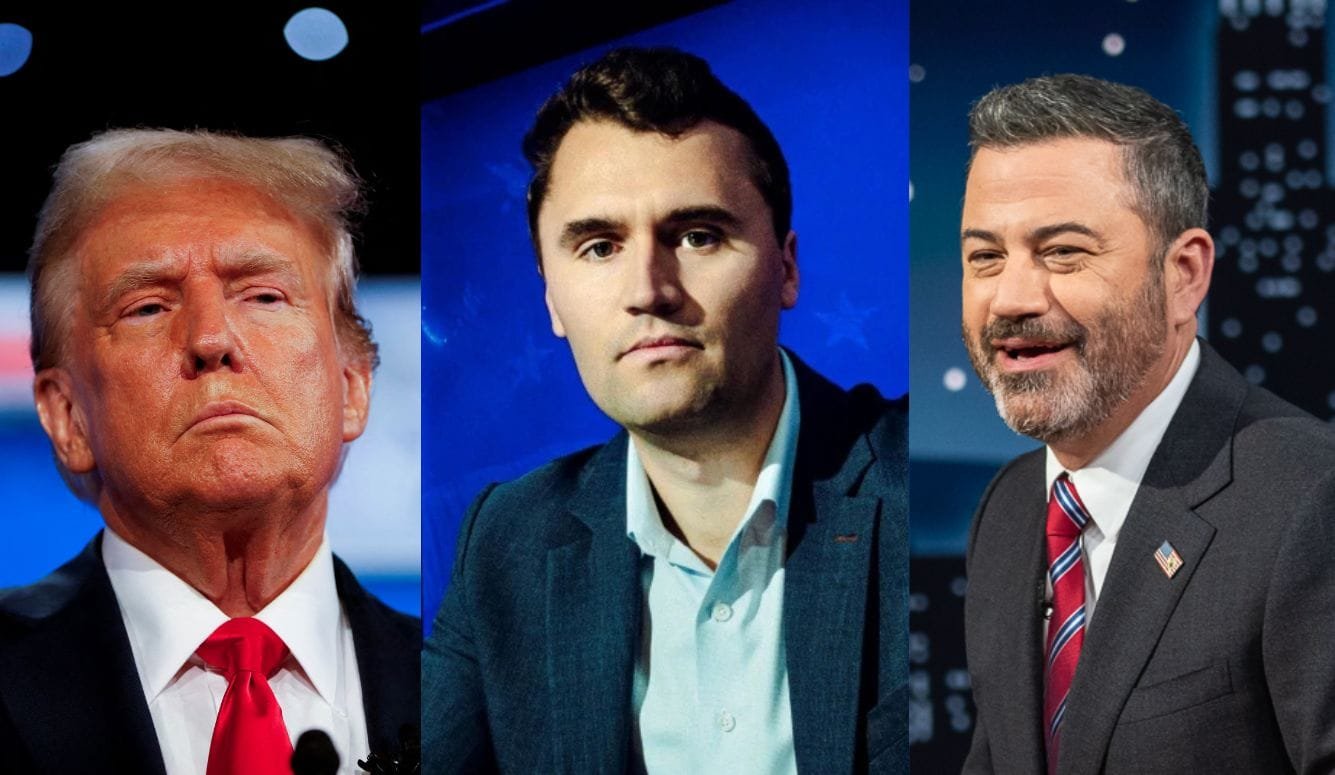

Rare are the panics that are driven by both the Left and the Right, but the Epstein story has become one.


Read the full article here

Fact Checker

Verify the accuracy of this article using AI-powered analysis and real-time sources.

Get Your Fact Check Report

Enter your email to receive detailed fact-checking analysis

5 free reports remaining

Continue with Full Access

You've used your 5 free reports. Sign up for unlimited access!

Already have an account? Sign in here

Share. Facebook Twitter Pinterest LinkedIn Tumblr Email Telegram Copy Link
News Room
  • Website
  • Facebook
  • X (Twitter)
  • Instagram
  • LinkedIn

The FSNN News Room is the voice of our in-house journalists, editors, and researchers. We deliver timely, unbiased reporting at the crossroads of finance, cryptocurrency, and global politics, providing clear, fact-driven analysis free from agendas.

Related Articles

Media & Culture

Ctrl-Alt-Speech: For Meta Or Worse

19 minutes ago
Media & Culture

Elon Musk Should Let Nikita Bier Fix Revenue Sharing on X

21 minutes ago
Debates

Trump’s Edifice Complex

33 minutes ago
Cryptocurrency & Free Speech Finance

First Sora, Now Sexy Chat? OpenAI Cancels Erotic ChatGPT Mode

49 minutes ago
Media & Culture

How Will Congress Fund a $300 Billion War With Iran?

1 hour ago
Cryptocurrency & Free Speech Finance

Trump Policy Has Crypto Privacy Developers in a ‘Very Bad State’, Says Coin Center

2 hours ago
Add A Comment

Comments are closed.

Editors Picks

Elon Musk Should Let Nikita Bier Fix Revenue Sharing on X

21 minutes ago

Trump’s Edifice Complex

33 minutes ago

Top Democrat on House committee questions Kraken’s Federal Reserve account

40 minutes ago

SEC is no longer a 'cop on the beat‘ on crypto, says US lawmaker

46 minutes ago
Latest Posts

First Sora, Now Sexy Chat? OpenAI Cancels Erotic ChatGPT Mode

49 minutes ago

How Will Congress Fund a $300 Billion War With Iran?

1 hour ago

Trump extends Iran strike pause, trimming price decline

2 hours ago

Subscribe to News

Get the latest news and updates directly to your inbox.

At FSNN – Free Speech News Network, we deliver unfiltered reporting and in-depth analysis on the stories that matter most. From breaking headlines to global perspectives, our mission is to keep you informed, empowered, and connected.

FSNN.net is owned and operated by GlobalBoost Media
, an independent media organization dedicated to advancing transparency, free expression, and factual journalism across the digital landscape.

Facebook X (Twitter) Discord Telegram
Latest News

Ctrl-Alt-Speech: For Meta Or Worse

19 minutes ago

Elon Musk Should Let Nikita Bier Fix Revenue Sharing on X

21 minutes ago

Trump’s Edifice Complex

33 minutes ago

Subscribe to Updates

Get the latest news and updates directly to your inbox.

© 2026 GlobalBoost Media. All Rights Reserved.
  • Privacy Policy
  • Terms of Service
  • Our Authors
  • Contact

Type above and press Enter to search. Press Esc to cancel.

🍪

Cookies

We and our selected partners wish to use cookies to collect information about you for functional purposes and statistical marketing. You may not give us your consent for certain purposes by selecting an option and you can withdraw your consent at any time via the cookie icon.

Cookie Preferences

Manage Cookies

Cookies are small text that can be used by websites to make the user experience more efficient. The law states that we may store cookies on your device if they are strictly necessary for the operation of this site. For all other types of cookies, we need your permission. This site uses various types of cookies. Some cookies are placed by third party services that appear on our pages.

Your permission applies to the following domains:

  • https://fsnn.net
Necessary
Necessary cookies help make a website usable by enabling basic functions like page navigation and access to secure areas of the website. The website cannot function properly without these cookies.
Statistic
Statistic cookies help website owners to understand how visitors interact with websites by collecting and reporting information anonymously.
Preferences
Preference cookies enable a website to remember information that changes the way the website behaves or looks, like your preferred language or the region that you are in.
Marketing
Marketing cookies are used to track visitors across websites. The intention is to display ads that are relevant and engaging for the individual user and thereby more valuable for publishers and third party advertisers.