

 Freedom Index
Listen to the article
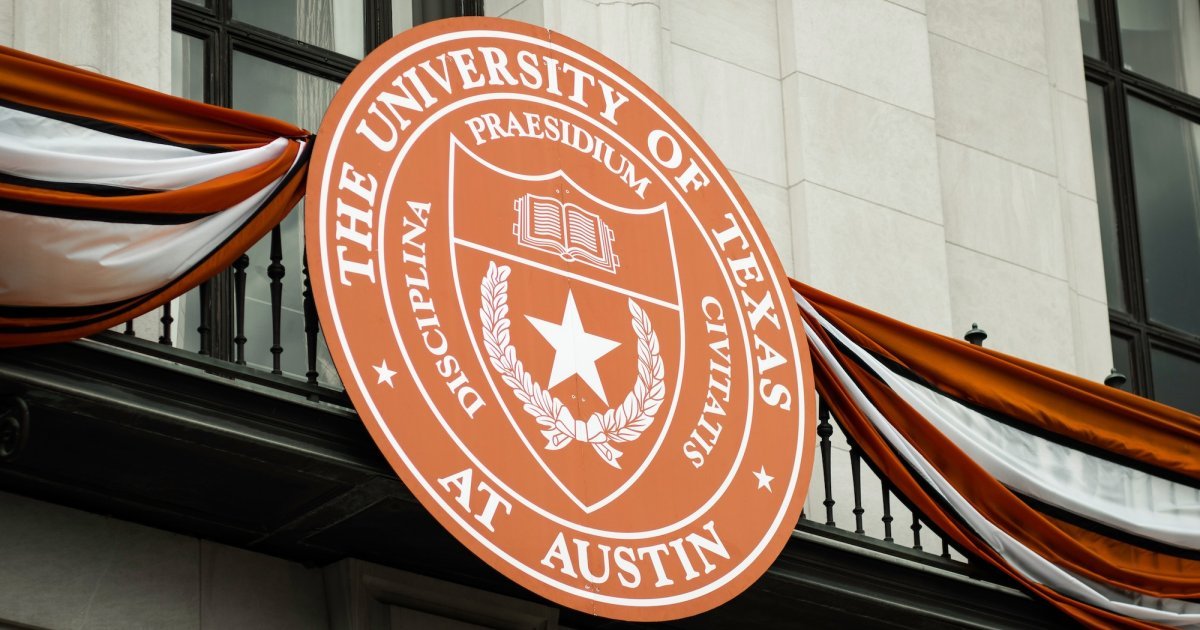
On Feb. 19, the University of Texas System’s Board of Regents approved new rules governing how faculty members can and cannot teach about “controversial” topics. FIRE is concerned that the guidance’s vague language, as well as the backdrop of censorship in Texas, will cause faculty to self-censor. The following statement can be attributed to FIRE Faculty Legal Defense Fund Fellow Graham Piro:
For nearly a century, the canons of academic freedom have provided that faculty “should be careful not to introduce into their teaching controversial matter which has no relation to their subject.” To the extent UT’s guidance merely reiterates this standard by stating that faculty should not introduce “unnecessary controversial subjects” in class, it may serve as a useful reminder about the borders of academic freedom.” But given the context of increasing restrictions on classroom instruction across Texas and the vague language of the guidance, it is more likely to cause faculty to self-censor in ways incompatible with academic freedom and free inquiry.
A requirement that faculty use a “broad and balanced” approach to teaching “controversial and contested issues,” while pedagogically defensible, is a subjective standard. A startlingly broad range of topics might be deemed “controversial” by administrators, who are more susceptible to outside political pressure than faculty members. Public universities in Texas have already targeted broad topics like race and gender for removal from faculty course materials. Similarly, taking the authority to determine which teaching approaches are “broad and balanced” out of faculty hands would infringe on their academic freedom.
Academic freedom does not license faculty to repeatedly introduce and discuss topics unrelated to their course. But it does protect faculty from undue administrative interference in teaching their subjects, and it allows broad discretion for faculty to determine how best to teach about “controversial” topics. Academic freedom principles agreed upon by both faculty and institutions for many decades establish that this approach is best for both faculty and students. We urge the UT Board of Regents to clarify that this guidance will not be used to investigate or punish faculty members simply for teaching about controversial or potentially upsetting topics.
Read the full article here
Fact Checker
Verify the accuracy of this article using AI-powered analysis and real-time sources.