

 Freedom Index
Listen to the article
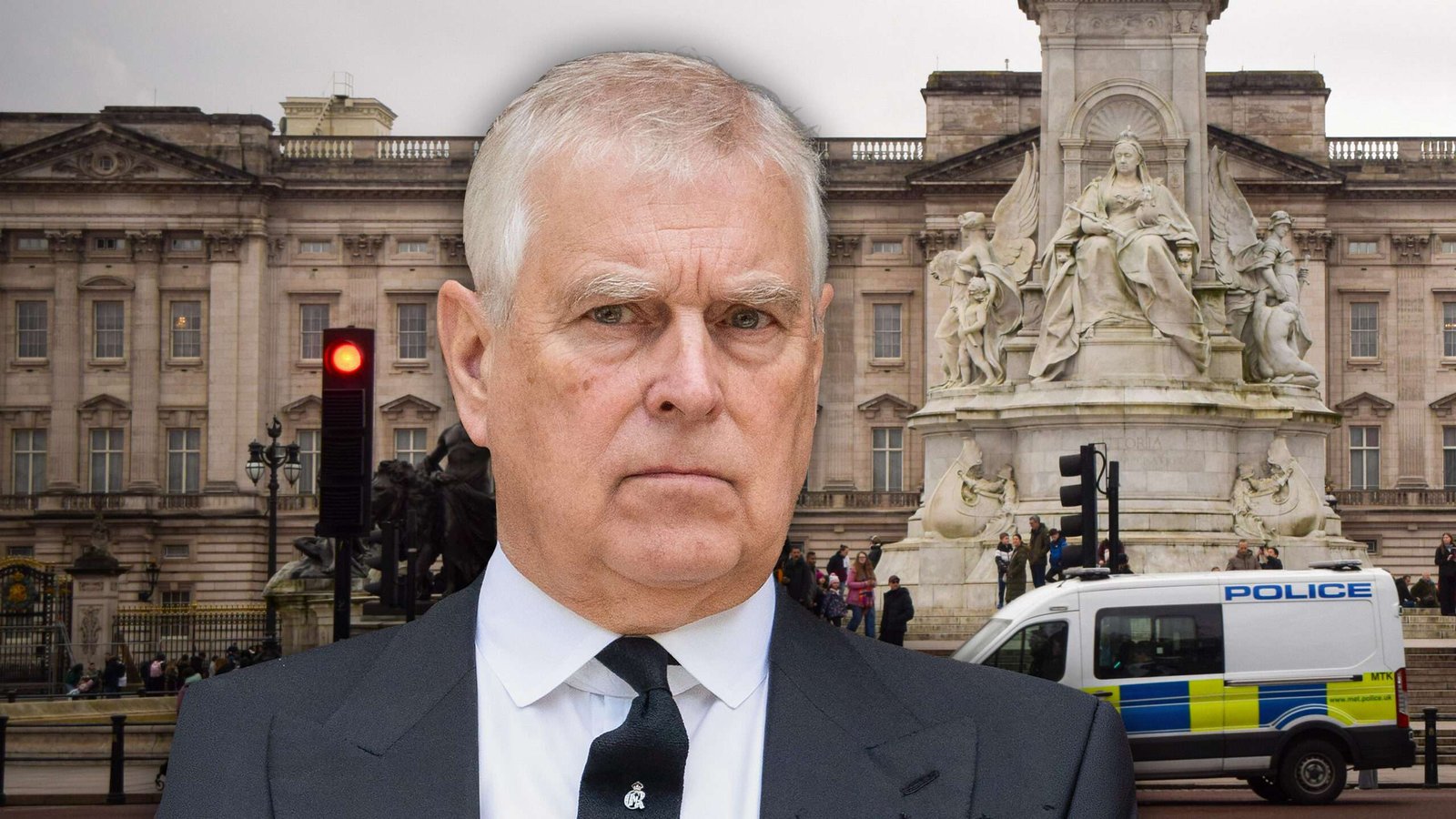
Andrew Mountbatten-Windsor may soon become the inmate formerly known as prince. British police arrested the king’s brother on his 66th birthday and questioned him for 12 hours over his association with Jeffrey Epstein before releasing him under investigation.
But the investigation is not about whether Mountbatten-Windsor participated in Epstein’s sex crimes. Instead, police said that they suspect Mountbatten-Windsor of “misconduct in public office.” While British authorities have not released details of the specific accusation, the Epstein Library released by the U.S. Department of Justice earlier this month shows Mountbatten-Windsor sharing sensitive information about his official trade missions to Asia and a government-sponsored investment opportunity in Afghanistan.
The association with Epstein is not the only corruption scandal to hit Mountbatten-Windsor, who is also accused of meeting with Chinese spies. (Reporting by Reason revealed that Mountbatten-Windsor tried to loop Epstein into a security-related business opportunity in Beijing.) Nor is Mountbatten-Windsor the only British politician embroiled in the Epstein scandal. Peter Mandelson, a former cabinet minister and ambassador to the United States, is being investigated on similar accusations of giving Epstein insider information.
While members of the public chase after increasingly lurid tales of Epstein and his associates purportedly eating babies, the British investigations get to the heart of what the Epstein scandal really was. Epstein traded in shady forms of influence, brokering secret deals and trying to convert political connections into business deals. Sex was just one part of the leverage he dealt with. The release of the Epstein files has done a lot to shed light on how that underworld operates.
“Make a list of ‘this person owes me a favor, this person owes me his life, this person owes me his job.’ We have to work it backwards. Right now you’re focused on opportunities. I need you to focus on your personal balance sheet,” Epstein said to his future business partner Ehud Barak in February 2013, as Barak was preparing to leave his job as Israeli defense minister the following month. The conversation, which made its way into the U.S. Department of Justice files because Epstein was taping it, sheds light on exactly how Epstein thought about business and state power.
So it was from the beginning of Epstein’s career in business. He was a “relentless scammer” who operated on the “edge of criminality” in the 1980s, lying and brown-nosing his way up through the financial sector. Some of that criminality was itself on the edge of government-sanctioned covert work; a handful of Epstein’s early business partners were involved in the Iran-contra weapons smuggling scandal. In the 1990s, Epstein reportedly helped cut a deal to move Southern Air Transport, a cargo company formerly owned by the CIA and involved in Iran-contra, from Florida to Ohio.
In a way, Epstein was an Iran-contra figure par excellence. He did not work directly for any government but always seemed to be one step removed from state power. While Epstein appeared useful to many political figures, he was ultimately loyal only to himself, and it’s hard to see where his work on behalf of others ended and his self-enrichment began.
One of Epstein’s last projects, his attempts to broker a solution to the Qatar crisis, demonstrates that throughline of his life. He leaned on his connections to Middle Eastern figures who had just left government service, with a wink and a nudge about whether they still spoke for their respective states. Epstein had those connections because of his business dealings, and he took meetings with political elites as an opportunity to pitch business ideas.
Of course, what set Epstein apart from other well-connected shady businessmen was his infamous sexual appetite and predatory behavior, especially toward teenagers. And the air of impunity around the case—from the FBI’s seeming failure to pursue tips about Epstein in 1996 and the “sweetheart deal” he was granted in 2007 to his death in custody in 2019 and the Trump administration’s attempted bait-and-switch around the Epstein files last year—has given rise to a feeling that someone in power was protecting Epstein’s sex crimes.
Sexual blackmail was part of the leverage Epstein collected, albeit not in the form of the pedophilia-for-hire ring that many Epstein truthers have been looking for. The Epstein files include several drafts of blackmail letters to Epstein’s powerful friends that mentioned consenting adult activities or vaguely gestured to knowledge Epstein had about their behavior. (Their tone suggests that these letters were weapons of last resort rather than something he sent regularly.) The files also show that Epstein was gathering information on the relationship between a banker’s son and a foreign supermodel represented by Epstein’s accomplice, modeling agent Jean-Luc Brunel.
Accusations of sexual misconduct brought Mountbatten-Windsor down from the royalty. He was stripped of his titles just before the release of Virginia Giuffre’s posthumous memoir, which accused the former prince of participating in Epstein’s sexual abuses. (Mountbatten-Windsor denies any misconduct.) But it was old-fashioned corruption that ultimately put Citizen Andrew in a police interrogation room.
Read the full article here
Fact Checker
Verify the accuracy of this article using AI-powered analysis and real-time sources.