

 Freedom Index
Listen to the article
What follows is the twenty-eighth instalment of The Nations of Canada, a serialised Quillette project adapted from Greg Koabel’s ongoing podcast of the same name.
As discussed in the previous instalment, the mid-1630s witnessed a wave of deadly epidemics in the territories of the Wendat Confederacy, corresponding to a region between Lake Simcoe and Georgian Bay in modern Ontario. The resulting medical disaster, which resulted from European pathogens unwittingly spread by the Confederacy’s French allies—caused a host of political, social, and economic disruptions. Some Wendat villages were nearly wiped out, and many others were forced to relocate.
When Samuel de Champlain first travelled the region in the 1610s, the Confederacy likely had a population of approximately 30,000—a number that is believed to have held steady for generations following the boom sparked by the introduction of corn, bean, and squash cultivation centuries earlier. By 1637, that population had been more than halved, down to about 12,000. Even once the last of these epidemics ended, the threat of European-borne diseases would continue to haunt local Indigenous societies for centuries to come.
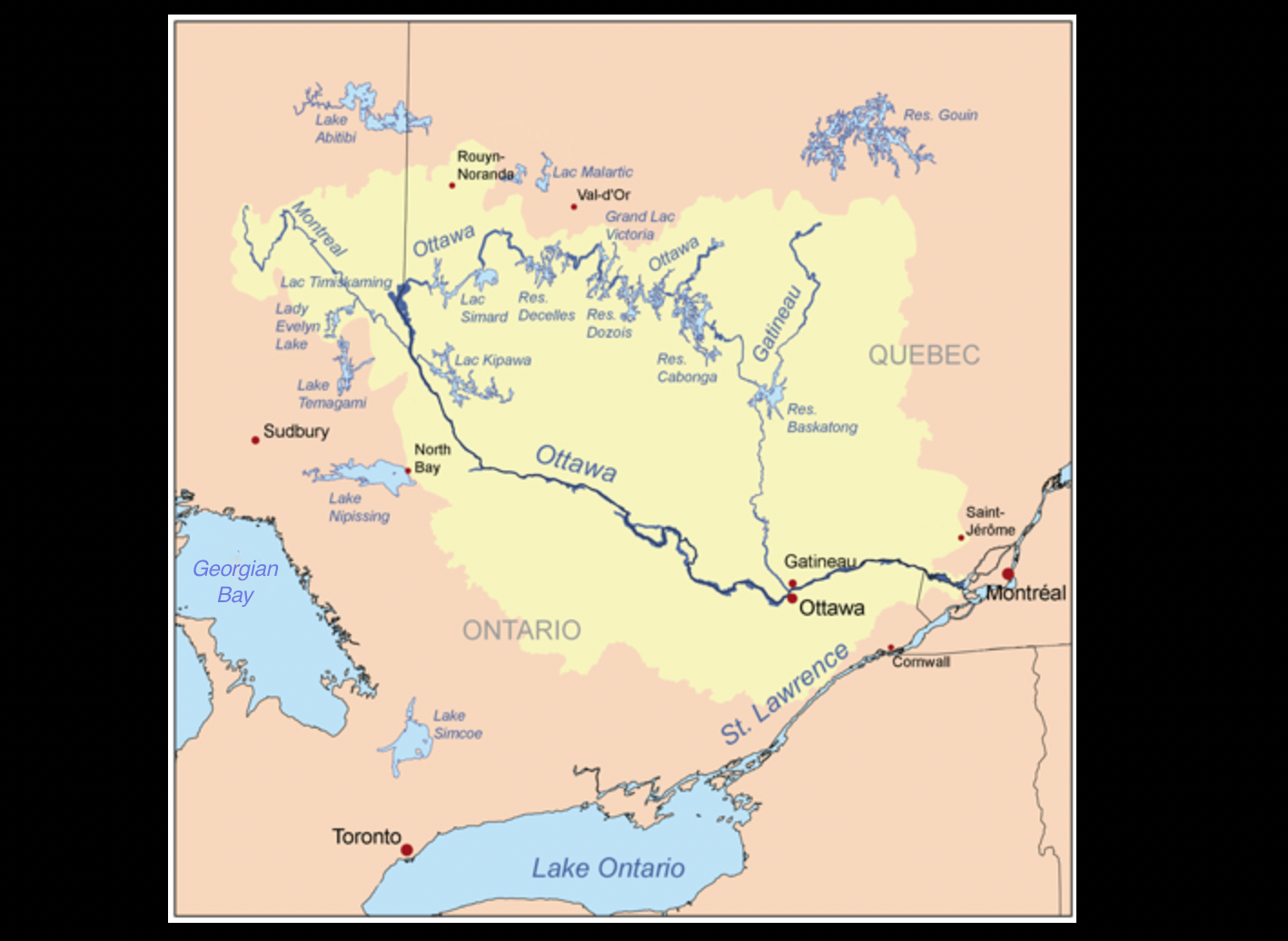
The Wendat experience was far from unique. The same epidemics that devastated their homeland of Huronia (also known as Wendake) in the 1630s cut through the entire Great Lakes region, affecting the Algonquins of the Ottawa River valley (who were also French allies), trading partners in the western Great Lakes, and the Haudenosaunee Confederacy to the south.
Wendake or Bust
In the 26th instalment of ‘Nations of Canada,’ Greg Koabel describes Jesuit efforts to study and proselytise the Wendat people amid the Indigenous political tumult of the 1630s.
One might think that these cataclysms would discourage war, since the disease-stricken societies now had less of the resources and manpower necessary to wage it. In reality, the opposite proved true, due to the traditions that governed Indigenous military culture.
The study of the military history of Indigenous North America has followed two main avenues. The first presents economic factors as the driving force behind conflict: The inter-continental fur trade created fierce competition among rival Indigenous societies for the European goods arriving from across the Atlantic, fuelling persistent and costly warfare among Indigenous groups.
A second school of thoughts focuses on the nature of traditional Indigenous warfare. While the arrival of Europeans undoubtedly influenced North American Indigenous geopolitics, the idea goes, traditional drivers of warfare—long-running blood feuds, and the need to secure captives to replace one’s own dead or incapacitated workers—were significant drivers of violence.
Whichever side of the debate they align themselves with, scholars often take the Great Lakes warfare of the 1630s as a central case study.
To those who view economic factors as the primary drivers of events, these conflicts are known as the Beaver Wars. It’s a broad term that sometimes gets applied to many decades of conflict involving various Indigenous groups and their European trading partners. The battles between the Wendat and Haudenosaunee that began in the 1630s are typically cast as the Beaver Wars’ first act.
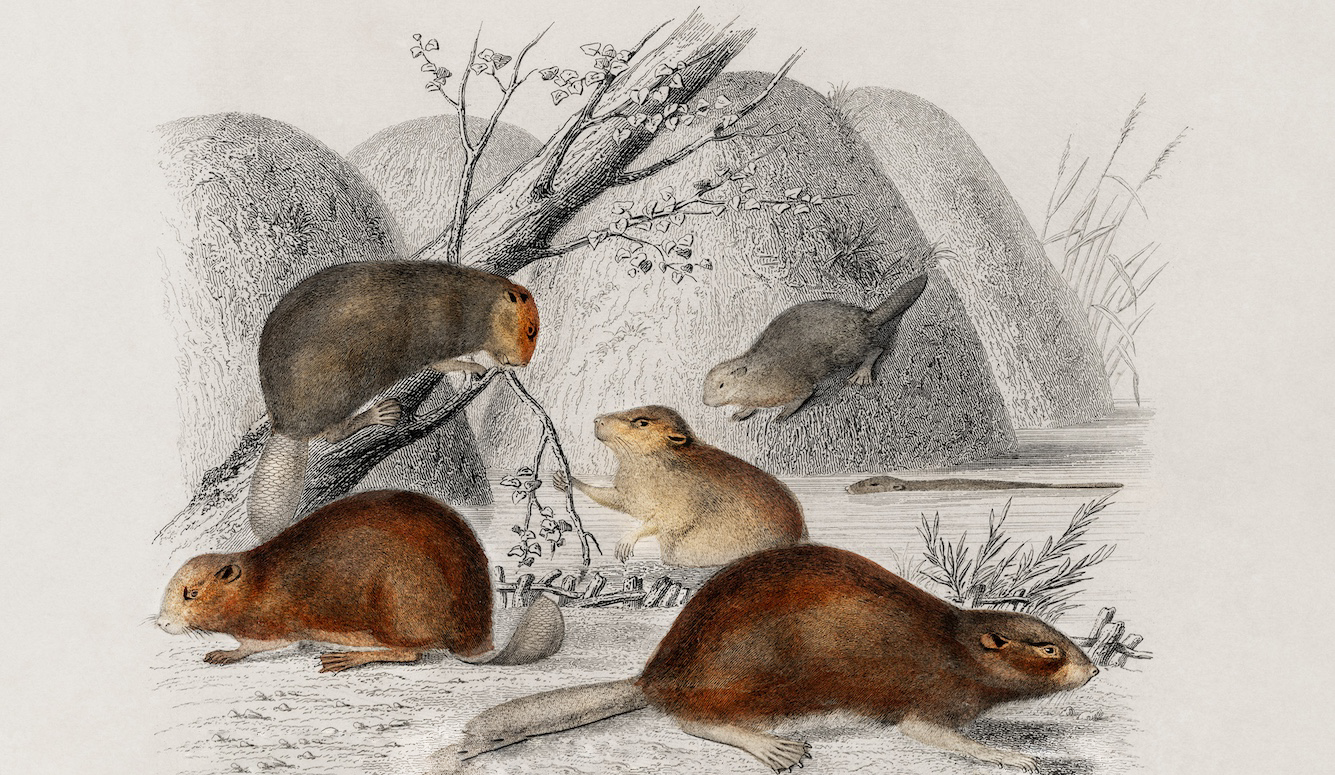
As the name suggests, the Beaver Wars are believed to have been sparked by intense competition for increasingly scarce beaver pelts. By the mid-1630s, the fur trade in the North American northeast was, in capitalist parlance, fully mature—with multiple suppliers and buyers following the rules of supply and demand.
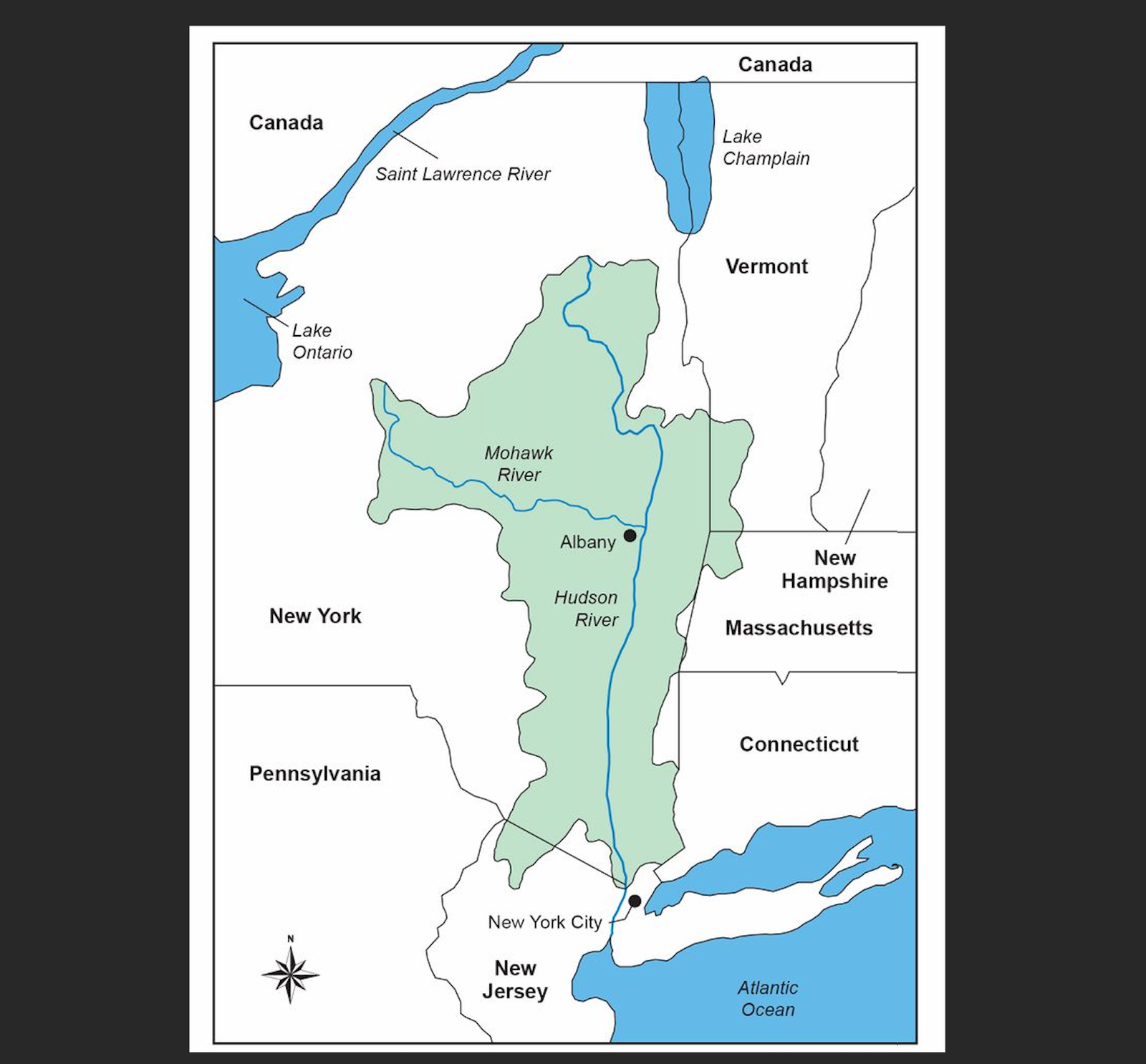
By this point, the French had returned to the St. Lawrence after having been briefly booted out by the English (as described in the 24th and 25th instalments), and (after some costly military lessons) the Dutch had established a profitable equilibrium with their Mohawk neighbours on the Hudson River (as per our 21st instalment).
Dutchmen on the Hudson
In the 21st instalment of ‘Nations of Canada,’ Greg Koabel describes how the arrival of Dutch fur traders sparked an upheaval in regional Indigenous geopolitics.
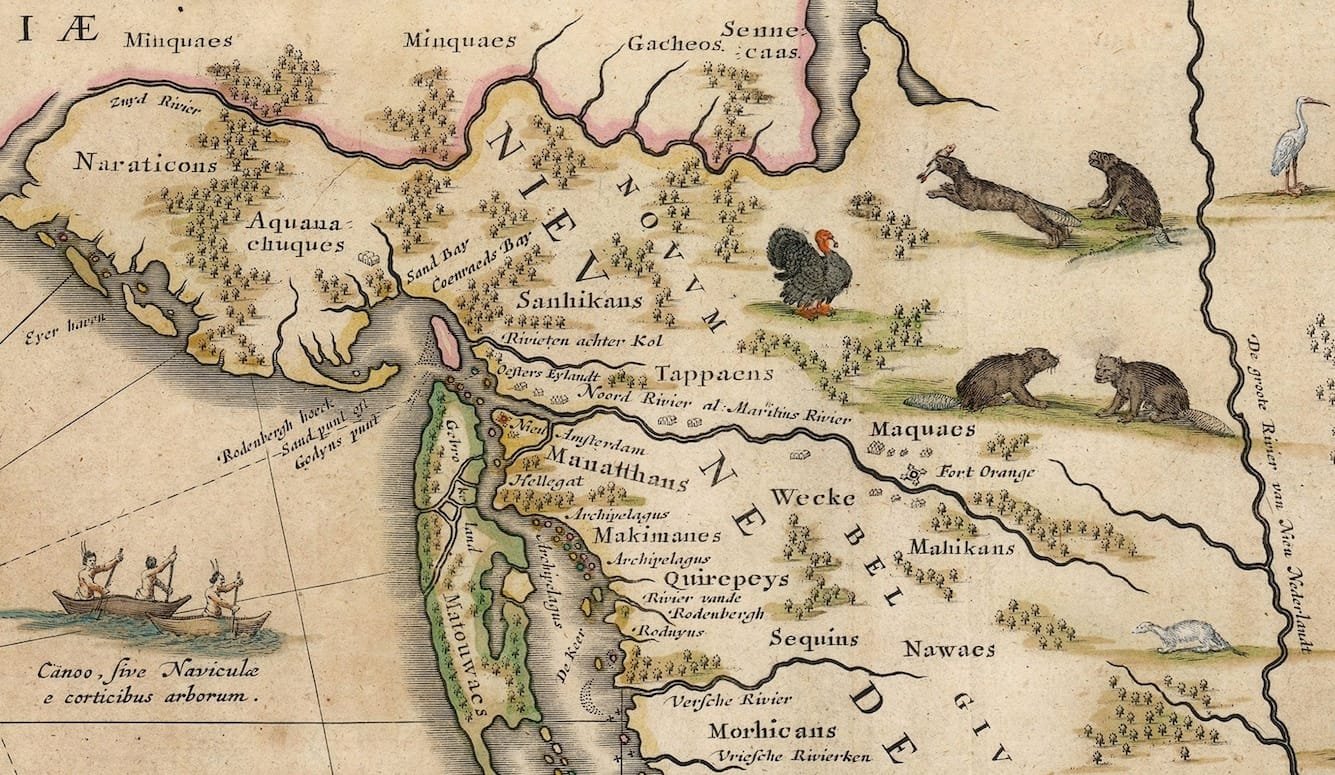
Trade routes were firmly established, allowing for the fluid movement of goods. And competition between the French and the Dutch encouraged the movement of fur in excess of what European buyers were actually demanding. Neither nation wanted to surrender any portion of the available supply for the other side to buy up. The result was over-hunting and the depletion of local game reserves—especially beaver.
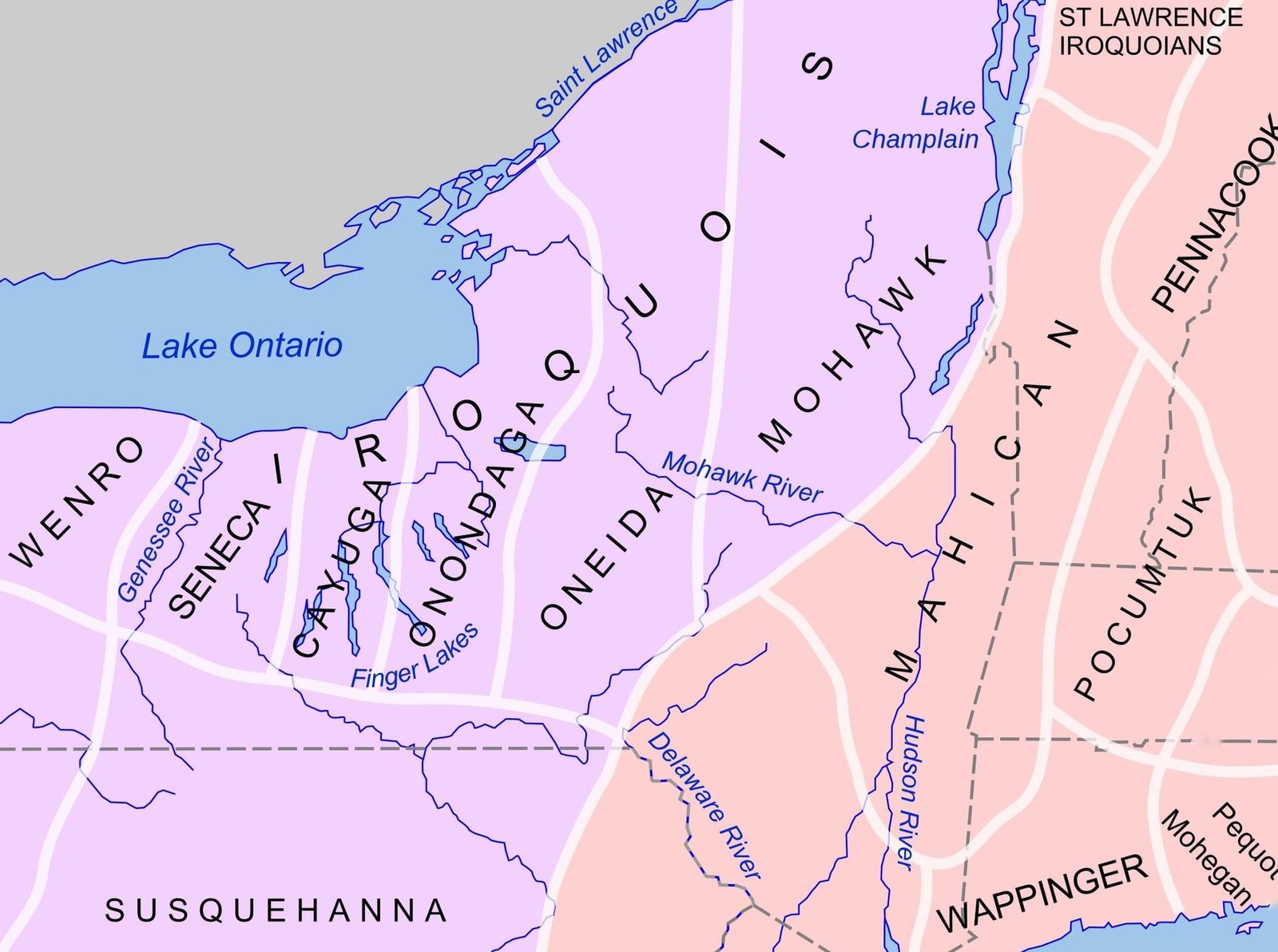
This was a particular problem for the Haudenosaunee—a term that, in this historical context, refers to the five Nations of the Haudenosaunee Confederacy, which sat south of Huronia. Running from west to east along the south shore of Lake Ontario, in modern-day upstate New York, these five were the Seneca, the Cayuga, the Onondaga, the Oneida, and the Mohawk.
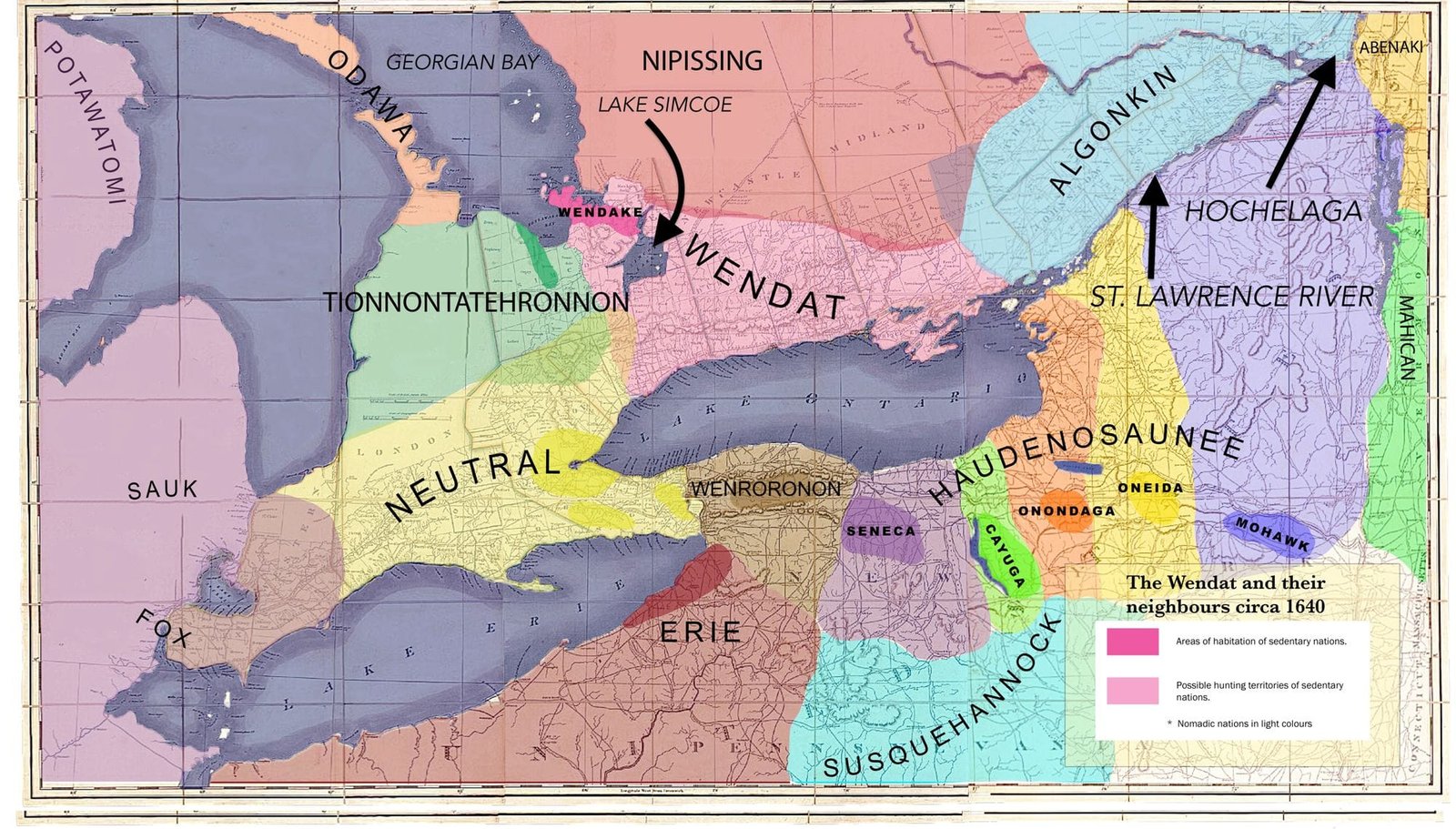
The Haudenosaunee lands had smaller beaver populations to begin with. Moreover, as a general rule, the quality of beaver pelts increased the farther north you went. And so the Haudenosaunee had a double disadvantage as compared to hunters operating out of the Canadian Shield.
A third Haudenosaunee disadvantage related to their business model (again, to anachronistically employ a modern capitalist term). For the most part, they trapped beavers themselves—unlike Wendat communities, which acted as middlemen for pelts supplied by specialist Algonquin hunters (who, unlike the Wendat, did not operate a mixed economy featuring corns, beans, and squash cultivation). In fact, the beaver population in the Wendat homeland of Huronia had become just as depleted as in Haudenosaunee lands to the south. But through their trading network, the Wendat were able to draw in fur from the massive expanse of territory that lay to their east.
All this put the Haudenosaunee in an economic bind. They required European trade goods from their Dutch allies operating out of Fort Orange (modern-day Albany). But they were running out of the commodities necessary to trade for them.
Their only alternative strategy for obtaining fur was to raid Wendat convoys—either as they came down the Ottawa River, or along the St. Lawrence, upriver from Quebec (modern Quebec City). In a sense, the Haudenosaunee were in a similar position to the English back in the era of Martin Frobisher and Francis Drake—for whom getting direct access to commodities from the “New World” (new to the Europeans, that is) was more difficult than simply plundering the cargo ships operated by other European powers on the high seas.
Now let’s examine this same period from the perspective of historians who look past (or at least seek to contextualise) European historical sources, and focus more closely on Indigenous cultural factors. In these scholarly circles, the “Beaver Wars” are sometimes called the “Mourning Wars.” As historian Daniel Richter puts it in a 1983 scholarly paper, War and Culture: The Iroquois Experience, “in ways quite unfamiliar and largely unfathomable to Europeans, warfare was vitally important in the cultures of the seventeenth century Haudenosaunee and their neighbours.”
As alluded to above, one of the primary motivators of Indigenous warfare in this region was what might simplistically be called “population replacement.” A successful raid on an enemy produced prisoners, some of whom could then be integrated into one’s own society, replacing members of the community who’d died.
But there was a lot more going on here than merely zero-sum demographic arithmetic. For one thing, these wars were used as an emotional outlet, by which a community could express grief for the losses incurred in past conflicts. As I write in the eighteenth instalment, A Different Way of Fighting,
Grief was seen as a potentially destabilising force within these societies, and many aspects of Indigenous social life were geared toward controlling its impact. For instance, it was common to provide condolence gifts to people or communities who’d suffered a great loss. Europeans tended to see these gifts as compensation payments motivated by guilt and a desire to discourage retribution. But in reality, the focus was on soothing grief, as evidenced by the fact that these gifts did not always come from guilty parties looking to make amends.
In Indigenous societies, grief wasn’t just suffered on an individual level, but by the group as a whole. And when a community was unable to replace losses from within, captives were sought to take their place within the grieving society. The torture [of captives that] Champlain had witnessed back in 1609 was part of a deliberate process. Men and women captured on raids were potential adoptees, capable of replacing members of the community who’d died. Torture was a way of weeding out those who were unwilling to accept forced adoption, though it could also be a way of expiating grief through revenge.
Prisoners brought back from raids were often presented to families that had recently lost loved ones. The matriarchs of these kinship groups would then decide the fate of the prisoners. Would they assuage their grief by adopting them? Or would they satisfy their need for revenge through torture and death?
How a prisoner reacted to the initial, mild phases of torture helped determine their suitability as an adoptee. Those who withstood torture with defiance were unlikely candidates for assimilation. On the other hand, those who showed signs of submission might be put on a kind of probation. For a time, they would be closely watched to prevent any attempt to escape back home. Eventually, they would be integrated into the community as full members.
In this way, Wendat, Haudenosaunee, and Algonquin societies were multi-national in character. The period of chaos and violence that flared up in the middle of the seventeenth century would only accelerate these (involuntary) cross-national assimilations. Paradoxically, the more bitterly the Haudenosaunee and Wendat fought one another, the more they mixed together.
Another factor that requires consideration is the communal nature of Indigenous culture and identity. Unlike in Europe, where the idea of individualism was starting to emerge during this period, Indigenous men and women tended to define each other (and themselves) relationally: Who you were was bound up with your relationships with your family and neighbours. (The fictional, simplified, Disney version of this outlook will be familiar to viewers of the 2016 film Moana, in which the roles that define village life are venerated in the song Where You Are.) Everyone had a role to play within villages that operated something like a single organism. Remove one person, and it took away a part of every person.
A handful of those roles were even formalised. And so some Indigenous names were partly individual identifiers, and partly (what Europeans would have called) public offices. Ideally, when such men or women died, they would be replaced internally by members of the community who took up the deceased person’s name and position. (We have already seen an example of this, following the death of Tessouat, the great Kichespirini chief on the Ottawa River in the early 1630s, and his replacement with a new Tessouat.)
Godly Missionaries—or Evil Sorcerers?
In the 27th instalment of ‘Nations of Canada,’ Greg Koabel describes the epidemics that ravaged Wendat communities in the 1630s, sparking suspicions that Jesuit preachers were practising deadly witchcraft.
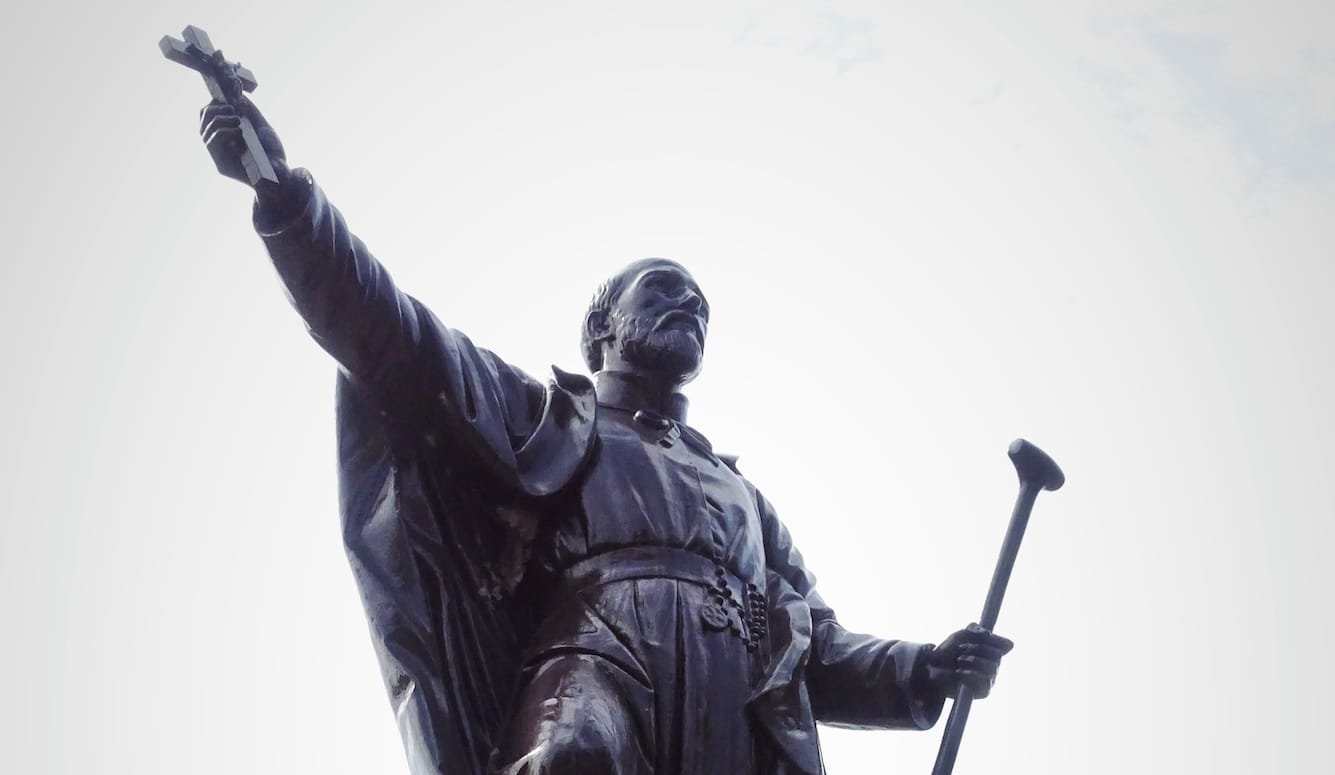
This system encountered a problem when faced with the unexpected deaths of many community leaders. There simply weren’t enough people to promote from within, and so an “outside hire” was required. When that happened, the pressure to acquire new prisoners-turned-adoptees built up—thereby driving villages to conduct more frequent raids. This, in turn, led to even greater loss of life, and thereby incentivised yet more raids, sending both Wendat and Haudenosaunee societies into a spiral of warfare that, to outside observers, might have seemed nihilistic.
Like most social technologies, the “mourning war” was adapted to a particular time and place. In a world of relatively stable population levels, employing prisoners of war to replace losses worked well enough. However, when that world suddenly changed, thanks to the arrival of European diseases and fur buyers, the old cultural ways became self-defeating. War—no matter how successfully waged—simply could not restore loss of life on this scale.
It didn’t help that Indigenous war tactics were adapting to the new situation faster than their martial culture. Pre-European tactics had focused on tightly packed formations of warriors, defended from arrows by wooden shields and armour (a mode of warfare that Champlain personally memorialised with a sketch depicting his own 1609 military adventure at Ticonderoga). Most fighting was hand-to-hand, with clubs or stone axes. Compared to European battles of the period, death rates were low. The point was to get the enemy to break, then scoop up as many prisoners from among the routing forces as possible.
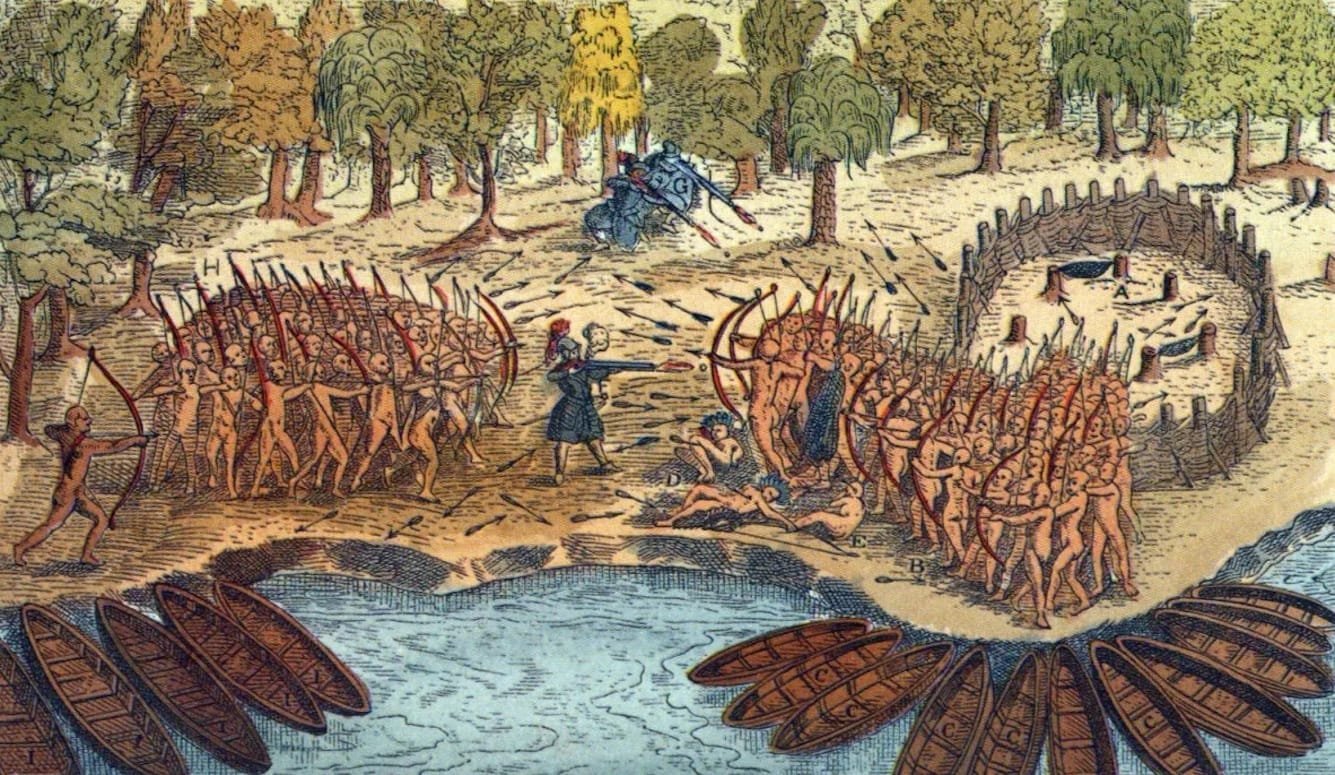
However, Champlain’s introduction of European firearms into the region in 1609 would change all that.
Initially, the guns themselves did not have a large direct effect on the dynamics of Indigenous warfare. The muskets that French and Dutch traders brought with them were cumbersome, inaccurate, and prone to malfunction. Moreover, the French Crown barred its subjects from sharing even these primitive firearms with their Indigenous trading partners—the fear being that well-armed Indigenous societies, even allies such as the Algonquins and Wendat, could become dangerous and uncontrollable.
Among the Innu in eastern Quebec, another Indigenous group that was allied with the French, fighters did manage to get their hands on muskets—thanks to their relationship with independent European traders who’d long been coming to Tadoussac with the seasonal fish and fur trade. But even in such cases, it was difficult for the Innu to acquire training, ammunition, or powder. Without regular maintenance by trained personnel, everyone involved quickly learned, muskets quickly became useless.
Even if it would take time for European firearms to become a tool of Indigenous warfare, however, their mere presence in Canada had a revolutionary effect on tactics. Fear of firearms brought an end to tight formations and weak wooden armour—a development hastened by a parallel development in military technology: Stone arrowheads were being phased out in favour of stronger, deadlier metal tips imported from Europe.
Most Indigenous war parties now focused on ambushes and strikes against vulnerable targets. There was also a related move away from hand-to-hand fighting, and toward ranged combat (most often with bows and arrows, but occasionally with firearms if they were available). As a result of these more deadly methods, casualty rates grew, and there were fewer survivors to take prisoner.
And here, the economic thread of the story comes back into view. As European commodities found their way into Indigenous war-making, access to the trading posts at either Quebec (on the St. Lawrence) or Fort Orange (on the Hudson) became even more strategically important.
The result was a deadly feedback loop. Successive waves of disease pushed Iroquoians on both sides of the St. Lawrence toward the only culturally coherent response to mass grief they knew—warfare. Meanwhile, a tactical revolution made conflict less suited to the taking of prisoners. So more fighters died, and fewer survived to perform economically productive work, either as returning victors or captured prisoners. Yet no one felt they could back down, lest they lose access to the weapons that would make them competitive on the next battlefield.
Between the two major combatants in the Beaver/Mourning Wars—the Wendat and Haudenosaunee confederacies—the Wendat had the advantage of being more politically unified (though both sides were extremely decentralised by European standards). The five Haudenosaunee nations were geographically distinct, each with its own political interests and agendas. The Mohawk in the east were far removed from the Seneca, who were almost neighbours with the Wendat in the west.
The Wendat also had larger manpower reserves (though both confederacies had been hit hard by epidemics); as well as a wider range of allies. As noted above, these included the Ottawa River Algonquins, the Innu, and the French—all of whom had a shared commercial interest in maintaining the security of the trade convoys moving up and down the Ottawa and St. Lawrence rivers every season.
However, the Haudenosaunee had some advantages of their own. The Mohawk in the east, in particular, had access to Dutch guns, which filtered their way west to the other Haudenosaunee nations. The Dutch were less circumspect than the French about trading in guns. Or, to put things more accurately, the Dutch authorities had less control over the terms of trade when compared to their French counterparts—as their Mohawk trading partners had the military upper hand in a way that the Wendat did not.
The Haudenosaunee also enjoyed a strategic advantage in that they could often choose where and when the fighting took place. The convoys on which the Wendat depended were vulnerable targets. The upper St. Lawrence, extending southwest from Quebec to the great rapids at Montreal, was largely undefended. The French were establishing a new settlement at Trois-Rivières—halfway between those two points. But it still consisted of little more than a collection of farming families—hardly a significant military obstacle to determined raiders. How these various factors would balance out over the course of a prolonged conflict between the two regional powers wasn’t entirely clear at the time.
Champlain (1574–1635) had been a navigator, explorer, trader, and diplomat—essential skills for creating a French foothold in the new world. But now that a nascent French colony was up and running, different talents were needed. Given the delicate military situation that was emerging in the region at the time of his death, it was fitting that his replacement—New France’s first official governor, 34-year-old Charles Jacques Huault de Montmagny—was a lifelong soldier.
The third son of an aristocratic family, Montmagny had originally been slated for a career in law, and had received the best French education that money could buy—which is to say, a Jesuit one. In fact, for a time, he’d studied at Collège de La Flèche, alongside Paul Le Jeune, who served as superior of the Jesuits of Quebec from 1632 to 1639 (not to mention a promising young intellectual by the name of René Descartes).
In his early 20s, however, Montmagny turned his back on school and took up naval warfare. He joined the Hospitallers, the monastic order of warrior-monks based in Malta that also included Isaac de Razilly, whom Cardinal Richelieu had appointed to oversee French Acadia in the early 1630s. By this time, Montmagny was making a good living financing and leading anti-piracy expeditions in the Mediterranean. Through his wife’s family, he was also drawn into the Company of One Hundred Associates (also known as the Compagnie de la Nouvelle-France), the French trading company chartered by the French crown in 1627 to profit from the North American fur trade and build colonial settlements.
Upon his arrival, Montmagny toured the region and met with the Wendat, Algonquin, and Innu who gathered at the traditional trading grounds. Surviving accounts suggest that he struck the right note, assuring his allies that the French would provide security on the increasingly dangerous St. Lawrence and Ottawa rivers.
Montmagny presented the French as a paternalistic presence—with the King acting as a father figure to his Indigenous subjects. This was a metaphor that would have been compelling to a man of Montmagny’s background. Stretching back into European antiquity, the traditional social contract binding a monarch to his people required the former to provide protection, and the latter to respond with obedience and gratitude.
Montmagny’s Indigenous audience seemed to regard the paternal metaphor favourably, but understood it in different terms, likely because Indigenous societies tended to have a less rigidly hierarchical understanding of intra-family relationships. (As we have already seen, the few Indigenous figures who travelled to France during the early seventeenth century were utterly horrified by the promiscuous use of corporal punishment to treat wayward children.)
The French King—as represented by Montmagny, his governor—was not seen as an authoritarian figure by Montmagny’s interlocutors. Children had obligations to their fathers, true. But the father had significant obligations to his sons and daughters as well. A father was expected to provide for his children in their times of need, and mediate disputes between them. A limited form of obedience was due to him—but it was far from absolute, and could be rescinded if he failed in his obligations. This was a highly conditional form of fatherly devotion that would have been seen as strange in Europe.
In future decades, the less authoritarian Indigenous understanding of their relationship to the French Crown would turn out to be the dominant one. Although governors such as Montmagny cultivated an image of themselves as metaphorical father figures, they found that, in practice, their metaphorical children had a significant degree of control.
This future relationship between French governors and their Indigenous allies would be formalised in the title Montmagny was given within the Indigenous world. He became known as Onontio, a Mohawk word meaning “Great Mountain”—a play on Montmagny’s French name, which was taken to mean the same thing in his native tongue (although the actual etymology of the word is apparently disputed). Eventually, the word Onontio would become bound up with the status of all governors, as Montmagny’s successors inherited the title. Each, in turn, would have to learn for himself, from his dealings with First Nations, what powers came with the office of Onontio—and what powers didn’t.
In the immediate term, however, Montmagny and his allies were far more focused on the Haudenosaunee military threat that lay to the south of the St. Lawrence River. In this regard, the first crisis that he confronted in 1637 arose when a party of allied Indigenous raiders slunk into Trois-Rivières. It was a mixed group of Innu and Abenaki (an Algonquin-speaking group whose traditional territories straddled what is now southeastern Quebec and northeastern New England). They were survivors of a raid into Mohawk territory that had gone poorly, and came with grim tidings: While everyone had assumed the Mohawk were still critically weakened by recent epidemics, they were in fact mobilising for a massive campaign on the St. Lawrence.
With limited resources available, Montmagny initially focused on defending the recently arrived French farmers scattered along the river. While this was a natural response, it revealed his lack of knowledge about Haudenosaunee tactics and goals. Attacks on fortified settlements such as Quebec were never a likely scenario, as even a successful Mohawk assault would be costly in terms of lives. (In the thirteenth instalment, we saw how Champlain learned this lesson in 1609, when he unsuccessfully attempted to spur his Indigenous allies to conquer and occupy a fort defended by an enemy force. The European military fixation on seizing enemy strongpoints didn’t always translate to the Canadian military theatre.)
More importantly, the French were not the primary target of the Haudenosaunee warriors. Even at this early stage, the Haudenosaunee likely already saw the French as potential trading partners—as their ability to do business with both the French and the Dutch would increase their commercial leverage.
While the broader Haudenosaunee strategy at the time isn’t known to us, it likely would have been focused on separating the French from their existing Indigenous allies, so as to gain access to Quebec. In a sense, this was the same blueprint the Mohawk had followed in their war with the Mohicans in the 1620s, which resulted in them gaining exclusive access to the Dutch network on the Hudson River.
It would be a bit too neat, however, to cast the raids of 1637 and the years that followed as part of an overarching grand strategy. As discussed above, the Haudenosaunee Confederacy was not a political monolith. Most groups of warriors were likely focused on the immediate goals of looting trade goods and taking prisoners.
What we do know is that these Haudenosaunee war parties were not (as the French suspected at the time) acting on the orders of the Dutch, so that they could eject the French from the St. Lawrence. In what will become a running theme for more than a century, the Europeans had misread the situation in Canada by falsely assuming that every important geopolitical development in their world was related to European power politics.
While Montmagny and the French hunkered down in Quebec, the real threat emerged upriver. During the summer, a force of nearly five hundred Haudenosaunee had camped on the St. Lawrence, just upriver from Trois-Rivières, which by now had become the primary location for the annual fur trade. Their presence was detected by the first Wendat traders of the season, who were then heading home. A large convoy was ambushed, and the survivors flooded back to Trois-Rivières, spreading tales of a massive host of enemy warriors blocking the river.
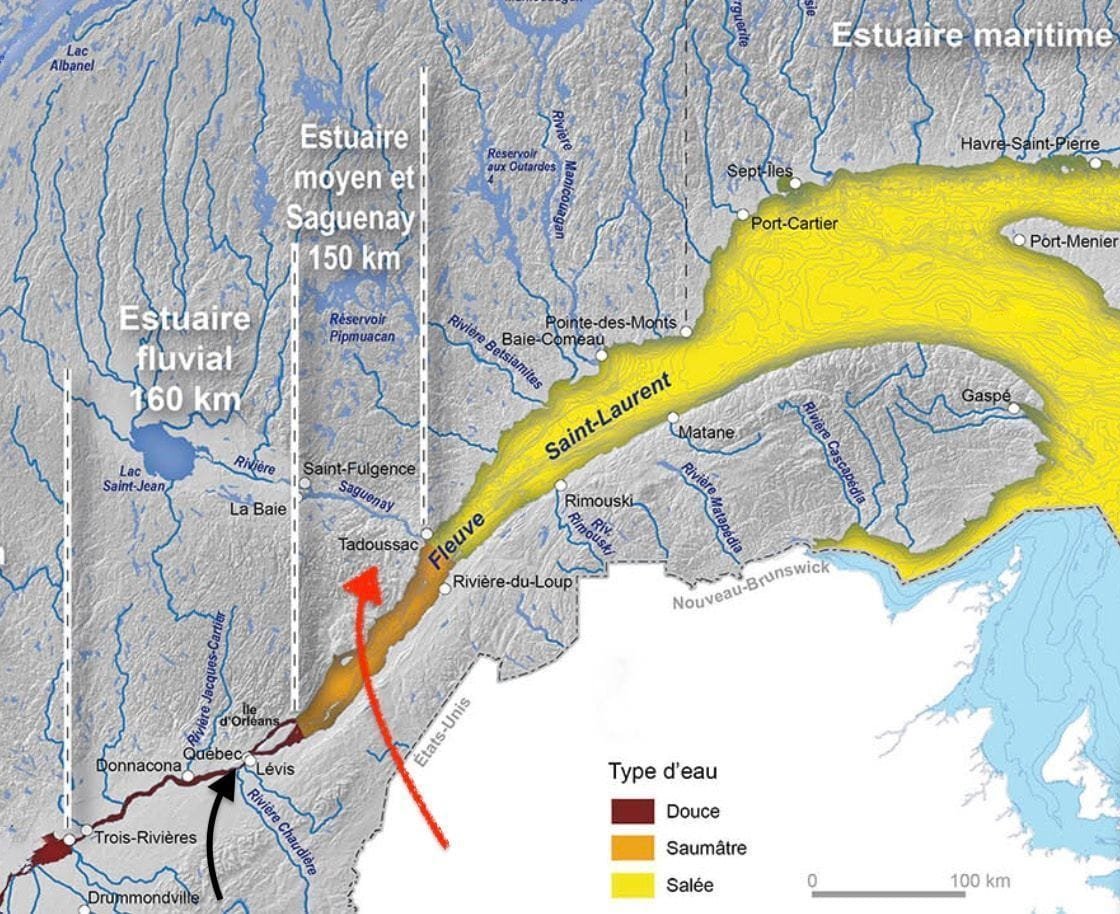
The news threatened to bring a premature end to the trading season, as other Wendat and Algonquin traders hung back on the Ottawa River, unwilling to brave the upper St. Lawrence.
Montmagny ordered Quebec’s modest fleet of pinnaces to sail upriver as a military escort. This worked, and the bulk of the year’s convoys managed to bring their goods to the St. Lawrence just before the summer ended.
At almost the same time, violence flared further to the west, on Lake Ontario—an area that had been peaceful for years, thanks to a formal truce between the Wendat and the Seneca—the westernmost Haudenosaunee nation, whose lands were centred on the Genesee River in modern upstate New York.
In September 1637, a Wendat war party captured a group of Haudenosaunee fishermen on Lake Ontario. These captives were from the Onondaga nation, which lay in the middle of the Confederacy; and so the Seneca truce did not apply. (The nations of the Haudenosaunee Confederacy conducted independent foreign policies.) But the situation was complicated by the fact that one of the fishermen was a member of the Seneca nation who’d left home rather than honour the truce. He’d joined the family of his wife, who was a member of the Onondaga nation, making him something of a dual citizen. His ambiguous identity put stress on the Wendat–Seneca truce.
Overall, 1637 saw the greatest outburst of violence the region had seen since the arrival of the French three decades earlier—one of the effects of which was to exacerbate divisions within the “Laurentian Coalition” that had bound up the French, Wendat, Algonquins, and Innu since the 1610s. The Innu, in particular, were resented for provoking the Haudenosaunee with their unsuccessful raid in the spring—all the more so because it seemed as though their goal had been to trade with the Dutch on the Hudson River. The security of the whole St. Lawrence network was under threat, it seemed, because one group in the coalition was trying to advance its own parochial interests.
The Laurentian Coalition Takes Root
In the 16th instalment of ‘Nations of Canada,’ historian Greg Koabel describes how Samuel de Champlain overcame a decade of frustration by finally establishing a successful French fur-trading monopoly.
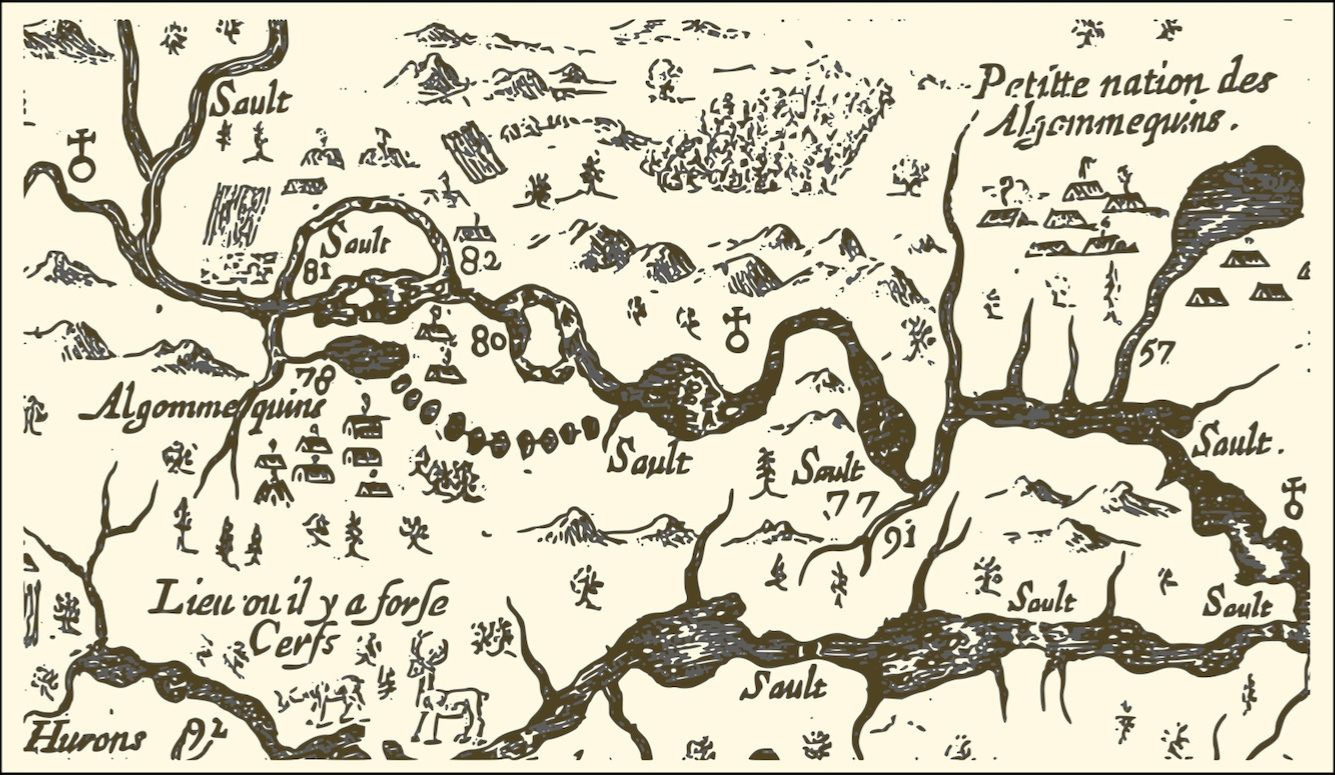
Unrelated signs of tension were also emerging within the Franco-Wendat relationship, which, as discussed in the instalment titled Godly Missionaries—or Evil Sorcerers?, was already plagued by Indigenous suspicions that the recent epidemics were connected to Jesuit sorcery. Late in 1637, a Jesuit missionary, François-Joseph Le Mercier, witnessed a group of Wendat warriors torturing a Haudenosaunee prisoner. In fulfilment of his mission to save souls, Mercier baptised the prisoner just before his captors finally killed him. It was the first recorded baptism of a member of a Haudenosaunee nation.
Le Mercier’s act was deeply resented by the Wendat warriors—in part because the European ceremony seemed to undercut the power of the Indigenous rituals. Baptism, as Jesuits explained it, was a method of saving souls from suffering in the fires of hell. Their descriptions of the various tortures of hell sounded (to a Wendat audience) a lot like the inflictions they laid upon Haudenosaunee prisoners. By offering baptism, Le Mercier was in effect promising relief from the suffering that his Wendat hosts believed was crucial to ritualised torture.
Some also read Le Mercier’s action as a sign of cowardice. Perhaps the Jesuit feared torture at the hands of the Haudenosaunee should he ever be captured, and so hoped that his act of mercy would be remembered and reciprocated.
However, Le Mercier’s act also had larger, diplomatic implications. Among the Wendat, baptism signified a close personal relationship with the French. The ritual was most often undertaken by traders, or men involved in diplomatic outreach to the French. Performing the ceremony on the enemies of the Wendat Confederacy was therefore a confusing (and potentially alarming) act.
The possibility of the French one day establishing friendly trading relations with the Haudenosaunee remained the great fear in the back of the Wendat Confederacy’s collective mind. On the surface, the alliance remained strong, but odd French behaviour allowed their anxieties to fester.
Over the winter of 1637–38, Montmagny assessed the strategic situation, and concluded that the French position remained precarious. In fact, he doubted whether the French could withstand the new wave of fighting that he believed would break out the next summer.
There was a panicked atmosphere in Quebec more generally at the time. Yes, French gunships had managed to break up the Haudenosaunee blockade of the St. Lawrence, but the sheer number of warriors who’d come north was alarming. (A force of 500 would qualify as little more than a reconnaissance unit in a European army, but was enormous by local Indigenous standards.) New France simply didn’t have the manpower to dislodge hundreds of enemy warriors if they chose to stand and fight. And if the St. Lawrence were closed to commerce—the original raison d’être of the whole French colonial project—Quebec itself wouldn’t survive.
Just as alarming were the rumours coming from Huronia. The Wendat traders who’d made it through to the French warned of local plots to murder the missionaries—plots that may even have had the support of Wendat leadership.
As soon as the ice cleared in 1638, Montmagny sent a Jesuit missionary upriver to clarify the situation. This was Antoine Daniel, who’d recently returned from a previous stint in Huronia to run an experimental school for Wendat children. (The project fizzled out, much like earlier attempts to draw Indigenous children into Christianity through education.) Montmagny had no idea whether the Jesuits in Huronia were still alive, and the governor’s desperation came through in his instructions to Daniel: Even if Jesuits had been killed, Daniel was to renew the alliance, so long as the Wendat chiefs officially denounced the murders.
In the end, such humiliating diplomatic concessions on the part of the French proved unnecessary. In a meeting of the Confederacy Council that winter, the Wendat decided to fully re-commit to the Laurentian Coalition in the name of national security. The Wendat needed their allies—especially if the wavering truce with the Seneca failed to hold.
It helped matters that the last wave of disease had petered out months earlier, and so popular opposition to the Jesuits had subsided. In fact, Jean de Brébeuf, the skilled Jesuit linguist now leading the missionary delegation to Huronia, was officially recognised as a kind of chief, with the right to speak at Wendat council sessions. Brébeuf became a notable public figure in Ossossone, the largest settlement in Huronia. And with the help of a dozen or so French workmen sent from Quebec, he built a European-style chapel that became a centrepiece of village life.
As Montmagny had predicted, 1638 did bring new fighting. But contrary to his fears, it swung decidedly in the favour of the re-affirmed Laurentian Coalition.
The summer’s major engagement took place between a group of about 300 Wendat and Algonquin warriors on one side, and a large raiding party of about 100 Oneida who’d come north in search of fur convoys. The Oneida were surrounded, and only a handful managed to escape. Eighty were taken prisoner.
A different kind of victory soon followed, when several hundred refugees arrived in Huronia. These mostly originated with Iroquoian groups that bordered the Haudenosaunee Confederacy. Disease and warfare had turned the region into a chaotic and dangerous place, and they asked for shelter within the Wendat Confederacy. The Council accepted them, and the influx helped to alleviate the manpower shortage.
The result was a crippling loss for the Oneida, who were in no position to absorb the loss of so many warriors. When news of the disaster made it back south, the Oneida widows sent a desperate plea to the Mohawk to the east, asking for men to marry them.
The St. Lawrence remained open for trade throughout the summer of 1638, allowing Montmagny and the rest of Quebec’s residents to breathe a bit easier. They’d discovered that sending the settlement’s small detachment of ships on regular river patrols helped prevent potential ambushes.
In a sign of their new confidence, Wendat leaders became less scrupulous about abiding by their truce with the Seneca. Previously, they’d taken diplomatic pains to ensure that the peace wasn’t disrupted by the actions of rogue individuals. But in 1638, when a group of young Wendat warriors unilaterally decided to settle old scores by killing some of their Seneca counterparts, the Wendat Council didn’t bother trying to resolve the situation.
In effect, the Council was broadening the war—a fateful decision that, as we shall see, will lead to another decade of war. By the time the fighting subsides, both confederacies will have been pushed to the existential brink.
Read the full article here
Fact Checker
Verify the accuracy of this article using AI-powered analysis and real-time sources.