Close Menu
FSNN | Free Speech News NetworkFSNN | Free Speech News Network
  • Home
  • News
    • Politics
    • Legal & Courts
    • Tech & Big Tech
    • Campus & Education
    • Media & Culture
    • Global Free Speech
  • Opinions
    • Debates
  • Video/Live
  • Community
  • Freedom Index
  • About
    • Mission
    • Contact
    • Support
Trending

Donald Trump to hold another Mar-a-Lago lunch for his token holders

23 minutes ago

Senate Includes CBDC Ban Amendment in Housing Affordability Bill

24 minutes ago

President Trump Is Hosting Another Exclusive Event for Meme Coin Holders

26 minutes ago
Facebook X (Twitter) Instagram
Facebook X (Twitter) Discord Telegram
FSNN | Free Speech News NetworkFSNN | Free Speech News Network
Market Data Newsletter
Thursday, March 12
  • Home
  • News
    • Politics
    • Legal & Courts
    • Tech & Big Tech
    • Campus & Education
    • Media & Culture
    • Global Free Speech
  • Opinions
    • Debates
  • Video/Live
  • Community
  • Freedom Index
  • About
    • Mission
    • Contact
    • Support
FSNN | Free Speech News NetworkFSNN | Free Speech News Network
Home»News»Media & Culture»Covid Beach Closures, the Takings Clause, and the Police Power Exception
Media & Culture

Covid Beach Closures, the Takings Clause, and the Police Power Exception

News RoomBy News Room4 months agoNo Comments4 Mins Read554 Views
Share Facebook Twitter Pinterest Copy Link LinkedIn Tumblr Email VKontakte Telegram
Covid Beach Closures, the Takings Clause, and the Police Power Exception
Share
Facebook Twitter Pinterest Email Copy Link

Listen to the article

0:00
0:00

Key Takeaways

Playback Speed

Select a Voice

Falcon1708/Dreamstime.com


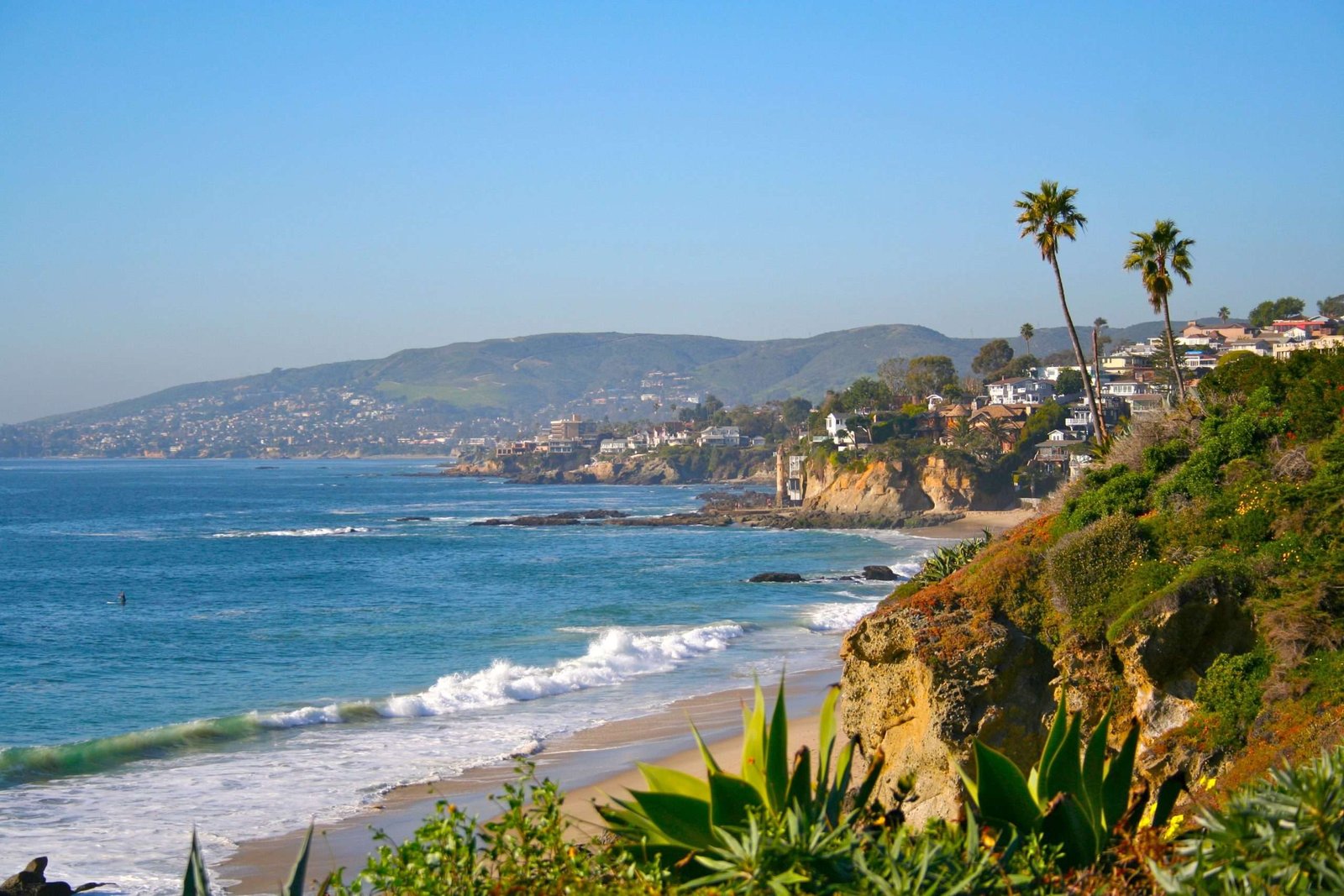
Co-blogger Jonathan Adler recently posted about Alford v. Walton County, an important new 11th Circuit ruling holding that a local ordinance barring property owners from accessing their beachfront property during the Covid pandemic violated the Takings Clause of the Fifth Amendment.

I think the court was right to conclude there was a taking here, and that the County is therefore required to pay compensation, as required by the Takings Clause. But the court elided the difficult issue of the “police power” exception to takings liability.

The relevant ordinance completely barred property owners from accessing or using their beach front property for several weeks during the early part of the Covid pandemic, in March-April 2020. As the court explained, this is an obvious severe restriction on property rights, and therefore part of the right to “private property” protected by the Takings Clause.

Unlike Jonathan Adler, I think the court was also right to conclude this is a “physical taking” that qualifies as a “per se” (automatic) violation of the Takings Clause, as opposed to a mere restriction on “use” subject to the Penn Central balancing test (a vague standard that usually ends up favoring the government). As the court put it, “Ordinance 2020-09 prohibited the Landowners from physically accessing their beachfront property under any circumstances. That is different from a restriction on how the Landowners could use property they otherwise physically possessed.”

But the court avoided what, to my mind, is the most difficult issue posed by this case: the question of the applicability of the “police power” exception to takings liability. For decades, the Supreme Court and various lower courts have held that government actions that would otherwise qualify as takings are exempt from liability if enacted under the police power, which gives government the authority to protect health and safety.

Covid-era restrictions arguably fall within the exception, because they were meant to constrain the spread of a deadly contagious disease, one that ended up killing some 1 million Americans. During the pandemic, a number of state courts upheld Covid shutdown orders against takings challenges based on the police power rationale. I wrote about one such case here.

However, it is far from clear how great a threat to health or safety there must be before the police power exception kicks in. If forestalling even a small risk qualifies, then virtually any restriction on private property rights is exempted from takings liability. After all, just about any use of property poses at least some small risk of spreading disease or causing injury.

In my recent article, “The Constitutional Case Against Exclusionary Zoning” (coauthored with Josh Braver), we argue the police power exception only applies in cases where the government policy in question is preventing a particularly severe danger. For reasons outlined in the article (pp. 25-31), that approach is consistent with original meaning, and with relevant Supreme Court precedent.

By that standard, the Walton County beach restriction and similar measures in other jurisdictions do not qualify for the police power exception. It quickly became clear that outdoor transmission of Covid does not pose much risk. Moreover, it was particularly absurd to ban even the owners from using their own property. If one of them was infected, they could much more likely spread the infection to each other while at home indoors, where the law did not prevent them from interacting with each other.

Thus, I think the court ultimately got this case right. But they should have addressed the police power exception and how it might or might not apply here. The court rightly noted that “there is no COVID exception to the Takings Clause” and that “the government must respect constitutional rights during public emergencies, lest the tools of our security become the means of our undoing.” I agree completely! There must be strong judicial review of government invocations of emergency powers. But, though there is no “Covid exception” or “emergency exception” to the Takings Clause, there is a police power exception. And courts should deal with it, when it is potentially relevant.

The Supreme Court, in recent years, has shown little interest in clarifying the scope of the police power exception. But it has – rightly – decided a number of cases strengthening protection for property rights under the Takings Clause generally. This makes it more likely that Takings Clause protections will run into the police power exception, as there are fewer situations where restrictions on property rights avoid takings liability for other reasons.

Thus, the Supreme Court may well have to clarify the police power exception sooner or later. Unless and until they do so, lower courts will continue to struggle with this doctrine.


Read the full article here

Fact Checker

Verify the accuracy of this article using AI-powered analysis and real-time sources.

Get Your Fact Check Report

Enter your email to receive detailed fact-checking analysis

5 free reports remaining

Continue with Full Access

You've used your 5 free reports. Sign up for unlimited access!

Already have an account? Sign in here

Share. Facebook Twitter Pinterest LinkedIn Tumblr Email Telegram Copy Link
News Room
  • Website
  • Facebook
  • X (Twitter)
  • Instagram
  • LinkedIn

The FSNN News Room is the voice of our in-house journalists, editors, and researchers. We deliver timely, unbiased reporting at the crossroads of finance, cryptocurrency, and global politics, providing clear, fact-driven analysis free from agendas.

Related Articles

Cryptocurrency & Free Speech Finance

President Trump Is Hosting Another Exclusive Event for Meme Coin Holders

26 minutes ago
Media & Culture

Tax the Rich All You Want. It Won’t Fix the Deficit.

59 minutes ago
Legal & Courts

Journalist Marisa Kabas discusses her successful fight for bodycam videos of DOGE raid at US Institute of Peace

1 hour ago
Cryptocurrency & Free Speech Finance

Optimism Team Lays Off 20 Employees Amid Ethereum Scaling Shifts, Base Migration Plans

1 hour ago
Media & Culture

Don’t Ban Kids From Using Chatbots

2 hours ago
Media & Culture

The Trump Administration Just Declared All Foreign Exports Unfair

2 hours ago
Add A Comment

Comments are closed.

Editors Picks

Senate Includes CBDC Ban Amendment in Housing Affordability Bill

24 minutes ago

President Trump Is Hosting Another Exclusive Event for Meme Coin Holders

26 minutes ago

A.B. 1043’s Internet Age Gates Hurt Everyone

57 minutes ago

Tax the Rich All You Want. It Won’t Fix the Deficit.

59 minutes ago
Latest Posts

Journalist Marisa Kabas discusses her successful fight for bodycam videos of DOGE raid at US Institute of Peace

1 hour ago

BTC mining faces price risk, not power cost shock, as oil tops $100

1 hour ago

Binance Claims ‘Full and Complete Legal Victory‘ in Alabama Court

1 hour ago

Subscribe to News

Get the latest news and updates directly to your inbox.

At FSNN – Free Speech News Network, we deliver unfiltered reporting and in-depth analysis on the stories that matter most. From breaking headlines to global perspectives, our mission is to keep you informed, empowered, and connected.

FSNN.net is owned and operated by GlobalBoost Media
, an independent media organization dedicated to advancing transparency, free expression, and factual journalism across the digital landscape.

Facebook X (Twitter) Discord Telegram
Latest News

Donald Trump to hold another Mar-a-Lago lunch for his token holders

23 minutes ago

Senate Includes CBDC Ban Amendment in Housing Affordability Bill

24 minutes ago

President Trump Is Hosting Another Exclusive Event for Meme Coin Holders

26 minutes ago

Subscribe to Updates

Get the latest news and updates directly to your inbox.

© 2026 GlobalBoost Media. All Rights Reserved.
  • Privacy Policy
  • Terms of Service
  • Our Authors
  • Contact

Type above and press Enter to search. Press Esc to cancel.

🍪

Cookies

We and our selected partners wish to use cookies to collect information about you for functional purposes and statistical marketing. You may not give us your consent for certain purposes by selecting an option and you can withdraw your consent at any time via the cookie icon.

Cookie Preferences

Manage Cookies

Cookies are small text that can be used by websites to make the user experience more efficient. The law states that we may store cookies on your device if they are strictly necessary for the operation of this site. For all other types of cookies, we need your permission. This site uses various types of cookies. Some cookies are placed by third party services that appear on our pages.

Your permission applies to the following domains:

  • https://fsnn.net
Necessary
Necessary cookies help make a website usable by enabling basic functions like page navigation and access to secure areas of the website. The website cannot function properly without these cookies.
Statistic
Statistic cookies help website owners to understand how visitors interact with websites by collecting and reporting information anonymously.
Preferences
Preference cookies enable a website to remember information that changes the way the website behaves or looks, like your preferred language or the region that you are in.
Marketing
Marketing cookies are used to track visitors across websites. The intention is to display ads that are relevant and engaging for the individual user and thereby more valuable for publishers and third party advertisers.