Close Menu
FSNN | Free Speech News NetworkFSNN | Free Speech News Network
  • Home
  • News
    • Politics
    • Legal & Courts
    • Tech & Big Tech
    • Campus & Education
    • Media & Culture
    • Global Free Speech
  • Opinions
    • Debates
  • Video/Live
  • Community
  • Freedom Index
  • About
    • Mission
    • Contact
    • Support
Trending

EFF to Court: Don’t Make Embedding Illegal

29 minutes ago

New Mexico Dems Pass An Affordable Broadband Law In 25 Days

32 minutes ago

Justice Scalia did not read The New York Times; Justice Barrett does.

32 minutes ago
Facebook X (Twitter) Instagram
Facebook X (Twitter) Discord Telegram
FSNN | Free Speech News NetworkFSNN | Free Speech News Network
Market Data Newsletter
Tuesday, March 3
  • Home
  • News
    • Politics
    • Legal & Courts
    • Tech & Big Tech
    • Campus & Education
    • Media & Culture
    • Global Free Speech
  • Opinions
    • Debates
  • Video/Live
  • Community
  • Freedom Index
  • About
    • Mission
    • Contact
    • Support
FSNN | Free Speech News NetworkFSNN | Free Speech News Network
Home»News»Campus & Education»Calls for censorship are a familiar wartime mistake
Campus & Education

Calls for censorship are a familiar wartime mistake

News RoomBy News Room3 hours agoNo Comments3 Mins Read1,757 Views
Share Facebook Twitter Pinterest Copy Link LinkedIn Tumblr Email VKontakte Telegram
Calls for censorship are a familiar wartime mistake
Share
Facebook Twitter Pinterest Email Copy Link

Listen to the article

0:00
0:00

Key Takeaways

Playback Speed

Select a Voice

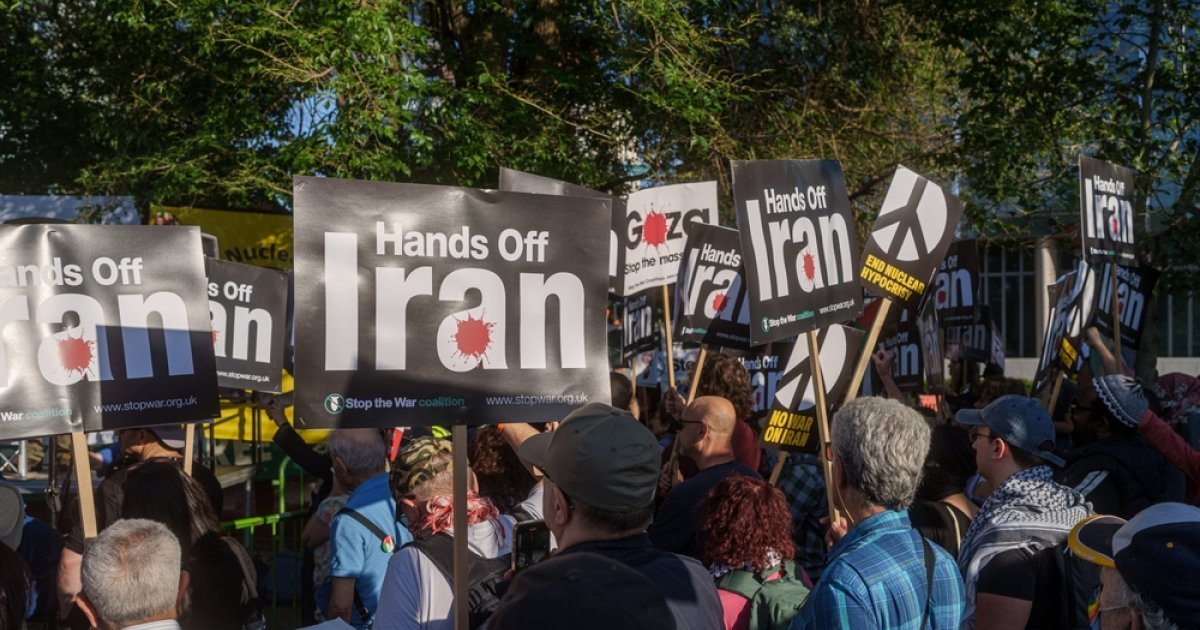
It’s like clockwork. War breaks out. Then come the calls for censorship.

After the war with Iran began over the weekend, the group Columbia University Apartheid Divest tweeted “Marg bar Amrika” — Persian for “death to America.” The group is not a recognized student organization at Columbia University, and it’s unclear who operates its X account. But that didn’t stop demands for punishment.

Investor Bill Ackman assumed the speakers were Columbia students and argued they should not be “permitted to attend a taxpayer-funded university with their tuition funded with government guaranteed student loans.” Rep. Elise Stefanik called for their expulsion and deportation. Sen. Ted Cruz echoed the sentiment, tweeting “Expel all of them.” 

The group’s tweet is unquestionably protected speech. The Supreme Court has twice held that even flag burning — often a visceral, symbolic expression of contempt for the nation — is constitutionally protected. As the Court famously declared, “If there is a bedrock principle underlying the First Amendment, it is that the government may not prohibit the expression of an idea simply because society finds the idea itself offensive or disagreeable.” 

That principle does not crack when bombs start falling. The government may not censor protected speech directly, nor may it pressure private actors to censor — whether they be social media companies or private universities like Columbia.

The most acute challenges to free expression often come during times of war. The Sedition Act of 1798 criminalized criticism of the federal government amid fears of war with France. During World War I, the Espionage Act led to more than 2,000 prosecutions for speech ranging from teaching that Christians should not kill in war to protests over draft exemptions. The Cold War brought McCarthyism, blacklists, and loyalty oaths.

After each of these periods, Americans came to regret the country’s censorship frenzy. The Sedition Act expired in disgrace; those convicted under it were pardoned. Many World War I-era sentences were later commuted, and the Supreme Court justices who upheld them came to regret the hysteria of the period. “McCarthyism” itself has become a slur in American life — a shorthand for reckless repression.

Not every war needs to be followed by censorship and then regret. We can learn from this historical pattern and refuse to censor in the first place.

America gains nothing by undermining the freedoms it claims to defend. Protecting speech during wartime is neither easy nor popular. But it is precisely in such moments that constitutional principles matter most. Civil liberties organizations exist to defend rights not when it’s easy, but when it’s difficult. We at FIRE have done so repeatedly: after September 11, during the Iraq War, and after October 7 — and we are prepared to do so again now.

If you face censorship for expressing your opinions about the war, pull the FIRE Alarm and submit a case on FIRE’s website today.

Read the full article here

Fact Checker

Verify the accuracy of this article using AI-powered analysis and real-time sources.

Get Your Fact Check Report

Enter your email to receive detailed fact-checking analysis

5 free reports remaining

Continue with Full Access

You've used your 5 free reports. Sign up for unlimited access!

Already have an account? Sign in here

#Censorship #ConstitutionalRights #FreeExpression #FreeSpeech #HigherEd #StudentActivism #StudentRights calls familiar mistake wartime
Share. Facebook Twitter Pinterest LinkedIn Tumblr Email Telegram Copy Link
News Room
  • Website
  • Facebook
  • X (Twitter)
  • Instagram
  • LinkedIn

The FSNN News Room is the voice of our in-house journalists, editors, and researchers. We deliver timely, unbiased reporting at the crossroads of finance, cryptocurrency, and global politics, providing clear, fact-driven analysis free from agendas.

Related Articles

Campus & Education

FTC threats against Apple News are baseless

3 days ago
Campus & Education

Statement: A ‘papers, please’ approach to the internet at odds with free speech

3 days ago
Campus & Education

The FTC’s threats against Apple News are baseless

3 days ago
Campus & Education

Taking ‘black’ out of Black History Month

4 days ago
Legal & Courts

The Guardian: Most immigrants targeted for deportation in 2025 had no criminal history, data reveal

4 days ago
Campus & Education

Six signs of student press censorship

4 days ago
Add A Comment
Leave A Reply Cancel Reply

Editors Picks

New Mexico Dems Pass An Affordable Broadband Law In 25 Days

32 minutes ago

Justice Scalia did not read The New York Times; Justice Barrett does.

32 minutes ago

Crypto world faces growing pressure to relent on stablecoin rewards to win bigger prize

48 minutes ago

Are Investors Giving Up on BTC?

53 minutes ago
Latest Posts

Scientists Turn Milk Protein Into a Biodegradable Plastic Alternative—Here’s How

55 minutes ago

SCOTUS Seems Skeptical of the Federal Ban on Gun Possession by Cannabis Consumers

2 hours ago

Japanese payments firm PayPay, partial owner of Binance Japan, seeks $1.1 billion IPO

2 hours ago

Subscribe to News

Get the latest news and updates directly to your inbox.

At FSNN – Free Speech News Network, we deliver unfiltered reporting and in-depth analysis on the stories that matter most. From breaking headlines to global perspectives, our mission is to keep you informed, empowered, and connected.

FSNN.net is owned and operated by GlobalBoost Media
, an independent media organization dedicated to advancing transparency, free expression, and factual journalism across the digital landscape.

Facebook X (Twitter) Discord Telegram
Latest News

EFF to Court: Don’t Make Embedding Illegal

29 minutes ago

New Mexico Dems Pass An Affordable Broadband Law In 25 Days

32 minutes ago

Justice Scalia did not read The New York Times; Justice Barrett does.

32 minutes ago

Subscribe to Updates

Get the latest news and updates directly to your inbox.

© 2026 GlobalBoost Media. All Rights Reserved.
  • Privacy Policy
  • Terms of Service
  • Our Authors
  • Contact

Type above and press Enter to search. Press Esc to cancel.

🍪

Cookies

We and our selected partners wish to use cookies to collect information about you for functional purposes and statistical marketing. You may not give us your consent for certain purposes by selecting an option and you can withdraw your consent at any time via the cookie icon.

Cookie Preferences

Manage Cookies

Cookies are small text that can be used by websites to make the user experience more efficient. The law states that we may store cookies on your device if they are strictly necessary for the operation of this site. For all other types of cookies, we need your permission. This site uses various types of cookies. Some cookies are placed by third party services that appear on our pages.

Your permission applies to the following domains:

  • https://fsnn.net
Necessary
Necessary cookies help make a website usable by enabling basic functions like page navigation and access to secure areas of the website. The website cannot function properly without these cookies.
Statistic
Statistic cookies help website owners to understand how visitors interact with websites by collecting and reporting information anonymously.
Preferences
Preference cookies enable a website to remember information that changes the way the website behaves or looks, like your preferred language or the region that you are in.
Marketing
Marketing cookies are used to track visitors across websites. The intention is to display ads that are relevant and engaging for the individual user and thereby more valuable for publishers and third party advertisers.